

Beets for Blood Pressure: What the Science Actually Shows
Beets can lower systolic blood pressure by about 3 to 5 mmHg. Here’s the real science, the right dose, which form works best, and who should check with a doctor first.
Why eating whole, minimally processed foods supports women’s long-term health.
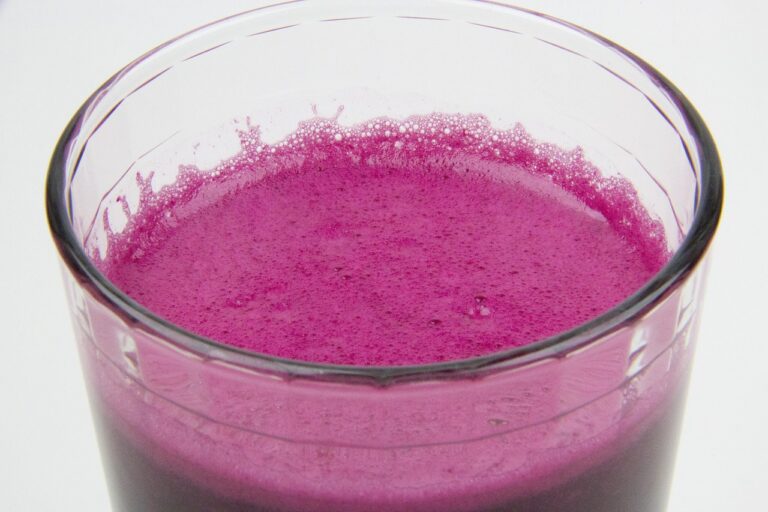
Beets can lower systolic blood pressure by about 3 to 5 mmHg. Here’s the real science, the right dose, which form works best, and who should check with a doctor first.
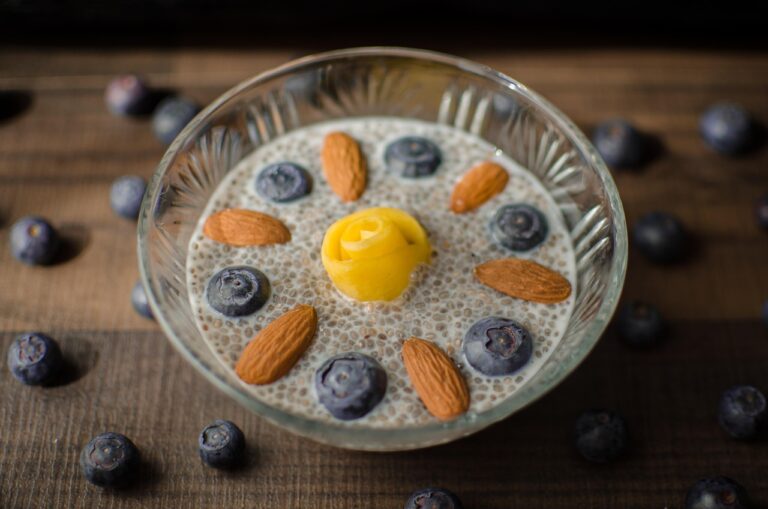
Most women eat just 15 grams of fiber a day. These high fiber recipes close the gap to 25 grams deliciously — no supplements, no bloat.
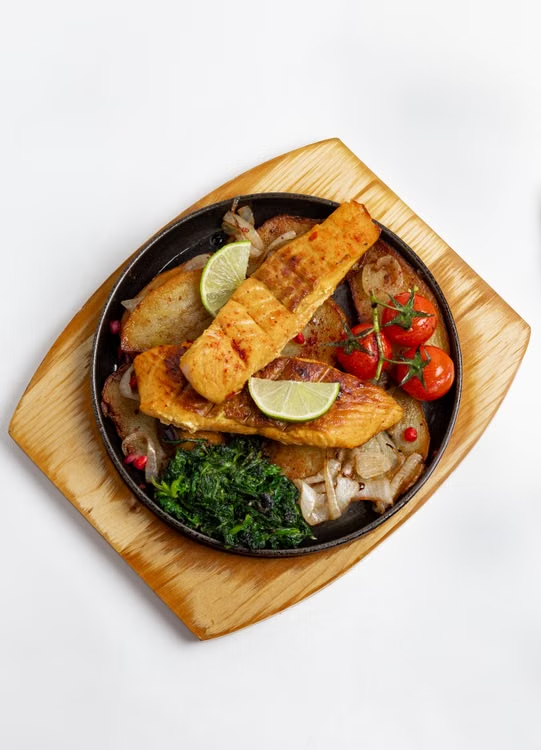
The “mystery protein-rich food” linked to a longer life in a study of 90,000+ adults is fish. Here’s what the science really says about protein for longevity — and why source beats volume.
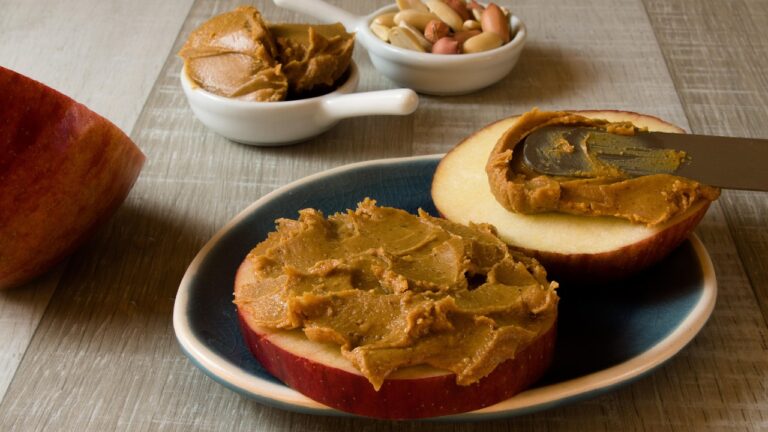
A 130g low carb PCOS plan isn’t extreme — fruit fits. Here’s the portion math, pairing strategies, and the evidence that PCOS and fruit aren’t in conflict.

Your 3 p.m. energy crash isn’t random. Here’s what causes the afternoon dip, 5 science-backed fixes, and when a daily crash is worth a clinician visit.
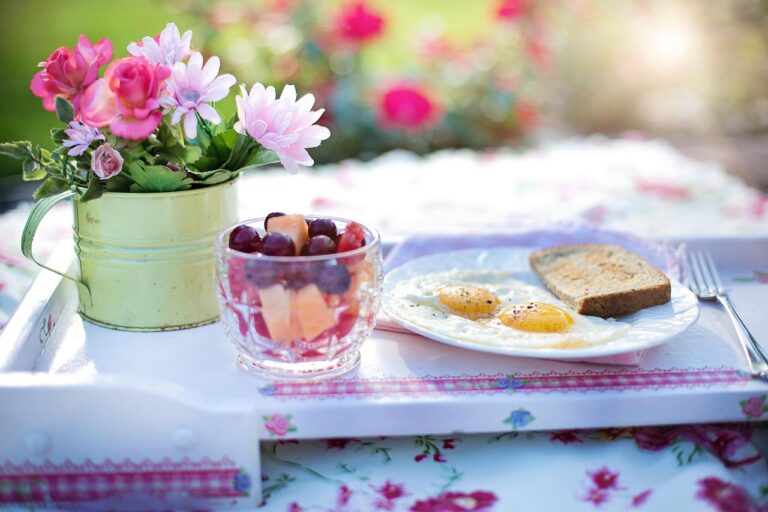
A high protein breakfast with 20-30 grams of protein boosts fullness, steadies energy and cuts cravings. Here’s how to build one in three steps with real food — no protein powder needed.
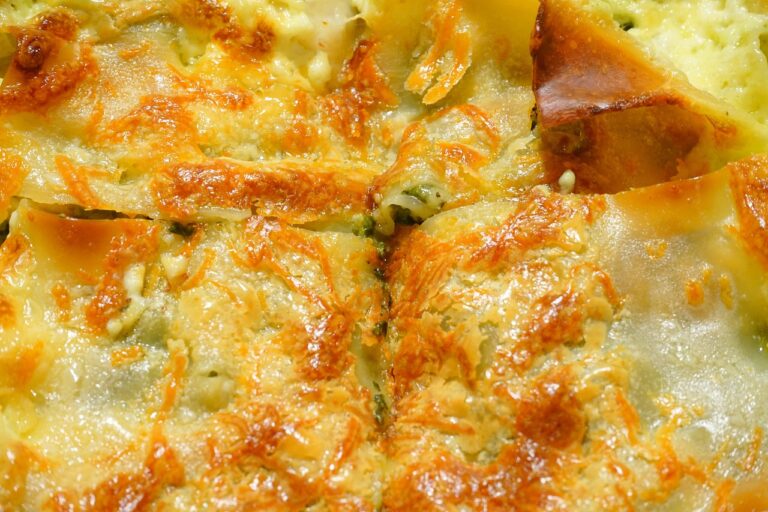
A classic chicken broccoli casserole can pack 677 calories and 43 grams of fat per serving. These smart swaps keep the comfort while boosting protein, fiber, and flavor.
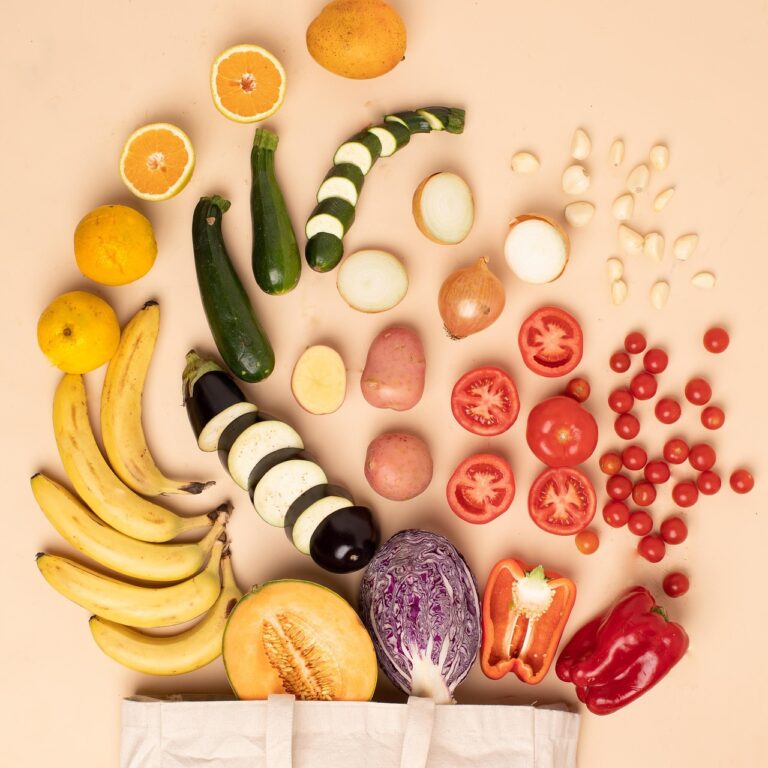
Your gut doesn’t need more salad — it needs more plant variety. Here’s the science behind the 30-plants-a-week target, what counts as a plant, and how to widen your weekly roster without the bloat.
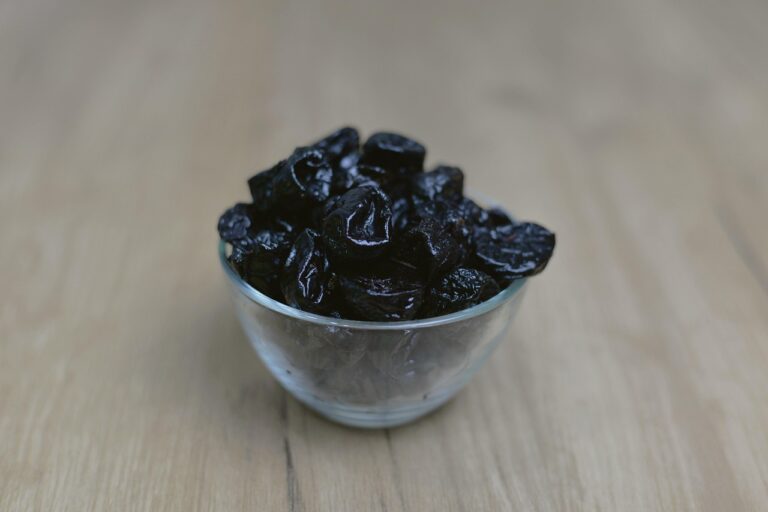
Natural constipation relief starts with habits, not laxatives. Learn the five evidence-backed habits that actually get things moving — plus three mistakes to avoid and when to see a doctor.
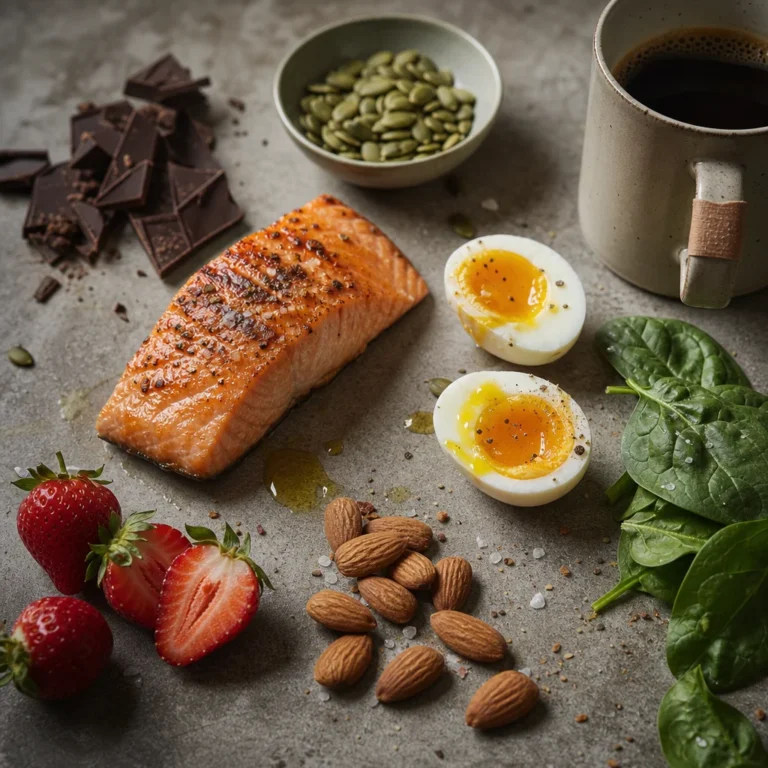
Caffeine is a band-aid — these 5 nutrients for energy are the real fuel. Learn the best food sources, who’s at risk, and which labs to ask for.