

Protein for Longevity: Why Fish Beats Protein Volume
Key Takeaways
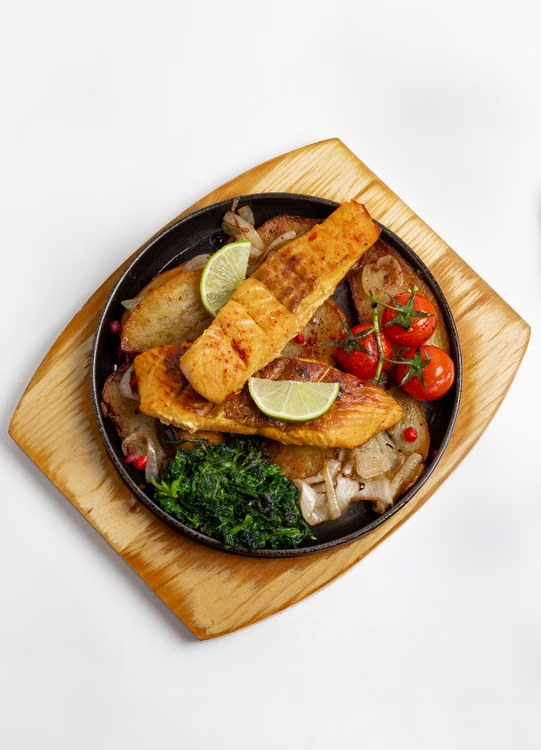
- The “mystery protein-rich food” in the headlines is fish — especially fatty, omega-3-rich fish like salmon, sardines, and mackerel.
- A 2026 study of 90,944 adults found that women who ate moderate amounts of fish had an 8% lower risk of death from any cause.
- The benefit leveled off at higher intakes. Moderate, consistent intake beats maximal intake.
- When it comes to protein for longevity, source matters more than quantity. Swapping processed red meat for fish or plant proteins is one of the clearest longevity wins in the research.
- A simple weekly rhythm — two servings of fatty fish plus plenty of beans, lentils, and nuts — is evidence-aligned and budget-friendly.
By now, you’ve probably seen the headline: a protein-rich food was linked to a longer life in a study of 90,000+ adults. The catch? The headline never names the food. Here’s the answer: it’s fish. And the science behind it is richer — and more practical — than the clickbait suggests. If you’ve been wondering what the evidence really says about protein for longevity, you’re in the right place.
Here’s the thing. This isn’t a story about eating more protein. It’s about choosing better protein — and understanding which foods actually seem to support a longer, healthier life. The answer starts with fish, but it doesn’t end there.
Quick Answer: Which Food Is It?
Fish — especially fatty, omega-3-rich fish like salmon, sardines, and mackerel. A 2026 study of more than 90,000 adults linked moderate fish intake to an 8% lower risk of death from any cause in women. The benefit appeared to plateau at moderate amounts. The real takeaway? Protein for longevity is about quality and source, not sheer volume.
What the 90,000+ Adult Study Found About Fish and Longevity
The study behind the headline is real and worth understanding. Researchers analyzed data from 90,944 adults — 42,150 men and 48,794 women — in the Japan Public Health Center-based Prospective Study. The findings appeared in The Journal of Nutrition in August 2026.
Participants completed a detailed food questionnaire between 1995 and 1998. The research team then followed them for about 20.8 years. They tracked deaths from all causes, cancer, heart disease, and stroke.
Here’s the key finding. Women who ate moderate amounts of fish and shellfish had the lowest risk of dying from any cause. Compared with women who ate the least fish, that moderate group had an 8% lower risk. The study’s hazard ratio was 0.92 — anything below 1.0 signals lower risk.
What 8% Lower Risk Actually Means
An 8% relative risk reduction doesn’t mean you gain eight years. It means that, across a large group over two decades, fewer deaths occurred among moderate fish eaters. Small, consistent choices add up — that’s the honest way to read this.
Omega-3-rich fish showed an even clearer pattern in women. Higher intake tracked with lower risks of death from any cause and from stroke. Men benefited too. Those who ate more unsalted fish and shellfish had a 16% to 23% lower risk of dying from stroke.
Now, here’s what most headlines missed. The benefits leveled off. Women who ate the most fish did not have the lowest risk. Moderate intake was the sweet spot. More was not better.
One honest caveat: this study is observational. It can’t prove cause and effect. People reported their own eating, and the participants were Japanese adults who eat more fish than most Americans. Still, the findings line up with decades of research on fish and long-term health.
Why Protein for Longevity Is About Source, Not Just Quantity
This is where protein for longevity gets interesting. The fish finding isn’t really about protein alone. It’s about whole foods — and how they compare with the other proteins on your plate.
Consider a landmark analysis of more than 130,000 U.S. adults, published in JAMA Internal Medicine. Researchers found that protein source mattered more than protein amount. Higher animal-protein intake came with a higher heart-disease death risk, driven mostly by red and processed meat. Plant protein, on the other hand, went with lower death risk overall.
The swap numbers are striking. Swapping processed red meat for plant protein came with a 34% lower risk of death from any cause. That swap was just 3% of daily energy. For unprocessed red meat, the linked reduction was 12%. For eggs, it was 19%.
Interestingly, fish protein itself was neutral in that study. It didn’t drive lower death risk on its own. But it also didn’t carry the red-meat signal. The likely explanation: fish brings omega-3s, vitamin D, and selenium to the table — nutrients that support heart and brain health.
A review in EBioMedicine helps explain the red-meat difference. Certain amino acids — the building blocks of protein — are abundant in red meat. In particular, methionine and branched-chain amino acids appear in high amounts. High intake of them is linked to age-related disease pathways. Fish offers high-quality protein without that heavy amino-acid load.
So when it comes to choosing protein for longevity, source comes first. You don’t need to count amino acids. You need a pattern. Prioritize fish, legumes, nuts, and other whole-food proteins. Keep processed red meat occasional, not daily.
How Much Fish Do You Need for Longevity?
The good news? You don’t need fish every day. The American Heart Association recommends two servings of fish per week, especially fatty fish. One serving is 3 ounces cooked — about the size of your palm, or roughly three-quarters of a cup of flaked fish.
That target fits the study beautifully. The women with the lowest death risk were moderate eaters, not heavy ones. If you already eat fish once or twice a week, you’re likely in a good zone.
Which fish are best? Fatty, omega-3-rich varieties top the list: anchovies, herring, mackerel, salmon, and sardines. Oysters and mussels count too. Lean fish like cod and tilapia are healthy protein choices, but they don’t deliver the same omega-3 punch.
Budget-Friendly Picks
Canned fish gets the job done. Canned sardines, mackerel, and salmon are affordable, shelf-stable, and nutrient-dense. Frozen fillets are another budget-friendly option. For most women, the goal isn’t maximum protein for longevity — it’s the right protein, consistently, without breaking the grocery budget.
What about mercury? It’s a fair question. Some fish contain more than others. The FDA and EPA publish current guidance. The AHA points women who are pregnant, planning to become pregnant, or nursing to those advisories. In general, small oily fish like sardines and salmon are lower in mercury. Larger predator fish carry more. Eating a variety of fish is the smartest approach.
Preparation matters too. The Japanese study separated unsalted fish from salted fish on purpose. Heavy salt can offset some benefits. So grill, bake, or lightly sauté your fish. Skip heavily salted or processed versions most of the time.
What About Those “Eat Less Protein” Longevity Headlines?
You may have seen a very different set of headlines this month. “Eating less protein could slow aging,” they claimed. A major review in Cell Press Blue analyzed more than 350 studies on protein restriction. So which is it — more protein or less? If the headlines feel confusing, you’re not alone.
Here’s the honest answer about protein for longevity: the “less is more” evidence comes mostly from animal studies. Flies, mice, and rats live longer on restricted protein. A few small human trials show better blood sugar and weight loss. But no direct human evidence shows that eating less protein extends life span.
Interestingly, the picture shifts with age. One large U.S. analysis found high protein intake linked to higher death rates in midlife. In people over 65, the opposite appeared — more protein went with lower death rates.
On the flip side, protein restriction is clearly not right for everyone. Older adults, pregnant women, and active people often need more protein, not less. A 2025 review in Nutrients notes that older adults need 1.0 to 1.2 grams per kilogram of body weight. That’s above the standard adult RDA. Yet about half of U.S. women over 71 don’t meet their protein targets.
Your Protein Number Is Personal
For most healthy adults, the standard RDA is 0.8 grams per kilogram of body weight. That’s a floor, not a ceiling. Your needs depend on age, activity level, and health status. A sedentary person probably doesn’t need protein-fortified water. An active woman might benefit from more. The one-size-fits-all “more protein, always” message is marketing, not science.
One more myth worth busting: high protein damages kidneys. That concern applies to people with chronic kidney disease. For healthy kidneys, long-term studies haven’t shown significant harm. So don’t fear fish on that basis. If you do have kidney disease, follow your medical team’s guidance.
Protein for Longevity: A Simple Weekly Eating Pattern
Let’s make this practical. You don’t need supplements or a tracking app. You need a rhythm. For step-by-step help, see our high protein meal prep guide. Here’s where I’d start: this pattern puts protein for longevity into practice without much fuss.
First, aim for two servings of fatty fish per week. Think Sunday baked salmon (frozen is fine) and a Wednesday lunch of sardine toast with lemon and greens. Canned mackerel on a salad counts too.
Next, build the rest of your protein around plants. Beans, lentils, chickpeas, tofu, and nuts carry the strongest longevity associations in the research. They’re also gentle on grocery budgets. A tuna-white bean salad is a Mediterranean classic for good reason.
Then, spread your protein across the day. Evidence in Nutrients suggests 25 to 30 grams per meal supports muscle best. That’s about a palm-sized piece of fish, a cup of lentils, or a bowl of Greek yogurt at each meal.
Finally, treat processed red meat as an occasional guest. The evidence is consistent: swapping it for fish or plant protein is one of the clearest longevity-linked swaps you can make. And skip the protein-fortified extras. Whole foods deliver protein alongside fiber, healthy fats, and micronutrients.
One Day, Evidence-Style
Breakfast: Greek yogurt with walnuts and berries
Lunch: Tuna-white bean salad with olive oil and greens
Dinner: Baked salmon with lentils and roasted vegetables
Snack: A handful of almonds or a boiled egg
These meals land in the 25 to 30 gram protein range that research links to good muscle support.
Who Should Be Careful
If you’re pregnant, planning to become pregnant, or nursing, follow current FDA and EPA fish guidance. The AHA notes that the benefits of fish outweigh the risks when intake stays within those recommendations.
If you have kidney disease, protein limits are a medical decision — follow your care team’s advice. And if you have a fish allergy, skip fish entirely. Build your pattern around legumes, soy, nuts, and whole grains instead. Omega-3 supplements didn’t drive the benefits in this study. Food first, always.
Frequently Asked Questions
Is canned fish as healthy as fresh fish?
Yes. Canned sardines, salmon, and mackerel keep their protein and omega-3s. They cost less and last longer. Rinse them briefly if you want to cut sodium.
Should I take an omega-3 supplement instead of eating fish?
The study looked at food, not supplements. Research hasn’t shown that omega-3 pills replicate the benefits of whole fish. Eat fish first. If you take supplements for other reasons, that’s a conversation for your clinician.
I’m vegetarian. Can I still build a plan around plant protein?
Yes. Large studies tie plant proteins to lower death risk. Soy, legumes, nuts, and whole grains, in variety, cover your amino acid needs. Fish is one good answer — not the only one.
The Bottom Line
The headlines made protein sound complicated. Eat more. Eat less. This food. That study. Here’s what actually holds up: choose quality protein from whole foods. Fish twice a week. Plants most days. Processed red meat occasionally.
That pattern — not a protein powder, not a protein-fortified snack — is the best answer the evidence offers. When it comes to protein for longevity, consistency beats extremes. Your body doesn’t need maximal protein. It needs the right protein, regularly, in a way you can sustain.
So the next time a headline teases a “protein-rich food linked to a longer life,” you’ll know the story. It’s fish. It’s moderate. And it works best as part of a pattern that also happens to taste great.