

How to Make a Healthy Chicken Broccoli Casserole
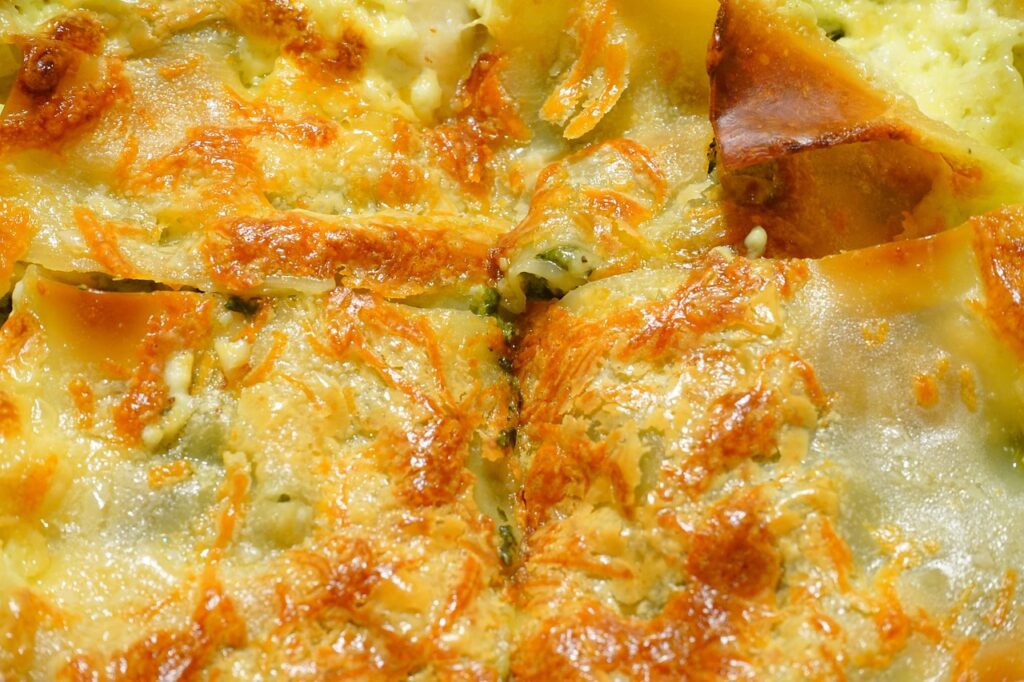
Key Takeaways
- A classic creamy chicken broccoli casserole can deliver 677 calories and 43 grams of fat per serving — with only 29 grams of protein.
- Heavy cream, butter, and ranch seasoning packets are where the fat and sodium hide.
- Smart swaps — Greek yogurt, blended cottage cheese, whole-wheat pasta, extra broccoli — fix the numbers without losing comfort.
- Aim for 25-30 grams of protein per meal; the best casserole builds hit 30-38 grams.
- Leftovers keep 3-4 days in the fridge and freeze well for 2-3 months.
Picture this: it’s 6 p.m., everyone’s hungry, and you need dinner on the table without a fuss. A chicken broccoli casserole feels like the perfect answer — creamy, cozy, and ready in under an hour. But here’s the thing: not every version of this classic is the nutritional win it claims to be.
One popular version making the rounds right now is a Dijon ranch bake with whole-wheat penne. It sounds like a dream — creamy, tangy, and full of fresh herbs. But the nutrition numbers tell a different story: 677 calories, 43 grams of fat, and 29 grams of protein per serving.
Here’s the good news. You can keep the comfort and build a smarter version — one that’s genuinely high in protein, higher in fiber, and far lighter on saturated fat and sodium. Let’s look at what the science says, then get into exactly how to do it.
Quick Answer: Can a Chicken Broccoli Casserole Be Healthy?
Yes — if you build it smartly. A cream-heavy version can pack 677 calories and 43 grams of fat in one serving. But swap the heavy cream for Greek yogurt or blended cottage cheese, pick whole-wheat pasta, and pile on extra broccoli. You’ll get 30+ grams of protein with about a third of the fat and less sodium — and all the comfort.
What’s Really in Your Chicken Broccoli Casserole?
Let’s use the Dijon ranch chicken broccoli casserole as our before picture. It’s a smart-sounding recipe: whole-wheat penne, broccoli florets, shredded chicken, and fresh herbs. But the sauce relies on heavy cream, whole milk, cream cheese, and butter. A full ranch seasoning packet adds the flavor.
Here’s what that adds up to, per serving: 677 calories, 43 grams of fat, and 29 grams of protein. The protein is solid. The problem is everything riding along with it.
The American Heart Association suggests capping saturated fat at about 13 grams a day on a 2,000-calorie diet. With cream and butter leading the ingredient list, a serving can push past that ceiling fast. Saturated fat can raise LDL cholesterol, which increases heart disease risk.
Then there’s sodium. A one-ounce ranch seasoning packet — the shortcut this recipe uses — contains around 2,160 milligrams of sodium. Split six ways, that’s about 360 milligrams per serving. Add the cream cheese, the pinch of salt, and any extra cheese. The total climbs fast.
Now, you might be thinking: “But it still has broccoli, chicken, and whole grains. Isn’t that enough?” It’s a great start. However, a few smart swaps can fix the numbers while keeping everything you love.
Why Protein (and Fiber) Deserve the Spotlight
Before we rebuild the dish, let’s talk about why it’s worth doing. Two nutrients should be doing the heavy lifting in your dinner: protein and fiber.
Protein helps your body repair cells, build muscle, and stay full. Healthy adults need about 10 to 35 percent of daily calories from protein. That’s roughly 100 grams a day on a 2,000-calorie diet, per MedlinePlus. And research increasingly points to 25 to 30 grams per main meal as a smart target.
A 2025 study in the European Journal of Nutrition compared meals with different protein amounts. Meals with 30 grams of protein sparked stronger fullness-hormone responses than meals with just 10 grams. Participants also reported feeling less hungry afterward.
Fiber matters just as much. A 2024 meta-analysis in The Lancet Diabetes & Endocrinology covered more than 100,000 people. It linked high-glycemic diets to higher rates of type 2 diabetes and heart disease. Diets rich in fiber and whole grains showed the opposite pattern.
Broccoli earns its place too. The American Institute for Cancer Research notes probable evidence that vegetable-rich diets lower the risk of several cancers. Broccoli brings vitamin C, vitamin K, and folate to the table. Just skip the boiling — steaming or sautéing keeps those nutrients intact. For more fiber-heavy picks, see our roundup of high-fiber vegetables that beat broccoli.
One safety note: broccoli is high in vitamin K. If you take warfarin or other blood thinners, keep your intake consistent and talk to your clinician.
How to Build a Smarter Chicken Broccoli Casserole
The fastest way to upgrade your chicken broccoli casserole is to fix the sauce. That’s where the heavy cream, butter, and cream cheese hide most of the fat. And it’s where you can save the most without losing any comfort.
Strategy 1: Swap heavy cream for Greek yogurt. A version with nonfat Greek yogurt, nonfat milk, and a little mayonnaise comes in around 306 calories per serving. Fat drops to 13 grams, while protein stays high at 30 grams. Compare that to 677 calories and 43 grams of fat — same cozy dinner, radically different numbers.
Strategy 2: Blend cottage cheese into the sauce. Cottage cheese is having a well-deserved moment. Blended with a little broth until silky, it creates a rich sauce with a serious protein boost. One popular version hits 38 grams of protein per serving with just 11 grams of fat.
Strategy 3: Pile on more broccoli and ease up on the cheese. More vegetables mean more fiber, more volume, and more nutrients. If you’re using cheese, reach for reduced-fat sharp cheddar. It melts beautifully and keeps saturated fat in check.
Same Dish, Three Sauces
- Classic cream build: 677 calories, 43g fat, 29g protein
- Greek yogurt build: 306 calories, 13g fat, 30g protein
- Cottage cheese build: 388 calories, 11g fat, 38g protein
Beyond the sauce, choose a whole-grain base. Whole-wheat pasta adds fiber and a little more protein than white pasta. Brown rice, farro, or barley all work beautifully too.
The Sodium Fix: Make Your Own Ranch Seasoning
The ranch seasoning packet is the sneakiest ingredient in this dish. One envelope holds around 2,160 milligrams of sodium — nearly a whole day’s limit for the entire batch. Split across six servings, that’s about 360 milligrams each. That’s before you add any other ingredient. And honestly, you can create the same flavor at home in five minutes.
Here’s the simple blend: buttermilk powder, dried dill, garlic powder, onion powder, dried chives, and black pepper. Stir it together and keep it in a jar. You get that tangy, herby ranch taste with a fraction of the sodium.
This matters more than it might seem. A 2026 Global Burden of Disease study in Nature Medicine looked at diet and heart disease worldwide. It found that high sodium and low whole-grain intake are leading dietary risk factors. Small seasoning choices really do add up.
Two more sodium-savvy tips. If you use rotisserie chicken, go light on added salt — it’s already seasoned. And choose reduced-sodium broth whenever a recipe calls for it.
Make-Ahead and Freezer Tips That Actually Work
Recipe blogs disagree on how long a casserole keeps. Let’s go with the federal standard. Per the USDA cold food storage chart, cooked meat and poultry dishes keep 3 to 4 days in the fridge. Casseroles hold their quality for about 2 to 3 months in the freezer.
One thing to expect: dairy sauces can separate a little when frozen. This is completely normal. Thaw the casserole overnight in the fridge, then stir in a splash of milk while reheating. The creamy texture comes right back.
If you’re assembling ahead without baking, cook the pasta just shy of al dente first. That extra bite protects it from turning mushy in the fridge or oven. Also, always reheat leftovers to 165°F — the safe temperature for cooked poultry.
My favorite move: bake, cool, and freeze single portions. A frozen chicken broccoli casserole means dinner is solved on the busiest nights.
Easy Swaps for Picky Eaters and Pantry Gaps
Here’s where this dinner becomes yours. Simple swaps keep it on the table, no matter what’s in your fridge.
- Chicken: Shredded rotisserie chicken is the ultimate shortcut — just remember it adds sodium. Cooked turkey or chicken thighs work great too. For another easy weeknight chicken dinner, try our one-skillet chicken scarpariello.
- Broccoli: Frozen florets are fine in a pinch. Thaw and pat them dry first, or your casserole may turn watery. Prefer fresh ideas? These 12 healthy broccoli salad recipes come together in minutes.
- Pasta and grains: Any short pasta works — rotini, shells, or gluten-free shapes. Or try brown rice, farro, or cauliflower rice.
- Cheese: Reduced-fat sharp cheddar is my default. Pepper Jack adds a little heat; mozzarella gives that stretchy, kid-friendly pull.
- Extra vegetables: Sautéed mushrooms, peas, cauliflower, or a handful of spinach blend in seamlessly. It’s an easy way to add fiber.
Frequently Asked Questions
Is chicken broccoli casserole actually healthy?
It depends on the building blocks. Cream-heavy versions can pack 40+ grams of fat — and the ranch-packet shortcut alone contributes about 360 milligrams of sodium per serving before you add cheese or extra salt. Even the saltiest build we reviewed tops out around 830 milligrams per serving, roughly a third of the 2,300-milligram daily limit. Versions made with Greek yogurt or cottage cheese, whole-wheat pasta, and plenty of broccoli deliver 30+ grams of protein with far less saturated fat and less sodium.
Can I make it ahead of time?
Yes, with one caveat. Fully baked casseroles keep 3 to 4 days in the fridge. If you’re assembling before baking, cook the pasta just shy of al dente. Keep the creamy sauce separate until you’re ready to bake.
Can I freeze this casserole?
Absolutely. Freeze after baking for the best texture — it keeps for about 2 to 3 months. Dairy sauces may separate on thaw; stir in a splash of milk while reheating and it’s as good as new.
What should I serve with it?
If your casserole includes pasta or grains, it’s a complete meal on its own. Add a crisp green salad or roasted vegetables for extra color and fiber. Dinner is done.
Your Smarter Casserole Game Plan
Here’s how to put this into practice tonight:
- Choose your sauce base — Greek yogurt or blended cottage cheese instead of heavy cream.
- Pick a whole-grain base — whole-wheat pasta, brown rice, or farro.
- Double the broccoli and add any extra vegetables you have.
- Make a quick homemade ranch blend — or use Dijon, herbs, and garlic.
- Cook once, freeze half — future you will be very grateful.
The Bottom Line
Here’s the truth: a chicken broccoli casserole can be the weeknight dinner that actually works for you. It’s creamy, satisfying, and genuinely nutritious. You don’t need complicated techniques or fancy ingredients. Just a few smarter building blocks.
Start with one change tonight. Swap the cream for Greek yogurt. Choose whole-wheat pasta. Or make your own ranch seasoning. Small upgrades add up to a dinner that’s high in protein and higher in fiber. And it’s a whole lot lighter — without losing the comfort-food magic.