

Your Gut Needs Plant Variety, Not Just More Vegetables
Key Takeaways
- Plant variety — not extra vegetables — is what really drives a healthier gut.
- People who eat 30+ plants weekly have more diverse gut bacteria than those who eat 10 or fewer.
- Herbs, spices, nuts, seeds, whole grains, coffee, and dark chocolate all count.
- Add plants gradually over 2–4 weeks to avoid bloating while your gut adjusts.
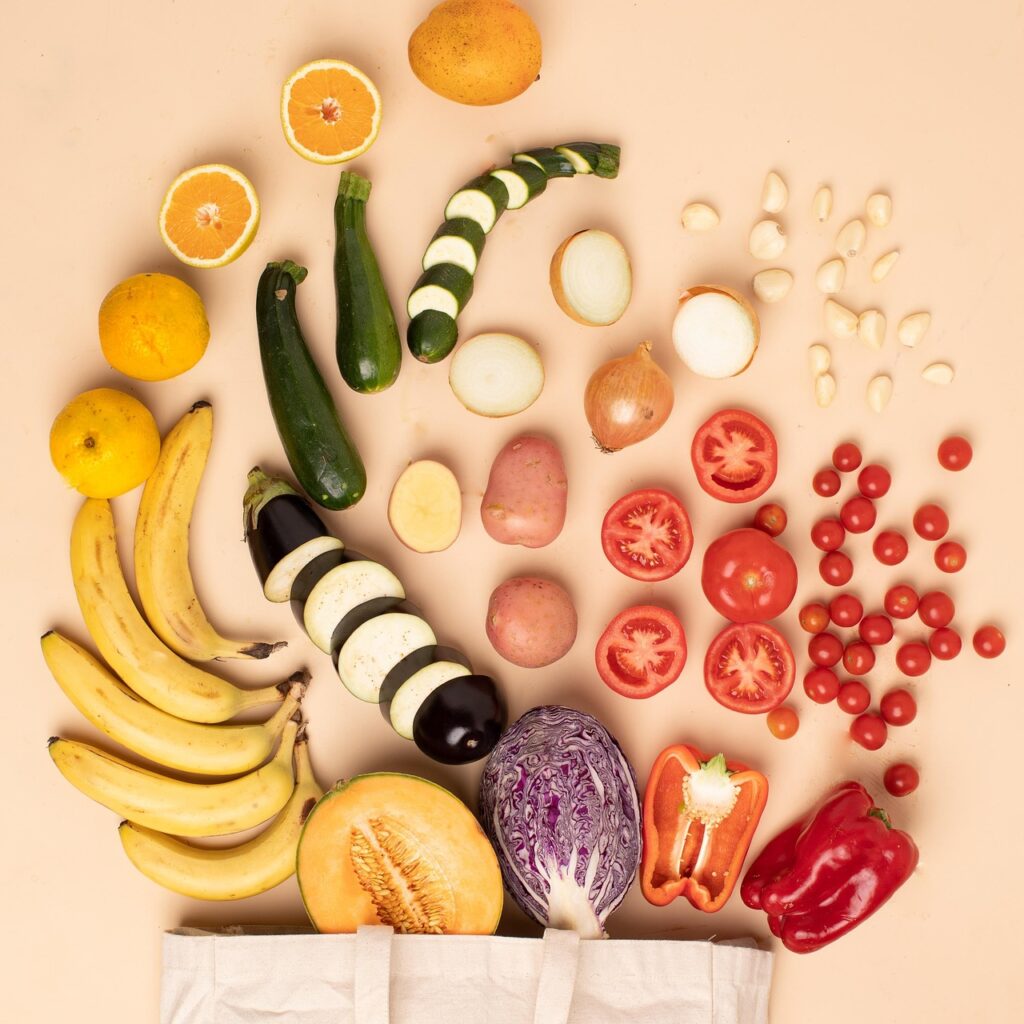
You’re doing the right thing — eating your vegetables, choosing salads, keeping fruit on the counter. But here’s the thing your gut actually craves: plant variety. Not more lettuce. Not another bag of spinach. More kinds of plants.
Most of us have heard “eat more vegetables” our whole lives. And it’s good advice. But the real gap in our diets isn’t volume — it’s variety. Here’s why: different plants feed different gut bacteria. If you rotate the same five vegetables, you feed the same five bacterial crews.
Let’s explore what the science says about plant variety and a healthier gut. We’ll cover where the “30 plants a week” target comes from, what counts, and how to widen your weekly roster. No overhaul of your grocery list required.
Quick Answer: Do You Need More Vegetables or More Plant Variety?
Both. Fiber from vegetables is essential. But variety is the piece most of us miss. Eating 30 or more different plants per week is linked to a more diverse gut microbiome — the community of bacteria in your digestive tract — than eating 10 or fewer. The good news: herbs, spices, nuts, seeds, and whole grains all count toward that goal.
Why Plant Variety Matters More Than Vegetable Volume
Think of your gut microbiome as a garden. Different bacteria thrive on different foods. Some prefer the fiber in oats. Others feast on polyphenols — natural plant compounds with antioxidant effects — in berries. And some love the resistant starch in beans.
When you eat many kinds of plants, you feed many kinds of bacteria. Harvard Health explains that fiber-rich plants act as prebiotics — food for your beneficial gut bugs. As bacteria break down that fiber, they produce short-chain fatty acids. Those compounds support a healthy gut lining and lower inflammation.
This is why plant variety matters more than plant volume. Research suggests that eating many different plants in moderate amounts can support a more diverse microbiome than eating large amounts of just two or three — and getting enough total fiber still matters too. The goal isn’t a mountain of kale. It’s a mosaic of many plants across your week.
Where the “30 Plants a Week” Target Comes From
You’ve probably seen the “30 plants a week” challenge on social media. It sounds like a wellness fad, but it has real roots. The number comes from the 2018 American Gut Project study. That citizen-science project included more than 10,000 people across the US, UK, and Australia.
The team found a clear pattern. People who ate 30+ plants weekly had more diverse gut bacteria than those who ate 10 or fewer. They also had a higher diversity of health-associated compounds in their stool samples — some produced by the bacteria themselves. In other words, plant diversity was linked to microbial diversity.
Here’s the part most articles skip. The Microsetta Initiative at UC San Diego — the team behind American Gut — calls 30 “a guideline, not a rigid threshold.” The real principle is simple: more plant variety, more microbial diversity. Twenty well-chosen plants beat 30 that are mostly processed foods.
What the Science Actually Shows: The 2026 BIOME Trial
The strongest recent evidence comes from the 2026 BIOME randomized controlled trial. That’s the gold standard of research. It included 399 healthy adults. For six weeks, one group added a blend of more than 30 plant ingredients to their regular meals. Others took a probiotic or a placebo-like crouton control.
The results were striking. The plant blend shifted 57 types of gut bacteria in six weeks. The control shifted 14. The probiotic shifted just 4. Blend participants also reported less indigestion, constipation, heartburn, and flatulence. Plus, they reported more energy.
Now, let’s be honest about the limits. The number of bacterial species that changed was significant. However, the “health rank” of those species didn’t differ between groups. In plain terms: more bacteria shifted, but we can’t yet say that means a “healthier” microbiome. The study was also partly funded by the company that makes the blend. Still, it’s the clearest sign yet that plant diversity alone can change your gut in weeks. No full diet overhaul required.
What Actually Counts as Plant Variety
Here’s the game-changer: it’s not just fruits and vegetables. Almost every whole plant food counts toward your plant variety goal. Emory’s Healthy Aging Study offers a simple starter list: blueberries, kiwis, beets, kale, sweet potatoes, lentils, chickpeas, parsley, and turmeric. That’s nine plants right there.
- Vegetables: all of them — fresh, frozen, or canned
- Fruits: fresh, frozen, dried, or canned
- Whole grains: oats, brown rice, quinoa, whole wheat, barley, farro
- Legumes: beans, lentils, chickpeas, peas, edamame
- Nuts: walnuts, almonds, cashews, pistachios
- Seeds: chia, flax, hemp, pumpkin, sunflower, sesame
- Herbs: parsley, cilantro, basil, mint, dill
- Spices: turmeric, ginger, cumin, cinnamon, paprika
- Bonus: coffee, tea, and dark chocolate (70%+ cocoa) count too
The counting rules are simple. Each type of plant gets one point. Two bananas in a week? That’s one point. A red apple and a green apple? Two points — different varieties. Herbs and spices count too, so use them liberally and often. The exact score matters less than the habit of building variety.
Quality Matters: Not All “Plants” Are Equal
One important nuance: plant variety only pays off when the plants are whole foods. Baltimore Longitudinal Study of Aging research found that healthful plant foods support a more diverse microbiome. That means whole grains, legumes, vegetables, and fruit.
Unhealthful plant foods — refined grains, sugary drinks, processed snacks — showed no such benefit. A “30 plants” diet built on juice and white bread won’t help. Count real foods: beans, oats, berries, greens, nuts, seeds, herbs. That’s where the benefit lives.
How to Widen Your Weekly Plant Roster
Ready to try it? Start with a plant audit. Write down every plant food you ate this week. It’s the first step to growing your plant variety. Most people are surprised — a bowl of oatmeal with cinnamon, walnuts, and berries already counts as four plants.
Then use these simple tricks:
- Sprinkle seeds on everything. A small shaker with chia, flax, and hemp makes it effortless.
- Add fresh herbs at the end of cooking — a handful of cilantro over eggs, basil torn onto grain bowls, parsley scattered over pasta.
- Mix two or three bean varieties in stews and soups.
- Build grain bowls with 5+ plants: greens, roasted vegetables, beans, seeds, herbs.
- Keep frozen berries, frozen vegetables, and canned beans on hand. They count — and they cost less.
- Blend smoothies with spinach, berries, flax, and ginger.
Simple swaps add plant variety fast. Swap white rice for a mix of quinoa and brown rice. Choose a nut butter over a sugary spread. Top yogurt with chopped nuts and berries.
Here’s a snapshot of a high-variety day. Oatmeal with blueberries, walnuts, and cinnamon. Lentil soup with carrots, onion, and turmeric. A grain bowl with mixed greens, chickpeas, sweet potato, pumpkin seeds, and cilantro. Dark chocolate and almonds for a snack. That’s 15 plants in one day — no complicated cooking.
How to Eat More Plants Without the Bloat
One gentle warning before you go plant-crazy. If you suddenly triple your fiber, your gut will let you know. Gas and bloating are common when fiber increases too fast.
Here’s a safe ramp-up plan. This week, aim for 15–20 plants. Add 5 new plants per week for the next 2–4 weeks. Drink plenty of water. Add legumes gradually — start with a half-cup of beans tucked into soups or stews. Your gut bacteria need time to adapt.
If you have IBS or know beans and cabbage bother you, go even slower. Onion, garlic, beans, and Brussels sprouts are common triggers. Cooked vegetables are often gentler than raw ones. If bloating is severe or persistent, talk to your doctor or a registered dietitian. It’s worth investigating, not just pushing through.
Do Herbs and Spices Really Count?
Yes. Each herb and spice counts as a plant. Since we use them in small amounts, try to use them several times a week. It’s the easiest way to add variety without changing your recipes.
Is 30 Necessary? What If I Only Manage 15?
30 is a guideline, not a magic number. The researchers behind it say so themselves. Any increase in variety helps. Start where you are and add a few new plants each week.
Do Frozen and Canned Vegetables Count?
Yes, fully. They’re often cheaper and just as nutritious. Canned beans, frozen berries, and frozen greens make variety affordable and easy.
Is a Probiotic Enough, or Do I Need the Plants?
The BIOME trial suggests plants may do more. The probiotic shifted 4 bacterial species; the plant blend shifted 57. Probiotics can support gut health, but they don’t replace feeding your own bacteria with plants.
The Bottom Line
Here’s the takeaway: your gut doesn’t need more salad. It needs more plant variety. Aim for 30 different plants across your week — counting herbs, spices, nuts, seeds, and grains. Build up gradually so your gut can keep up.
Start small. Add one new plant this week. Then another. Your gut bacteria will thank you. Many people notice gentler digestion and steadier energy as their plant variety grows — though results vary from person to person.