

Natural Constipation Relief: 5 Habits That Actually Work
Key Takeaways
- Natural constipation relief starts with habits, not laxatives.
- You don’t need to poop daily. Normal ranges from 3 times a week to 3 times a day.
- Gel-like soluble fiber works best. Think oats, chia, beans, and psyllium.
- Prunes and kiwis are the two best-studied foods for getting things moving.
- See a doctor for blood in stool, constant belly pain, vomiting, or weight loss.
Ever felt that heavy, stuck, “I need to go but nothing’s happening” feeling? You’re not alone. Constipation affects women more often than men. The good news? Natural constipation relief is often simpler than you’d think.
Here’s the thing about constipation relief: there’s no single magic food or pill. Real relief comes from a few small, steady habits. This guide covers the five habits with the best evidence behind them. We’ll also look at three mistakes that can make things worse. And yes, we’ll bust the big myth about daily pooping.
Constipation Relief: What Counts as Normal
Let’s clear up a big myth first. Constipation is not “I skipped a day.” The NIDDK explains that constipation means fewer than three bowel movements a week. Your stool may also be hard, dry, lumpy, or painful to pass.
For natural constipation relief, step one is knowing when you actually need it. Bowel habits vary a lot. Some people go twice a day. Others go every other day. Both can be totally normal. As the NIH puts it, only you know what’s normal for you.
So don’t reach for a laxative just because you missed a morning. Ask yourself: am I truly constipated? Most of the time, you’re just off your usual schedule. That’s not a problem. That’s life.
Habit #1: Drink Enough Water
Your colon pulls water from digested food to form stool. When you’re even a little dehydrated, it pulls more. That leaves stool hard, dry, and stubborn.
The old “eight glasses a day” rule is gone. Now the advice is simpler: drink enough so your pee stays pale yellow. That cue works. And it’s different for everyone.
Fiber needs water to do its job. The NIDDK is clear about this. Pair fiber with plenty of fluids. That combo is what softens stool.
Here’s an interesting find. A 2026 study in healthy adults found that people who drank about 1 liter of magnesium-rich mineral water a day had softer stools and more bowel movements. If you like sparkling water, choose one with magnesium. Plain water works too. Just don’t stop there.
What About Coffee?
For some people, a morning cup triggers the urge to go. That’s a real effect. But coffee is not a treatment for constipation relief. And it can worsen symptoms if you have IBS. Count water, not coffee, toward your fluids.
Habit #2: Fiber — The Right Kind for Constipation Relief
Fiber is the foundation of natural constipation relief. Most adults need 22 to 34 grams a day. The NIDDK suggests adding it slowly so your gut can adjust.
But here’s what most articles skip: the type of fiber matters a lot. A 2026 review of 17 studies compared fiber types. The winner was gel-like soluble fiber. That’s psyllium, oats, chia seeds, and beans. It beat placebo for easing hard-to-pass stool. The certainty was high. It also improved stool softness and frequency — at a moderate level of certainty. You can read the review of fiber types online.
On the flip side, insoluble fiber gets mixed reviews. Wheat bran adds bulk. But it can cause bloating, especially if you have IBS. So choose your fiber with intention. Not all fiber is created equal. (See our guide to the best vegetable for constipation.)
One more option is worth a mention. Psyllium is a classic soluble fiber supplement. Some people love it. Others find it bloating. If that’s you, try prunes or kiwis instead. More on those next.
Soluble vs Insoluble Fiber at a Glance
Soluble (gel-like, best for constipation): psyllium, oats, oat bran, chia seeds, beans, lentils, barley, apples, carrots.
Insoluble (adds bulk, can irritate): wheat bran, whole wheat bread, green beans, celery, many nuts.
Rule of thumb: add fiber slowly. Go up a little every few days. And always pair fiber with water. Jumping from 12 to 35 grams in one day is a recipe for bloat.
A Realistic High-Fiber Day (roughly 28–32 g)
Breakfast: overnight oats with 1 tbsp chia and 1 kiwi, skin on (about 9 g).
AM snack: 3 prunes (about 4 g).
Lunch: lentil salad with carrots and a handful of almonds (about 12 g).
Dinner: salmon with roasted broccoli and a small sweet potato (about 7 g).
Build up slowly over a week or two. Your gut needs time to adjust. These counts are close estimates, not exact lab values.
Habit #3: Prunes and Kiwis — Nature’s Best Helpers
Skip the exotic superfoods. Two everyday fruits have real research behind them.
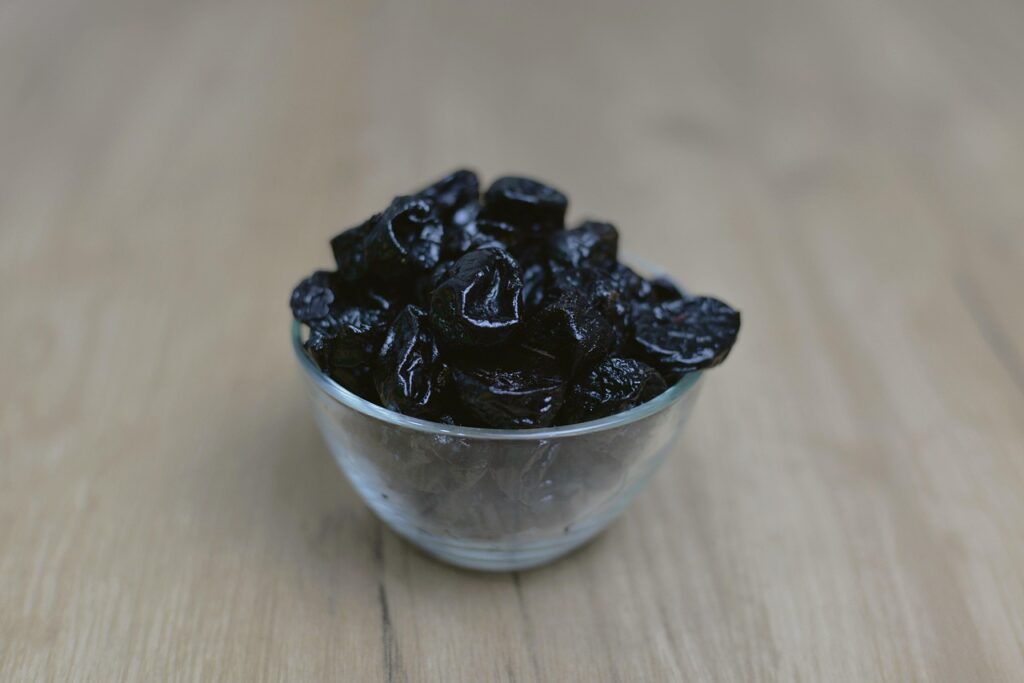
Prunes. A systematic review of prunes found they improve stool frequency and consistency. In one trial, 100 grams a day — roughly a small handful, about 9 to 10 prunes depending on size — beat psyllium. Start with 3 or 4 if that feels like a lot. The magic is fiber plus sorbitol. Sorbitol is a natural sugar alcohol. It pulls water into the colon and gets things moving. The prune trial called them safe, tasty, and worth trying first.
Kiwis. A 2023 international trial tested two green kiwis a day. People with constipation had about 1.5 more full bowel movements per week. They also felt less bloated. The kiwi study results were strong. Eat them with the skin on. That’s where much of the fiber lives.
These foods now appear in official guidance. The first dietary guidelines for constipation include kiwifruit, prunes, and rye bread. That’s a big deal for food-first advice.
Habit #4: Move After Meals
Physical activity helps prevent constipation. Large population studies link regular movement with lower risk. The NIDDK lists activity as part of its treatment plan too.
Let’s be honest about the science, though. Exercise alone rarely fixes a current episode. A small 2026 study found real gains. After four weeks of supervised exercise, stool form and symptoms improved. But the study was preliminary. More research is needed.
The most practical move? Walk for 10 to 15 minutes after meals. Eating triggers the gastrocolic reflex. That’s a natural wave of activity in your colon. Walking during that window helps the wave along. It’s a gentle nudge at exactly the right time.
Also, try a bowel schedule. Sit on the toilet 15 to 45 minutes after breakfast. That’s when the colon is most active. Give yourself 10 to 15 minutes. Don’t strain. If nothing happens, move on. Try again after lunch.
Habit #5: Try the Squat Posture
Here’s a free, zero-risk tip that most guides bury. A small classic study found squatting cuts straining. People also finished faster. Squatting is thought to straighten the angle at the rectum. That may let stool pass more easily. The squatting study had only 28 healthy volunteers. So it’s not the last word. But the NIDDK suggests a footstool too.
How to do it: place a small stool or stack of books under your feet. Your knees should sit above your hips. Lean slightly forward. Rest your arms on your thighs. Relax your belly. Then let your body do its thing. No straining. No forcing. No phones. Give yourself time and privacy.
The 3 Mistakes That Make Constipation Worse
Even with good habits, some choices can undo your progress. Avoid these three.
3 Mistakes That Make Things Worse
1. Reaching for stimulant laxatives first. Senna and bisacodyl work fast. But they can cause cramps. With regular use, they can create dependency. They’re for short-term, occasional use only.
2. Adding fiber without water. Fiber needs fluid to soften stool. Without it, you add more dry bulk to a dry system. That’s the opposite of constipation relief.
3. Ignoring the urge. When your body signals, don’t wait “until later.” Stool sits in the colon and loses water. Ignoring the urge trains your gut to stop signaling. Use the bathroom when your body asks.
Magnesium: Helpful, but Mind the Dose
Magnesium can be part of constipation relief. It works as an osmotic laxative. That means it pulls water into the intestines to soften stool. The 2023 AGA-ACG treatment guideline gives magnesium oxide a conditional nod for chronic constipation.
Now the safety part. The NIH Office of Dietary Supplements sets the safe upper limit for supplemental magnesium at 350 mg a day. Some websites suggest up to 2,000 mg. That’s about six times the safe limit. Don’t do that. High doses cause nausea, cramps, and diarrhea. Very high doses can be dangerous.
If you have kidney disease, talk to your doctor before taking magnesium supplements — magnesium is processed by the kidneys, and high doses can be unsafe. Also check before combining with antibiotics or other meds.
The safest route is food first. Leafy greens, beans, nuts, seeds, and whole grains are rich in magnesium. They’re also rich in fiber. Double win. If you try a supplement, choose citrate. Your body absorbs it better than oxide. Start low and stay at or below 350 mg.
Why Women Get Constipated More Often
If constipation relief has felt harder for you than for others, you’re not imagining it. The NIH data shows women get constipated more than men. Pregnancy and the weeks after birth are common triggers. Hormone shifts can slow digestion.
Iron supplements are another common culprit. That includes prenatal vitamins. Pelvic floor changes can also make the last step harder.
If you’re pregnant and constipated, talk to your provider. Ask if your iron dose can be adjusted. Stay hydrated and keep moving. But never take laxatives or magnesium during pregnancy without checking with your clinician. Some are not safe for you or your baby.
When Constipation Signals Something Serious
Most constipation is short-lived. But sometimes it’s a warning sign. The NIDDK says to see a doctor right away if you have constipation and any of these:
- Blood in your stool or bleeding from your rectum
- Constant, severe belly pain
- Inability to pass gas
- Vomiting or fever
- Lower back pain
- Losing weight without trying
- Symptoms that don’t improve with self-care
Also tell your doctor about any family history of colon or rectal cancer. Persistent changes in bowel habits deserve a check. It’s better to ask than to wonder.
The Bottom Line on Natural Constipation Relief
The best approach to constipation relief is the simple one. Drink enough water. Eat 22 to 34 grams of fiber, favoring soluble sources. Add prunes and kiwis. Walk after meals. Use a footstool. And give your body time.
Remember: daily pooping is a myth. Your normal is whatever works for you. No pain. No straining. No weeks of nothing moving. If these habits don’t help in a few weeks, see your doctor.
You deserve to feel light, comfortable, and regular. However that looks for you.
Related Articles You Might Enjoy
This article is for educational purposes and is not a substitute for professional medical advice. Always consult your healthcare provider before starting new supplements or if you have persistent symptoms.