

Why You Shouldn’t Cook with Hot Tap Water
Hot tap water can carry more lead, metals, and microplastics than cold. Learn why experts say to start with cold — and the simple swaps that keep your meals safer.
Why eating whole, minimally processed foods supports women’s long-term health.
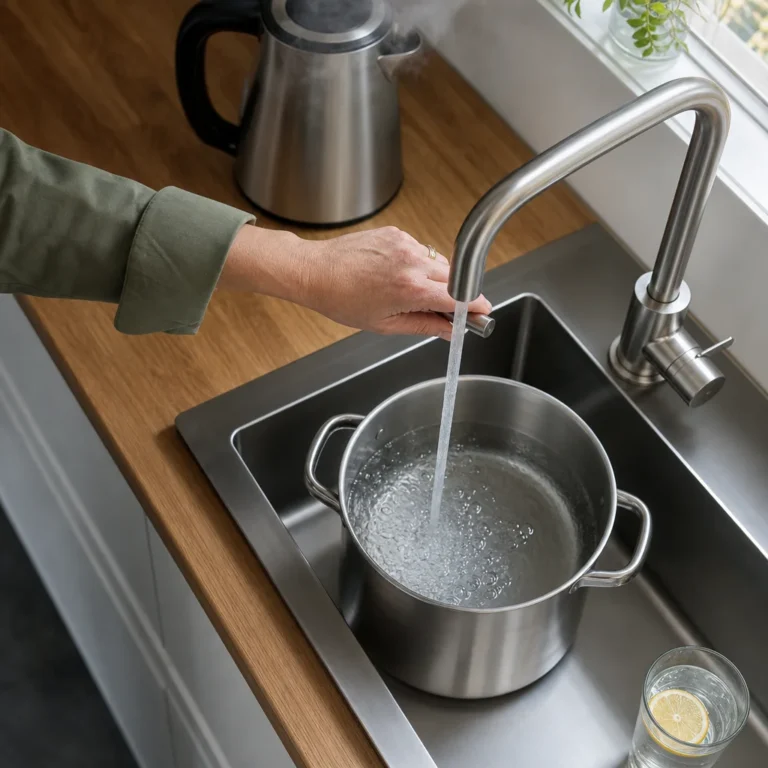
Hot tap water can carry more lead, metals, and microplastics than cold. Learn why experts say to start with cold — and the simple swaps that keep your meals safer.

For 42 years, the age-6 rise in childhood BMI was treated as an obesity warning sign. New research using waist-to-height ratio suggests it’s actually normal muscle growth. Here’s what parents should track instead.
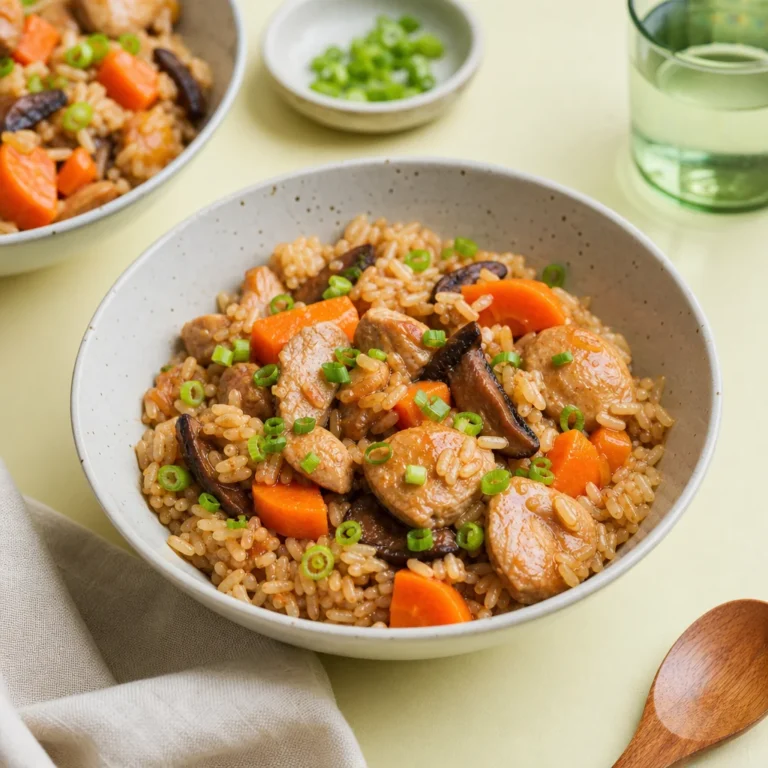
Healthy rice cooker meals go beyond plain rice: build one-pot plates with whole grains, lean protein, and steamed veggies, plus safe delay-timer breakfasts.
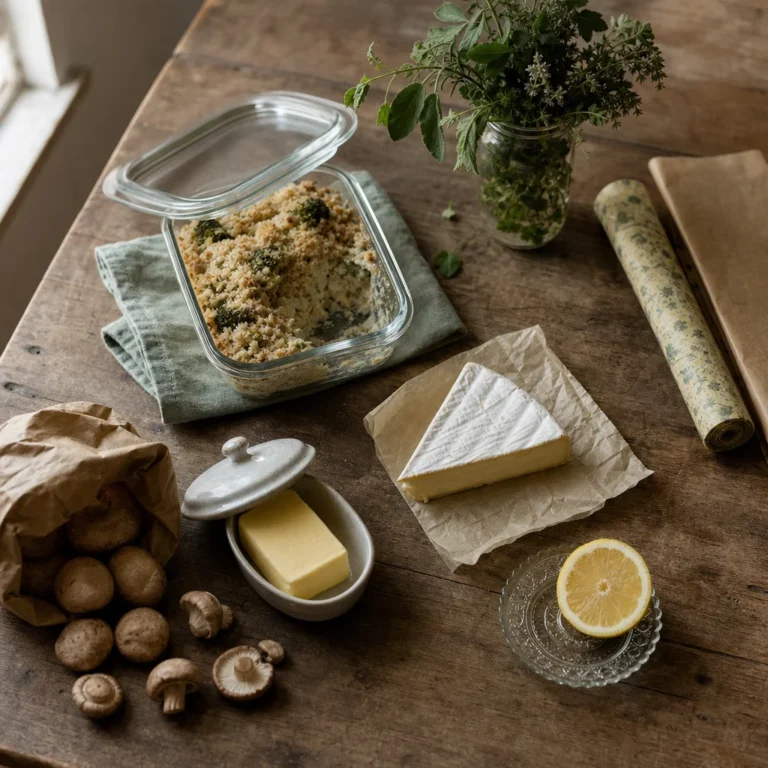
Hot leftovers, butter, and mushrooms keep better without plastic wrap. Which plastic wrap alternatives work best — and when is wrap still fine?
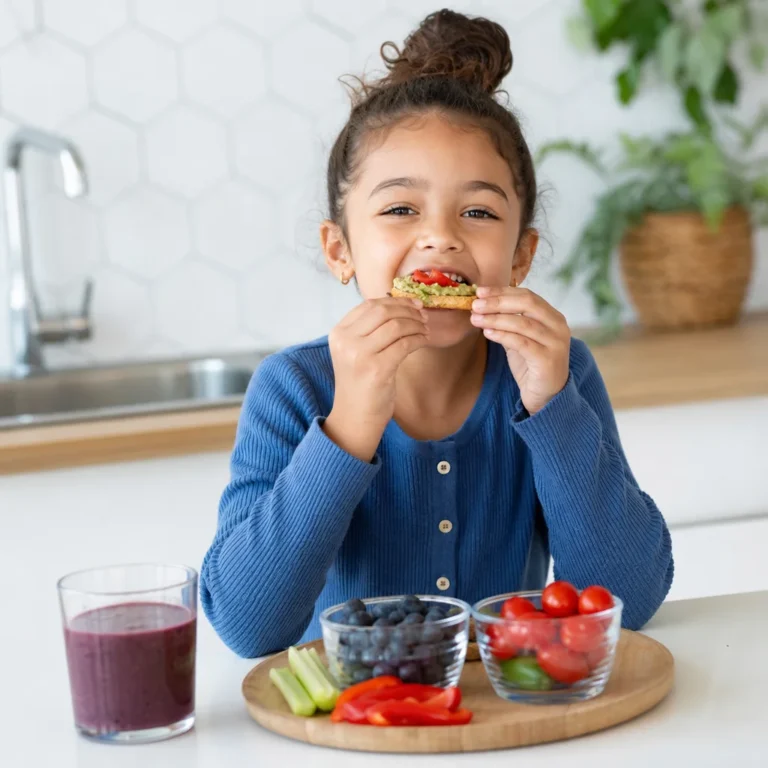
The “snack all day” advice isn’t outdated — grazing is. Here’s how many snacks kids really need by age and how to reset your family’s snack routine this week, backed by the science.
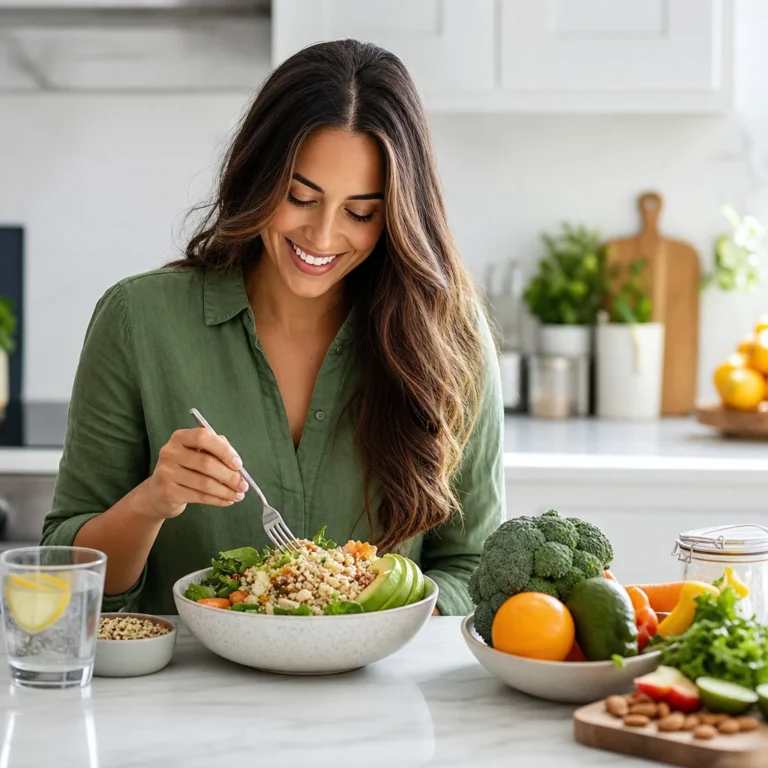
Most women eat only 15–17 grams of fiber a day — barely two-thirds of the 25-gram target. Here’s why fiber is the one nutrient to track and how to reach it without bloating.
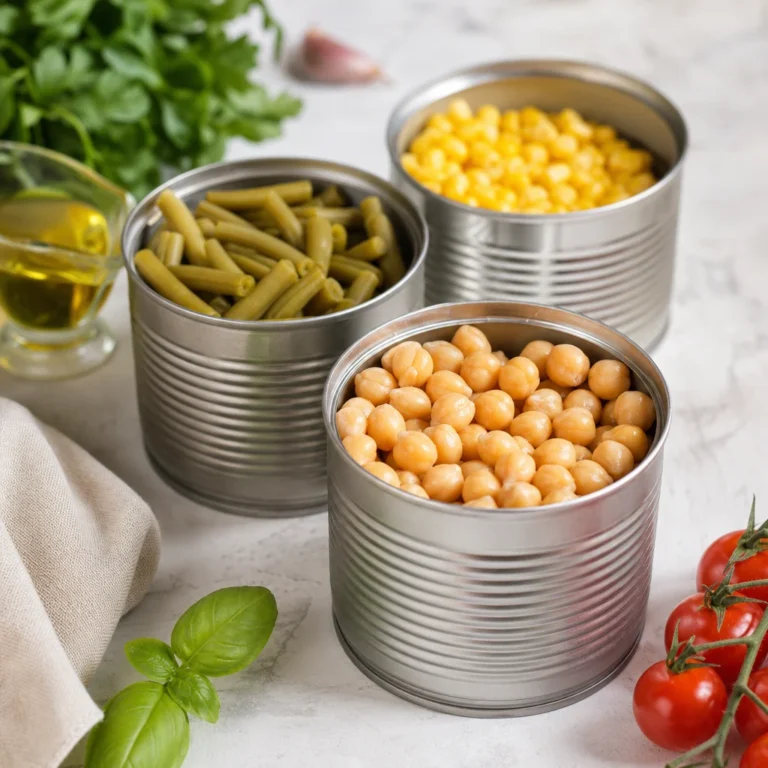
Canned foods can be just as nutritious as fresh — sometimes more so. Discover four dietitian-approved canned staples and how to choose them wisely.
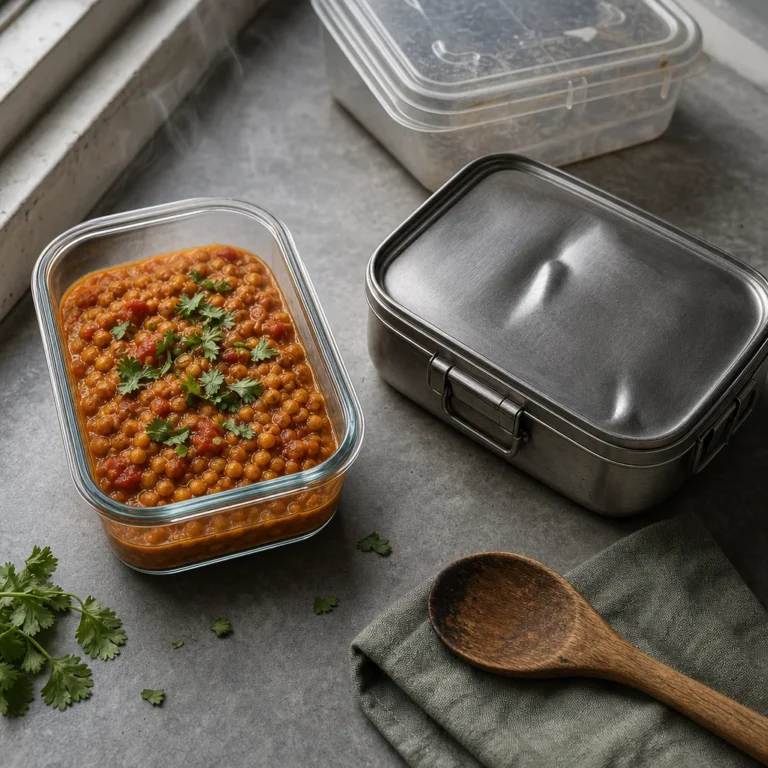
Toxicologists explain what “non-toxic” food storage really means — it’s about migration, not presence. Here’s what to buy, what to keep, and which swaps matter most.
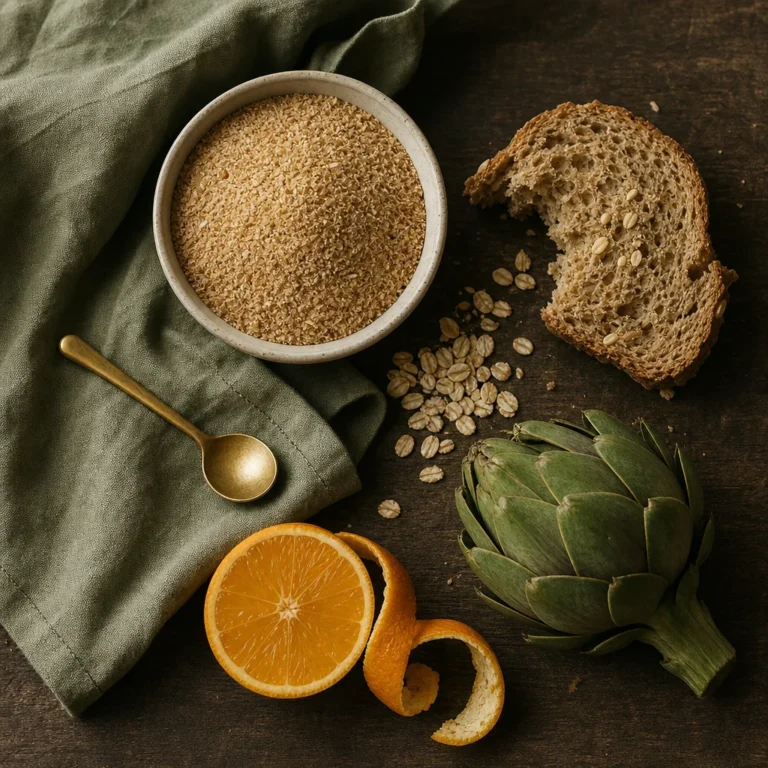
Lab research suggests ferulic acid in rice bran may calm overactive gut contractions — promising for diarrhea-predominant IBS, but human trials are still needed. Here’s what to know before you reach for supplements.
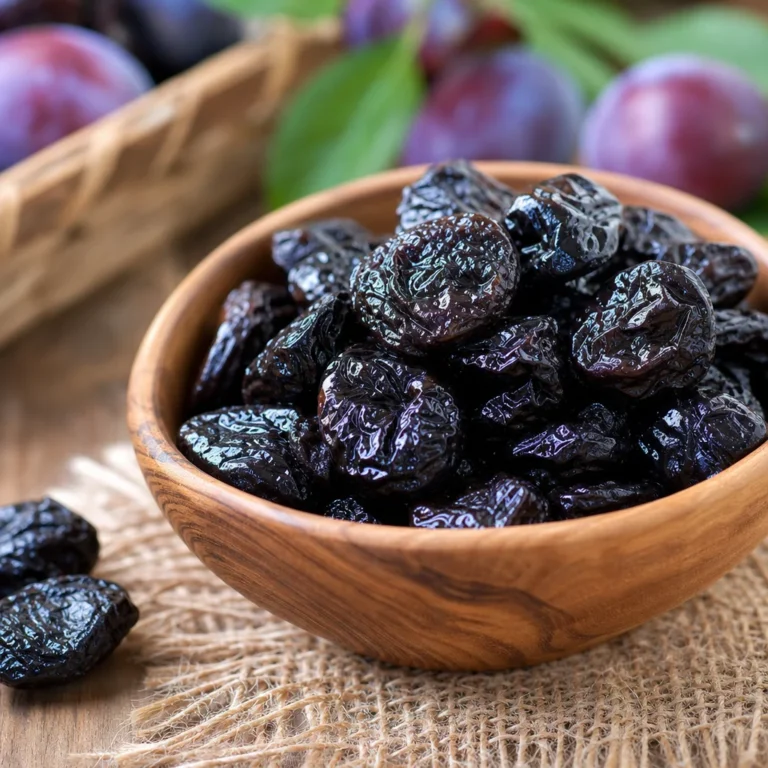
Prunes are the best-evidenced dried fruit for constipation. Learn how many to eat, how to ramp up without bloating, and when to see a doctor.