

Creatine for Muscle Growth: What the Science Really Says
Creatine for muscle growth works best with strength training. Here’s what the science says about dosing, women’s results, and safety.

Creatine for muscle growth works best with strength training. Here’s what the science says about dosing, women’s results, and safety.

Most healthy adults over 60 need 1.2–1.6 g of protein per kilogram daily to protect muscle. Here’s how to hit your target with real food and strength training.

New brain scans link closer MIND diet adherence to about 2.5 years of slower brain aging. But a three-year trial found no clear edge over a low-calorie control diet. Here’s what the evidence really shows — and the swaps worth making tonight.

Stress and aging are measurably linked. Here’s what the research shows about the invisible stressors — air pollution, noise, night-time light, money strain and loneliness — and what you can realistically do about them.
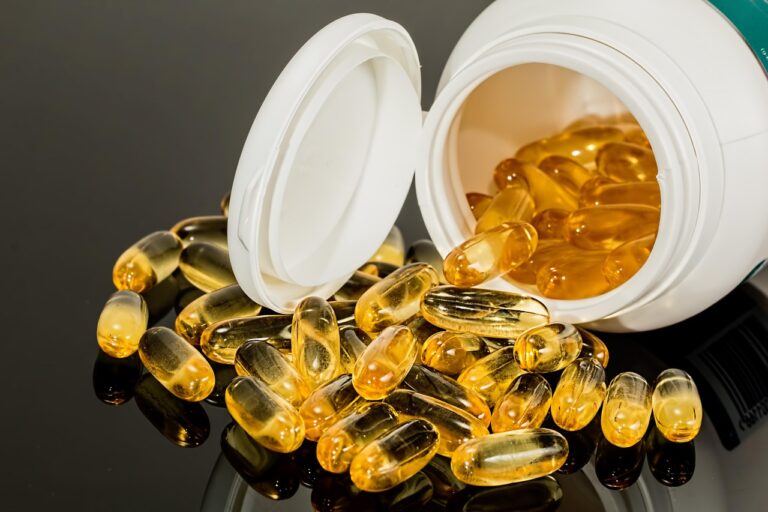
We graded the five most-hyped supplements for longevity on real trial evidence — with doses, ceilings, food-first swaps, drug-interaction flags, and an honest “what to skip” list.

A 2026 study found the average product listed 16 ingredients but contained 51 detected chemicals — and 26% contradicted a claim on their own label. Here is why the label fails, why detection is not exposure, and what you can actually trust.

Early menopause is linked to faster memory decline and an earlier Alzheimer’s diagnosis — but the effect is modest. Here’s what the research really shows, why surgical and natural menopause differ, and the evidence-backed steps that protect your brain.

Facial volume loss is structural, not a surface problem — which is why most creams and serums disappoint. Here is what the evidence says about viral topicals, the daily habits that genuinely help, and when to see a dermatologist instead of self-treating.

Sprint interval training packs short, all-out efforts into a session you can finish on a lunch break. Here is what new blood research suggests about intensity, plus a realistic beginner progression, recovery rules, and who should get medical clearance first.

Positive age beliefs are linked to lower dementia risk, but the effect is modest and every study is observational. Here’s what the research really shows, where the limits are, and how mindset actually does its work.