

Spice Storage: 6 Habits That Keep Flavor Alive
Ground spices peak at 6 to 12 months while whole spices hold their punch for 2 to 4 years — and moisture is the one storage mistake that can turn a merely dull spice into a spoiled one.
How antioxidant-rich foods protect against inflammation and support women’s wellness.
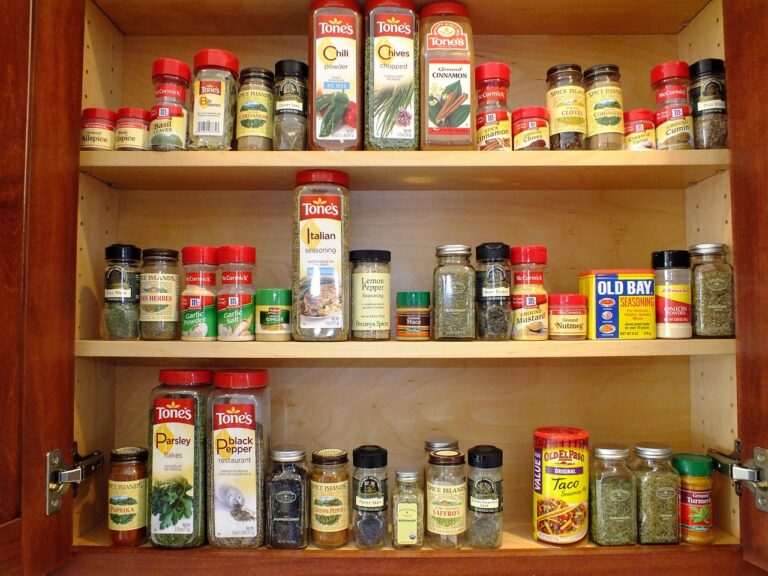
Ground spices peak at 6 to 12 months while whole spices hold their punch for 2 to 4 years — and moisture is the one storage mistake that can turn a merely dull spice into a spoiled one.
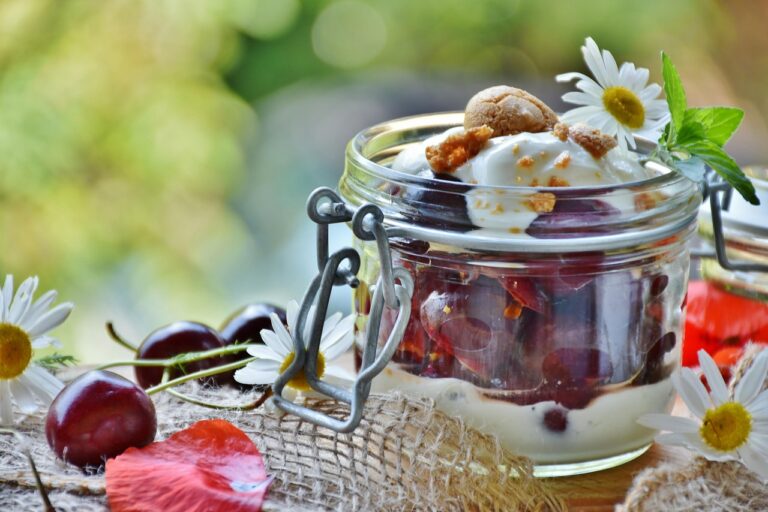
Tart cherry for sleep has a genuine mechanism and genuinely mixed evidence. Here is what the studies found, the popular dose that failed in a randomized trial, and a no-added-sugar way to test it for yourself in two weeks.
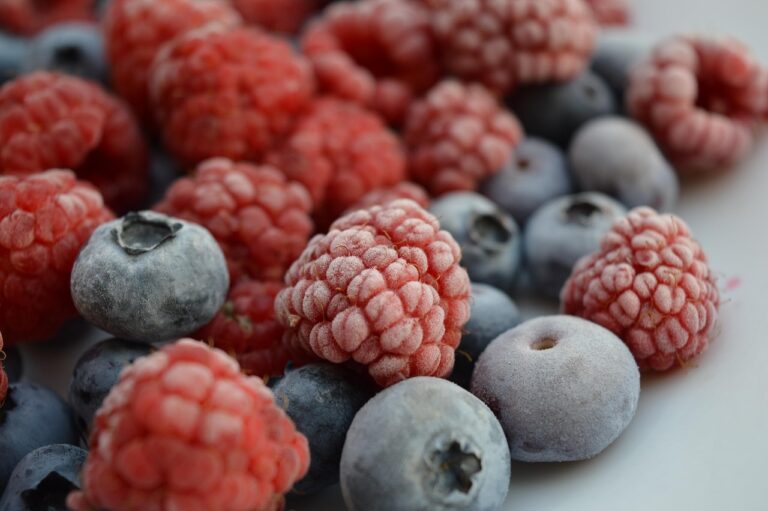
Yes, fruit raises blood sugar — but how much and how fast depends on fiber, form, and what you eat it with. Here’s the evidence-backed playbook for enjoying fruit without the spikes.

Even light drinking raises alcohol and cancer risk — especially breast cancer in women. Here’s what the science really says, the real per-100 numbers, and how cutting back (not quitting completely) can lower your risk.
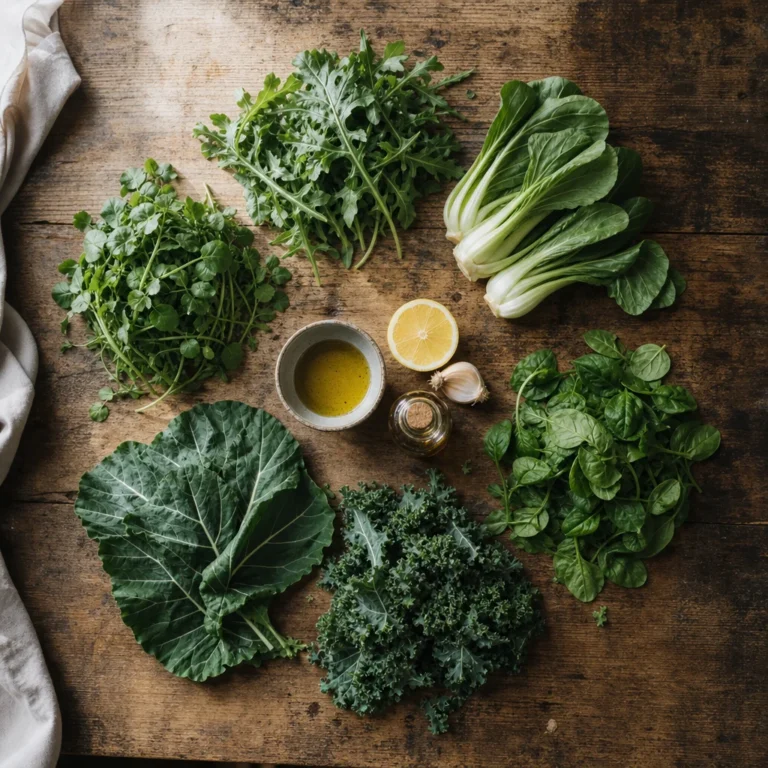
Watercress, bok choy, spinach, kale, collards and arugula — the six most nutrient-dense anti-inflammatory leafy greens, plus how to cook each one to keep the benefits and a simple weekly rotation plan.
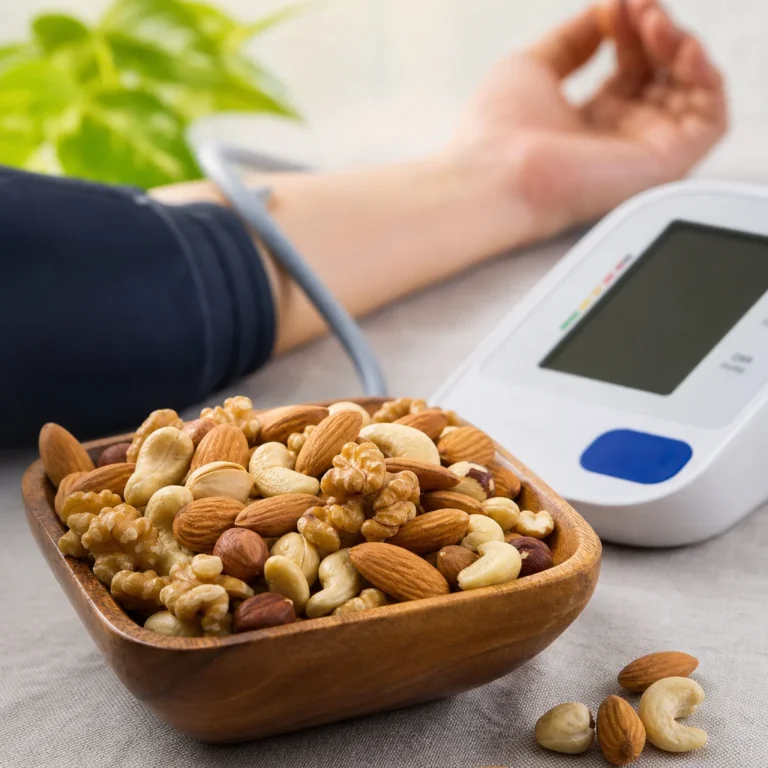
New research links a daily handful of nuts to a 20% lower risk of high blood pressure. Here’s what the science really shows — and how to snack smarter for heart health.
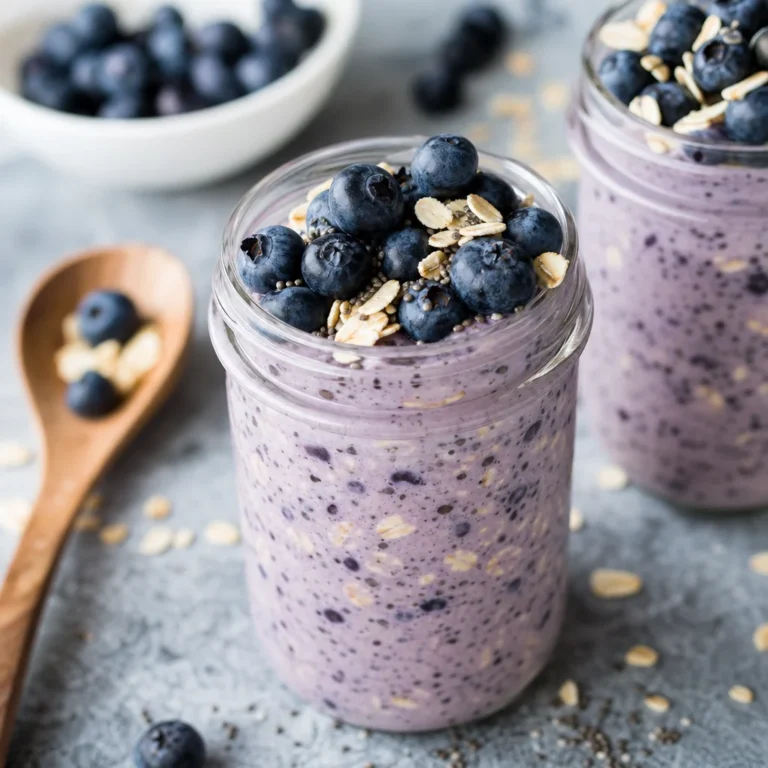
Science-backed healthy blueberry recipes: the benefits of anthocyanins, the fresh vs frozen truth, storage tips, and 10+ sugar-smart breakfast, snack and dessert ideas.
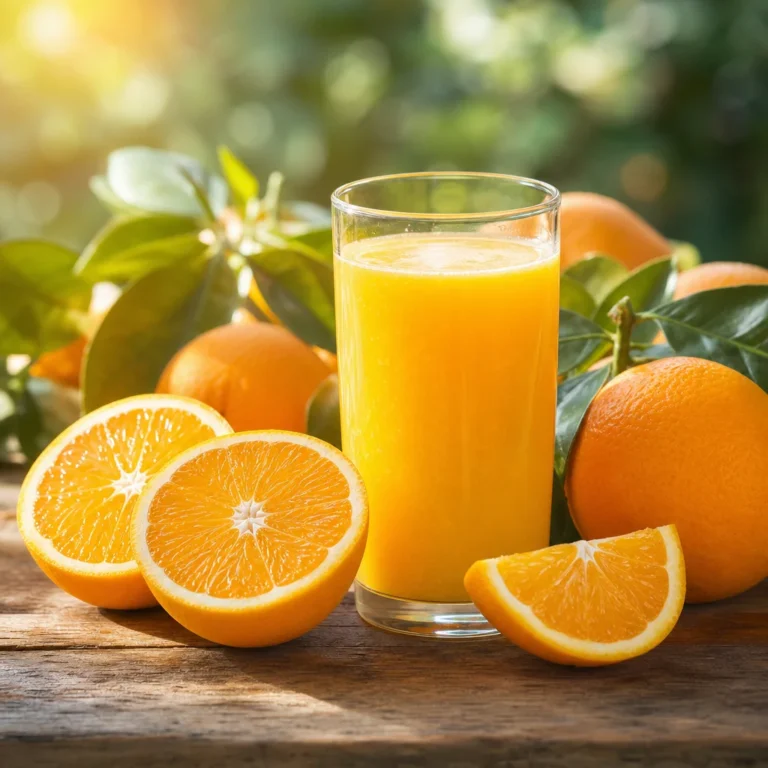
Orange juice benefits are real but modest. New research shows a daily glass may support blood pressure and calm inflammation. Here’s how to drink it smartly — portion math, pairings, and the honest sugar caveat.
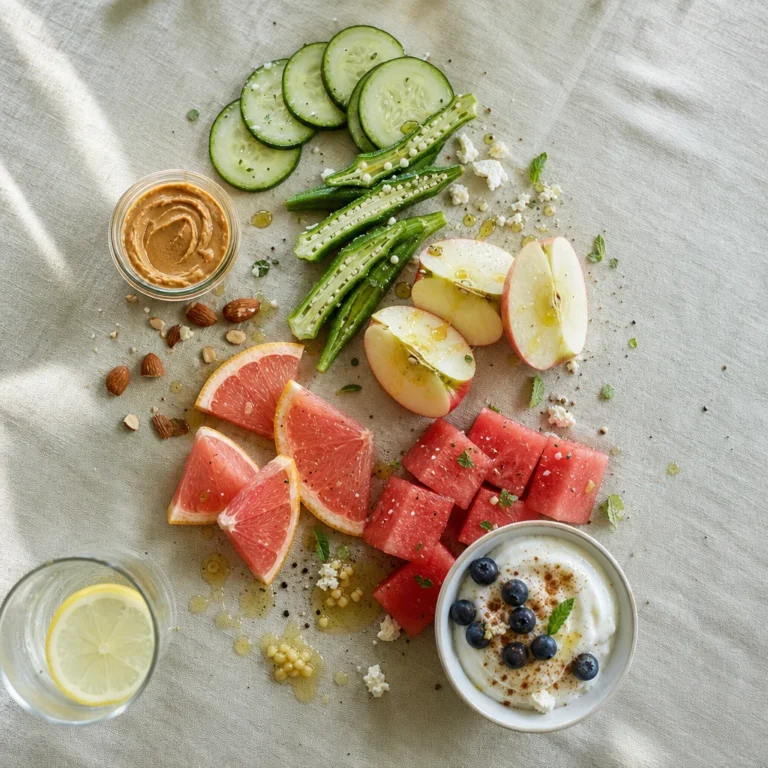
Food provides about 20% of your daily water — and these 6 hydrating foods for blood sugar do double duty. Get dietitian-approved picks, smart pairings, and a same-day plan.
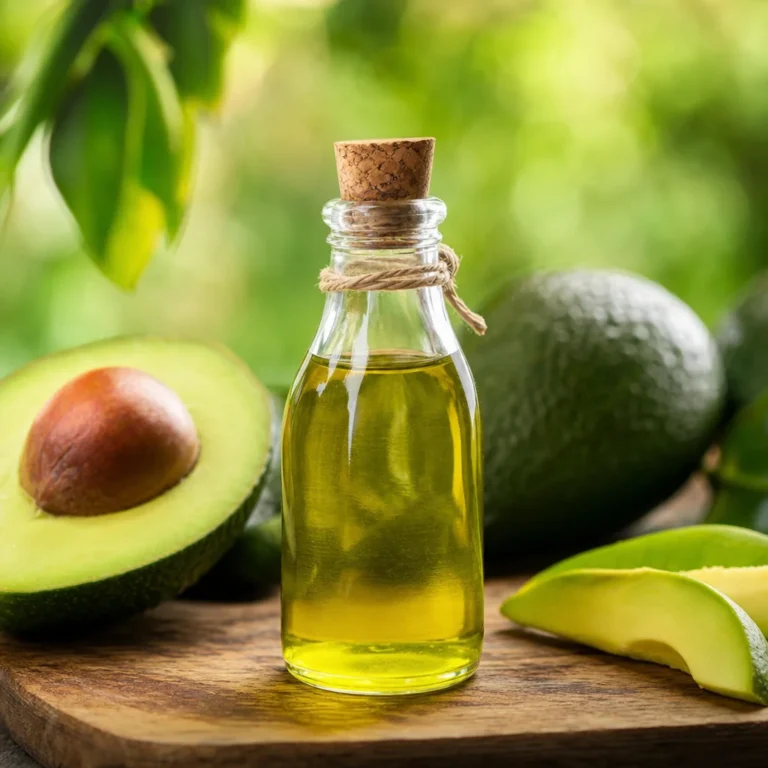
A 2026 UC Davis study found 89% of “100% avocado oil” foods were cut with cheaper oils. Here’s how to buy verified pure avocado oil — plus a 5-minute homemade avocado mayo.