

Spice Storage: 6 Habits That Keep Flavor Alive
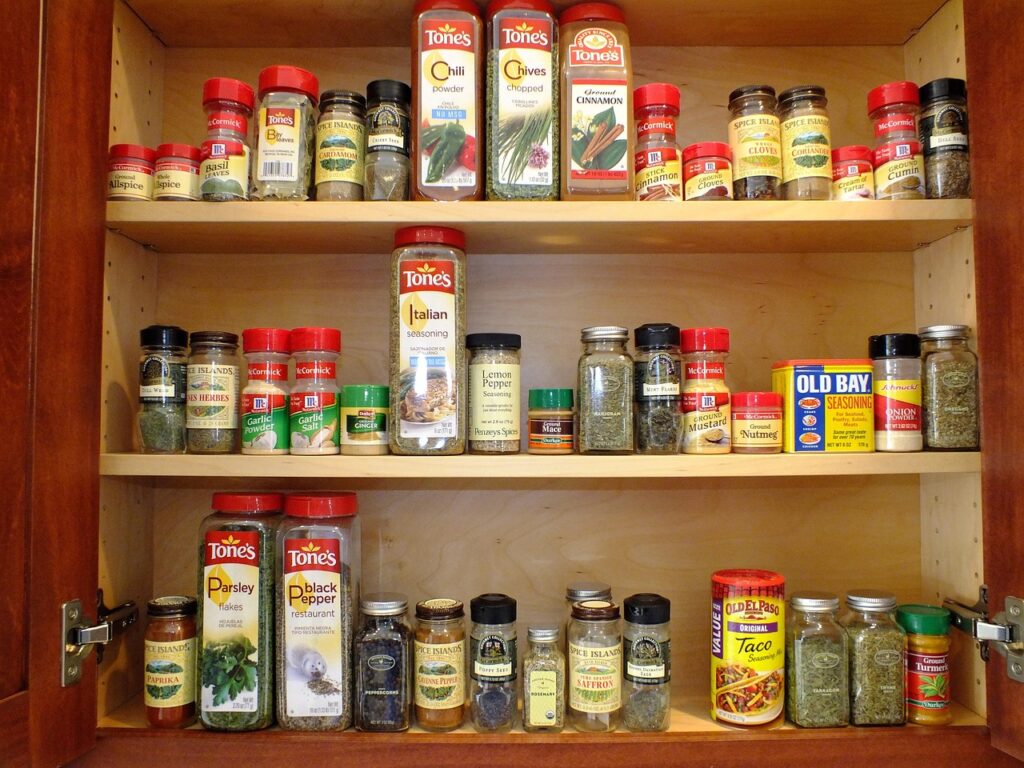
Key Takeaways
- Ground spices peak for about 6 to 12 months. Whole spices keep their punch for 2 to 4 years.
- Heat, light and air steal flavor. Moisture is the only one that can also make a spice unsafe.
- Jars kept above the stove or beside the dishwasher fade faster than anywhere else in the kitchen.
- Never shake a jar over a steaming pot. Steam puts water inside, and water invites mold.
- Your nose beats the printed date. Crush a pinch, smell it, and trust what you find.
Reach into your cabinet and pull out the cumin. Crush a pinch between your fingers. Does it smell warm and sharp, or like dust? That tiny test tells you more about your spice storage than any date printed on the jar.
Here’s the thing about spices. They don’t rot the way leftovers do. They fade. The oils that carry their scent and flavor slowly disappear, and you keep cooking with them anyway.
This guide covers what actually protects those oils. You’ll also learn which habits quietly wreck them. And you’ll know exactly when a jar has earned its spot in the bin.
Quick Answer: What’s the Best Way to Store Spices?
Good spice storage comes down to four habits. Buy only what you’ll finish within about a year. Keep jars sealed and airtight. Store them cool, dark and dry, away from the stove. And keep water out, because moisture is the one thing that can turn a stale spice into a spoiled one.
Why Spice Storage Matters More Than You Think
Flavor in spices comes from volatile oils. “Volatile” means they evaporate, and that’s the whole story. Cloves carry eugenol. Cinnamon carries cinnamaldehyde. Black pepper carries piperine.
Those compounds sit locked inside plant cells until you break them open. Grinding cracks every cell at once. Ground spice has already released those oils. So ground cumin dulls quickly, while the intact seed in the next jar stays potent until the moment you crush it.
So this isn’t really a housekeeping chore. It’s about protecting oils you already paid for. A dull jar is money sitting in your cabinet doing nothing at all.
The Most Common Mistake: Jars Live Next to the Stove
Picture almost any kitchen. The spice rack hangs on the wall beside the range, or sits in the cabinet directly above it. Convenient? Absolutely. It’s also the hottest spot in the kitchen.
Location is the part of spice storage that goes wrong most often. Every burner you light pushes warm, damp air straight up into that cabinet. Penn State Extension puts it plainly: a spice rack above the stove quickly reduces the quality of those flavorings.
Your dishwasher is a quieter version of the same problem. So is a sunny windowsill. The heat a dishwasher throws off during a cycle also reaches whatever drawer sits beside it.
Where should jars go instead? Look for a cool, dark, stable spot. An interior cabinet, a dedicated drawer, or a pantry on an inside wall all work well.
The goal is steady temperature, not a precise number. Constant fluctuation stresses spices more than a slightly warm afternoon ever will.
Moisture: The One Enemy That Becomes a Safety Problem
Heat, light, air and moisture all steal from your spices. But they don’t steal equally. Heat and light wreck flavor. Air carries oils away. However, moisture is the part of spice storage that can also make a spice unsafe.
Here’s the habit to drop today. Stop shaking a jar directly over a steaming pot. Steam enters the jar, condenses, and leaves water behind. That’s how clumping starts, and that’s also how mold starts.
The University of Maine Cooperative Extension spells out the stakes. Moldy spices can produce mycotoxins, toxic compounds linked to liver damage and immune harm. Their guidance is simple: keep spice humidity below 70 percent and use airtight containers.
Does that mean you should fear your spice rack? Not at all. A dry, faded spice is a flavor problem, not a health problem. The risk concentrates in specific spices under specific conditions.
A 2025 review in Toxins flagged chili, paprika, ginger and pepper as the higher-risk group. And a separate 2025 study detected ochratoxin A in 84 percent of capsicum spice samples tested. Those numbers sound scary until you remember dose and storage conditions matter.
What protects you is unglamorous. Dry spoons. Clean fingers. Measuring into a small bowl instead of over the pan. Those three habits close the door on accidental moisture.
Should You Ever Put Spices in the Fridge or Freezer?
The cold-storage question confuses more readers than any other part of spice storage. You’ve probably read that chilling spices is a myth. You may also have read that freezing extends shelf life. Both claims float around, and both are half right.
The mechanism is the same either way. When a cold jar warms up, condensation forms inside it. Water on your spices is exactly what you’re trying to avoid.
Our rule is simple. Skip the fridge and freezer for ground spices and dried herbs. Their fine particles grab condensation, and you gain nothing.
Whole spices are different. Penn State Extension confirms spices and herbs can go in the freezer. Just bring them fully to room temperature before opening. So sealed whole peppercorns and cinnamon sticks handle the cold fine.
Want zero risk? A cool, dark cabinet works for everything. When in doubt, skip the fridge entirely.
Fresh aromatics follow their own rules, though. If you keep fresh ginger on hand, our guide to fresh ginger storage covers the fridge side of that question.
How Long Do Spices Really Last?
Search this topic and you’ll find numbers that don’t match. One source says six months. Another says four years. Both can be true, because they are measuring different situations.
A best-by date describes a sealed jar sitting in reasonable conditions. Practical guidance describes an opened jar shaken over a hot pan. As a result, those numbers describe two different products.
The honest answer is a range with three tiers. Ground spices peak around 6 to 12 months. Penn State Extension suggests evaluating ground spices and all dried herbs after six months. Whole spices hold their character for roughly 2 to 4 years, and whole cloves, nutmeg and cinnamon sticks often keep beyond two years.
Your spice storage choices decide where you land inside those windows. That’s why two kitchens can buy the same jar and get very different results.
Dried herbs run on a shorter clock. Ohio State University Extension gives them about one year at good quality.
Peak Flavor Windows at a Glance
- Whole spices (peppercorns, cumin seeds, coriander seeds, cinnamon sticks, nutmeg): roughly 2 to 4 years
- Ground spices (cumin, coriander, cinnamon, turmeric): peak at 6 to 12 months, check at six
- Dried herbs (oregano, thyme, rosemary): about 1 year
- Blends (curry powder, chili powder): fade fastest — a blend is only as fresh as its fastest-fading ingredient
- Salt: never spoils, but clumps once it grabs moisture
What to Look For in a Jar
You don’t need a matching set. You need a real seal. A rubber gasket, a clamp closure or a solid screw top seals far better than a flip-top or a cork.
Glass is the safest bet. It neither picks up the smell of whatever was in it before nor alters the taste of what you put in it. Amber or dark glass cuts more light than clear glass does. Meanwhile, storing clear jars inside a cabinet solves the light problem for free.
Container size matters more than most cooks realize. A giant jar holding two tablespoons of spice is mostly air, and air carries oils away. Match the container to the amount you actually keep on hand.
Here’s a quiet win for spice storage. Keep one small airtight jar for daily cooking and store your backup supply sealed in a dark spot. Refill as needed, and your main stock stays fresh longer.
Your Five-Minute Freshness Audit
Set a timer twice a year and walk through your collection. First, crush a pinch of each spice in your palm and smell it. If the scent is faint or gone, the flavor likely went with it.
Next, check the color. Paprika should look brick red and turmeric bright gold. However, don’t trust color alone, because a spice can still look vivid while smelling tired.
Then press the jar. Clumps mean moisture found its way in. If a chili-family spice is clumped or smells musty, throw it out.
Finally, taste a tiny pinch. Good cumin registers as warm with a faint bitter edge. Stale cumin tastes like paper. A jar that fails the smell test isn’t dangerous, but it also isn’t helping your cooking.
This whole spice storage routine takes about five minutes. Do it in spring and fall, and you’ll never cook with spices that have gone flat again.
Better Flavor, Less Salt: The Health Payoff
Now for the part most pantry advice skips. Fresh, aromatic spices make food taste saltier than it actually is. That’s not a trick. It’s just how your nose and tongue work together.
A 2025 review describes the mechanism. Aroma reaches your nose from the back of your throat and boosts perceived saltiness. Pungent heat does something similar. In lab food settings, aroma alone supported sodium cuts of up to 75 percent. Pungent heat added up to 39 percent.
Keep the honest caveat, though. Those percentages come from test kitchens, not long-term diet studies. Nobody has proven you’ll lower your blood pressure by grinding your own pepper.
Still, the direction is useful. Cooks who reach for cumin, smoked paprika or oregano lean less on salt and bottled sauces. Ohio State University Extension makes the same point about herbs, noting they add flavor without adding salt, sugar or fat.
Here’s the kicker. Faded spices deliver less aroma, and less aroma means less flavor lift. So poor spice storage works directly against your efforts to eat healthier.
One more thing worth knowing. A screening of more than 3,500 foods found that herbs and spices are the most antioxidant-dense category measured. Dried, ground clove topped the list. Interestingly, dried herbs often measured higher than their fresh versions.
That’s a good reminder that storage shapes what you actually get from a food, which is the same case we make in our piece on leafy greens longevity.
However, don’t turn that into a health promise. The same researchers warn that lab antioxidant content doesn’t equal activity inside your body. And they found no benefit from antioxidant supplements. Treat this as one more reason to protect your spices from light and heat, not as a reason to buy pills.
Frequently Asked Questions
Do old spices make you sick?
Usually no. A faded, dry spice is a flavor issue, not a safety one. The exception is moisture. Clumped, musty or visibly moldy spices, especially chili and paprika, should be thrown out rather than rescued.
Can I keep spices in the refrigerator?
Not recommended for ground spices or dried herbs, because condensation forms each time you open the cold jar. Whole spices can go in the freezer if they are sealed well and brought fully to room temperature before opening.
How do I stop clumping?
Keep the lid sealed, use dry spoons, and never shake over steam. If a spice has already clumped, moisture got in. Skip the old rice-grain trick and use a food-grade desiccant packet, or simply move the spice into a smaller jar with less headspace.
Where should I buy spices?
Buy from a retailer you trust. University of Maine Cooperative Extension recommends trusted shops and specialty spice sellers, because they are more likely to source from suppliers with established food-safety practices. Our own tip: shops that turn stock quickly tend to be a safer bet. And for shelf-life questions on specific foods, the USDA FoodKeeper app is a free, reliable reference.
The Bottom Line
Fresh spices are one of the cheapest upgrades available to a home cook. They add aroma, depth and color without salt, sugar or bottled sauces.
And none of this requires new equipment. Buy small. Buy whole when you can. Seal everything tightly. Store it cool, dark and dry, far from the stove. Keep water out of the jar.
The same airtight, cool-and-dark habits carry across the kitchen, too. They’re what keeps berries fresh for weeks instead of days, and what keeps cut avocados fresh instead of brown by morning.
Then check in twice a year. If you build one lasting habit around spice storage, make it the sniff test. Your nose figures it out long before the label does.