Sleep and Brain Health: 4 Patterns That Protect Your Mind
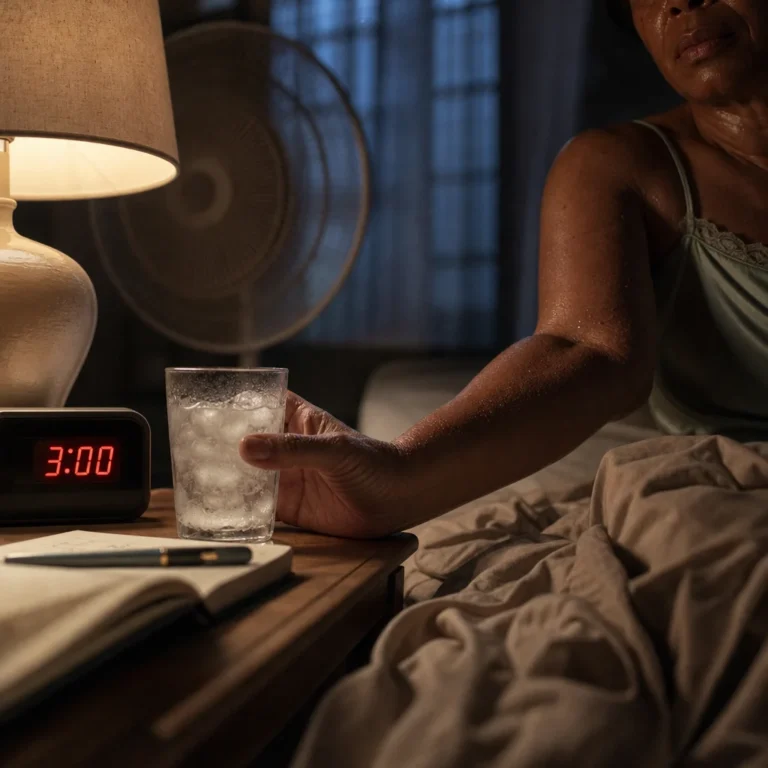
Your brain does its best work while you sleep. Here’s what happens overnight — and the 4 sleep pattern updates that protect long-term cognition.

Your brain does its best work while you sleep. Here’s what happens overnight — and the 4 sleep pattern updates that protect long-term cognition.

Your birthday is a fixed number — but biological aging is flexible. Here’s what really shapes how your body ages, and the no-cost habits science supports.

Cutting protein to live longer is a viral trend experts say backfires. Here’s what science really says about protein and longevity — and how much you need.

Women’s memory decline may begin earlier than we realized — but most midlife slips are normal. Here’s what the emerging blood-test science can and can’t tell you, plus the evidence-ranked habits that actually protect your memory.

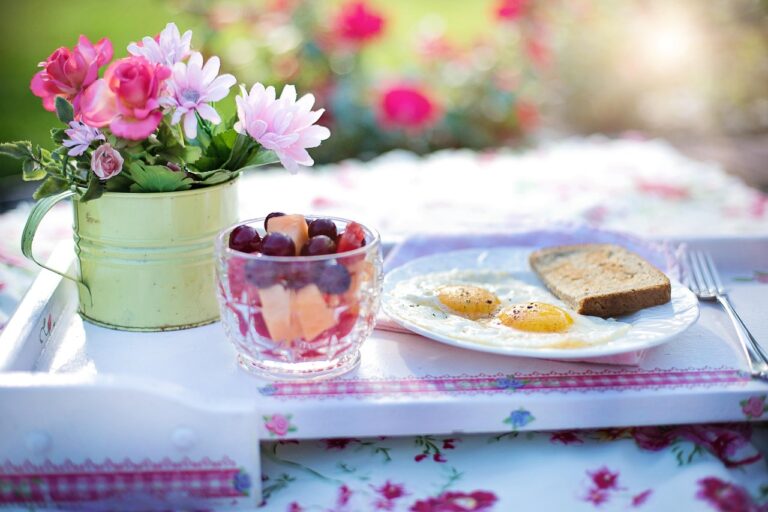
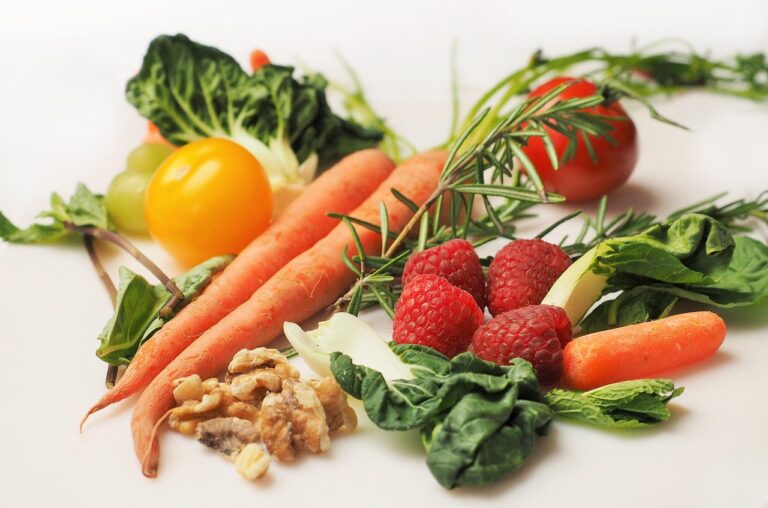
Vegetable-rich meals, consistent meal times, and a 12–14 hour overnight fast — the eating habits for longevity that science actually supports. Three free daily shifts you can start today.

The liver brain connection is real science: exercise signals your liver to release a protective enzyme for your brain. Here’s what’s proven, what’s not, and how to use it today.

Everyday traffic noise is linked to a higher risk of cognitive decline. Here’s how noise reaches your brain — and the daily habits that actually help protect it.

The healthspan vs lifespan gap is widening — and women lose 12.1 healthy years. Here’s what the new research says and how to add years you can actually enjoy.

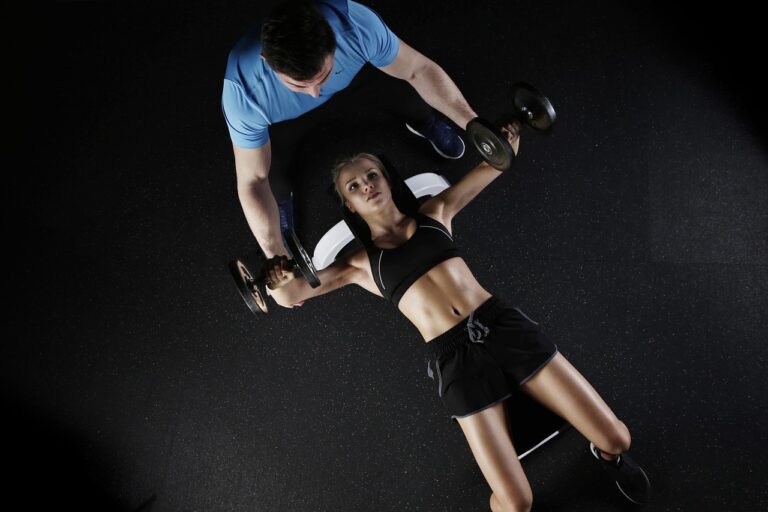
Learn why eating protein at every meal — not just dinner — is the simple shift that helps women over 50 maintain muscle strength, energy, and independence. Includes a sample day, protein target calculator, and 3 easy swaps.

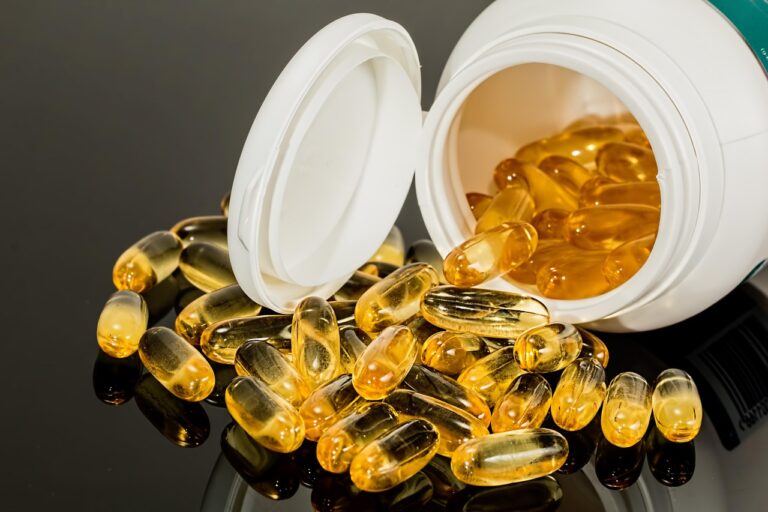
Is low vitamin D causing your muscle loss? Learn how vitamin D deficiency contributes to age-related muscle loss, what blood levels to target (30–50 ng/mL), and how D3, magnesium, and protein work together to protect your strength.