

Anti-Inflammatory Spices: What Actually Helps Your Heart
Anti-inflammatory spices help your heart most by replacing salt, not by fighting inflammation. Here’s what the evidence actually shows, how much to use, and where the capsule risks sit.
How chronic inflammation affects women’s health and evidence-based ways to reduce it.
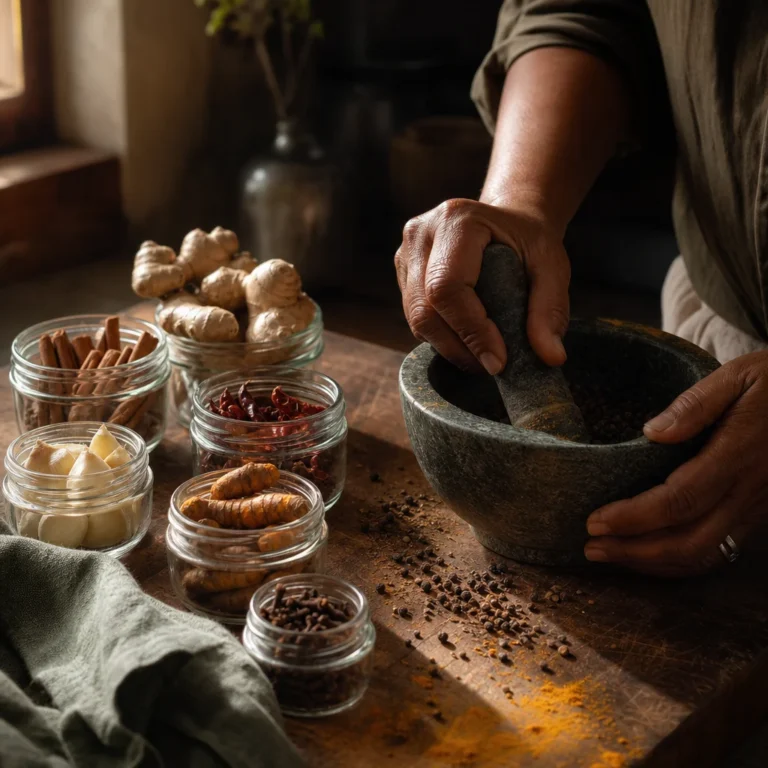
Anti-inflammatory spices help your heart most by replacing salt, not by fighting inflammation. Here’s what the evidence actually shows, how much to use, and where the capsule risks sit.
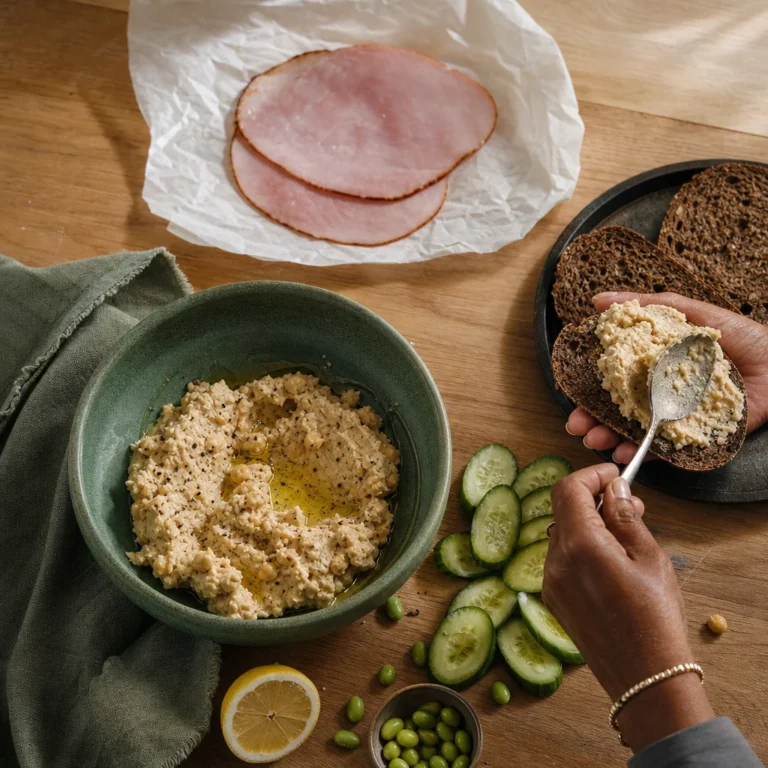
The 18% figure and the 7% figure are both honest — they just answer different questions. Here is what 50 g of deli meat actually looks like, why “nitrate-free” is not a safety pass, and the swaps that lower your weekly total without gutting your lunch.
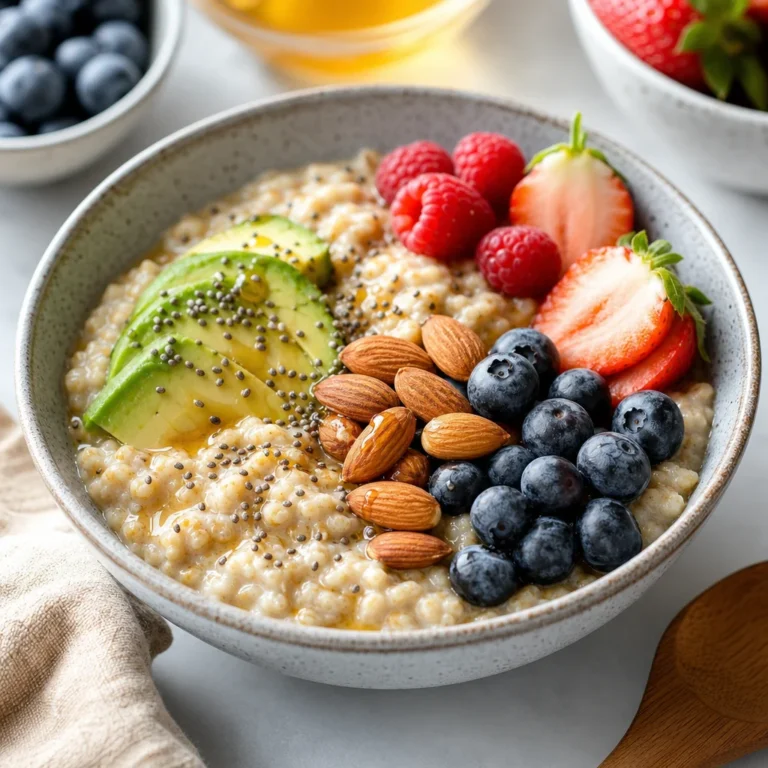
Protein and fiber do different jobs at breakfast. Here are the targets that actually matter, a five-slot formula you can build without a recipe, and the honest limits of what anti-inflammatory eating can do for your energy and your weight.
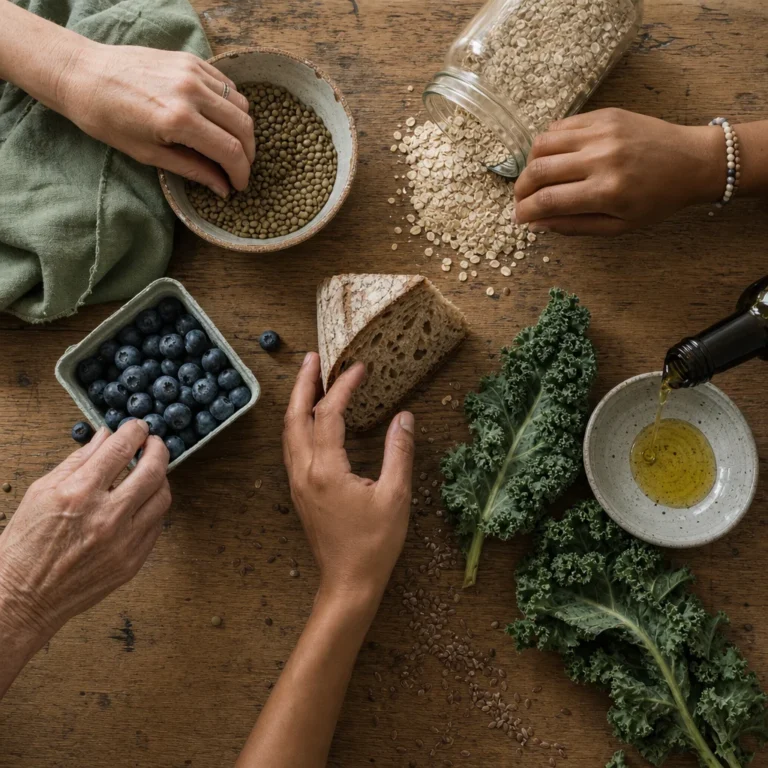
Ten diets for slower aging were all linked to slower biological aging in a 7,500-person study. But the real gap is about a year, not a decade — and a twin study suggests the link is smaller than headlines claim. Here are the five habits every pattern shares, and where to start this week.

A 6,607-person international survey found women with autoimmune disease wait far longer for a diagnosis than men — and are much more likely to have symptoms dismissed as emotional. Here’s what the data shows, why vague illnesses get read as anxiety, and the symptom timeline and four questions that make a difference.
Mouse studies link polyethylene microplastics to worse fatty liver — but no human study shows cause. Here’s what the evidence really says, the dose gap nobody mentions, and the steps ranked by how strong the science is.
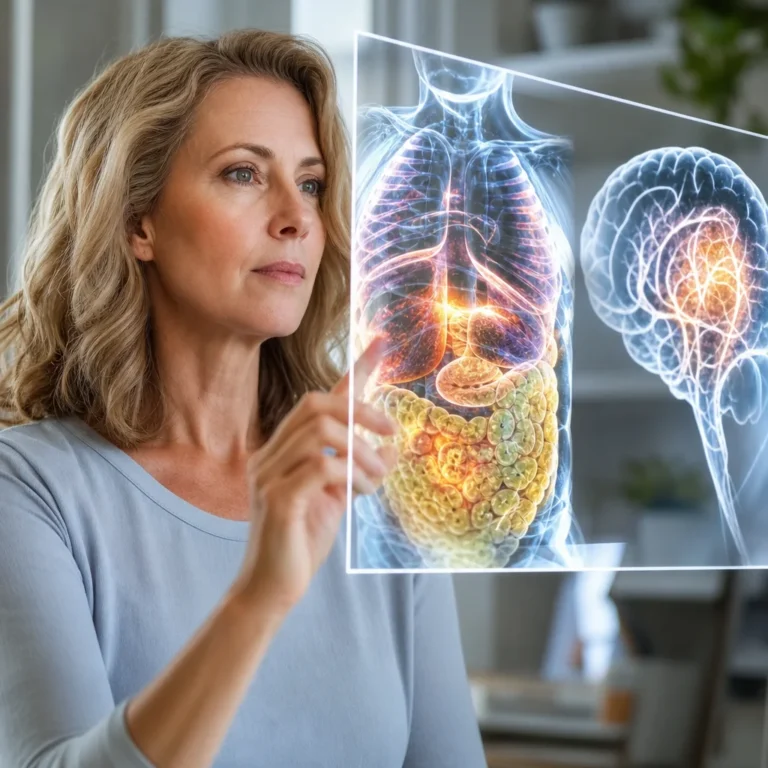
The belly fat you can’t see may be talking to your brain. Here’s what the research on visceral fat and dementia really shows — plus simple at-home ways to check and lower your metabolic risk this week.
A small JAMA Psychiatry study found that sharply cutting ultra-processed food intake was linked to lower depression and anxiety scores — and the distinction between “processed” and “ultra-processed” matters. Here’s what the research really shows, its limits, and one small swap to try.

Stress and aging are measurably linked. Here’s what the research shows about the invisible stressors — air pollution, noise, night-time light, money strain and loneliness — and what you can realistically do about them.

A normal BMI does not rule out PCOS or insulin resistance. Here are the labs worth requesting, what the evidence supports when weight loss is off the table, and how to move a stalled GLP-1 conversation forward.