

Food Additives Gut Health: The 30-Second Label Check
Food additives gut health research is growing. Learn what science shows about thickeners in ‘healthy’ snacks — and how to scan labels in 30 seconds.
How chronic inflammation affects women’s health and evidence-based ways to reduce it.
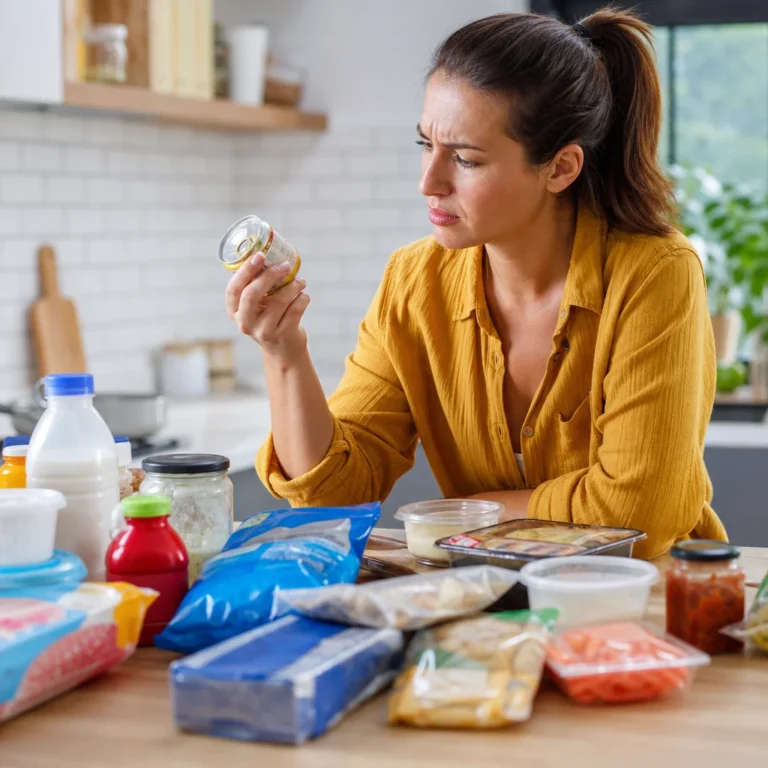
Food additives gut health research is growing. Learn what science shows about thickeners in ‘healthy’ snacks — and how to scan labels in 30 seconds.
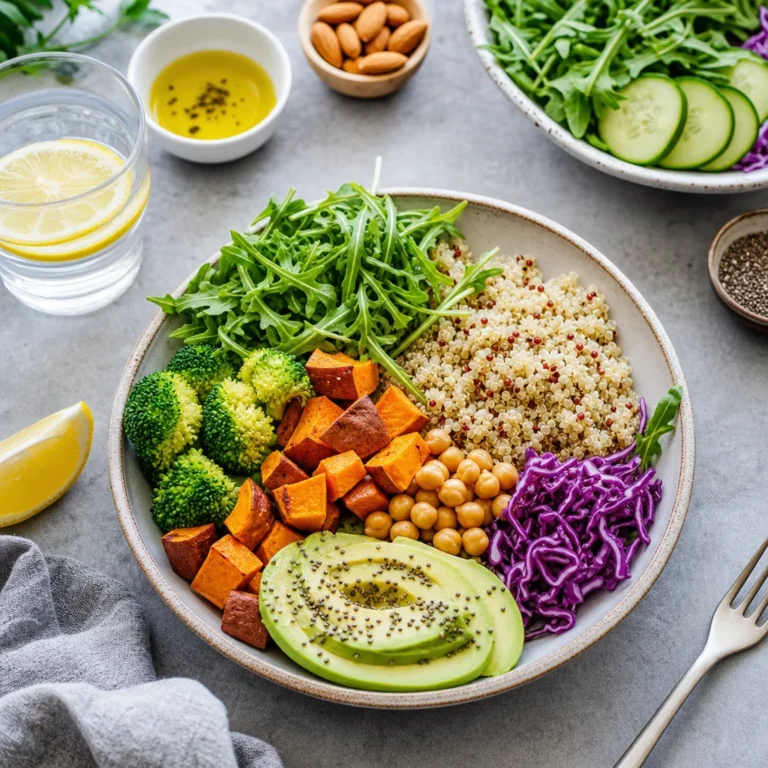
An anti-inflammatory meal plan isn’t a strict diet — it’s a flexible, whole-food pattern that calms inflammation and supports visceral fat loss. Here’s the eat-often framework, a sample day, and meal-prep shortcuts that work in real life.

Your brain does its best work while you sleep. Here’s what happens overnight — and the 4 sleep pattern updates that protect long-term cognition.
Your birthday is a fixed number — but biological aging is flexible. Here’s what really shapes how your body ages, and the no-cost habits science supports.
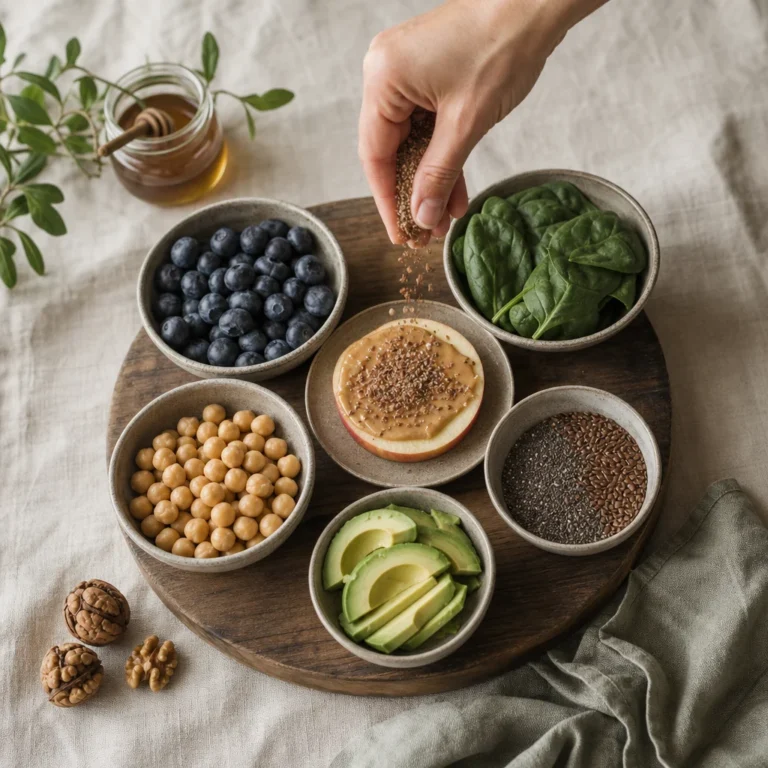
Anti-inflammatory snacks don’t need fancy recipes. Learn the 5 food groups behind the science and a 10-minute snack formula you can improvise from — plus 6 fast combos and a pantry staples list.
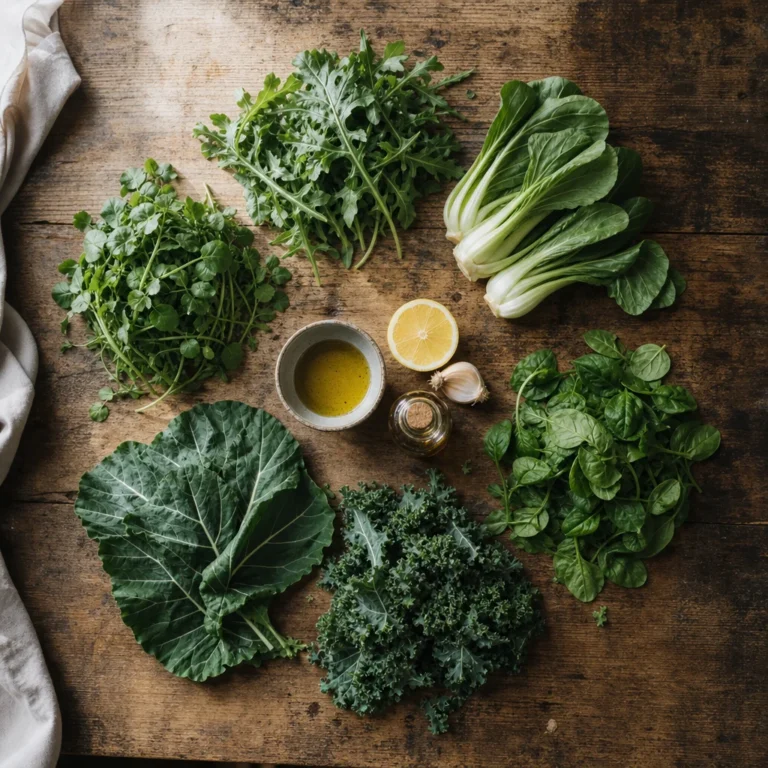
Watercress, bok choy, spinach, kale, collards and arugula — the six most nutrient-dense anti-inflammatory leafy greens, plus how to cook each one to keep the benefits and a simple weekly rotation plan.
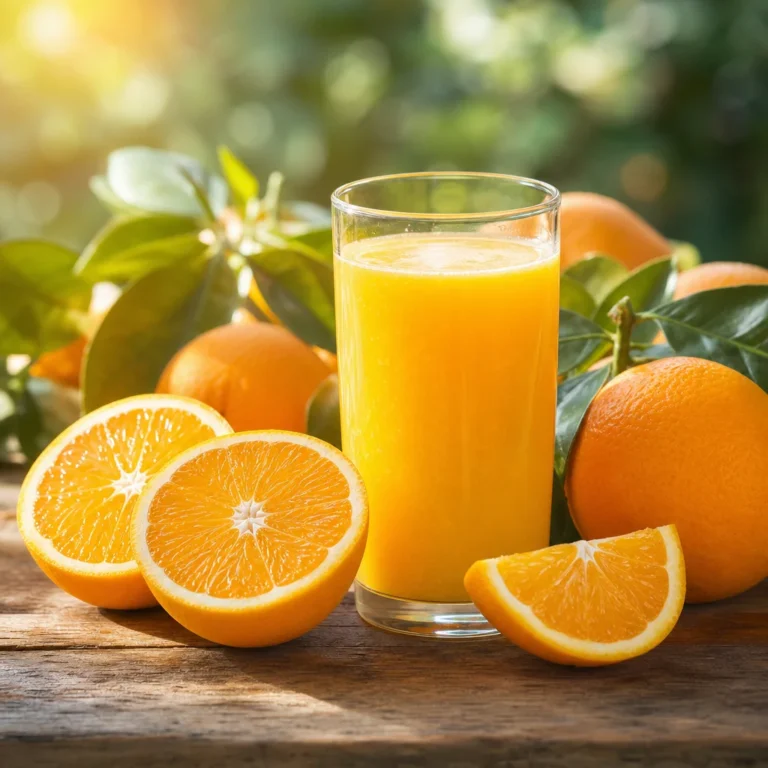
Orange juice benefits are real but modest. New research shows a daily glass may support blood pressure and calm inflammation. Here’s how to drink it smartly — portion math, pairings, and the honest sugar caveat.
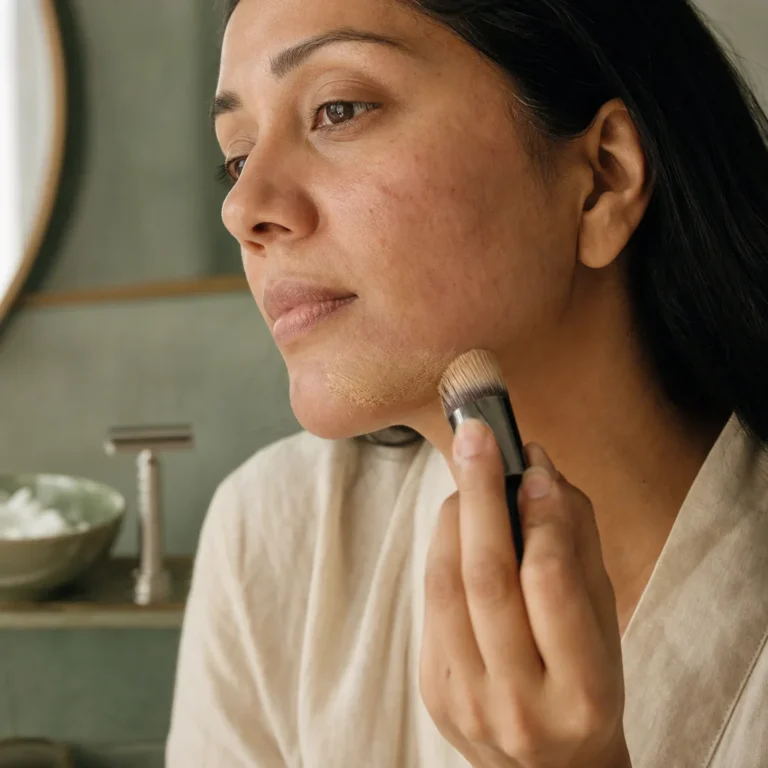
Textured PCOS makeup over shaved skin? Fix the prep, not the product. Derm-approved shaving, thin-layer technique, and gentle aftercare — all in one step-by-step guide.

Recurring vaginal infections usually mean the diagnosis missed something. Learn why BV and yeast infections return — and what to ask your doctor for a real plan.
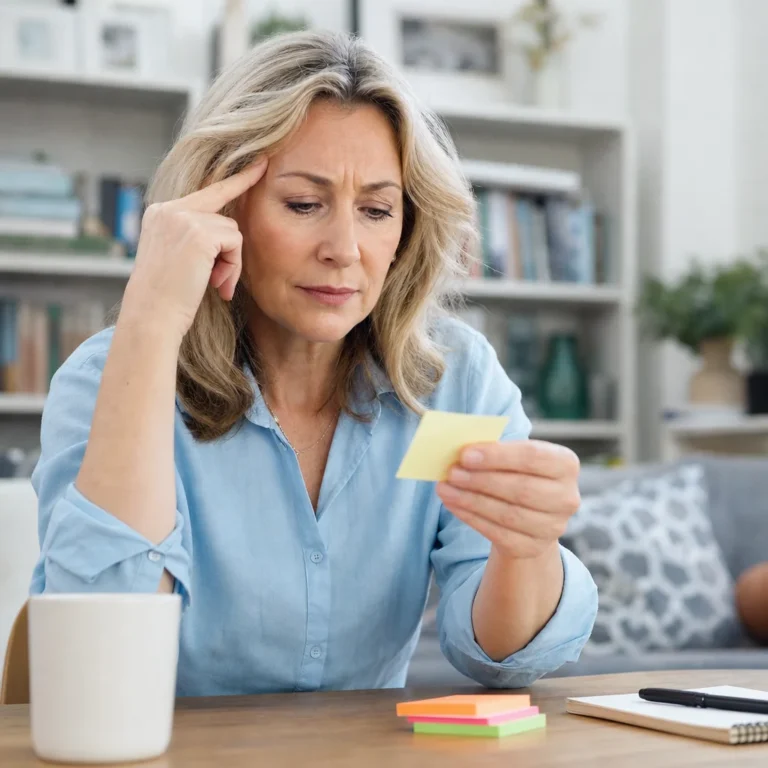
Women’s memory decline may begin earlier than we realized — but most midlife slips are normal. Here’s what the emerging blood-test science can and can’t tell you, plus the evidence-ranked habits that actually protect your memory.