

Women Workout Fueling: New Science for Hydration & Energy
Most workout science was built on men. New research on 500+ female athletes reveals the truth about women workout fueling — hydration, carbs, and electrolytes designed for your body.
Nutrition and lifestyle strategies to support brain health and cognitive function.
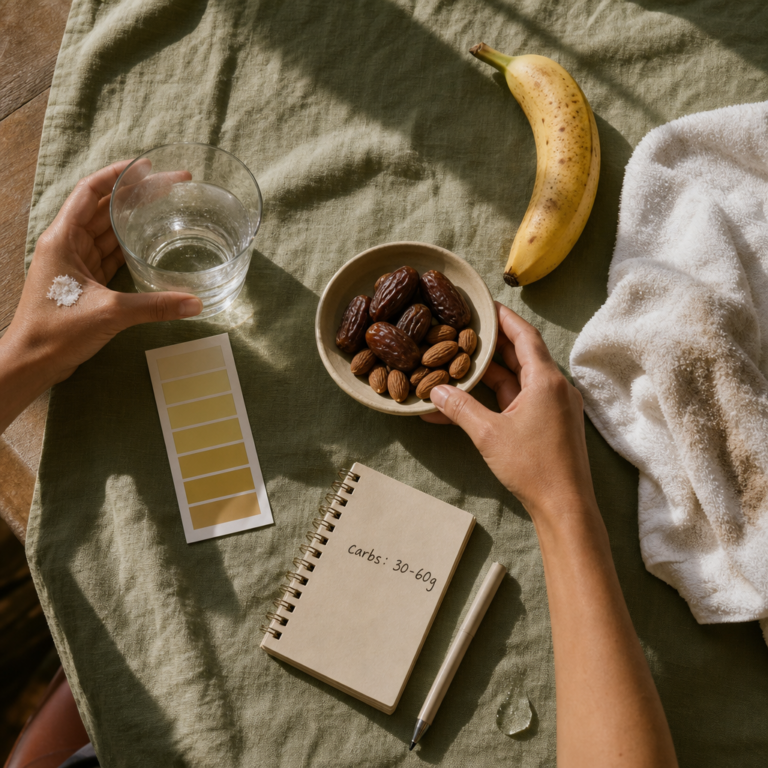
Most workout science was built on men. New research on 500+ female athletes reveals the truth about women workout fueling — hydration, carbs, and electrolytes designed for your body.
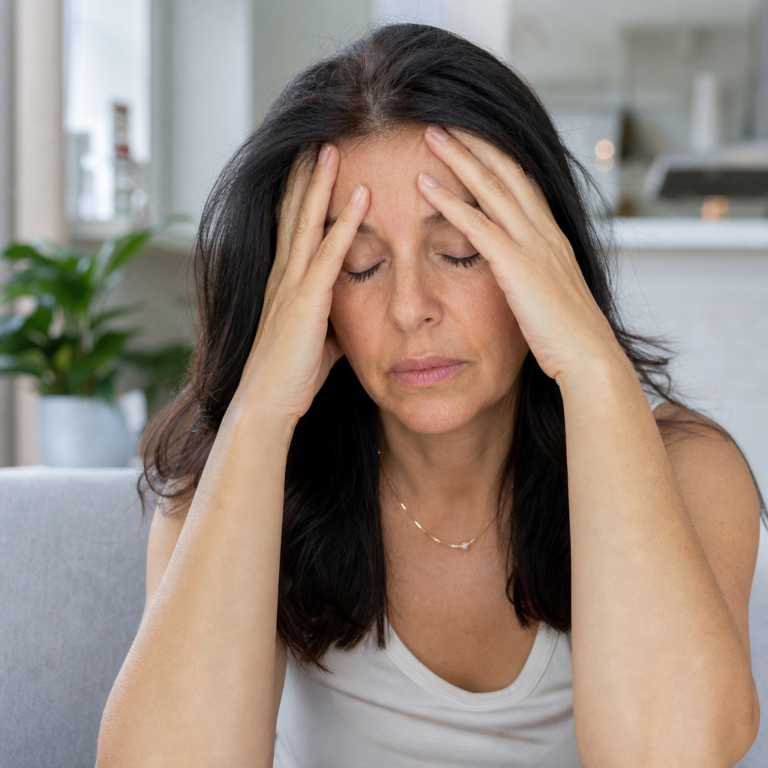
Chronic stress aging is real — new research reveals it changes your blood at the cellular level through a brain-gut-bone marrow pathway. Learn 3 science-backed ways to protect yourself.

Getting bright light within 30–60 minutes of waking is one of the most effective, free ways to improve sleep quality. Here’s exactly when and how to do it.

Neurologists share 5 simple kitchen swaps to reduce microplastics exposure without the panic. Plus, why proven brain-health habits still matter more.

Stanford researchers used AI to discover BRP, a naturally occurring molecule that suppresses appetite like Ozempic without the nausea, vomiting, or muscle loss. Here’s how this natural Ozempic works and when it might be available.
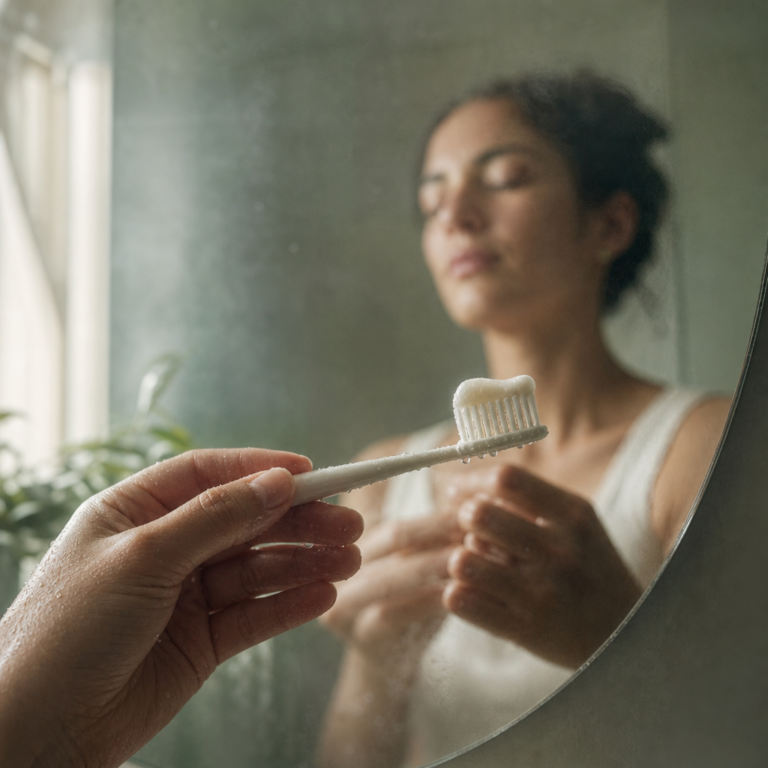
Discover how daily mindfulness micro-moments during everyday activities like brushing your teeth can reduce stress and improve focus. Science-backed, no meditation required.
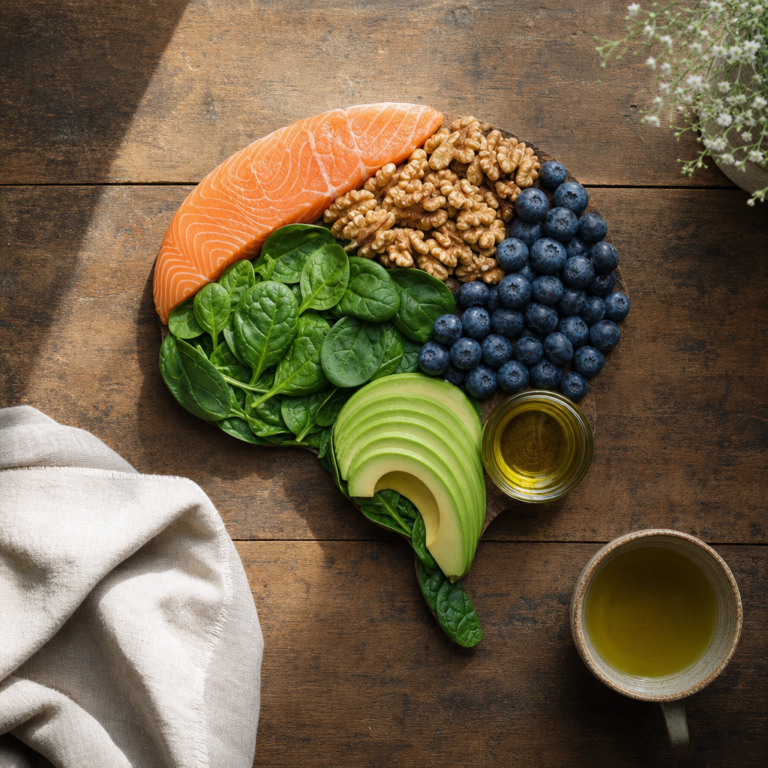
New NIH-funded research reveals that your brain’s immune cells (microglia) undergo a dramatic overhaul starting in midlife. Learn what this means for your cognitive health and how diet, exercise, and sleep can support your brain’s immune system.

Curious about creatine for women? This guide covers real benefits for muscle, brain, and bone health, plus expert dosing tips and top products.

The FDA just revoked two petroleum-based food dyes — Orange B and Citrus Red No. 2. Here are the six dyes still in your food, what the science says about their safety, and how to shop dye-free starting today.
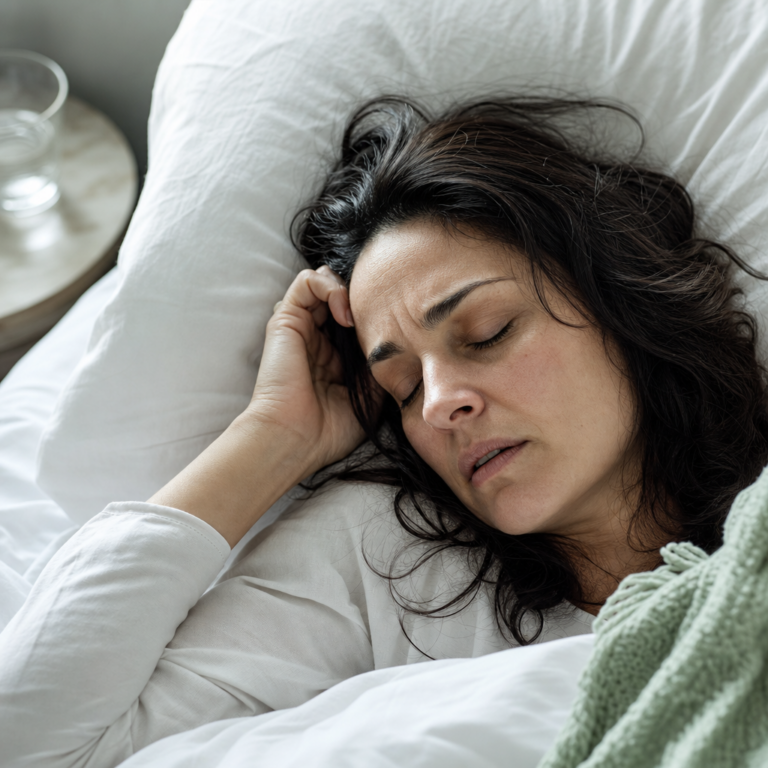
Sleep apnea is linked to poorer memory and higher dementia risk — and most women don’t know they have it. Learn the symptoms women miss, how to get tested, and why treatment can protect your brain.