
Creatine for Women: A Complete Guide to Benefits & Dosage

Have you ever thought about taking creatine, but then stopped yourself because you thought it was just for bodybuilders or guys at the gym? You are not alone. For years, creatine has been surrounded by myths — that it causes bloating, leads to bulky muscles, or is somehow unsafe for women. Here’s the thing: none of that is true. Creatine is one of the most researched supplements in the world, and the science shows that creatine for women offers unique and powerful benefits. From stronger muscles and faster recovery to sharper thinking and healthier bones, this guide covers everything you need to know. Let’s bust the myths and get to the facts.
Key Takeaways
- Creatine is safe and effective for women — it does not cause bulky muscles or unhealthy bloating.
- Women benefit in unique ways: better muscle recovery, improved cognitive performance, and support for bone density.
- Creatine monohydrate is the gold standard — it is the most researched, most effective, and most affordable form.
- A lower daily dose (3-5 grams) works well for most women — no need for a loading phase.
- Quality matters: look for third-party tested products from trusted brands.
What Is Creatine, Really?
Creatine is a natural compound your body already makes. It is stored mostly in your muscles and used for quick bursts of energy — think sprinting, lifting, or any short, intense effort. You also get small amounts from foods like red meat and fish. But here is the catch: the amount you get from food alone is usually not enough to maximize the benefits.
When you take creatine as a supplement, you increase your muscle stores. This helps your body produce more energy during exercise, which means you can push harder, recover faster, and see better results over time. The NIH confirms that creatine is one of the few sports supplements with strong evidence behind it.
Why Creatine for Women Is Different
Here is what most people get wrong. Women are not just smaller versions of men. Our bodies respond differently to exercise, nutrition, and supplements. And when it comes to creatine for women, the benefits are actually quite distinct.
First, women naturally have lower creatine stores than men. This means supplementing can have a bigger relative impact. Second, women’s hormone cycles can affect energy levels and recovery. Creatine helps buffer those dips by providing a steady supply of energy to your muscles.
Research also points to benefits beyond the gym. A 2023 review in Sports Medicine found that creatine supplementation can increase brain creatine stores, which may help explain positive effects on cognition and memory, especially during times of metabolic stress like sleep deprivation. And for bone health, a 2015 study in Medicine and Science in Sports and Exercise found that creatine helped slow the rate of bone density loss at the femoral neck in postmenopausal women.
The Myth-Busting Moment
Myth: Creatine makes women bulky. Fact: Bulking up requires a specific combination of heavy training, high calorie intake, and often genetics. Creatine helps you build lean muscle and strength — not bulk. The “bulky” look most women worry about is actually very hard to achieve without intentional effort. Myth: Creatine causes bloating. Fact: Some people experience mild water retention in muscles during the first few days, but this is not the same as bloating. It is a sign the creatine is working. It usually subsides within a week.
The Top Benefits of Creatine for Women
Let’s break down exactly what creatine can do for you. These benefits are backed by decades of research.
1. Stronger Muscles and Better Recovery
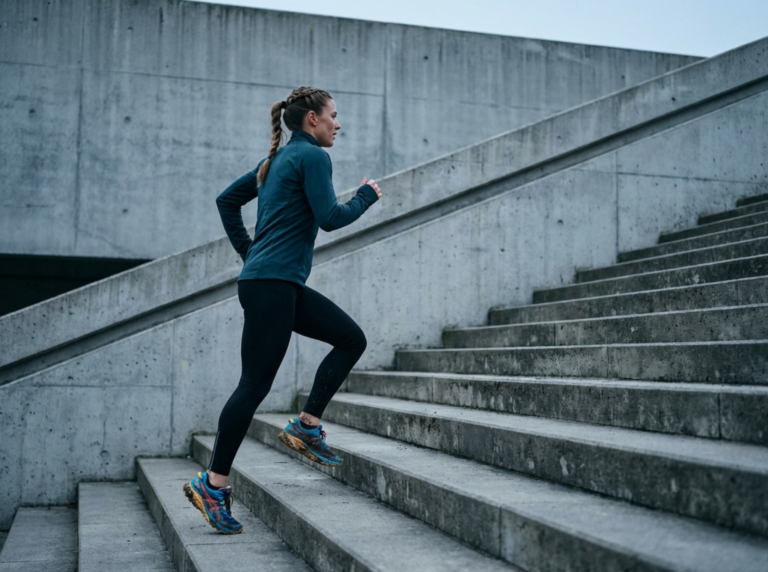
This is the most well-known benefit. Creatine helps your muscles produce more energy during high-intensity exercise. That means you can lift heavier, sprint faster, and do more reps. Over time, this leads to greater strength gains and muscle tone. A 2017 meta-analysis in the Open Access Journal of Sports Medicine found that creatine supplementation increased chest press and leg press strength in both men and women.
Recovery also improves. Creatine helps reduce muscle damage and inflammation after exercise. So you feel less sore and can get back to your workouts sooner.
2. Sharper Thinking and Better Mood
Your brain uses energy too. And creatine helps supply that energy. A 2018 systematic review in Experimental Gerontology found evidence that creatine supplementation may improve short-term memory and reasoning skills. The effects were most noticeable when the brain was under stress — like during sleep loss or heavy mental demands.
For women who juggle work, family, and everything else, this is a real bonus. Imagine feeling mentally sharper even on days when sleep was short.
3. Stronger Bones
Bone health is a major concern for women. After peak bone mass is reached in your 20s and 30s, bone density naturally declines over time. Creatine may help slow this process. A 2015 study in Medicine and Science in Sports and Exercise found that creatine supplementation, combined with resistance training, helped slow the rate of bone density loss at the femoral neck in postmenopausal women. The mechanism is not fully understood, but it likely involves creatine’s role in energy production within bone cells.
4. Improved Body Composition
Creatine helps you build lean muscle mass while reducing fat mass over time. This is not about quick weight loss. It is about changing your body composition — more muscle, less fat. Muscle tissue burns more calories at rest than fat tissue, so this shift can support a healthier metabolism in the long run.
How to Take Creatine for Women: Dosage and Timing
Now, let’s get practical. How do you actually take creatine? The good news is that it is simple.
The Standard Dose
For most women, a daily dose of 3 to 5 grams of creatine monohydrate is effective. You do not need to cycle on and off. You do not need a loading phase. Just take it consistently every day.
Some sources recommend a loading phase of 20 grams per day for 5-7 days to saturate muscles faster. This works, but it can cause stomach upset for some people. The slower approach — 3-5 grams daily — reaches the same saturation level in about 3-4 weeks. For most women, the slower approach is more comfortable and just as effective.
When to Take It
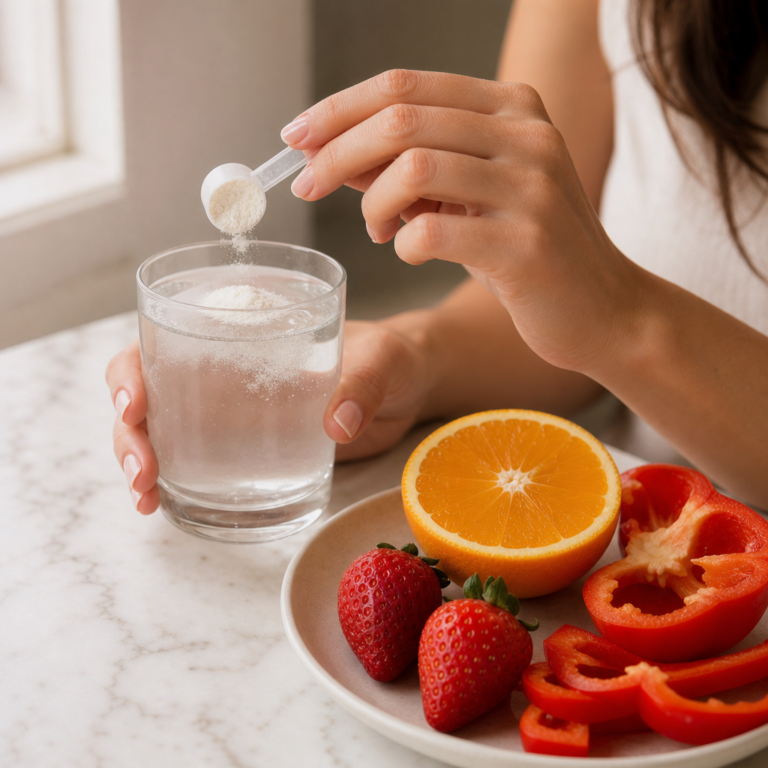
Timing is less important than consistency. Taking creatine with a meal or a protein shake may improve absorption slightly, but the key is to take it daily. Many women find it easiest to add it to their morning smoothie, coffee, or post-workout shake. It is flavorless and dissolves easily in warm or cold liquids.
Which Form Is Best?
Creatine monohydrate is the form used in over 90% of studies. It is the most researched, most effective, and most affordable. Other forms like creatine hydrochloride (HCL) or buffered creatine are marketed as being easier on the stomach, but the evidence does not show they are more effective. The International Society of Sports Nutrition concludes that creatine monohydrate is the most thoroughly researched and effective form of creatine supplementation.
Quick Guide: Choosing Your Creatine
- Form: Creatine monohydrate (powder is best, capsules are convenient but more expensive)
- Dose: 3-5 grams per day, every day
- Quality check: Look for third-party testing seals (NSF Certified for Sport, Informed Sport, or USP Verified)
- Mix with: Water, juice, smoothie, or protein shake — any liquid works
- Cost: Expect to pay $15-$30 for a one-month supply of powder
Safety and Side Effects: What You Need to Know
Creatine is one of the safest supplements on the market. The International Society of Sports Nutrition states that short and long-term supplementation (up to 30 grams per day for 5 years) is safe and well-tolerated in healthy individuals.
That said, here are a few things to keep in mind:
- Stomach upset: Some people experience mild digestive discomfort, especially with higher doses. Taking it with food or splitting the dose can help.
- Water retention: Creatine pulls water into your muscles. This is normal and temporary. It is not the same as bloating or weight gain from fat.
- Kidney concerns: If you have pre-existing kidney disease, talk to your doctor before taking creatine. For healthy individuals, there is no evidence that creatine harms kidney function.
- Pregnancy and breastfeeding: There is not enough research on creatine use during pregnancy or breastfeeding. It is best to avoid it or consult your healthcare provider.
As with any supplement, it is a good idea to talk to your doctor before starting, especially if you have any underlying health conditions or take medications.
Top-Rated Creatine Products for Women
If you are ready to try creatine, here are some of the best options available. These products are chosen for quality, third-party testing, and value.
1. Thorne Creatine Monohydrate
Thorne is a trusted brand in the supplement world. Their creatine monohydrate is NSF Certified for Sport, meaning it is tested for purity and banned substances. It is a fine powder that mixes easily. Price: around $30 for a one-month supply.
2. NOW Sports Creatine Monohydrate
NOW is a reliable, affordable option. Their creatine is tested by third parties and is one of the best values on the market. Price: around $15 for a one-month supply. It is unflavored and mixes well.
3. Klean Athlete Creatine
Klean Athlete is another NSF Certified for Sport brand. Their creatine is micronized, which means the powder is finer and dissolves more easily. Price: around $25 for a one-month supply.
4. BulkSupplements Creatine Monohydrate
If you want the best price per gram, BulkSupplements is a great choice. Their creatine is tested for purity and comes in large containers. Price: around $12 for a two-month supply.
5. Transparent Labs Creatine HMB
Transparent Labs is known for clean ingredients. Their creatine is unflavored, non-GMO, and third-party tested. It is slightly more expensive but a high-quality option. Price: around $35 for a one-month supply.
Frequently Asked Questions About Creatine for Women
Will creatine make me gain weight?
You may see a small increase on the scale during the first week. This is water weight in your muscles, not fat. It is a sign the creatine is working. Your muscles will look fuller and more defined.
Can I take creatine if I do not work out?
Yes. The cognitive and bone health benefits apply even if you are not exercising. However, the muscle benefits are most noticeable when combined with resistance training.
Is creatine safe for teenagers?
The research on creatine in adolescents is limited. It is generally considered safe for healthy teenagers who are involved in sports, but it is best to consult a doctor first.
Can I take creatine with other supplements?
Yes. Creatine pairs well with protein powder, BCAAs, and most other supplements. There are no known negative interactions.
The Bottom Line
Creatine is not just for bodybuilders. It is for any woman who wants to feel stronger, think sharper, and support her long-term health. The science is clear: creatine for women is safe, effective, and offers benefits that go far beyond the gym.
Start with a simple 3-5 gram daily dose of creatine monohydrate. Choose a third-party tested brand. Be consistent. And give it at least 3-4 weeks to notice the full effects. Your muscles, your brain, and your bones will thank you.
Here is the thing: the best time to start was yesterday. The second best time is today. So go ahead — give creatine a try. You might be surprised at how much it helps.