
Reduce Microplastics in Kitchen: 5 Neurologist Tips
Key Takeaways
- Microplastics are everywhere – food, water, and dust are the main sources of exposure.
- Animal studies suggest microplastics may cross the blood-brain barrier, but human evidence is still limited.
- Simple kitchen swaps – no microwaving plastic, use glass or stainless steel, avoid plastic cutting boards – can reduce your daily exposure.
- Don’t panic – neurologists say proven brain-health habits (exercise, sleep, Mediterranean-style eating) matter much more than microplastic avoidance alone.
Here’s the thing: when you hear about microplastics in the kitchen, it’s natural to wonder if your storage containers are slowly harming you. Should you toss everything plastic today? Let’s take a breath. I spoke with two neurologists to get their honest take on microplastics kitchen exposure and what you should actually do. Their message? Take reasonable steps, but don’t let fear take over.
Quick Answer: Should I worry about microplastics in my kitchen?
Yes – microplastics are a real concern, but panic isn’t productive. Neurologists recommend targeted, easy changes like avoiding plastic in the microwave, switching to glass or stainless steel containers, and using wooden cutting boards. These steps meaningfully reduce exposure without overhauling your entire life. And remember: proven brain-healthy habits still matter more.
What the science says about microplastics kitchen risks
Let’s start with what we actually know about microplastics kitchen contamination. Tiny plastic particles from the breakdown of bags, bottles, and containers are ending up in our food and water. They’ve been found in human tissues, including the brain.
Dr. Jon Stewart Hao Dy explains that laboratory studies show microplastics kitchen particles may cross the blood-brain barrier. That sounds scary. But here’s the nuance: most of this evidence comes from animal and lab studies, not from humans. Dr. Paul Bendheim puts it plainly: “The potential harmful effects of microplastics are currently postulated but not proven.” So it’s smart to be proactive – but not panicked.
Your microplastics kitchen action plan: 5 simple swaps
Both neurologists agree that the kitchen is a major source of microplastic exposure. Food, water, and even dust are the main routes. The good news? You don’t need a full kitchen remodel. Here are five microplastics kitchen swaps that make a real difference.
1. Stop microwaving plastic
This is the top recommendation from both doctors. Dr. Dy notes that heat speeds up microplastics kitchen shedding into your food. The fix is simple: transfer food to glass or ceramic before microwaving. Or use microwave-safe glass containers – they cost more but eliminate the worry.
2. Switch to glass or stainless steel storage
Plastic containers get scratched and worn, which releases more particles. Glass containers with glass or silicone lids are a safe, durable alternative — we covered more dietitian-approved options in our guide to smart kitchen tools for healthier cooking. Stainless steel is also great, especially for hot foods. Aim to replace the containers you use most.
3. Ditch plastic cutting boards
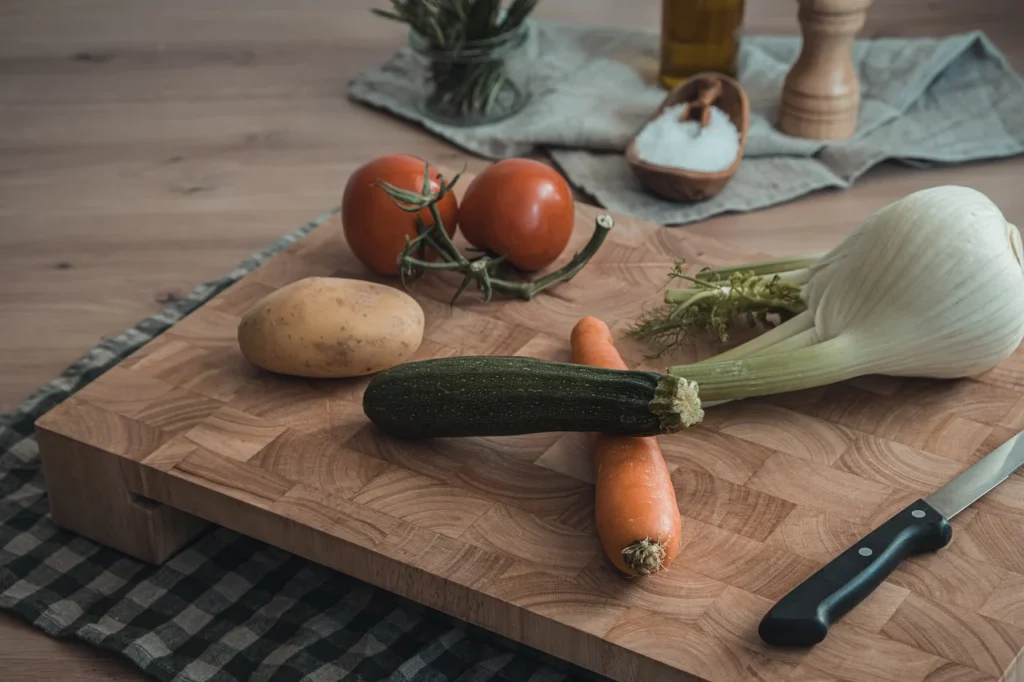
Cutting on plastic creates friction that sends tiny particles into your food. A high-quality wooden board (maple is a popular choice) is both safer and more sustainable. Wash with soap and water, and oil it occasionally.
4. Skip plastic water bottles
Single-use plastic bottles are a major source of exposure, especially if they’ve been in a hot car. A reusable stainless steel or glass water bottle is a one-time investment that pays off in both convenience and peace of mind.
5. Use beeswax wraps instead of plastic wrap
Plastic wrap is made from materials that can shed particles. Beeswax wraps are a natural, reusable alternative. They mold to bowls with the warmth of your hands and can be washed with cold water and reused for months.
What neurologists say about microplastics and brain health
Both doctors emphasize that reducing microplastic exposure is just one small piece of the puzzle. Dr. Bendheim says, “Rather than becoming overanxious, the most effective response is to take targeted, reasonable, proactive steps to minimize your daily exposure to microplastics.”
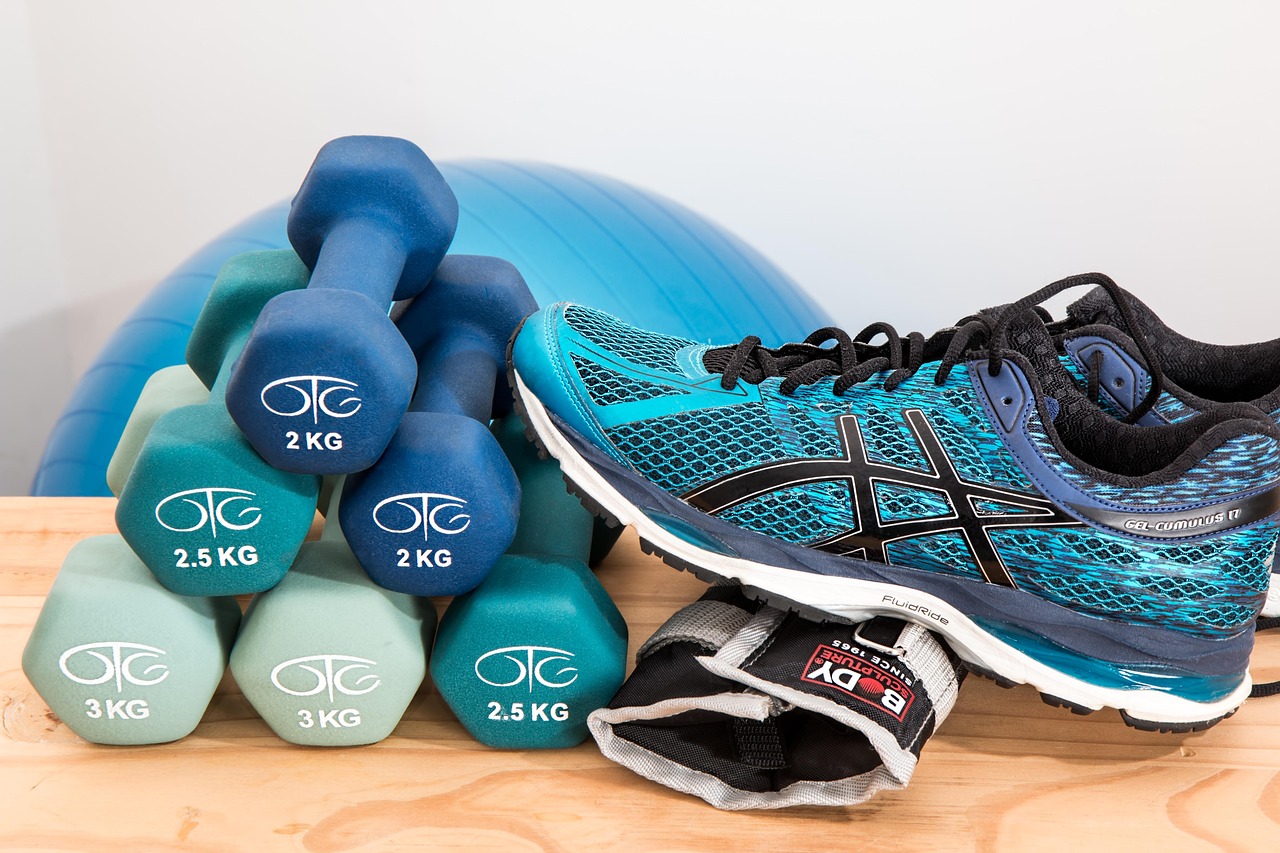
And Dr. Dy adds that proven brain-health habits should stay your top priority: “Interventions that are already proven to protect brain health include regular physical activity, good sleep, blood pressure and blood sugar control, smoking and vaping cessation, meaningful social engagement, and a balanced dietary pattern such as the Mediterranean diet.”
In other words, a single plastic-free swap won’t undo a diet of ultra-processed foods or a sedentary lifestyle. Think of microplastics reduction as a bonus layer of protection – not a replacement for the fundamentals.
FAQ: Your questions about microplastics in the kitchen
Is it safe to use plastic containers if I don’t microwave them?
Yes, that helps. But over time, repeated washing and scratching can still release particles. If you can, replace the most-used containers with glass or stainless steel. At minimum, never pour hot food into plastic – let it cool first.
Do reusable silicone bags release microplastics?
Silicone is not considered a plastic – it’s a rubber-like polymer that is generally stable and doesn’t shed particles the same way. Many experts consider silicone a safer alternative to plastic for food storage.
Should I worry about microplastics in tap water?
Some studies have found microplastics in tap water, but levels are generally lower than in bottled water. A simple carbon filter can help reduce them. The biggest gain is switching away from plastic bottles.
Does the dishwasher cause plastic containers to shed more?
Yes, the high heat and detergents can accelerate degradation. Hand-wash plastic gently with a soft sponge, or better yet, switch to dishwasher-safe glass or stainless steel containers.
Putting it into practice: your simple weekly plan
Start small. Here’s a one-week plan that neurologists would approve:
- Monday: Identify plastic containers you microwave most. Replace one with a glass version.
- Tuesday: Swap your plastic water bottle for a stainless steel or glass one.
- Wednesday: Check your cutting board. If it’s plastic, buy a wooden board.
- Thursday: Try beeswax wraps for covering leftovers instead of plastic wrap.
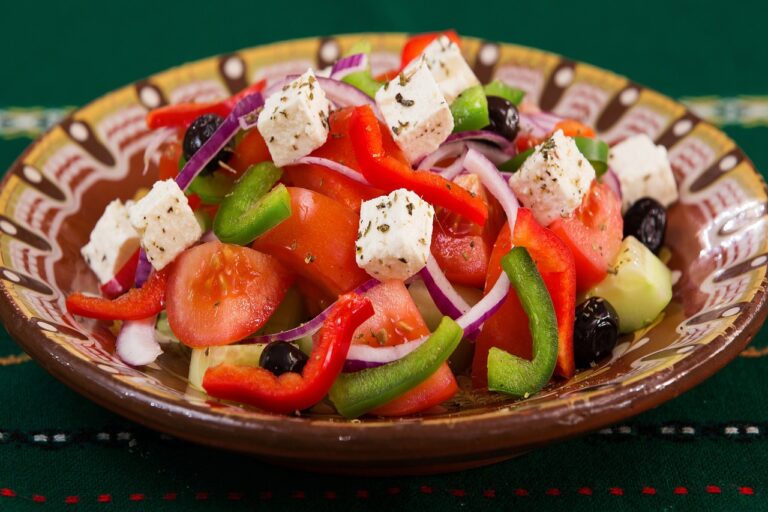
- Friday: Cook a Mediterranean-inspired meal – extra points for brain-healthy fats like olive oil, nuts, and fish.
- Weekend: Take a 20-minute walk. Sleep well. You’ve already done more for your brain than any single swap.
The goal is progress, not perfection. Every swap counts, and over time these habits become automatic.
The Bottom Line
Microplastics are a real issue, but you don’t need to live in fear. Neurologists recommend taking reasonable, targeted steps in the kitchen – avoid heating plastic, use glass or stainless steel, and choose wooden cutting boards. These simple changes reduce your exposure without adding stress to your day.
And here’s the most comforting part: the same habits that provenly protect your brain – eating well, staying active, sleeping enough, and connecting with others – are far more powerful than microplastic avoidance alone. So make the swaps that feel doable, then get back to living well. Your brain will thank you.