

Travel Sleep Tips That Actually Work
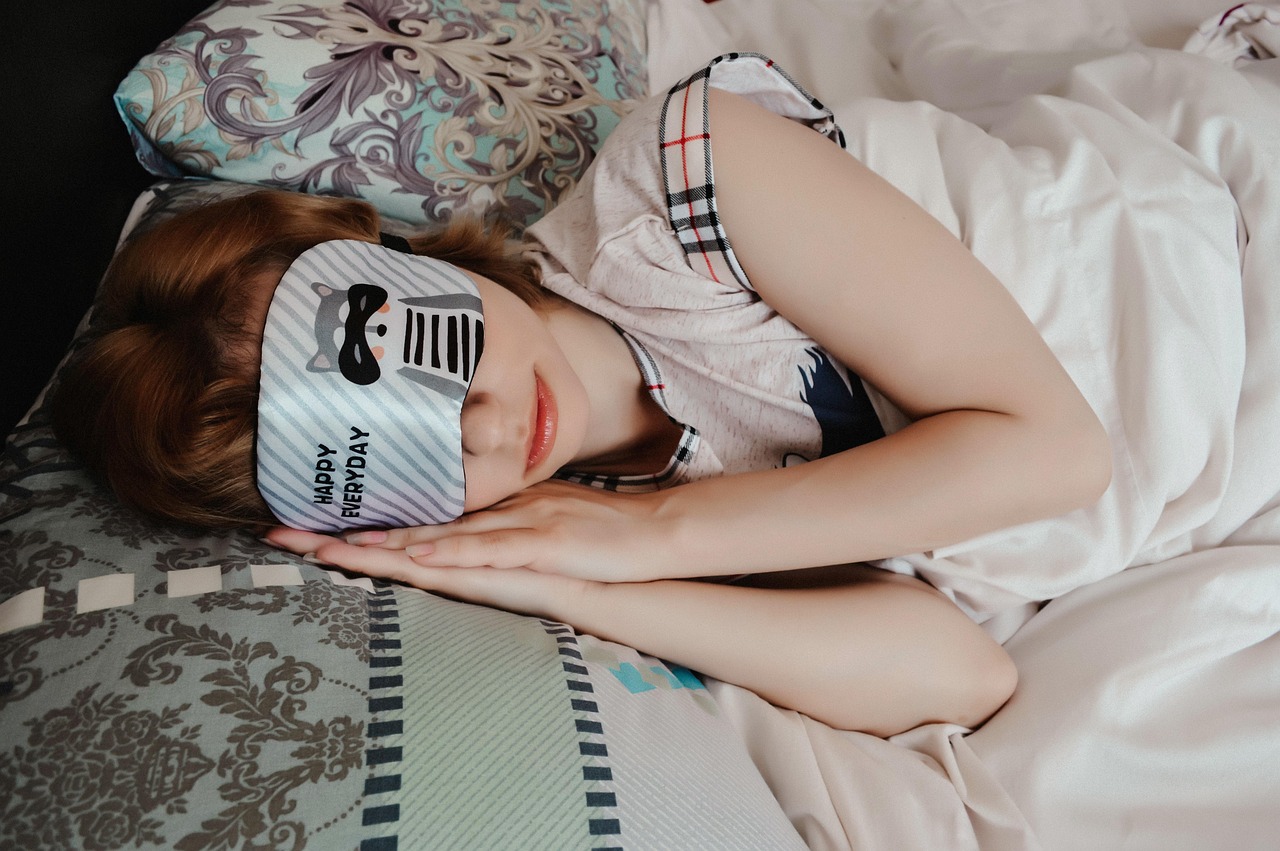
You’ve finally made it to your destination. The bags are unpacked, the itinerary is set, and you’re ready to explore. But when your head hits that unfamiliar pillow, your brain refuses to cooperate. You lie there staring at the ceiling, wondering why sleep feels so impossible in a new place. It’s not just you — it’s a biological response called the “first-night effect,” and it affects nearly everyone who travels. The good news? You don’t have to accept restless nights on the road. These travel sleep tips are backed by sleep science and designed to help you rest well anywhere you go.
Key Takeaways
- The “first-night effect” is a real brain mechanism — one hemisphere stays partially alert in unfamiliar environments as a survival response.
- Packing a few key items (eye mask, earplugs, familiar pillowcase) can trick your brain into feeling safe enough to sleep deeply.
- Timing matters — melatonin, light exposure, and consistent wake times are your most powerful tools for resetting your sleep clock.
- Natural strategies like magnesium, bedtime tea rituals, and room temperature control work well without relying on sleep aids.
- You can train your brain to sleep anywhere with the right combination of environmental hacks and routine maintenance.
Why Your Brain Fights Sleep in New Places
Here’s the thing — your brain is actually trying to protect you. The “first-night effect” is a well-documented phenomenon where one hemisphere of your brain stays more alert during your first night in a new environment. Think of it as your brain’s built-in security system. It’s scanning for unfamiliar sounds, smells, and sensations, ready to wake you if something seems off.
Research published in Current Biology found that during the first night in a new place, the brain shows interhemispheric asymmetry in sleep depth — one hemisphere stays more alert than the other. This is a fascinating aspect of how our brain protects us, tying into the broader topic of brain health and adaptability. It’s not dangerous — it’s just your brain being cautious. But it does mean you wake up feeling less rested.
The good news? This effect usually fades by the second night. And with the right travel sleep tips, you can help your brain feel safe enough to power down completely — even on night one.
The Travel Sleep Tips That Actually Work
Let’s get practical. These strategies are organized by what you can do before you leave, when you arrive, and during your stay. Pick the ones that fit your travel style.
Before You Go: Pack Your Sleep Kit
The most effective travel sleep tips start before you leave home. Packing a small sleep kit can make all the difference. Here’s what to include:
- Your own pillowcase — The familiar scent and texture can signal safety to your brain. It’s a small item that packs flat.
- A silk eye mask — Complete darkness is essential for melatonin production. A good mask blocks out hotel light leaks and early morning sun.
- Earplugs or noise-canceling earbuds — Unfamiliar sounds (hallway chatter, air conditioning hum, street noise) trigger your brain’s alert system. Block them out.
- Magnesium glycinate — This form of magnesium is often used for its calming effects on the nervous system. Some people find it gentler on the stomach than other forms, though individual results vary. A small bottle in your carry-on is all you need.
- Your favorite bedtime tea — Chamomile, lavender, or passionflower tea creates a familiar pre-sleep ritual no matter where you are.
When You Arrive: Reset Your Environment
Your hotel room or vacation rental is a blank slate. You get to shape it into a sleep sanctuary. Here’s how:
- Control the temperature — The ideal sleep temperature is between 65-68°F (18-20°C). Most hotel thermostats let you adjust this. If yours doesn’t, ask for a fan.
- Block the light — Close the curtains fully. Use binder clips or clothespins to pinch them together if there’s a gap. Put your eye mask on before you turn out the light.
- Mask the noise — Download a white noise app before you travel. Rain sounds, fan noise, or brown noise can mask the unpredictable sounds of a new building.
- Unpack and settle in — Even just hanging a few clothes and putting your toiletries in the bathroom helps your brain register “this is my space now.”
During Your Stay: Keep Your Rhythm
Your body’s internal clock — your circadian rhythm — relies on consistency. Travel disrupts it. These travel sleep tips help you stay on track:
- Wake up at the same time every day — Even if you went to bed late. A consistent wake time is the strongest signal for your circadian rhythm.
- Get morning sunlight — Step outside within 30 minutes of waking. Natural light tells your brain it’s daytime and helps regulate your sleep-wake cycle.
- Limit caffeine after 2 PM — Caffeine has a half-life of about 5 hours. That afternoon coffee can still be interfering with your sleep at midnight.
- Avoid alcohol close to bedtime — Alcohol might help you fall asleep faster, but it disrupts REM sleep and leads to more wake-ups during the night.
The Science of Melatonin Timing
Melatonin is a hormone your brain produces naturally when it gets dark. Taking a melatonin supplement can help reset your internal clock when you travel across time zones. The key is timing. For eastward travel (losing hours), take melatonin at the local bedtime of your destination. For westward travel (gaining hours), take it earlier in the evening. A typical dose is 0.5 to 3 mg, taken 1-2 hours before bed. Start with the lowest dose — more is not better and can cause grogginess. Always consult your clinician before starting any new supplement.
Natural Strategies That Support Travel Sleep
You don’t need a pharmacy in your suitcase. Some of the most effective travel sleep tips are simple, natural approaches that work with your body’s own systems.
Magnesium for relaxation. Magnesium plays a role in regulating the nervous system and promoting muscle relaxation. Magnesium glycinate is a well-absorbed form commonly used for sleep support. Taking it about 30 minutes before bed can help calm your body and prepare it for sleep.
Bedtime tea rituals. A warm cup of chamomile or lavender tea before bed does more than just warm you up. The act of brewing and sipping tea creates a predictable pre-sleep ritual. This signals to your brain that it’s time to wind down, regardless of where you are. The National Center for Complementary and Integrative Health notes that chamomile is generally recognized as safe and has mild sleep-promoting properties.
Breathing exercises. The 4-7-8 breathing technique is a simple way to activate your parasympathetic nervous system — the “rest and digest” mode. Breathe in for 4 counts, hold for 7, exhale for 8. Repeat 4 times. It’s free, requires no equipment, and works anywhere.
What to Do When You Can’t Sleep
Let’s be honest — sometimes none of these travel sleep tips work on the first try. You’re lying in an unfamiliar bed, and sleep just won’t come. Here’s what to do instead of lying there getting frustrated:
- Get out of bed. If you’ve been awake for more than 20 minutes, get up. Sit in a chair, read a book (not a screen), or sip water. Return to bed only when you feel sleepy again.
- Try progressive muscle relaxation. Starting from your toes, tense each muscle group for 5 seconds, then release. Work your way up to your face. This physically relaxes your body and distracts your mind.
- Don’t check your phone. The blue light from screens suppresses melatonin production. If you need a distraction, use a physical book or an e-reader with the backlight turned off.
- Accept the situation. Sometimes you just won’t sleep well. And that’s okay. One night of poor sleep won’t ruin your trip. The anxiety about not sleeping often makes it worse than the actual lack of sleep.
Frequently Asked Questions About Travel Sleep
Q: How long does it take to adjust to sleeping in a new place?
A: Most people adjust by the second or third night. The first-night effect is strongest on night one and typically fades as your brain registers that the environment is safe.
Q: Should I take melatonin every night while traveling?
A: Short-term use (3-5 days) is generally considered safe for most people. However, it’s best to use it strategically — primarily when crossing time zones — rather than as a nightly crutch. The NIH recommends using the lowest effective dose for the shortest time needed.
Q: Does the direction of travel matter?
A: Yes. Eastward travel (losing hours) is generally harder on your body than westward travel (gaining hours). Going east requires you to fall asleep earlier than usual, which goes against your natural rhythm. Going west means staying up later, which is easier for most people.
Q: Can I use sleep aids like antihistamines?
A: Over-the-counter sleep aids that contain antihistamines (like diphenhydramine) can help you fall asleep, but they can also cause grogginess the next day and may affect sleep quality. They’re best used occasionally, not as a regular travel solution. Talk to your clinician about what’s right for you.
Safety and When to Talk to Your Clinician
Most travel-related sleep issues are temporary and harmless. But if you consistently struggle with sleep even at home, or if travel sleep problems persist for weeks after returning, it’s worth discussing with your healthcare provider. Chronic insomnia, sleep apnea, or other sleep disorders can make travel sleep much harder and may require medical attention.
If you’re pregnant, breastfeeding, or have a medical condition, check with your clinician before using any supplements (including melatonin and magnesium) or over-the-counter sleep aids. Some medications can interact with these supplements.
The Bottom Line
You don’t have to accept poor sleep as part of traveling. Your brain’s “first-night effect” is a normal protective response, not a personal failure. With a few intentional travel sleep tips — packing a sleep kit, controlling your environment, keeping a consistent wake time, and using natural strategies like magnesium and bedtime tea — you can help your brain feel safe enough to rest deeply anywhere.
Start with one or two changes on your next trip. Maybe it’s just the eye mask and earplugs. Or maybe it’s the magnesium and the breathing exercise. See what works for you. The goal isn’t perfection — it’s progress. And a well-rested traveler is a happier, healthier one.