
4 Evening Cholesterol Habits That Lower LDL Naturally
Key Takeaways
- Your evening cholesterol habits shape how your liver clears fats overnight — making the hours after 5 PM powerful for heart health.
- A fiber-rich dinner lowers LDL — the “bad” cholesterol — by reducing how much your gut absorbs.
- A 10–30 minute walk after dinner helps clear blood fats and raises HDL — the “good” cholesterol.
- Eating at least 3 hours before bed supports better fat processing and blood sugar control while you sleep.
- Cutting alcohol and calming evening stress both protect your numbers — two habits most articles skip entirely.
Here’s something most cholesterol advice misses. It’s not just what you eat at breakfast or lunch that shapes your numbers. Your evening cholesterol habits — the small choices you make after 5 PM — may matter more than any other part of your day. That’s because your liver does its heaviest fat-clearing work overnight. What you do before bed sets the stage for that process.
According to the CDC, nearly 25 million Americans have high cholesterol — and many don’t know it. It builds quietly over time. There are no obvious symptoms. But the risk of heart attack and stroke rises steadily. The good news? Lifestyle habits can move the needle, often without medication.
In this article, we’ll walk through four science-backed evening habits that support healthier cholesterol. We’ll also explain why each one works overnight — because understanding the “why” makes it much easier to stick with them.
Why Your Evening Cholesterol Habits Matter More Than You Think
Here’s what’s actually happening. Your body runs on a 24-hour internal clock — called a circadian rhythm, or body clock — that controls nearly every system. That includes how your liver handles fats. Overnight, your liver ramps up its work. It clears LDL cholesterol from your blood. It breaks down triglycerides (blood fats). It recycles bile acids. Your evening cholesterol habits directly shape how well this overnight process runs.
Eat a heavy, late dinner? Your liver is still digesting when it should be clearing cholesterol. Skip the evening walk? Blood fats linger longer. Have a couple of drinks? Your sleep quality drops — and poor sleep is linked to higher LDL levels. These connections are real. That’s why your after-5 PM routine deserves more attention than it usually gets.
Build a Heart-Healthy Dinner Plate
What you eat at dinner has a direct effect on your cholesterol. Diets high in saturated fat — found in red meat, full-fat dairy, and fried foods — raise LDL. On the flip side, certain foods actively help lower it. This is one of the most powerful evening cholesterol habits you can build.
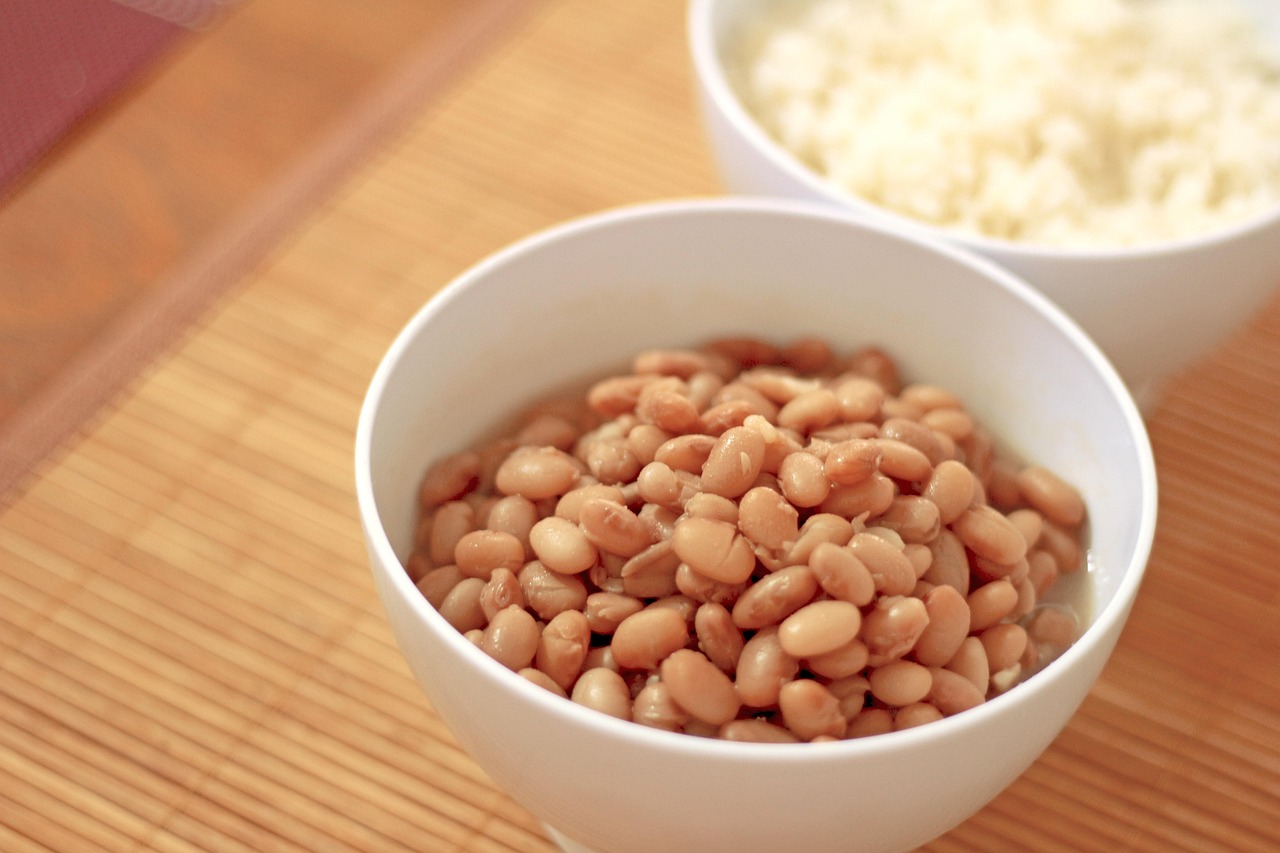
Soluble fiber is one of your best tools. It works by binding to bile acids in your gut. Your liver then has to pull LDL from your blood to make more bile — which lowers your levels naturally. Foods rich in soluble fiber include oats, beans, lentils, avocado, and apples. Try to include at least one at dinner.
What a Heart-Healthy Dinner Plate Looks Like
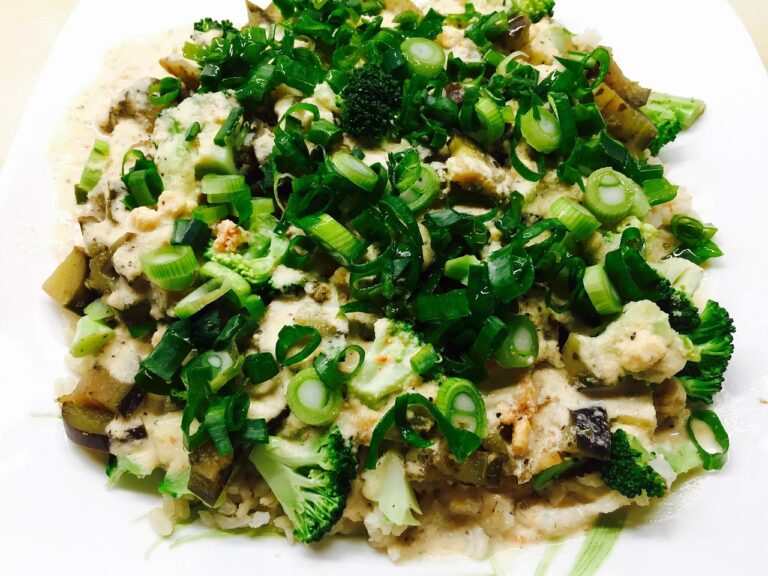
- Half your plate: non-starchy vegetables — broccoli, spinach, peppers, zucchini
- One quarter: lean protein — grilled salmon, chicken, tofu, or lentils
- One quarter: high-fiber carbs — brown rice, quinoa, whole-grain pasta, or beans
- Healthy fat: a drizzle of olive oil, a few avocado slices, or a handful of walnuts
Fatty fish like salmon or mackerel twice a week adds omega-3s. These help lower blood fats and may reduce LDL. The American Heart Association recommends two servings of fatty fish per week for heart health. For more ways to support your cardiovascular goals, browse our guide to heart healthy snacks that are backed by science.
Portion size matters too. Even healthy foods can lead to weight gain in large amounts. And extra body weight raises LDL and blood fats. A balanced plate, eaten mindfully, is the goal.
Take a Short Walk After Dinner
You don’t need a gym to improve your cholesterol. A short walk after dinner — just 10 to 30 minutes — can make a real difference. And it’s one of the easiest evening cholesterol habits to start tonight.
After you eat, blood fats rise as your body processes the meal. Moving your body helps clear those fats faster. Regular walking is also linked to higher HDL — the “good” cholesterol that carries excess cholesterol away from your arteries and back to the liver. The American Heart Association recommends at least 150 minutes of moderate activity per week. An evening walk is one of the easiest ways to get there.
Research suggests that even a short bout of movement after eating — like 2 minutes of stair climbing or a brief brisk walk — can help steady blood sugar. That matters because high blood sugar and poor insulin response are both linked to higher LDL and blood fats. So even a brief stroll counts. Bring a friend or partner — it doubles as a stress reliever too.
Swap Your Evening Drink
This one surprises a lot of people. Alcohol raises blood fats — sometimes a lot. It also disrupts sleep. And poor sleep is directly linked to worse cholesterol numbers. More than one drink per day is tied to a higher risk of heart disease. Current research finds no clear heart benefit from alcohol, even at low amounts.
However, that doesn’t mean your evening wind-down has to feel dull. A flavorful mocktail can hit the same satisfying notes — without the downsides. Try this simple recipe: sparkling water, a splash of pomegranate juice (rich in plant compounds that may reduce LDL damage), fresh lime juice, and a few mint leaves. It’s refreshing, it feels like a treat, and your heart will thank you.
Simple Heart-Healthy Mocktail
- ½ cup sparkling water
- 2 tablespoons 100% pomegranate juice
- Juice of half a lime
- Fresh mint leaves
- Ice — serve in a nice glass to make it feel special
Keep the pomegranate juice portion small to limit natural sugar. The goal is a heart-friendly drink that feels like a real treat.
Eat Dinner Earlier
Timing your last meal matters more than most people know. Eating close to bedtime forces your body to digest food when it should be shifting into rest and repair mode. This disrupts fat processing. It can also impair how well your body responds to insulin — the hormone that helps control blood sugar and fat storage.
Research links late eating to higher LDL, higher blood fats, and a greater risk of metabolic syndrome — a group of conditions that includes high cholesterol, high blood pressure, and excess belly fat. Finishing dinner at least three hours before bed gives your liver the clear runway it needs to do its overnight work properly.
In practice, this means aiming to eat by 7 PM if you go to bed around 10 PM. Meal prepping on weekends, keeping frozen vegetables on hand, and using pre-cooked whole grains can all help you get dinner on the table faster on busy nights.
The Habit Most Articles Skip: Calming Evening Stress
Here’s a connection that rarely makes the list — but the science is clear. Chronic stress raises cortisol, your body’s main stress hormone. And high cortisol signals your liver to produce more cholesterol through changes in fat-processing pathways. Evening stress — scrolling through upsetting news, replaying work conflicts, or lying awake with a racing mind — keeps cortisol high at exactly the time your body needs it to drop.
Building calming evening cholesterol habits around stress relief is just as important as what you eat. A few options that work: a short walk, 10 minutes of gentle stretching, a warm shower, or 5 minutes of slow breathing before bed. Certain evening rituals can support overnight wellness — similar to the benefits of cinnamon before bed. These aren’t just relaxation tricks. They help lower cortisol and support healthier overnight fat processing.
Sleep quality matters here too. The National Heart, Lung, and Blood Institute notes that lifestyle factors — including sleep — play a key role in cholesterol management. Adults who sleep fewer than 7 hours per night tend to have higher LDL and lower HDL. Your evening wind-down routine shapes your sleep. And your sleep shapes your cholesterol numbers.
Quick Answer: Do Evening Habits Really Affect Cholesterol?
Yes — significantly. Your liver clears LDL and blood fats most actively overnight. What you eat, when you eat, how much you move, and how well you sleep all shape that process. Consistent evening cholesterol habits can lower LDL, raise HDL, and reduce your heart disease risk over time.
Frequently Asked Questions
How quickly can lifestyle changes lower cholesterol?
Most people see measurable changes in 6 to 12 weeks of consistent healthy habits. Diet changes — especially adding soluble fiber and cutting saturated fat — tend to show results fastest. Exercise and weight loss add further benefit over time. Always work with your doctor to track your numbers and decide if medication is also needed.
Can I still eat dinner late occasionally?
Yes. One late dinner won’t derail your progress. What matters is your pattern over weeks and months. Aim for earlier dinners most nights. Don’t stress about the odd exception. Consistency — not perfection — is what moves the needle on cholesterol.
Do I need to cut out all saturated fat?
Not entirely. The goal is to reduce it — not eliminate it. Swap some saturated fat sources (butter, red meat, full-fat cheese) for unsaturated fats (olive oil, avocado, nuts, fatty fish). Small, smart swaps over time add up to real cholesterol improvements.
The Bottom Line
Your evenings are more powerful for heart health than most people realize. The right evening cholesterol habits — a fiber-rich dinner, a short post-meal walk, skipping the alcohol, eating earlier, and winding down with less stress — all work together. They support your liver’s overnight fat-clearing process. And they add up over time.
None of these changes require a full lifestyle overhaul. Start with one. Maybe it’s building a better dinner plate this week. Or committing to a 15-minute walk after dinner three nights in a row. Small, consistent steps lead to real results.
If you’re already on cholesterol medication, these evening cholesterol habits don’t replace it — they work alongside it. Talk with your doctor about your numbers. Stay consistent with any prescribed treatment. And use these nightly habits to give your heart every possible advantage.