

Caffeine Menstrual Cycle: What the Latest Research Says
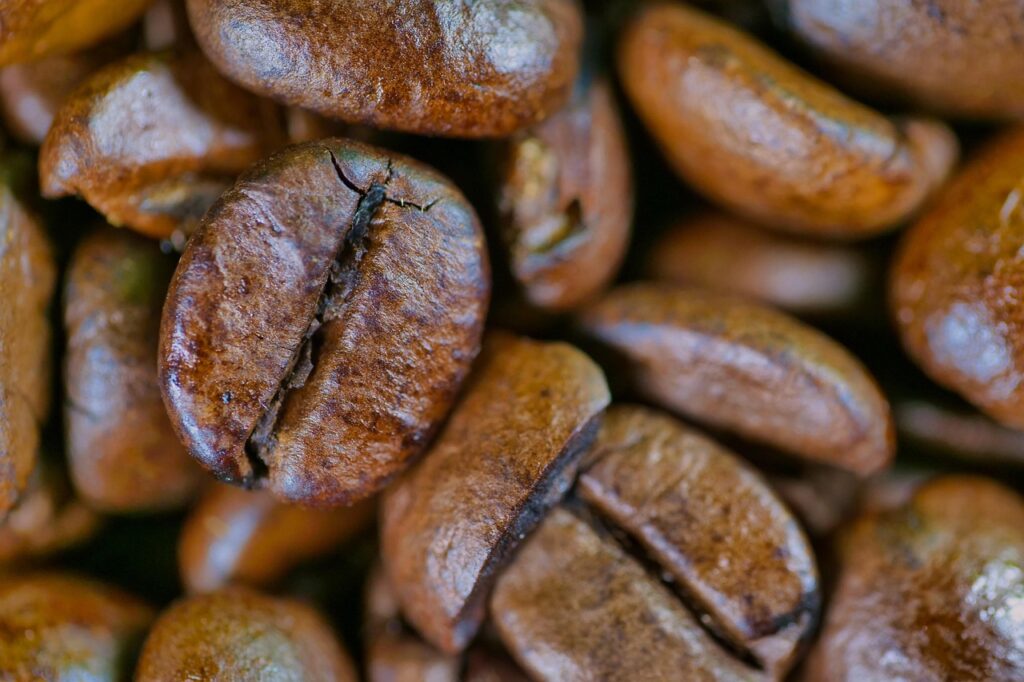
You know that feeling. Some mornings, your pre-workout coffee hits just right. Other days, it makes you feel jittery or anxious. And you might have wondered: is this related to where I am in my cycle? It’s a fair question. Your hormones shift dramatically across the month, so it makes sense that how you process caffeine might shift too. The good news? A major new study has some clear answers. Here’s what the latest research says about caffeine menstrual cycle interactions, how it affects your workouts, and how to find the right balance for your body.
Key Takeaways
- Caffeine works for exercise performance in all cycle phases. A 2026 meta-analysis of 20 studies found no difference in caffeine’s ergogenic effect across the menstrual cycle.
- Your metabolism of caffeine may change slightly. Some research shows CYP1A2 enzyme activity varies across the cycle, but the effect is small and unlikely to matter for most women.
- PMS symptoms are a separate consideration. ACOG recommends caffeine moderation for PMS, but this doesn’t mean you need to skip your pre-workout coffee.
- Individual response matters most. Your genetics, tolerance, and how you feel on any given day are better guides than rigid cycle-syncing rules.
Quick Answer: Does Your Menstrual Cycle Change How Caffeine Affects Your Workout?
No. The best available evidence shows that caffeine improves exercise performance just as well whether you’re in the follicular phase, luteal phase, or anywhere in between. A 2026 meta-analysis of 20 randomized controlled trials with 272 women found no meaningful difference in caffeine’s ergogenic effect across any cycle phase or hormonal contraceptive use. However, individual sensitivity varies, and PMS symptoms may require a more cautious approach for some women.
What the Research Actually Says About Caffeine Menstrual Cycle Interactions
Let’s start with the big picture. The most comprehensive study on this topic to date is a 2026 systematic review and meta-analysis of 20 randomized controlled trials involving 272 female participants. The researchers tested women across every hormonal context: early follicular, late follicular and around ovulation, the luteal phase, and women on hormonal birth control.
Across all 20 RCTs, caffeine produced a positive ergogenic effect in every hormonal group studied — early follicular, late follicular and around ovulation, the luteal phase, and hormonal contraceptive users. When the researchers directly compared these groups, no statistically significant differences emerged.
A second 2026 systematic review on female intermittent sport athletes came to a similar conclusion. Caffeine improved agility and vertical jump performance. And while some within-phase analyses hinted at possibly larger effects in the follicular phase, the between-phase comparison showed no significant difference.
The International Society of Sports Nutrition (ISSN) position stand on female athletes also lists caffeine as one of the three supplements with the most evidence for use in women. Their take? Female athletes should track their own hormonal status to find individual patterns, but the evidence doesn’t support phase-specific caffeine dosing.
The Biology Behind Caffeine and Your Hormones
Now, you might be thinking: “But I’ve heard that caffeine stays in your system longer during the luteal phase.” Let’s look at what the science actually says about that.
Caffeine is broken down by a liver enzyme called CYP1A2. Some research suggests this enzyme’s activity fluctuates across the menstrual cycle. A 2019 study by Asprodini and colleagues found that CYP1A2 activity was actually lower in the late follicular phase compared to early follicular and luteal phases. That’s the opposite of what many wellness blogs claim.
An older study from 1992 (Lane et al.) did find slower caffeine elimination in the luteal phase. But the authors themselves noted the effect “may be too small to be of clinical significance in the majority of women.” And a 1999 study by Kamimori et al. found no significant differences in caffeine pharmacokinetics across any cycle phase.
Here’s the thing. The evidence on metabolic changes is mixed. But the performance evidence is clear. Even if your body processes caffeine slightly differently at certain times, it doesn’t change the fact that caffeine improves your workout across all phases.
The PMS Question: When Caffeine Might Not Feel Great
This is where things get nuanced. The American College of Obstetricians and Gynecologists (ACOG) recommends that people who experience PMS avoid caffeine. And there’s a reason for that. Some studies have found that women with PMS tend to consume more caffeine than those who don’t.
But here’s the important nuance. It’s not clear whether caffeine actually causes PMS symptoms or whether women with PMS simply reach for caffeine to combat the fatigue and low mood that come with it. A large prospective study examined caffeine intake before a PMS diagnosis and found no association.
So what does this mean for you? If you’re prone to anxiety, breast tenderness, or sleep disruption in the days before your period, you might find that caffeine makes those symptoms worse. That’s a valid reason to cut back. But it doesn’t mean you need to skip your pre-workout coffee entirely.
The Two Truths About Caffeine and Your Cycle
Truth 1: Caffeine improves exercise performance in all cycle phases. The evidence is strong and consistent. If you want a pre-workout boost, caffeine will deliver it regardless of where you are in your cycle.
Truth 2: Caffeine can worsen PMS symptoms for some women. If you experience anxiety, breast tenderness, or insomnia in the luteal phase, you may want to moderate your intake.
These two truths can coexist. The key is finding your personal balance.
Practical Strategies for Active Women
So how do you put this into practice? Here’s a framework that works with the evidence, not against it.
For pre-workout caffeine across your cycle: The research supports a dose of about 3 mg per kilogram of body weight, taken about 60 minutes before exercise. For someone who weighs 150 pounds (about 68 kg), that’s roughly 200 mg — about a standard 12-ounce cup of quality coffee. This works in all phases.
If you’re in the follicular phase: This is when your body may be most efficient at processing caffeine. Some research, like a 2022 study by Santana and colleagues, suggests caffeine may have an even larger effect in the early follicular phase when baseline performance tends to be lower. If you feel your workouts are harder during your period, a pre-workout coffee could be especially helpful.
If you’re in the luteal phase: Pay attention to how you feel. If caffeine makes you anxious or disrupts your sleep, consider having your coffee earlier in the day and avoiding afternoon caffeine. You might also try switching to half-caf, matcha, or herbal teas — like the chamomile and peppermint options featured in TEOHL’s guide to anti-bloating teas — which provide a gentler energy lift.
For women on hormonal birth control: The 2026 meta-analysis found that caffeine still improved exercise performance for women using hormonal contraceptives, though the effect was slightly smaller. Your pre-workout coffee is still worth having.
When to Be More Careful With Caffeine
While the evidence supports caffeine for performance across your cycle, there are times when moderation makes sense.
If you experience severe PMS or PMDD (premenstrual dysphoric disorder), you may be more sensitive to caffeine’s effects on anxiety and sleep. In this case, reducing your intake during the luteal phase is a reasonable strategy. The same goes if you have a known anxiety disorder or sleep issues.
Also, remember that caffeine tolerance varies significantly between individuals due to genetics. The CYP1A2 gene determines whether you’re a fast or slow caffeine metabolizer. If you’re a slow metabolizer, caffeine stays in your system longer regardless of your cycle phase. You might benefit from lower doses or earlier timing.
Signs You Might Need to Cut Back on Caffeine
If any of these sound familiar, consider reducing your caffeine intake, especially in the luteal phase:
- You feel anxious or jittery after your usual coffee
- Your sleep quality drops, especially in the week before your period
- You notice more breast tenderness or cramping
- You need more caffeine to get the same effect (tolerance build-up)
- You experience headaches or fatigue when you skip your usual coffee
Frequently Asked Questions About Caffeine and Your Cycle
Should I avoid caffeine during my period?
Not necessarily. The research shows caffeine improves exercise performance in all cycle phases, including during menstruation. However, if you experience heavy bleeding or cramps, caffeine’s vasoconstrictive effects might worsen discomfort for some women. Listen to your body. If your usual coffee feels fine, there’s no reason to skip it.
Does caffeine affect fertility or hormone levels?
Some older research (2012) found that caffeine consumption of 200 mg or more per day was associated with differences in estradiol levels that varied by race. The study primarily examined hormone concentrations rather than menstrual pattern changes. If you’re trying to conceive, moderate caffeine intake (under 200 mg per day) is generally considered safe. Always discuss with your healthcare provider if you have specific concerns.
Can I still have my morning coffee if I have PMS?
Yes, but with awareness. ACOG recommends caffeine moderation for PMS, but the evidence is mixed. If you find that caffeine worsens your anxiety, breast tenderness, or sleep quality in the luteal phase, consider reducing your intake or switching to lower-caffeine options like matcha or green tea. If you don’t notice any negative effects, your usual coffee is likely fine.
Should I change my pre-workout caffeine dose in the luteal phase?
The evidence doesn’t support changing your dose based on cycle phase. The 2026 meta-analysis found that caffeine’s ergogenic effect is consistent across all phases. However, if you feel more sensitive to caffeine in the luteal phase, you can try a slightly lower dose (2 mg/kg instead of 3 mg/kg) or switch to a gentler source like green tea.
The Bottom Line on Caffeine Menstrual Cycle Interactions
Here’s what I want you to take away from all of this. The science is clear: caffeine works for exercise performance regardless of where you are in your cycle. You don’t need to track your cycle to time your pre-workout coffee. A moderate dose about an hour before exercise will help you perform better, whether you’re in the follicular phase, luteal phase, or anywhere in between.
At the same time, your individual experience matters. If caffeine makes you feel worse during certain parts of your cycle, trust that. The research gives you permission to use caffeine for performance, but it also gives you permission to listen to your body.
The best approach? Start with the evidence-based dose of about 3 mg per kilogram of body weight, 60 minutes before your workout. Pay attention to how you feel. If it works, great. If not, adjust. Your cycle is one factor among many — your genetics, tolerance, sleep, stress, and overall health all play a role.
You don’t need to overthink this. Have your coffee. Do your workout. Trust the science, and trust yourself.