

Your Guide to Coffee Liver Health: Science-Backed Tips
New research on coffee liver health shows that 1-4 cups daily may lower your risk of fatty liver, cirrhosis, and liver cancer. Here’s what the science says and how much you really need.
How antioxidant-rich foods protect against inflammation and support women’s wellness.

New research on coffee liver health shows that 1-4 cups daily may lower your risk of fatty liver, cirrhosis, and liver cancer. Here’s what the science says and how much you really need.
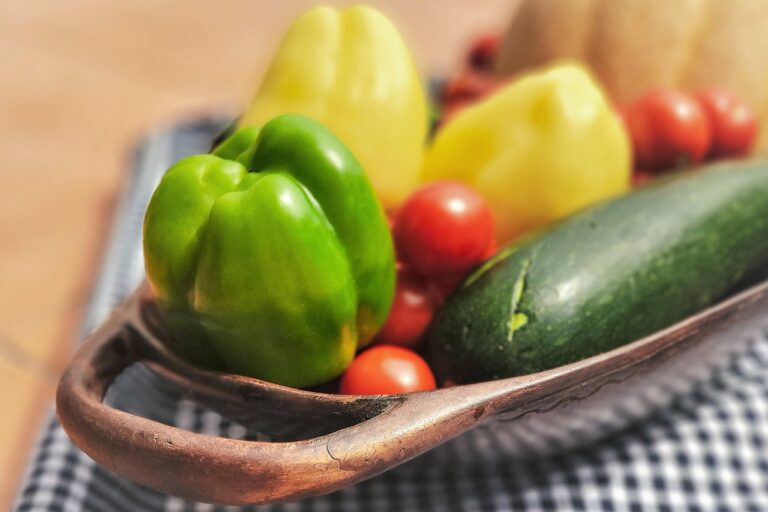
Chronic inflammation doesn’t have to be confusing. Learn the truth about diet, exercise, sleep, and stress — and why you don’t need to eliminate food groups to feel better.
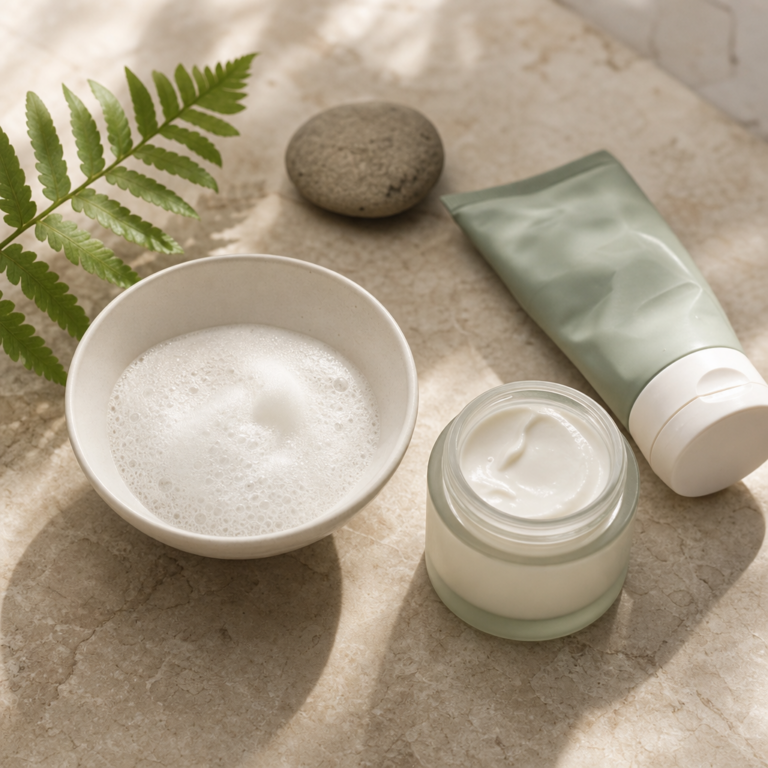
Picture this: You’ve spent hundreds on serums, peels, and fancy treatments for dark spots, acne, or…
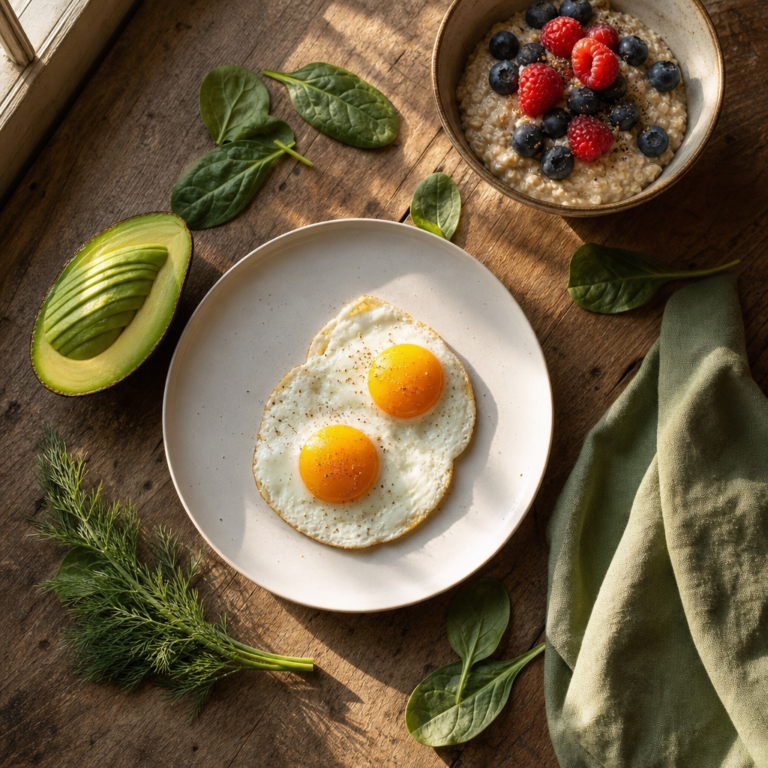
Discover the science-backed healthy egg pairings that unlock hidden nutrition. Learn how spinach, avocado, oats, and fruit boost nutrient absorption in this practical guide.
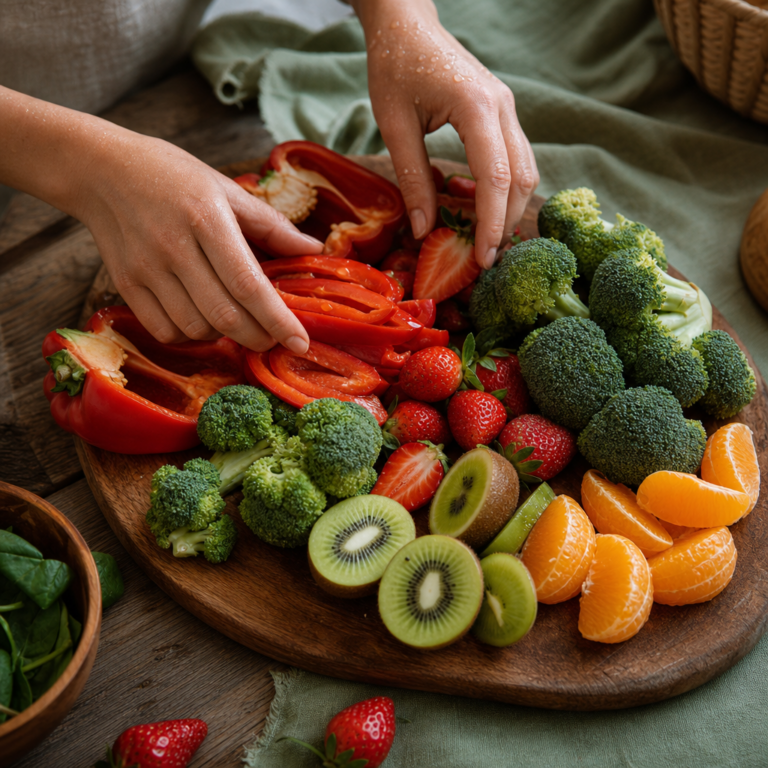
Vitamin C is the essential nutrient your body needs to build collagen. Discover how dietary vitamin C collagen support works at the cellular level, the best food sources ranked by content, and how much you need for firmer, healthier skin.

Chronic stress aging is real — new research reveals it changes your blood at the cellular level through a brain-gut-bone marrow pathway. Learn 3 science-backed ways to protect yourself.
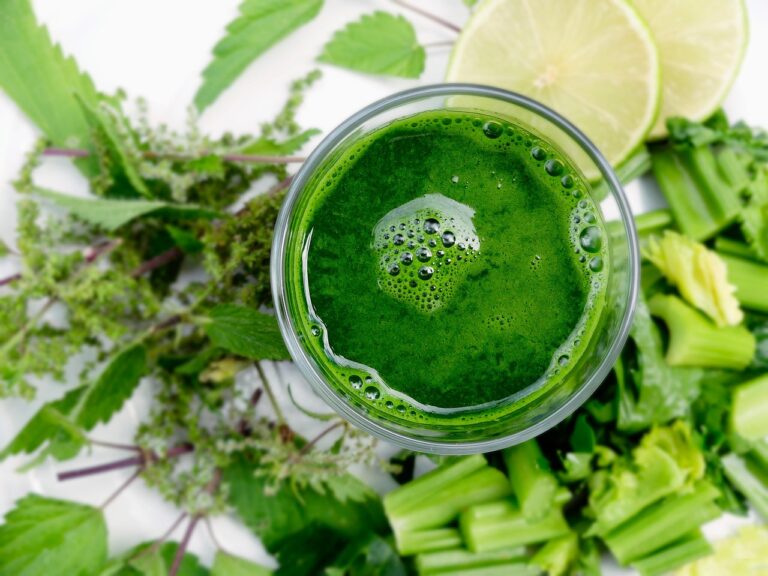
Colorectal cancer is rising in adults under 50, but lifestyle changes can lower your risk. Discover 5 evidence-backed colon cancer prevention levers and a weekly action plan.
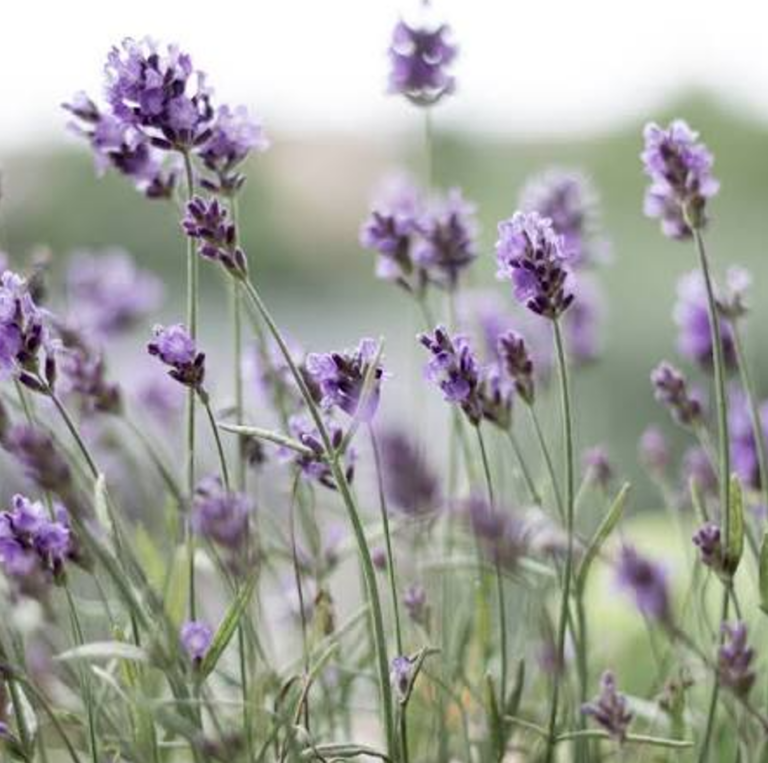
Looking for a natural retinol alternative that actually works? Bakuchiol delivers anti-aging results without the redness and irritation. Here’s what the science says about this plant-based ingredient, how it compares to retinol, and how to make the switch.
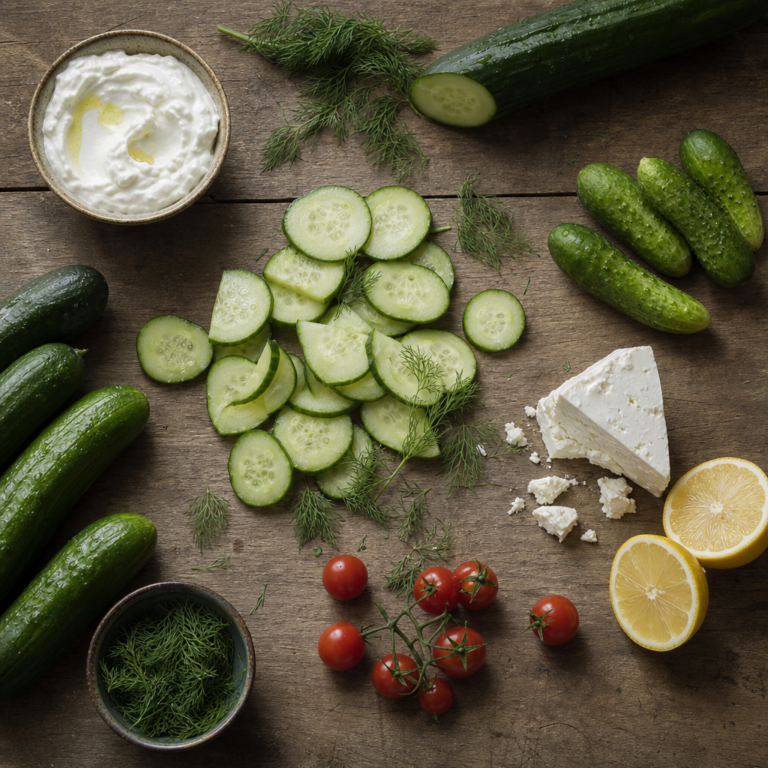
Discover 15+ refreshing cucumber recipes perfect for summer. From crisp salads to satisfying sandwiches, these healthy meals are hydrating and easy to make.
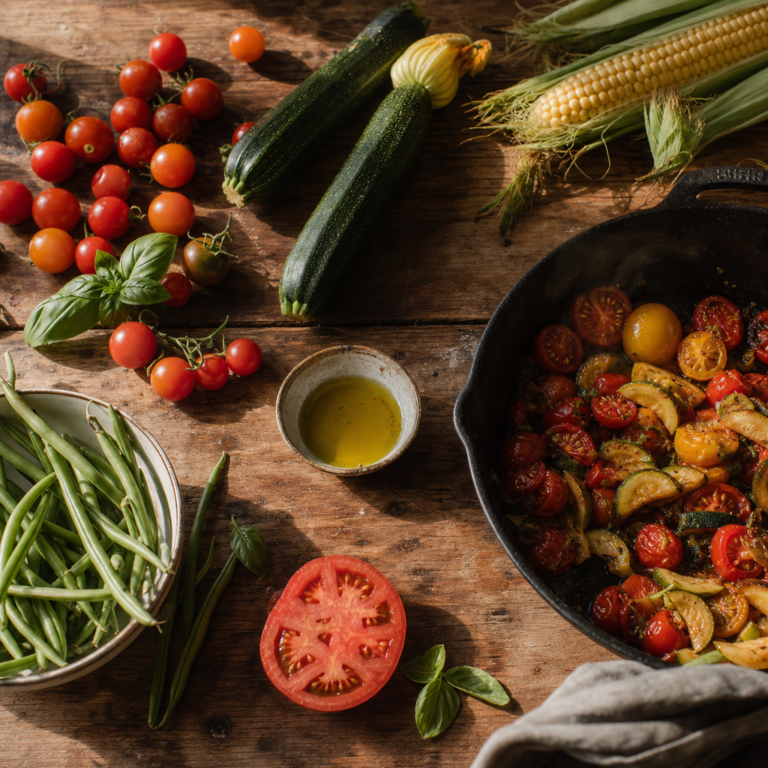
Make the most of your farmers’ market haul with these summer produce recipes that unlock more nutrients. Cooking enhances the absorption of disease-fighting carotenoids — and each dinner takes 30 minutes or less.