
Natural Melatonin Sources: 7 Foods for Better Sleep
Key Takeaways
- Food works differently than supplements. Natural melatonin sources tell your body it’s nighttime. They don’t force sleep like a drug.
- Walnuts have the strongest evidence. A 2025 study found that eating 40g (a small handful) daily improved sleep quality and helped people fall asleep faster.
- Timing matters. Eat melatonin-rich foods 1-2 hours before bed as a light snack. Large meals close to bedtime can backfire.
- Pairing boosts results. Combine tryptophan-rich foods (eggs, turkey, pumpkin seeds) with complex carbs to help your body turn tryptophan into melatonin.
- Food is safer than supplements long-term. Whole foods provide extra benefits like antioxidants and fiber. Plus, supplements are not FDA-regulated, and the dose on the label may not match what you get.
Picture this: you’re lying in bed, exhausted, but your brain won’t shut off. Your eyes are heavy. Your body aches for rest. Yet your mind keeps spinning through tomorrow’s to-do list. You’ve heard about melatonin supplements. But something about taking a pill to sleep doesn’t sit right with you. Here’s the thing — your body already makes melatonin naturally. The real question isn’t whether to take a supplement. It’s whether you’re giving your body the raw materials it needs to produce its own sleep signal. That’s where natural melatonin sources come in. Certain foods contain melatonin or the building blocks your body uses to make it. And research shows that eating them can genuinely improve how well you sleep.
Quick Answer: Can Food Really Boost Melatonin?
Yes. Research shows that eating foods naturally rich in melatonin can increase the melatonin circulating in your body. A comprehensive review of dietary melatonin sources confirmed that melatonin levels in your blood can rise after eating melatonin-containing foods. The effect is gentler than supplements — think of it as a nudge, not a shove. This makes natural melatonin sources an excellent first step for anyone who wants to improve sleep without relying on pills.
Why Natural Melatonin Sources Matter for Your Sleep
Let’s be honest. Modern life is not kind to our sleep. Bright screens, late-night Netflix binges, and artificial lighting all tell your brain it’s still daytime. Melatonin is the hormone that signals the opposite. It’s your body’s way of saying, “Hey, it’s dark out. Time to wind down.” When you eat foods that contain melatonin, you’re giving your body an extra dose of that nighttime signal. A 2023 study on melatonin food intake and circadian rhythm found that people who ate more melatonin-rich foods had earlier bedtimes and less social jetlag — that groggy feeling when your sleep schedule doesn’t match your body’s natural clock.
What I find fascinating is that natural melatonin sources work differently than supplements. They don’t act like a sedative. They don’t knock you out. Instead, they help regulate your internal timing. Think of it like setting a gentle alarm that says “time to rest” rather than someone turning off the lights against your will.
Top Natural Melatonin Sources You Should Know About
Not all foods are equal when it comes to melatonin. Research has found several standout options. Here are the most evidence-backed natural melatonin sources you can add to your evening routine.
1. Walnuts — The Research Champion
Walnuts might be the single best food for boosting your melatonin levels naturally. A 2025 clinical trial on walnuts and sleep put this to the test. Seventy-six young adults ate 40 grams of walnuts daily for eight weeks. That’s about a small handful — roughly 14 walnut halves. The results were impressive. Participants had higher levels of a melatonin byproduct in their urine, meaning their bodies had more melatonin circulating. They fell asleep faster. Their overall sleep quality improved. And they felt less sleepy during the day. The study included mostly women (85.5%), so these findings matter for our readers. Walnuts also contain tryptophan, an amino acid your body uses to make both serotonin and melatonin. It’s a one-two punch for sleep.
2. Tart Cherries — The Classic Sleep Aid
Tart cherries and tart cherry juice are perhaps the most well-known natural melatonin sources. And for good reason. A 2020 systematic review on dietary melatonin and sleep found that eating sour cherries (the same type as tart cherries) improved sleep quality across multiple studies. Tart cherries contain melatonin naturally, along with powerful antioxidants called anthocyanins.
Now, here’s where the nuance comes in. The evidence on tart cherries is mixed. Benefits seem most noticeable in people with existing sleep disturbances. Research in healthy adults shows less clear results. If you struggle with mild insomnia or restless sleep, a small glass of tart cherry juice an hour before bed is worth trying. If you already sleep well, don’t expect dramatic changes.
3. Kiwi — The Serotonin Booster
Kiwi is unique among natural melatonin sources because it works through two pathways. It contains both melatonin and serotonin. Serotonin is a brain chemical that your body can convert into melatonin. A 2023 study on kiwifruit and sleep quality found that eating kiwi with an evening meal increased urinary serotonin levels and improved sleep outcomes. Poor sleepers who ate dried kiwi saw a 24% improvement in how easily they woke up in the morning. A 2026 scoping review on melatonin-containing foods also highlighted kiwi’s potential for better sleep. For best results, try eating 1-2 kiwis about an hour before bed. They’re also a great source of vitamin C and fiber.
4. Eggs — A Protein-Packed Melatonin Source
Among animal products, eggs are one of the best sources of melatonin. A comprehensive review of dietary melatonin sources confirmed that eggs contain more melatonin than meat or poultry. They also provide tryptophan, which your body uses to produce both serotonin and melatonin. The amount of melatonin in an egg is modest, but combined with tryptophan and high-quality protein, eggs make an excellent evening food. Try a scrambled egg with spinach and mushrooms for a light dinner that supports sleep.
5. Fatty Fish — Omega-3s and Melatonin Together
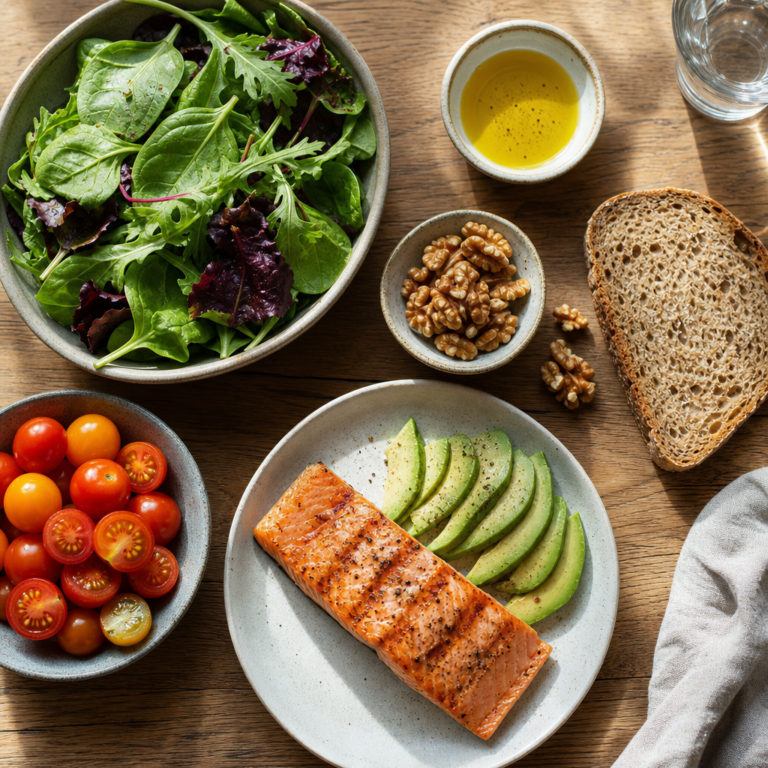
Fish is one of the best animal sources of dietary melatonin, according to a comprehensive review of dietary melatonin sources. Salmon, mackerel, and trout are all excellent options. Fatty fish also provide omega-3s and vitamin D, both of which support healthy sleep. Aim for two to three servings of fatty fish per week. A salmon dinner a few hours before bed may be one of the most effective natural melatonin sources you can add to your weekly rotation.
6. Milk — The Original Bedtime Drink
Warm milk before bed isn’t just an old wives’ tale. Milk contains both melatonin and tryptophan. A 2020 systematic review on dietary melatonin and sleep confirmed that milk consumption improved sleep quality in multiple studies. If dairy works for you, a warm glass of milk 30-60 minutes before bed is a simple, soothing option — similar to other healthy natural drinks that support overall wellness. For a plant-based alternative, try warm oat milk, which naturally contains some melatonin too.
7. Pistachios — The Melatonin Powerhouse
Among all nuts, pistachios have one of the highest melatonin concentrations. They also provide magnesium, which helps relax muscles and supports sleep. A small handful (about one ounce) makes a simple evening snack. Just be mindful of portions — pistachios are calorie-dense, and eating too much close to bedtime could cause digestive discomfort.
Quick Melatonin Food Reference
Highest melatonin content (per gram): Pistachios, tart cherries, walnuts, eggs, fish
Also contain tryptophan (helps your body make melatonin): Turkey, chicken, pumpkin seeds, soybeans, peanuts, quinoa
Contain magnesium (helps relax your body): Almonds, spinach, bananas, pumpkin seeds, dark chocolate, avocados
How to Eat Natural Melatonin Sources for Best Results
Knowing which foods to eat is only half the battle. When and how you eat them matters just as much. Here’s what the research says about timing and pairing.
Timing: When to Eat for Optimal Sleep
This is where most articles get vague. Let me be specific. There’s a difference between a full meal and a small sleep-supporting snack. A heavy dinner too close to bedtime can disrupt sleep — your body is busy digesting instead of resting. But a small snack containing natural melatonin sources eaten 30-60 minutes before bed is supported by research. For the best results, eat your main dinner 2-3 hours before bed. Then have a small sleep-promoting snack (about 150-200 calories) 30-60 minutes before you plan to sleep. This timing gives your body enough time to start using the melatonin before you hit the pillow.
Pairing: Why Carbs + Tryptophan Works
Here’s something most articles don’t tell you. Your body needs help converting tryptophan into melatonin. Carbs trigger insulin release, which helps clear other amino acids from your blood. This lets tryptophan enter your brain more easily. The result? More serotonin and melatonin production. So if you’re eating tryptophan-rich foods like turkey, eggs, or pumpkin seeds, pair them with a small amount of complex carbs. Think oatmeal with walnuts, or half a banana with a scrambled egg. This simple pairing strategy makes your natural melatonin sources work much more effectively — especially the ones that provide tryptophan.
Simple Evening Snack Ideas with Melatonin-Rich Foods
Let’s put this into practice. Here are three simple evening snacks that combine multiple melatonin-supporting ingredients.
Recipe 1: Tart Cherry and Walnut Bedtime Bowl
Mix 1/2 cup plain Greek yogurt with 1 tablespoon tart cherry concentrate or 2 tablespoons dried tart cherries. Top with a small handful (about 14 walnut halves) and a sprinkle of cinnamon. The yogurt provides tryptophan and protein. The cherries and walnuts deliver melatonin. The cinnamon helps stabilize blood sugar through the night.
Recipe 2: Warm Golden Milk with Melatonin Boosters
Heat 1 cup of milk (or unsweetened oat milk) with 1/2 teaspoon turmeric, a pinch of black pepper, 1/2 teaspoon cinnamon, and 1 teaspoon of honey. Stir in 1 tablespoon of almond butter for extra tryptophan and magnesium. Sip this 45 minutes before bed. The milk provides melatonin and tryptophan. Turmeric reduces inflammation. The healthy fat from almond butter helps keep you full through the night.
Recipe 3: Kiwi and Pistachio Evening Plate
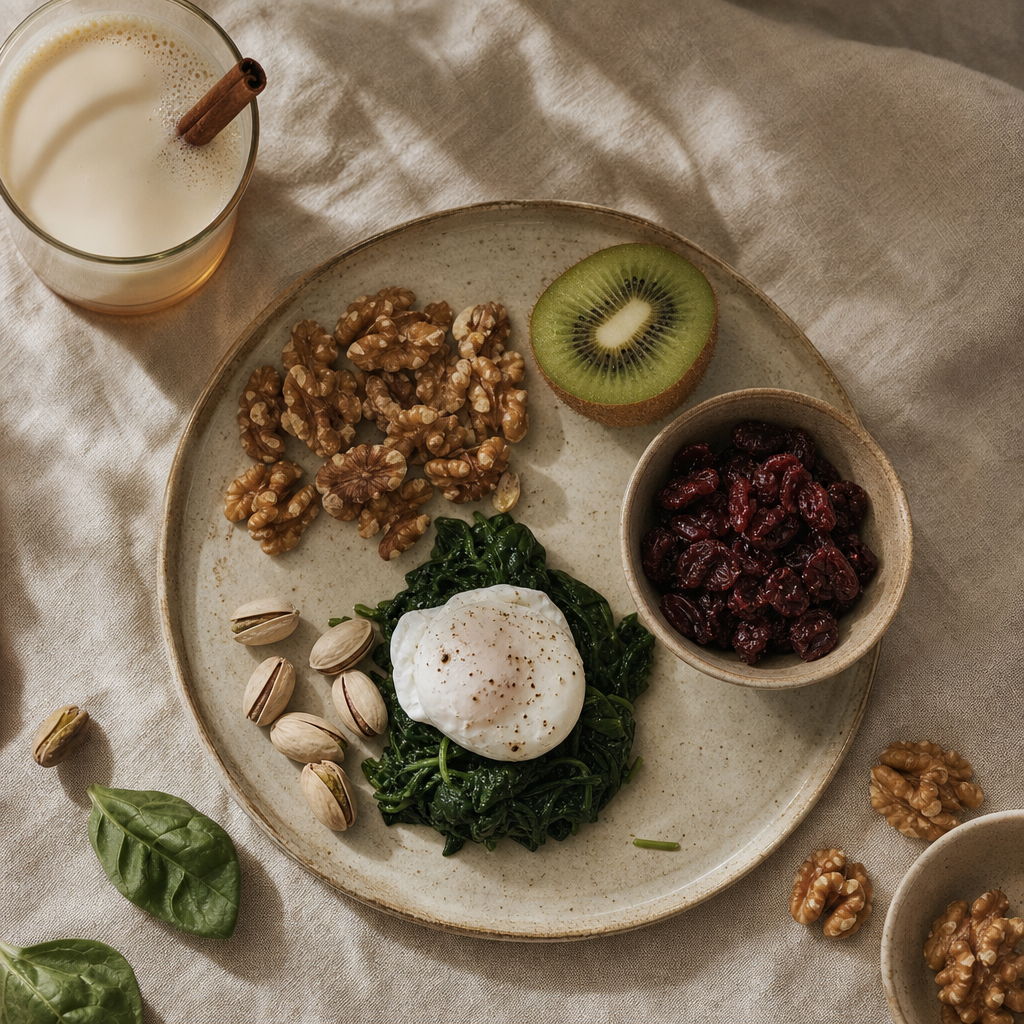
Slice 1-2 kiwis and arrange on a small plate with 1 ounce of shelled pistachios. That’s about a handful. Eat this 30-60 minutes before bed. Kiwi provides both melatonin and serotonin. Pistachios add more melatonin plus magnesium. The combination is simple, nutrient-dense, and requires zero cooking.
Food-Based vs Supplemental Melatonin: What’s Right for You?
This is a common question, and the answer matters. Let me break it down simply. Food-based melatonin and supplemental melatonin are not the same thing. Supplements typically contain 0.5 to 5 milligrams of melatonin per dose. Food sources contain far less — we’re talking nanograms per gram. That’s a thousand to a million times less. So why bother with food at all?
Because food works through multiple pathways. It’s not just the melatonin content. Foods that contain melatonin also provide tryptophan, magnesium, zinc, antioxidants, and other compounds that support your body’s own melatonin production. A review on the diet-sleep cycle from the Annual Review of Nutrition explains that whole dietary patterns rich in fruits, vegetables, and legumes predict better sleep outcomes than any single food or supplement. Plus, supplements are not FDA-regulated. The actual dose may not match what’s on the label. Food sources give you extra nutrition — fiber, vitamins, antioxidants — without those concerns.
When to choose food: You have mild sleep issues, prefer natural approaches, want a sustainable long-term solution, or are looking for a first step before trying supplements.
When supplements might make sense: You have diagnosed insomnia, a circadian rhythm disorder, jet lag from travel, or shift work sleep disorder. Always talk to your healthcare provider before starting any supplement.
Safety and Precautions
For most people, eating melatonin-rich foods as part of a balanced diet is perfectly safe. The amounts are gentle and work with your body’s natural rhythms. Possible mild side effects from natural melatonin sources are very rare and usually only come up with much larger amounts from supplements. That said, if you’re pregnant or breastfeeding, it’s always wise to talk to your healthcare provider about any dietary changes. The same goes if you take prescription medications — it’s never a bad idea to check in with your doctor when making big changes to your eating habits. For everyone else, including these foods in your evening routine is a low-risk, natural step toward better sleep.
Frequently Asked Questions About Natural Melatonin Sources
Q: Can I get enough melatonin from food alone?
For most people, yes — especially if you combine multiple melatonin-rich foods regularly. A 2026 scoping review on melatonin-containing foods and sleep found that eating a variety of these foods was linked to better sleep outcomes. The key is consistency. A single handful of walnuts won’t transform your sleep overnight. But eating them daily for several weeks, as the 2025 walnut study showed, can make a real difference.
Q: Does cooking destroy melatonin in foods?
Heat can reduce melatonin content, but the effect varies by food and cooking method. Light cooking, like poaching eggs or gently warming milk, preserves most of the melatonin. High-heat methods like frying may reduce it more. For maximum melatonin content, eat raw sources like walnuts, pistachios, and kiwi. For foods like eggs and fish, gentle cooking methods are best. This is another reason to include raw options like nuts and fruit in your evening snacks.
Q: What if I’m vegan or dairy-free? What are my best options?
You have plenty of excellent options. Walnuts and pistachios are top choices. Kiwi, tart cherries, and oats are all plant-based melatonin sources. Pumpkin seeds provide tryptophan and magnesium. For a plant-based “milk” option, oat milk naturally contains melatonin. Try warm oat milk with a sprinkle of cinnamon before bed. You can also try soybeans or edamame, which provide both melatonin and tryptophan.
Q: How long before I see results from eating melatonin-rich foods?
Some people notice improvements within a few days. For others, it takes several weeks of consistent intake. The 2025 walnut study showed measurable improvements after 8 weeks of daily consumption. Be patient. Unlike a sleeping pill that works the first night, food-based melatonin works subtly over time. Give it at least 2-4 weeks of consistent use before judging whether it’s working for you.
The Bigger Picture: Dietary Patterns for Better Sleep
Here’s the honest truth. No single food is a magic bullet for sleep. The research consistently shows that your overall diet matters most. A review on the diet-sleep cycle from the Annual Review of Nutrition found that whole diets rich in fruits, vegetables, legumes, and sources of tryptophan and melatonin predict the best sleep outcomes. This fits perfectly with TEOHL’s philosophy. The goal isn’t to eat one specific food before bed. It’s to build a diet that consistently supports your body’s natural sleep-wake rhythm. Think of natural melatonin sources as one piece of a larger puzzle. Combine them with good sleep hygiene — consistent bedtimes, limited screen time before bed, morning sunlight exposure — and you have a powerful, natural approach to better sleep.
The Bottom Line
You don’t need a pill to sleep well. Your body already has everything it needs to produce melatonin — it just needs the right raw materials. Natural melatonin sources like walnuts, tart cherries, kiwi, eggs, fatty fish, milk, and pistachios provide those materials in a gentle, sustainable way. The evidence is clear: eating these foods consistently can help you fall asleep faster, sleep more deeply, and wake up feeling more rested.
Start simple. Pick one or two foods from this list and add them to your evening routine this week. Try a handful of walnuts with your dinner. Or a warm glass of milk before bed. Or a kiwi sliced over a small bowl of oats. Small changes, repeated consistently, add up to real results. Your body knows how to sleep. Sometimes it just needs a little help remembering that it’s nighttime.