

Creatine for Muscle Growth: What the Science Really Says
Creatine for muscle growth works best with strength training. Here’s what the science says about dosing, women’s results, and safety.

Creatine for muscle growth works best with strength training. Here’s what the science says about dosing, women’s results, and safety.
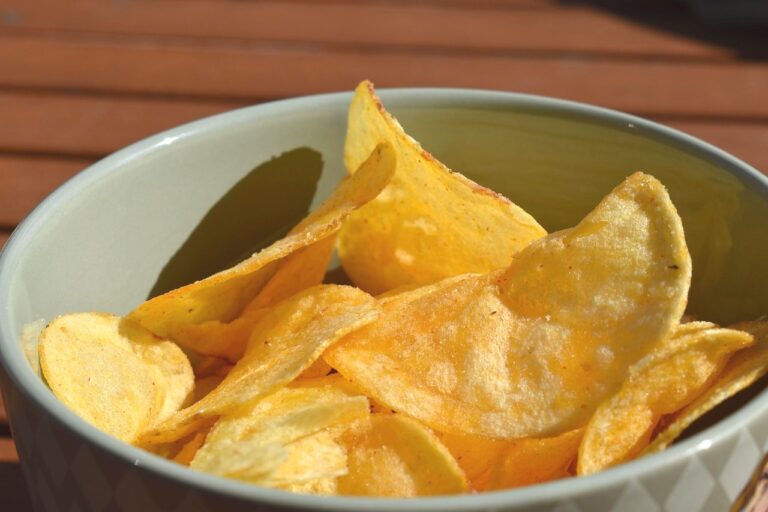
A small JAMA Psychiatry study found that sharply cutting ultra-processed food intake was linked to lower depression and anxiety scores — and the distinction between “processed” and “ultra-processed” matters. Here’s what the research really shows, its limits, and one small swap to try.

New brain scans link closer MIND diet adherence to about 2.5 years of slower brain aging. But a three-year trial found no clear edge over a low-calorie control diet. Here’s what the evidence really shows — and the swaps worth making tonight.
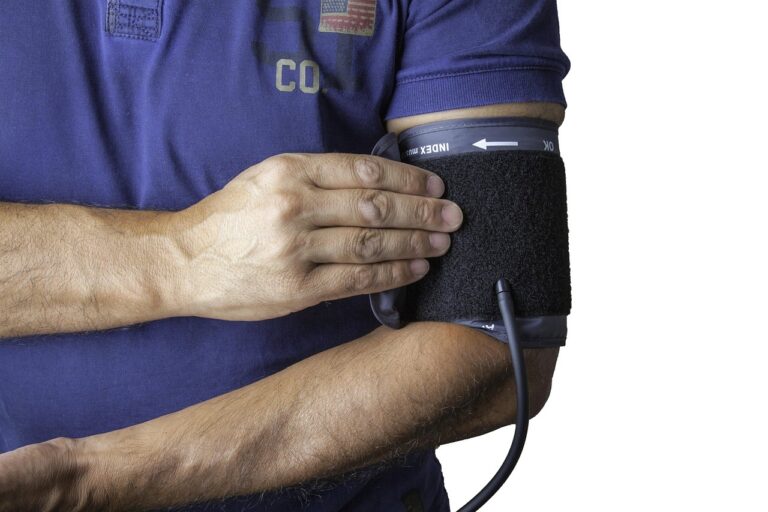
Nearly 6 in 10 people with high blood pressure don’t know they have it. Here’s why it stays silent, how to check your numbers accurately at home, and the everyday habits that genuinely move them.

Stress and aging are measurably linked. Here’s what the research shows about the invisible stressors — air pollution, noise, night-time light, money strain and loneliness — and what you can realistically do about them.

A 2026 study found the average product listed 16 ingredients but contained 51 detected chemicals — and 26% contradicted a claim on their own label. Here is why the label fails, why detection is not exposure, and what you can actually trust.

Early menopause is linked to faster memory decline and an earlier Alzheimer’s diagnosis — but the effect is modest. Here’s what the research really shows, why surgical and natural menopause differ, and the evidence-backed steps that protect your brain.

Bacon, deli slices, hot dogs and sausage are linked to higher stroke risk. Here’s how sodium, nitrites, saturated fat and gut bacteria add up — and the realistic swaps and everyday habits that lower your odds.

Positive age beliefs are linked to lower dementia risk, but the effect is modest and every study is observational. Here’s what the research really shows, where the limits are, and how mindset actually does its work.

A Finnish study linked higher coffee intake to less total and visceral fat and more muscle at similar BMIs. But one large study found nothing, one found the opposite, and the only controlled trial showed fat down and muscle up with zero change on the scale. Here is what the coffee and body fat research actually supports.