

Compression for Recovery: What the Research Really Says
Compression for recovery may ease soreness and it does improve blood flow, but the newest research shows it won’t make you faster. Here’s how to tell if it’s worth it for you.
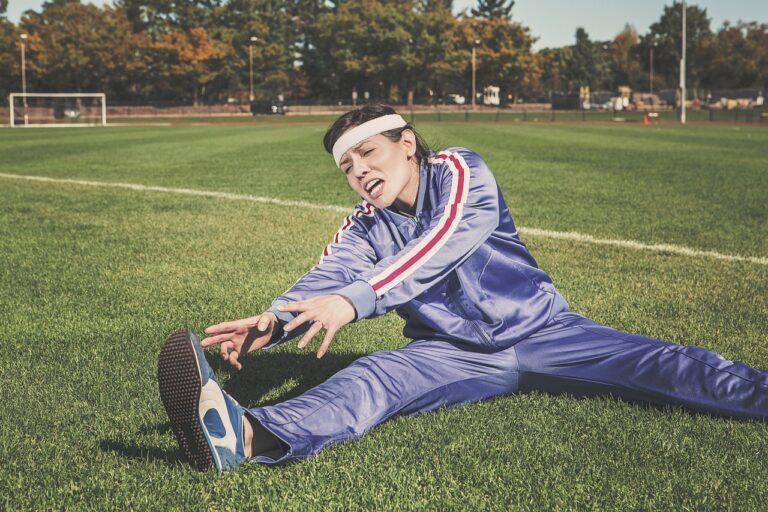
Compression for recovery may ease soreness and it does improve blood flow, but the newest research shows it won’t make you faster. Here’s how to tell if it’s worth it for you.

A new study links nighttime light exposure above about 3 lux to subtle structural changes in the heart. Here’s what the research found — plus a free 10-minute bedroom light audit you can run tonight.

Tart cherry for sleep has a genuine mechanism and genuinely mixed evidence. Here is what the studies found, the popular dose that failed in a randomized trial, and a no-added-sugar way to test it for yourself in two weeks.

Chronic stress doesn’t hit every brain the same way. Here’s what actually changes over time — why women’s attention and language may be hit harder, and the evidence-backed habits (sleep, movement, blood sugar, connection) that help you bounce back.

First-time stroke rates in adults ages 20 to 54 rose about 83% between 1993 and 2020 — even as rates in older adults fell. Here’s what’s driving the shift, the warning signs people dismiss as stress, the risk windows specific to women, and the numbers to check now.
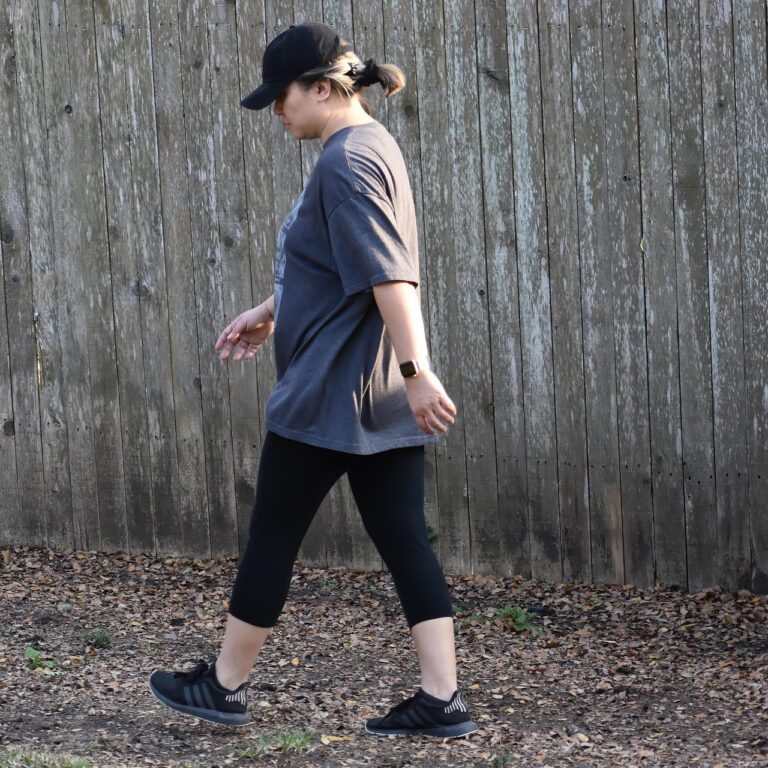
New research links about 45 minutes of moderate cardio, three to four days a week, to sharper executive function in postmenopausal women. Here’s the exact dose, a 12-week ramp-up plan for beginners, and what exercise honestly cannot promise.
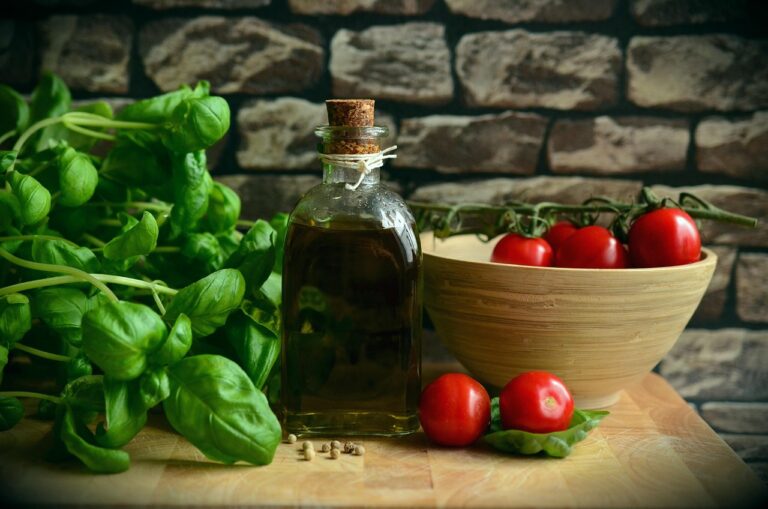
A two-year randomized trial found a Mediterranean-style program and a calorie-focused program produced nearly identical weight loss — but very different diet quality and satisfaction. Here is the practical answer to diet quality vs calories, with the honest limits of the evidence.
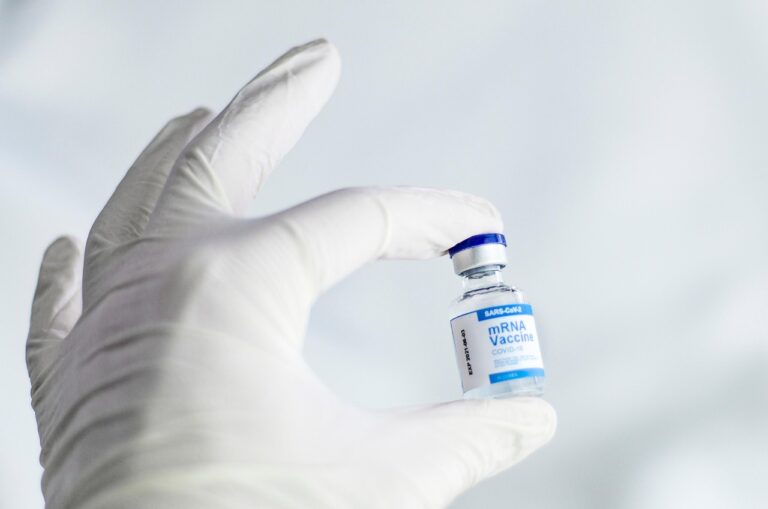
England recorded zero cervical cancer deaths in women aged 20 to 24 from 2020 to 2024 — but that “near zero” headline is widely misread. Here’s what the research really shows, why the 84%-100% range matters, and why vaccinated women still need screening.
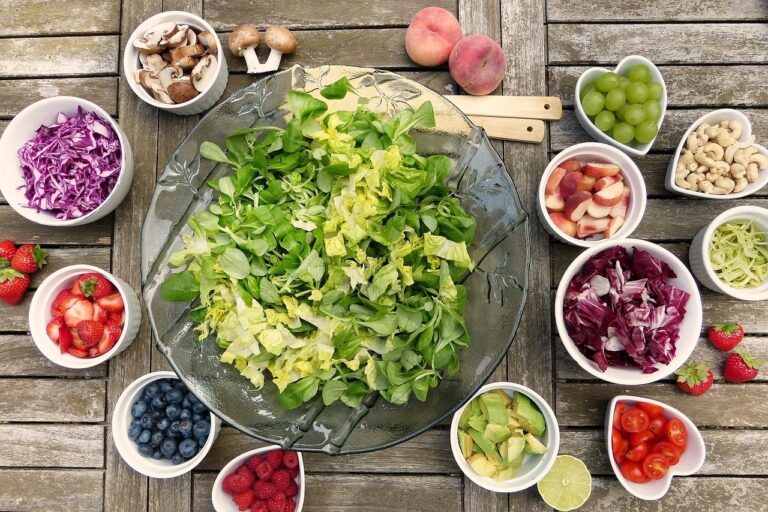
A four-week randomised trial in 104 adults aged 65–75 shifted a composite biological age score. Here’s what it actually measured, why protein stayed the same in every diet, and how to apply the principle at your own table.

You don’t need 10,000 steps to live longer. Research links three to five one-minute bursts of vigorous daily movement to substantially lower death rates. Here’s what the science shows, what it can’t do, and five realistic ways to build short bursts into an already busy day.