

Processed Red Meat and Stroke Risk: How Often Is Too Often?
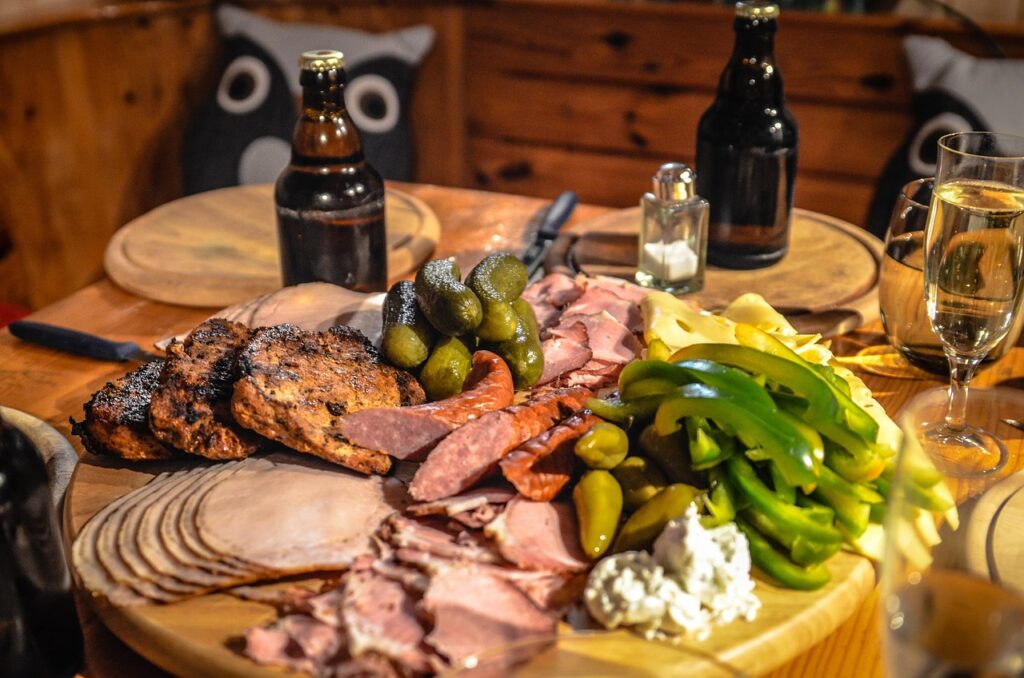
Key Takeaways
- People who eat processed red meat most often tend to have a higher stroke risk than those who eat it rarely.
- Sodium, nitrites and saturated fat each affect blood vessels in different ways.
- Research points to a gradual rise in risk as intake rises, so frequency matters more than perfection.
- Fiber, potassium, the DASH eating plan and daily movement all help protect you.
- Blood pressure is the leading modifiable stroke risk factor — and you can track it at home.
That turkey sandwich you grab on a busy Tuesday feels harmless. It’s fast, it’s filling, and it passes as protein. However, one food group keeps turning up in stroke research. That group is processed red meat — bacon, hot dogs, deli slices, salami and sausage.
Meanwhile, stroke rarely gets the attention that heart disease does. Yet the World Health Organization ranks it as the world’s number two cause of death. It is also a leading cause of long-term disability worldwide. So the real question isn’t whether these foods are “bad.” It’s how often they land on your plate.
Here’s the good news: you don’t have to swear off bacon forever. Frequency matters far more than perfection. Below, we’ll walk through how these foods affect your blood vessels, what a higher risk really means, and the swaps that actually stick.
Quick Answer: Does processed red meat raise stroke risk?
Research links frequent intake to a higher stroke risk than rare intake — the key word is frequent. An occasional slice of bacon is very different from a daily deli sandwich. Cutting back, adding fiber and potassium, and tracking your blood pressure give you the most control.
Processed Red Meat and Stroke Risk: What the Research Shows
An ischemic stroke happens when a clot blocks blood flow to the brain. According to the CDC, that’s the most common type. Diet can push your risk up or down.
Observational studies keep finding the same pattern: the heaviest processed red meat eaters tend to have a modestly higher stroke risk than the lightest. People who rarely eat these foods sit at the other end of that range.
One important caveat comes with these findings. The studies track people over time, so they show an association rather than proof of cause and effect. People who eat a lot of processed meat may differ from those who don’t in other ways. They may exercise less, sleep worse, or eat fewer vegetables.
There’s also a dose pattern. Risk doesn’t seem to appear at one magic threshold. Instead, it tends to climb as intake climbs — a gradual, step-by-step increase with each additional serving.
Four Ways These Foods Work Against Your Blood Vessels
The sodium, nitrites and saturated fat in processed meat act on your body in different ways. Your gut bacteria add a fourth pathway. Together, these effects raise blood pressure, stiffen arteries and make clots more likely.
1. Sodium Pushes Blood Pressure Up
Salt is one of the most common preservatives in cured meat. As a result, these foods deliver a lot of sodium. Excess sodium pulls water into your bloodstream. More fluid means more pressure inside your vessels, so your heart works harder to move blood around.
Over time, that steady load can stiffen your arteries and push your pressure even higher. High blood pressure is the leading modifiable risk factor for stroke. Most of the sodium we eat doesn’t come from the shaker, either. It comes from packaged and restaurant food, according to the CDC.
2. Nitrites May Affect Blood Vessel Walls
Nitrites keep meat pink and block harmful bacteria. That’s a genuine food-safety benefit. However, in your stomach, nitrites react with protein and iron. That reaction creates compounds called nitrosamines.
Some research links a high intake of nitrite-preserved foods to a greater likelihood of developing high blood pressure. Still, findings on dietary nitrates and nitrites are not uniform. In fact, some studies suggest nitrate-rich vegetables may support healthier blood pressure.
3. Saturated Fat and Cholesterol
Most of the calories in a hot dog come from fat. A sizeable share of that fat is saturated — the type that raises LDL cholesterol, often called the “bad” cholesterol.
Your liver normally clears LDL from your blood. Yet when saturated fat floods in, the liver slows that cleanup. As a result, LDL lingers and can build plaque inside artery walls. Plaque narrows the path blood takes to your brain.
Observational studies have linked regular processed-meat intake to a higher likelihood of elevated cholesterol, in both women and men.
4. Gut Bacteria and TMAO
Your gut bacteria shape your blood vessel health too. Red and processed meats feed microbes that produce a compound called TMAO, short for trimethylamine N-oxide. Your body makes it when gut bacteria break down certain compounds found in meat.
TMAO appears to make blood more prone to clotting and to accelerate arterial stiffening — two pathways that raise stroke risk. Additionally, some research suggests higher TMAO levels may relate to higher blood pressure.
What a Higher Risk Actually Means for You
A higher risk sounds alarming, and it deserves your attention. However, relative risk always depends on where you start. If your baseline risk is low, a modest bump stays small. If you already have high blood pressure, that same bump carries more weight.
Here’s the practical version. If processed red meat is a daily habit, your starting point creeps up. A daily deli sandwich is a very different habit from a weekend hot dog. So take an honest look at your own plate.
A Quick Reality Check
- Everyday: deli sandwich at lunch, bacon at breakfast, sausage in the pasta sauce.
- A few times a week: one of those, not all three.
- Occasional: a hot dog at a ballgame, bacon on a birthday morning.
Moving from the first row to the third is where most of the benefit lives. That shift is realistic for almost anyone.
How to Cut Back on Processed Red Meat Without Giving Up Favorites
You don’t need a dramatic overhaul. Start with one meal you eat often. Because small changes repeat, they beat strict rules you abandon by Friday. If cutting back feels restrictive, our beginner’s guide to intuitive eating can help you keep it balanced.
Try these swaps:
- Swap half your deli meat for avocado, tomato, lettuce or cucumber.
- Reach for roasted chicken or turkey breast, canned salmon, tuna, eggs or hummus.
- Use one slice of bacon as a flavor accent instead of a full portion.
- Choose a grilled chicken sausage instead of a hot dog.
- Buy lower-sodium versions when you do purchase packaged meats.
Also, watch the label wording. Many products labeled “no nitrates added” are cured with celery powder, a natural source of nitrates. In other words, they are still processed meats. They may be a small step better, but they aren’t a free pass. For more label-reading help, see our guide to ultra-processed foods at the grocery store.
Another habit that helps: decide which days you’ll have these foods and which days you won’t. A weekly limit feels far easier to keep than a permanent ban.
The Habits That Help Offset Your Stroke Risk
Cutting back on processed red meat is only half the picture. What you add matters just as much.
Add More Fiber
Fiber does quiet work in the body. It helps lower LDL cholesterol, steady blood sugar and ease blood pressure. Furthermore, it helps you feel full after meals. Build your plate around fruits, vegetables, whole grains, nuts and seeds.
Reach for Potassium
Potassium helps counter sodium’s effect on blood pressure. Reach for beans, lentils, edamame, baked potatoes, acorn squash, bananas and dried fruit. Adding one potassium-rich food to lunch and dinner is a simple, practical habit.
Try the DASH Eating Plan
The DASH eating plan was designed to lower blood pressure. It emphasizes vegetables, fruits, whole grains, lean protein and low-fat dairy. Because blood pressure is the leading modifiable stroke risk factor, this pattern targets the right problem.
Move Often
Activity protects your brain in several ways at once. It lowers blood pressure, improves blood sugar and reduces inflammation. The American Heart Association recommends at least 150 minutes of moderate activity each week. Then add two muscle-building sessions on top of that.
Know Your Numbers
High blood pressure usually causes no symptoms at all. That’s why a home monitor is so useful. A couple of minutes, a few times a week, tells you a lot. Then bring those readings to your next appointment.
Common Questions About Cutting Back
Can I ever eat bacon again?
Yes. The goal is occasional, not never. Think of these foods as a treat rather than a daily staple.
Is “nitrate-free” deli meat safer?
Not necessarily. Many of these products are cured with celery powder, which also contains nitrates. Treat them as processed foods and keep portions modest.
Does processed red meat mean only hot dogs and bacon?
No. Deli turkey, ham, salami, pepperoni, jerky and sausage all count. The common thread is curing, salting or smoking.
Is unprocessed red meat just as risky?
The evidence is strongest for processed forms. Still, many experts suggest keeping red meat portions modest as part of a balanced plate.
How quickly can diet changes help?
Blood pressure often responds fairly quickly to diet changes. Stroke risk reflects your overall pattern over years, so consistency counts most.
When should I seek medical help?
Call 911 right away for sudden face drooping, arm weakness, trouble speaking, vision loss or a severe headache. Fast treatment saves brain tissue. Also, talk with your clinician about your personal risk if you have high blood pressure, high cholesterol, diabetes or a family history of stroke.
The Bottom Line
Processed red meat isn’t poison, and one hot dog won’t cause a stroke. However, the research is consistent about frequency. The more often these foods appear on your plate, the higher your risk tends to run.
So the fix isn’t a strict ban. It’s a smaller, less frequent role for these foods. Start with one swap this week. Add fiber and potassium while you’re at it. Finally, check your blood pressure, because that number tells you the most.
Protecting your brain doesn’t require perfection. It requires a pattern you can keep for years, not weeks.
Trusted Sources
- WHO: The top 10 causes of death — stroke is the world’s number two cause of death.
- CDC: Stroke facts — ischemic stroke is the most common type, plus FAST symptoms and 911 guidance.
- CDC: Sodium — most sodium comes from packaged and restaurant food.
- CDC: Blood pressure — checking your numbers at home.
- NHLBI: DASH eating plan — a pattern designed to lower blood pressure.
- American Heart Association: Stroke — physical activity guidance for stroke prevention.