

High Blood Pressure: How to Know Your Numbers at Home
Key Takeaways
- In a screening study of 1.4 million adults in England, 58.8% of high blood pressure cases had never been detected.
- Estimates vary by country and method. The World Health Organization puts the global figure at about 44% unaware.
- In the US, the threshold is 130/80 mm Hg. The World Health Organization uses 140/90. Both are correct for their regions.
- Home checks work — but only with a validated upper-arm cuff. Cuffless watches and rings are not accurate enough yet.
- Sodium, potassium, movement, sleep and stress all shift your numbers. Small, steady changes add up.
- A confirmed reading of 180/120 or higher, with chest pain or vision changes, is an emergency. Call 911.
Roughly 6 in 10 people with high blood pressure don’t know they have it. Not because they ignored warning signs — because there usually aren’t any.
That finding comes from a screening study of 1.4 million adults in England. In that cohort, 58.8% of high blood pressure cases had never been detected.
Other estimates vary, though. The World Health Organization puts the global figure at about 44% unaware. US estimates have run closer to one-third. The percentage depends on who was screened and how.
The common thread across every estimate is the same. A very large share of cases go unnoticed.
Here’s the encouraging part. A check takes about a minute. And the habits that lower your numbers are probably familiar already. You just need the specifics.
Quick Answer: Why Is It So Often Missed?
Because high blood pressure rarely produces symptoms. There is no headache, no racing pulse, nothing your body can feel. Measuring your numbers is the only reliable way to know them.
Why High Blood Pressure Stays Silent
Think of it as a plumbing problem, not a pain problem. Blood pushes harder against your artery walls than it should. Your heart works harder to move that blood around. None of it triggers a signal you can feel.
That’s why clinicians call hypertension the silent killer. According to the World Health Organization, most people with hypertension feel nothing at all. Damage builds quietly in the heart, brain, kidneys and eyes. Midlife pressure even shapes later brain health — see blood pressure and brain aging.
Here’s where people get tripped up. Headaches, nosebleeds, dizziness, sweating and facial flushing are widely believed to signal hypertension. They usually don’t. Those symptoms overlap with dehydration, stress, allergies and a dozen everyday problems.
That myth survives because it’s partly true. When a reading reaches 180/120 or higher, symptoms can appear. Severe headache, chest pain, blurred vision and shortness of breath all become real warning signs at that level.
Symptoms That Do Not Mean High Blood Pressure
Headaches, nosebleeds, dizziness, sweating, facial flushing and blood spots in the eyes are commonly blamed on blood pressure. Research suggests they are not reliable indicators. If you have any of them, it is still worth mentioning — but they usually point somewhere else.
What Counts as High Blood Pressure — and Why Sources Confuse People
Here’s a wrinkle that confuses almost everyone. The United States and much of the rest of the world draw the line in different places.
The CDC defines high blood pressure as consistently at or above 130/80 mm Hg. The World Health Organization sets its threshold at 140/90. Both reflect careful research within their own health systems.
In practice, this means a UK article may call your reading normal while a US clinician flags it. Don’t panic. Ask which guideline your clinic follows, then treat that number as your target.
US Blood Pressure Categories
- Normal: under 120/80 mm Hg
- Elevated: 120–129 systolic and under 80 diastolic
- Stage 1: 130–139 systolic or 80–89 diastolic
- Stage 2: 140 or higher systolic or 90 or higher diastolic
- Hypertensive crisis: over 180/120 — seek emergency care if symptoms appear
One more thing matters here. A single high reading is not a diagnosis. MedlinePlus notes that providers take two or more readings on separate occasions before diagnosing high blood pressure.
Readings swing with stress, caffeine, a full bladder and even a rushed walk to the exam room. Therefore, one scary number rarely tells the whole story.
Who Gets Missed — and Why Feeling Fine Isn’t Protection
Picture someone in their late twenties. They lift weights, sleep reasonably well, and see a doctor about once a year. They are exactly the profile most likely to slip through.
A 2024 study of nearly 25,000 primary care patients found a striking pattern. Adults aged 18 to 44 had more than twice the odds of undiagnosed hypertension. Patients on Medicaid or paying out of pocket were also more likely to be missed.
A national survey in China found something similar. Among hypertensive adults under 35, 92.6% had never been diagnosed. The gap is widest at the youngest end of the age range.
The reasons go beyond personal habits. Insurance type, appointment frequency and access to care all shape whether a measurement ever happens. So does the simple fact that nobody asks.
That’s the real lesson here. High blood pressure doesn’t sort people by how fit or young they feel. It sorts them by whether someone put a cuff on their arm.
Checking Your Numbers at Home the Right Way
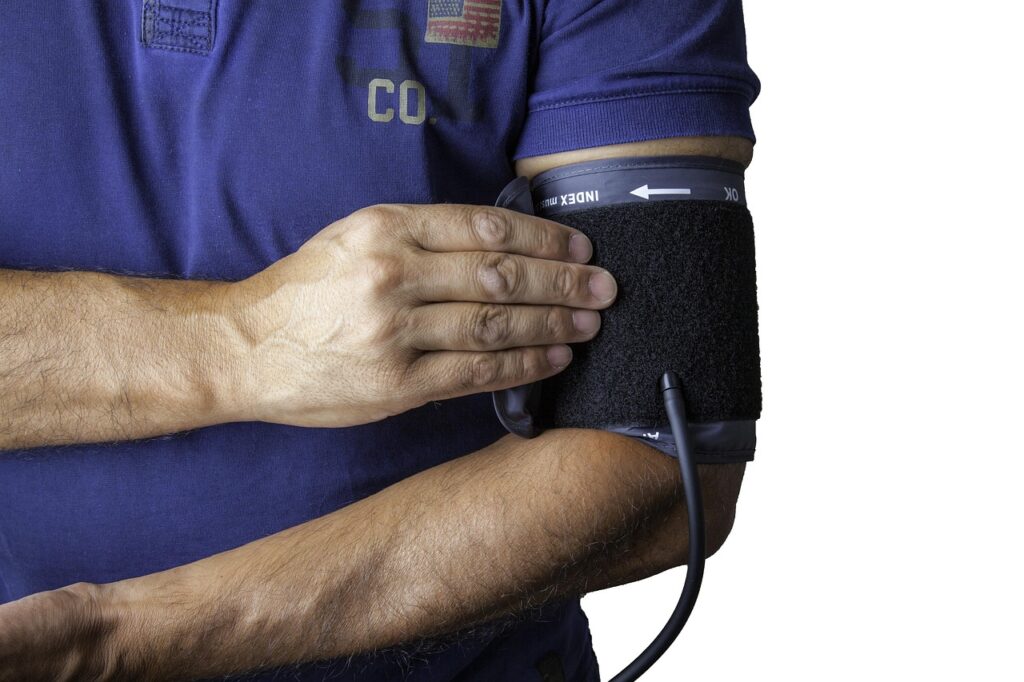
A home monitor turns a once-a-year guess into real information. Nevertheless, the device you choose matters enormously.
Buy an upper-arm cuff that has been clinically validated. Wrist and finger monitors are less accurate. A 2026 review in Hypertension Research reached a similar conclusion. No cuffless high blood pressure device is accurate enough for clinical use yet.
That includes smartwatches and rings that estimate pressure without a cuff. Some can flag a possible problem. However, any alert still needs confirmation from a real cuff.
Cuff size counts too. Measure your bare upper arm and match it to the maker’s range. An ill-fitting cuff can give you an inaccurate reading.
A Reliable Home Reading, Step by Step
- Skip caffeine, exercise and smoking for 30 minutes beforehand.
- Empty your bladder first.
- Sit quietly for five minutes before you begin.
- Keep your back supported and both feet flat on the floor.
- Rest your bare upper arm on a table, level with your heart.
- Take two readings a minute apart and write both down.
- Check at the same time each day so your log shows a pattern.
Then bring your log to your next appointment. Your clinician can spot patterns a single office reading would miss.
One caution: a home monitor is a tool, not a verdict. If home and office numbers disagree, that is a conversation for a professional. It is not a conclusion to reach alone.
Sodium and Potassium: The Two Levers That Matter Most
Sodium is the lever with the clearest evidence behind it. An umbrella review in Annals of Medicine examined the dose-response closely. Each extra gram of sodium per day was linked to about 0.6 mm Hg higher systolic pressure.
The same review tied each additional gram to roughly 4% higher cardiovascular risk and 6% higher stroke risk. Small numbers, repeated daily, add up fast.
So what should you aim for? The WHO suggests staying under 2 grams of sodium daily. US guidance generally caps sodium at 2,300 mg. The NHLBI notes that 1,500 mg lowers pressure further.
Here’s the practical part. Sodium adds up fast, and much of it arrives in packaged and restaurant food. Bread, deli meat, canned soup, condiments and takeout are common sources. Reading labels often beats simply salting less. For week-by-week grocery picks, see our high blood pressure foods grocery list.
Potassium works in the opposite direction. It helps your body flush sodium out. The DASH pattern leans on potassium-rich foods for exactly that reason. Adults are generally advised to aim for about 3,400 mg of potassium daily, or 2,600 mg for women, mostly from food.
Now, an important caveat. If you have kidney disease, or take an ACE inhibitor, an ARB or a potassium-sparing diuretic, ask your clinician first. Increasing potassium is not a do-it-yourself change for everyone.
Potassium-enriched salt substitutes are another option. A 2026 network meta-analysis in BMC Medicine found they lowered systolic pressure by roughly 4.4 to 4.6 mm Hg. The same kidney screening applies first.
Does the DASH Pattern Actually Lower Blood Pressure?
DASH stands for Dietary Approaches to Stop Hypertension. It emphasizes vegetables, fruit, whole grains, beans, nuts, fish and low-fat dairy. A 2026 meta-analysis of 14 trials found it lowered systolic pressure by about 5.5 mm Hg.
On the flip side, an independent 2026 review found DASH was not clearly better than other structured diets. The honest takeaway? The nutrient pattern matters more than the label on the plan.
Movement, Sleep and Stress
Exercise may be the most underrated tool on this list. Current guidance calls for 150 minutes of moderate activity weekly. Add strength training twice a week.
A 2026 dose-response analysis placed the biggest reductions near 1,400 to 1,500 MET-minutes per week. Interestingly, more was not always better. The authors rated that evidence low-certainty, so treat the figure as an estimate rather than a target.
Sleep deserves more attention than it gets. A 2026 review in Current Hypertension Reports identifies sleep as a modifiable risk factor for high blood pressure. Both duration and quality seem to matter.
Loud snoring, gasping at night or heavy daytime sleepiness are worth mentioning to a clinician. Obstructive sleep apnea can push pressure upward and often goes undiagnosed.
Aim for seven to nine hours with consistent timing. Be aware that very long sleep has also been linked to worse outcomes. Regularity counts as much as total hours. Evening habits matter too — see 5 things to avoid after 5 PM to lower blood pressure.
Stress is harder to study, but the early evidence is encouraging. A small 2026 randomized trial found that mindfulness plus aerobic exercise worked better than either alone.
Keep that in perspective, though. The trial included just 58 people over six weeks. Stress reduction likely adds to your other habits. It does not replace them.
When to See a Doctor — and When to Call 911
Ask for a professional opinion if home readings sit at 130/80 or higher on several days. Bring your log with you. Also speak up if your numbers are treated but still high.
Sometimes one office reading isn’t enough to tell the story. If office numbers are high but home readings are normal, that may be a white-coat effect. If the reverse happens, it may be masked hypertension.
Both situations are common, and neither is your fault. A clinician may suggest 24-hour ambulatory monitoring, which records pressure across a full day and night.
Call 911 If a High Reading Comes With These
Chest pain, shortness of breath, back pain, weakness, confusion, severe headache, vision changes or vomiting — especially with a reading above 180/120. Rest for five minutes and recheck. If it stays that high, get emergency care.
Finally, never stop a blood pressure medication on your own just because your numbers improved. Those numbers improved because of the medication.
Common Questions
Can hypertension cause headaches?
Rarely. Most headaches have other causes. At 180/120 or above, a severe headache can be a warning sign worth acting on.
How often should I check my numbers?
If your readings are normal and you have no risk factors, a check at routine visits is usually enough. Ask your clinician whether your history calls for more.
Do I need a smartwatch to track this?
No. Cuff-based monitors remain the standard. Watches that estimate pressure without a cuff are not accurate enough for diagnosis yet.
Can I lower my numbers without medication?
Sometimes. Lifestyle changes can be powerful, and many people still need medicine. Needing it is not a personal failure.
The Bottom Line
High blood pressure earns its nickname for one reason: it doesn’t announce itself. Roughly 6 in 10 cases in a large English screening study went unnoticed. The people most likely to be missed are often the ones who feel healthiest.
The fix is refreshingly simple. Know your numbers. Use a validated upper-arm cuff. Check at the same times, log the results, and bring them to your clinician.
Then work the levers that genuinely move the needle — less sodium, more potassium-rich food, regular movement, consistent sleep and a real way to handle stress.
None of this demands perfection. It demands one measurement and a few steady habits. That’s a trade most of us can make.
Key Sources
- World Health Organization — Hypertension fact sheet
- US Centers for Disease Control and Prevention — About High Blood Pressure
- MedlinePlus (US National Library of Medicine) — High Blood Pressure
- NHLBI — DASH Eating Plan
- Hypertension Research — accuracy of wearable blood pressure monitors (2026)
- BMC Primary Care — risk factors for undiagnosed hypertension (2024)