

Supplements for Longevity: What the Evidence Really Shows
We graded the five most-hyped supplements for longevity on real trial evidence — with doses, ceilings, food-first swaps, drug-interaction flags, and an honest “what to skip” list.
Evidence-based guide to vitamin D benefits, deficiency, and supplementation for women.
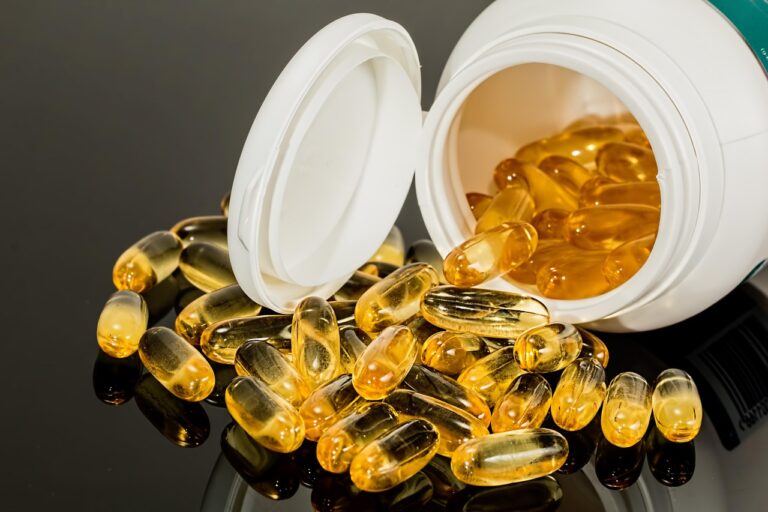
We graded the five most-hyped supplements for longevity on real trial evidence — with doses, ceilings, food-first swaps, drug-interaction flags, and an honest “what to skip” list.
Most “supplements for PCOS” lists skip the step that matters most: testing first. Here’s what the evidence actually supports, what to skip, and why high-dose biotin can wreck your thyroid and hormone labs.
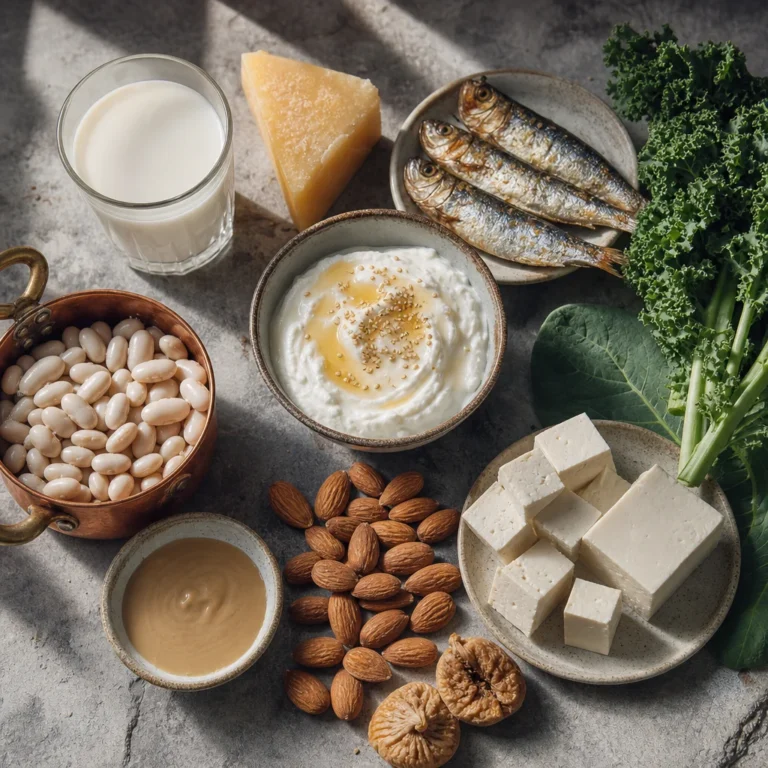
Dairy isn’t the only way to get calcium. Discover the best foods high in calcium — from sardines and calcium-set tofu to collard greens — plus two sample days that hit 1,000 mg.

Most spine surgery patients have low vitamin D — a fixable risk factor linked to slower bone fusion and more complications. Learn how to get tested, what your level should be, and how to raise it safely before surgery.
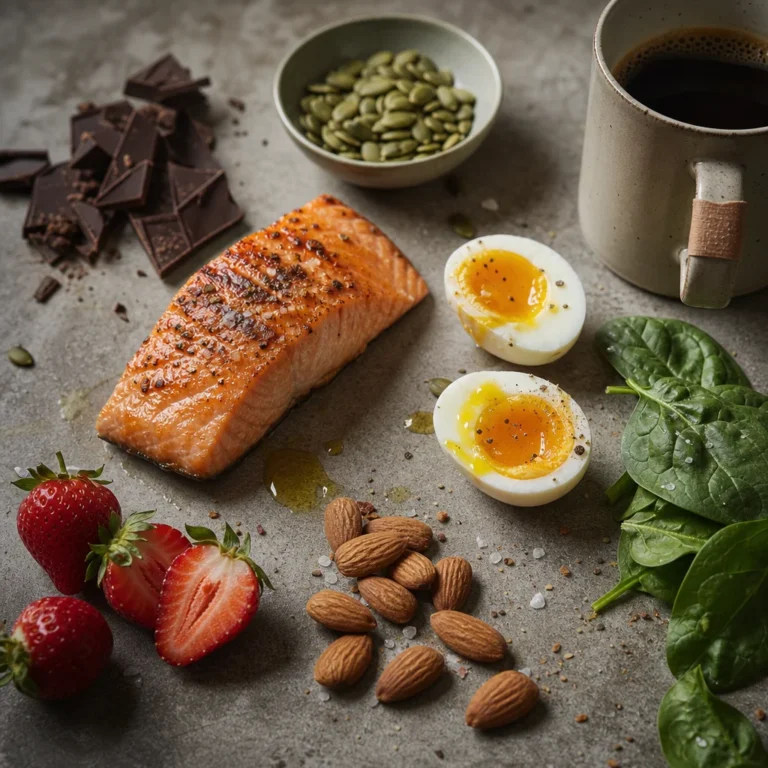
Caffeine is a band-aid — these 5 nutrients for energy are the real fuel. Learn the best food sources, who’s at risk, and which labs to ask for.

Is low vitamin D causing your muscle loss? Learn how vitamin D deficiency contributes to age-related muscle loss, what blood levels to target (30–50 ng/mL), and how D3, magnesium, and protein work together to protect your strength.

Age-related muscle loss has a specific cellular cause—a ‘rusted’ repair protein. Learn about the LASSS compound that may reverse it, plus science-backed strategies you can use today.
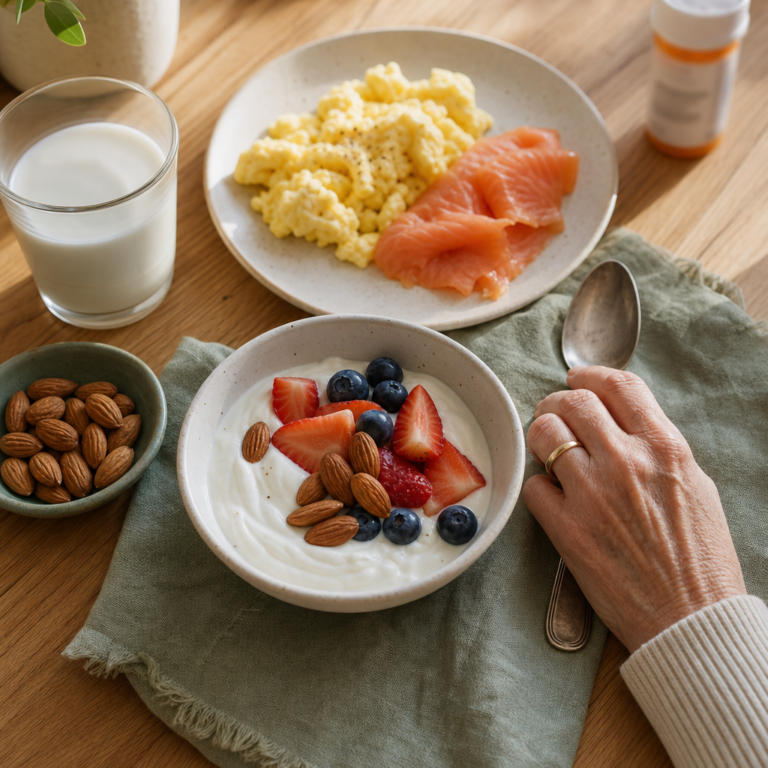
Your osteoporosis medication slows bone loss, but it can’t build bone on its own. Discover three evidence-based lifestyle changes — protein, exercise, and fall prevention — that help your prescription work better and protect your bones.

Science says the five most important nutrients for hair are protein, iron, vitamin D, omega-3s, and zinc. Learn why each matters and the best food sources — no expensive supplements required.

Most multivitamins use low-quality, poorly absorbed ingredients. Learn how to spot a quality multivitamin with our simple checklist — third-party seals, active forms, and safe doses.