

Turmeric for Women Benefits: Doses, Evidence and Safety
Turmeric helps knee arthritis pain and inflammation markers — and little else. The real doses by form, the liver and iron warnings most pages skip, and who should not take it.
Science-backed content on protecting and supporting liver health through diet.
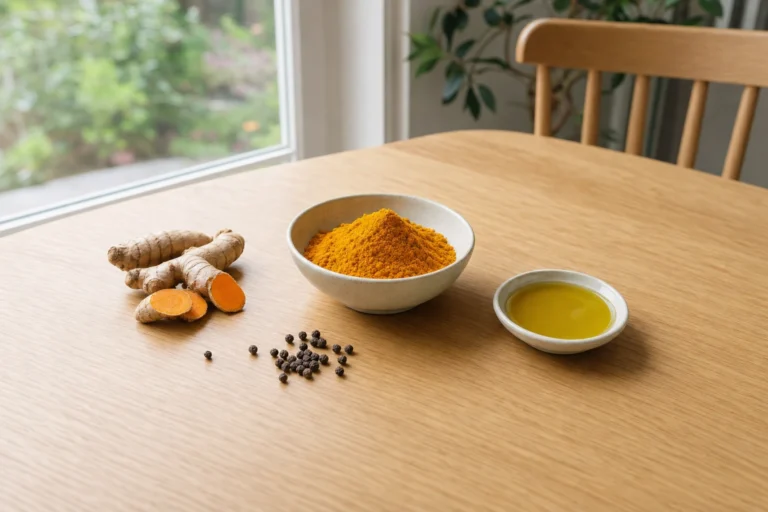
Turmeric helps knee arthritis pain and inflammation markers — and little else. The real doses by form, the liver and iron warnings most pages skip, and who should not take it.

How much cinnamon actually goes into the milk? 1/4 teaspoon — about 0.6 g — of Ceylon cinnamon in 8 oz of warm milk, 30 to 45 minutes before bed. Here are the grams, the timing, and the coumarin math most guides skip.

A major new study finds no heart-health benefit from light drinking and links even modest alcohol intake to cancer, heart disease, and earlier death. Here is why the “red wine is healthy” story collapsed, why the breast cancer link matters for women, and which small, sustainable cutbacks actually lower risk.
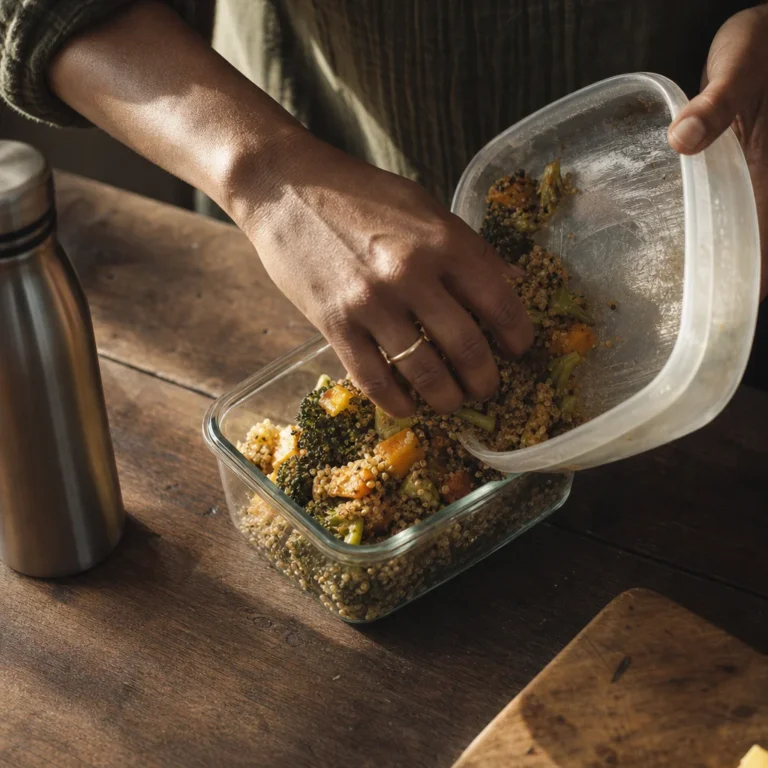
Mouse studies link polyethylene microplastics to worse fatty liver — but no human study shows cause. Here’s what the evidence really says, the dose gap nobody mentions, and the steps ranked by how strong the science is.
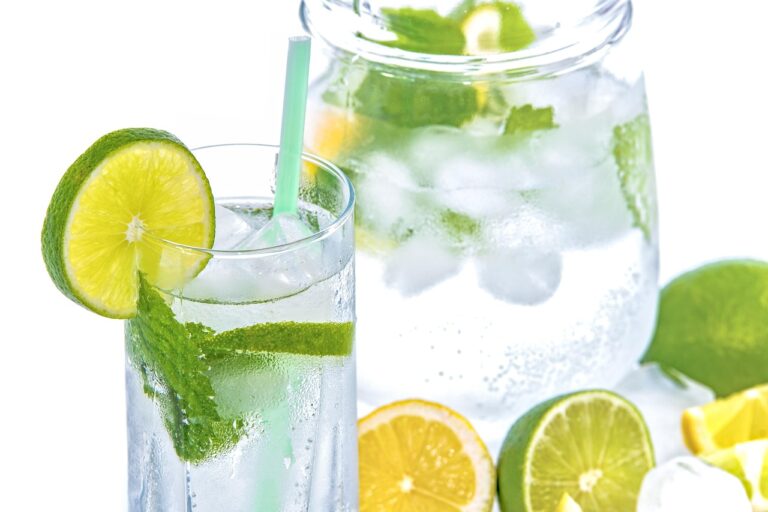
You don’t have to quit drinking to feel better. Here’s how to cut back on alcohol without the awkwardness — five ready-to-use scripts, smarter drink swaps, and a two-week plan that protects your sleep.

Even light drinking raises alcohol and cancer risk — especially breast cancer in women. Here’s what the science really says, the real per-100 numbers, and how cutting back (not quitting completely) can lower your risk.
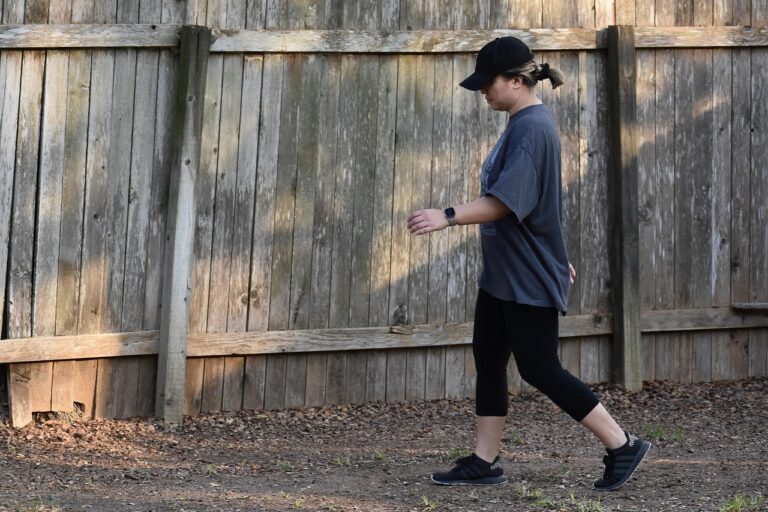
The liver brain connection is real science: exercise signals your liver to release a protective enzyme for your brain. Here’s what’s proven, what’s not, and how to use it today.
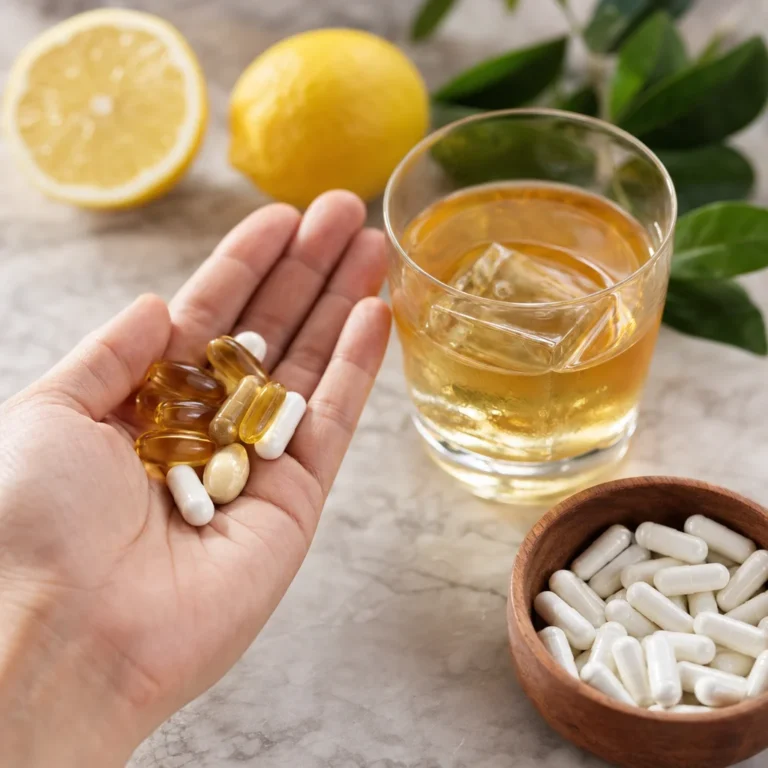
Your nightly glass of wine may be canceling out your supplements. Discover which four supplements don’t mix with alcohol — and how to protect your liver and sleep.
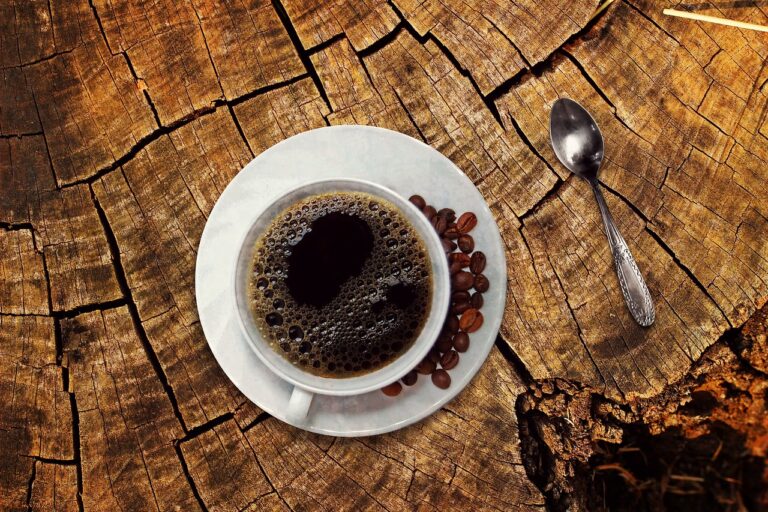
New research on coffee liver health shows that 1-4 cups daily may lower your risk of fatty liver, cirrhosis, and liver cancer. Here’s what the science says and how much you really need.
Can your morning coffee protect your liver? Dietitians explain the science behind how two to three unsweetened cups daily support liver health through antioxidants, anti-inflammatory effects, and better gut health.