

ACOG Menopause Guidelines 2026: What Changed, What to Ask
ACOG updated its menopause guidance for the first time since 2014. Here’s what actually changed for hot flushes, sleep and mood, what didn’t — and the questions worth asking your clinician.

ACOG updated its menopause guidance for the first time since 2014. Here’s what actually changed for hot flushes, sleep and mood, what didn’t — and the questions worth asking your clinician.
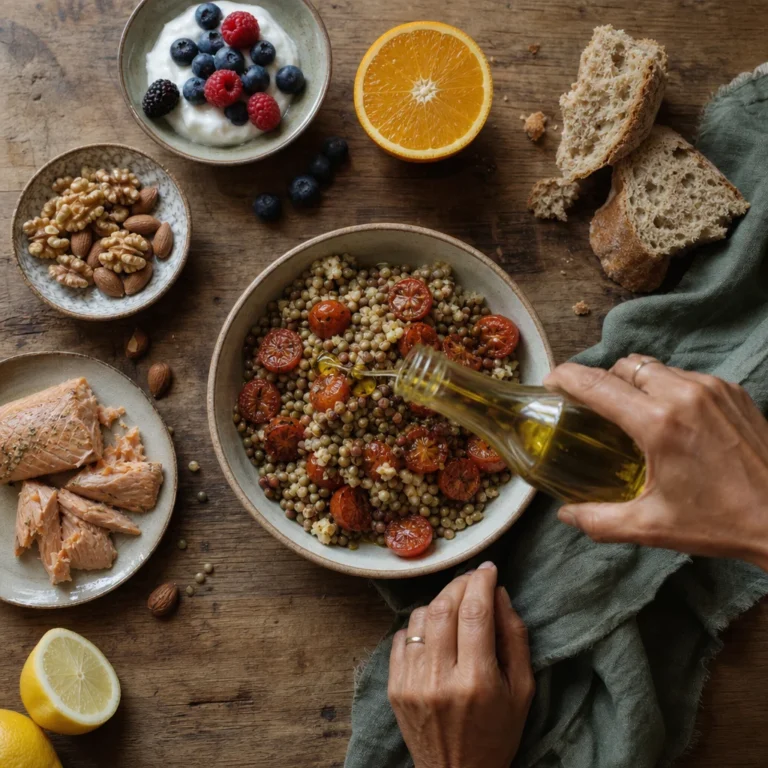
New blood-marker research gives the Mediterranean diet for longevity claim its strongest test yet: a 23% lower risk of death across four groups followed up to 25 years. Here’s what’s proven, what’s only linked, and the swaps that do the most work.
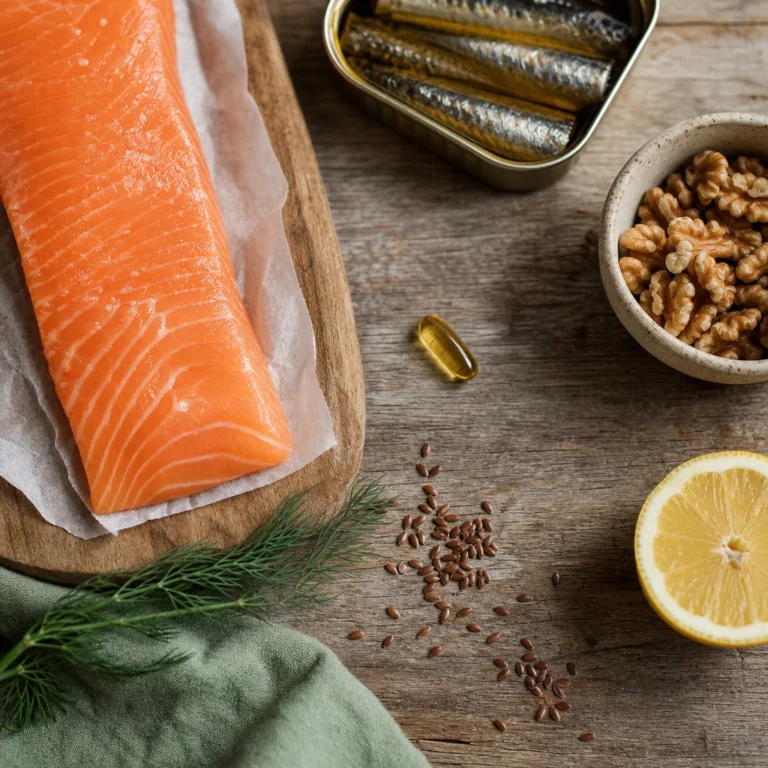
A two-year trial confirmed the omega-3s in fish oil really do reach the brain — and memory still didn’t improve. What that means for your supplement, the one group who should keep taking it, and what real food actually delivers.

Healthy brain aging isn’t just lucky genes. Here’s what research on SuperAgers supports, what’s still a link, and the habits worth building this week.

ACOG’s October 2026 clinical practice guideline strongly recommends menopause hormone therapy for hot flashes, night sweats, and the sleep disruption they cause. Here is how to know whether you are a candidate, what actually changed with the 2025 FDA label update, and what to do if hormones are not right for you.

A 1972 UK law kept teenagers in school one extra year. Fifty years later, that group had fewer dementia diagnoses. Here is what the study actually found, what brain reserve really is, and what helps at any age.
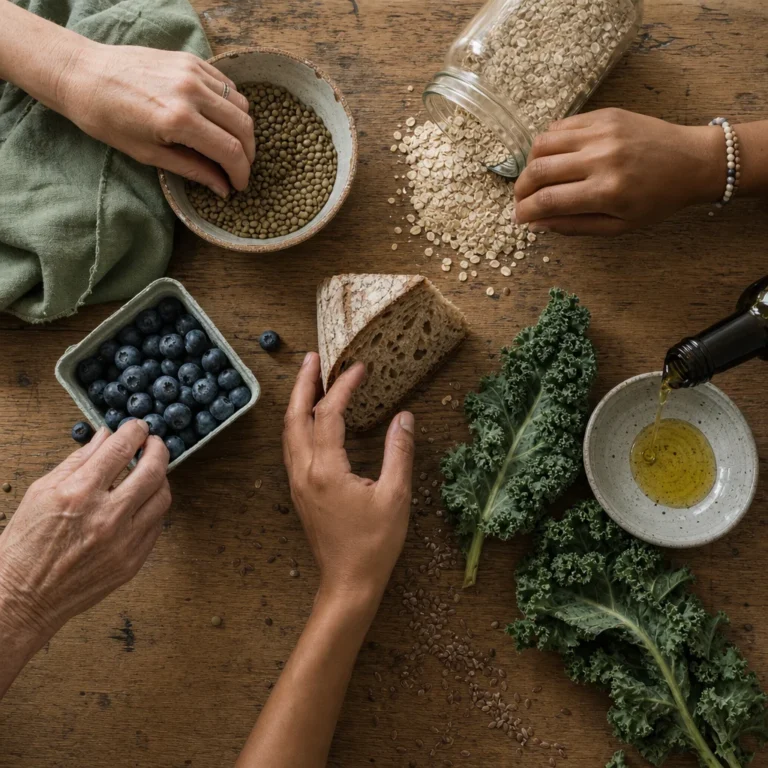
Ten diets for slower aging were all linked to slower biological aging in a 7,500-person study. But the real gap is about a year, not a decade — and a twin study suggests the link is smaller than headlines claim. Here are the five habits every pattern shares, and where to start this week.

ACOG has updated its menopause treatment guidelines for the first time since 2014. Here is what changed, who hormone therapy may suit, how local and whole-body treatment differ, and the questions to bring to your clinician.

Creatine for muscle growth works best with strength training. Here’s what the science says about dosing, women’s results, and safety.

Most healthy adults over 60 need 1.2–1.6 g of protein per kilogram daily to protect muscle. Here’s how to hit your target with real food and strength training.