

5 Best Fruits for Brain Health, Backed by Science
Blueberries, citrus, dark grapes, strawberries and pomegranates have the strongest evidence for brain health. Here’s how much to eat and easy ways to enjoy them every day.
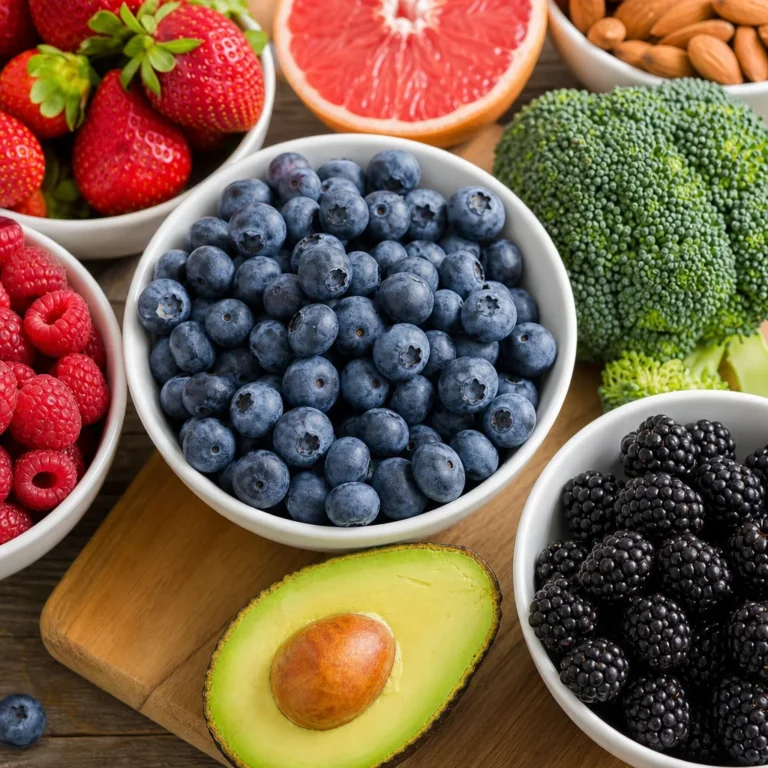
Blueberries, citrus, dark grapes, strawberries and pomegranates have the strongest evidence for brain health. Here’s how much to eat and easy ways to enjoy them every day.

Everyday traffic noise is linked to a higher risk of cognitive decline. Here’s how noise reaches your brain — and the daily habits that actually help protect it.

The healthspan vs lifespan gap is widening — and women lose 12.1 healthy years. Here’s what the new research says and how to add years you can actually enjoy.

New research shows collagen supplements target overlooked causes of skin aging beyond wrinkles, including oxidative stress, glycation, and cellular energy loss. Here’s what science reveals about collagen for skin health.
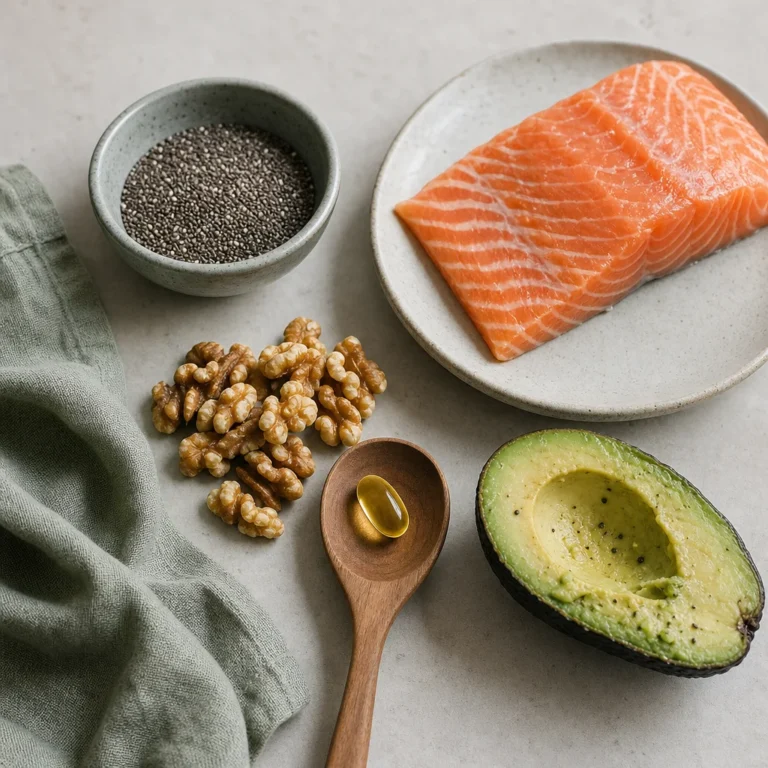
New CDC data reveals only 2% of Americans have optimal omega-3 levels. Learn the signs of omega-3 deficiency, how to test your Omega-3 Index, and exactly how to fix it with food and smart supplementation.

New research links frequent TV watching in midlife to brain changes and dementia risk. The surprising finding? Sitting at a desk didn’t show the same effects — what matters is what you do while sitting. Discover easy swaps to protect your brain health.
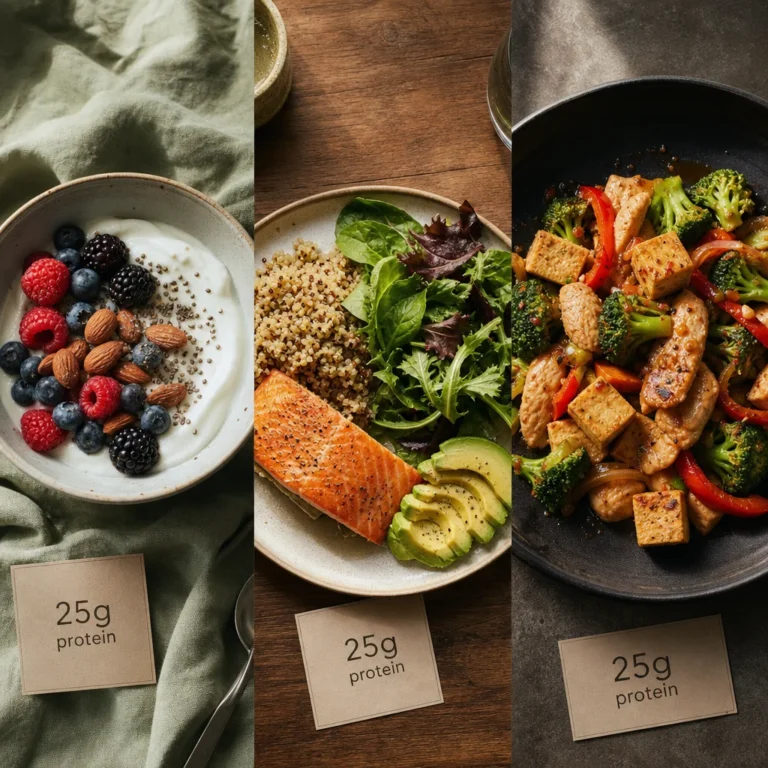
Learn why eating protein at every meal — not just dinner — is the simple shift that helps women over 50 maintain muscle strength, energy, and independence. Includes a sample day, protein target calculator, and 3 easy swaps.

New research links glucosamine to Alzheimer’s progression risk. Should you stop your joint supplement? Get the facts before you decide.

Can a daily multivitamin support heart health? A 3-year COSMOS trial reveals modest benefits for daily symptoms but no evidence it prevents heart attacks or extends life. Here’s what the science says.
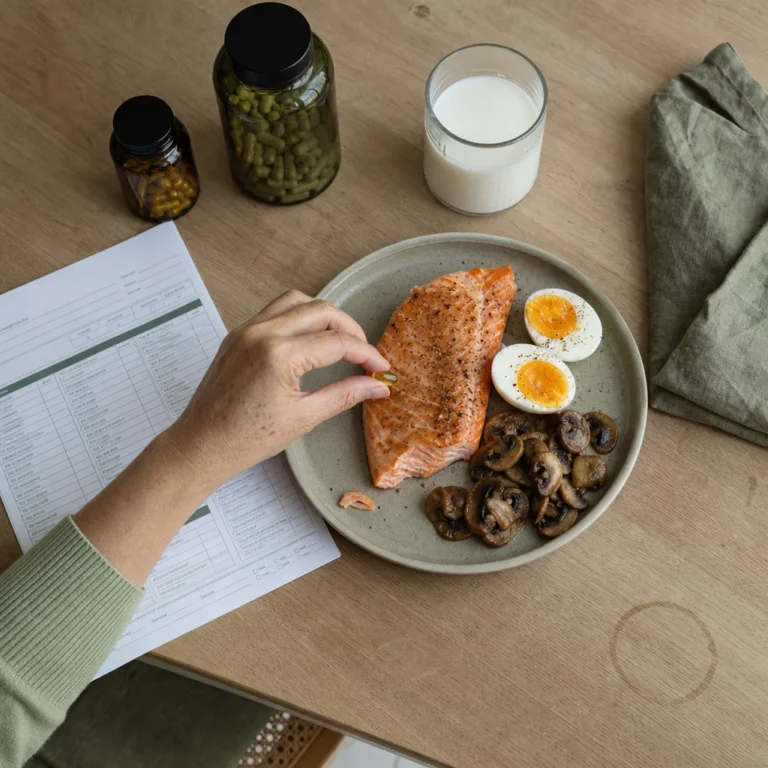
Is low vitamin D causing your muscle loss? Learn how vitamin D deficiency contributes to age-related muscle loss, what blood levels to target (30–50 ng/mL), and how D3, magnesium, and protein work together to protect your strength.