

Aerobic Exercise Brain Health: A Post-Menopause Guide
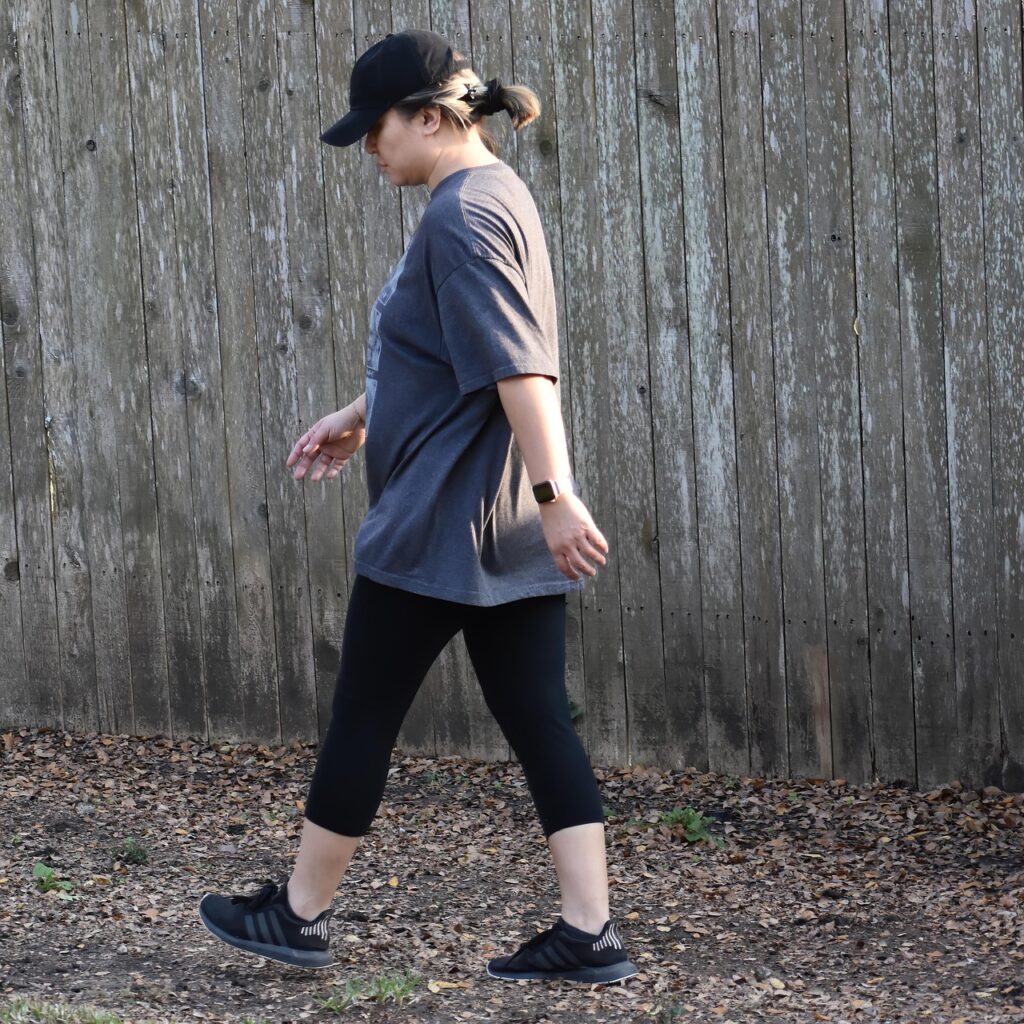
Key Takeaways
- Postmenopausal women who did about 45 minutes of moderate cardio four days a week sharpened their executive function. That means better planning, focus and task-switching.
- Gains showed up at three months and kept building through six months.
- The improvement was specific to executive function. Memory and processing speed did not change in this trial.
- Exercise does not prevent Alzheimer’s disease. Think cognitive resilience, not a guarantee.
- The public-health floor is 150 minutes of moderate activity a week. The trial dose was closer to 180.
Picture this: you walk into the kitchen, stop cold, and cannot remember why you are there. You laugh it off. Then you wonder, quietly, whether it means something. That small moment explains why aerobic exercise brain health is suddenly everywhere in the news.
Here is what happened. A six-month randomized trial followed 93 healthy women, ages 20 to 67. About 43% of them were postmenopausal. Every woman started with below-average fitness and was not exercising regularly.
Women who did moderate aerobic exercise improved their executive function more than women who stretched and toned. The postmenopausal women gained the most. Below, we cover the exact dose, how to build up to it, and what the science still cannot promise.
Quick Answer: How much cardio does your brain need?
Two numbers matter. The public-health baseline is 150 minutes of moderate activity per week. The dose studied for thinking skills after menopause was about 45 minutes of moderate cardio, three to four days a week. Start with the 150-minute floor and build toward the longer sessions.
Aerobic Exercise Brain Health: What the New Study Found
Researchers randomly split the women into two six-month programs. One group did aerobic exercise four days a week. The other did stretching and toning.
By three months, the aerobic group was already ahead. By six months, the gap had widened. The 2026 Journal of Alzheimer’s Disease trial found that menopause status changed how much women gained.
Postmenopausal women in the aerobic group improved more than the stretching group. They also improved more than premenopausal women doing the same workouts. Those results held after researchers adjusted for age, education and baseline thinking scores.
Now, here is the part most headlines skipped. This was a secondary analysis, meaning a second look at data from a trial built for another purpose. It included 93 women, and 76 finished. So treat it as promising evidence, not proof.
Still, the finding fits a wider body of aerobic exercise brain health research. A 2026 peer-reviewed review published in NeuroSci looked at 165 studies and found broader benefits across executive function, memory and global cognition. It credits the memory gains mainly to resistance training and mixed-modality programs, not the aerobic protocol tested here.
What Counts as Moderate Cardio? Try the Talk Test
Moderate intensity has a simple definition. The CDC puts it at a 5 or 6 on a 10-point effort scale. Sitting counts as 0. Working as hard as you can is 10.
The practical test is easier to remember. You can talk, but you cannot sing. If you can belt out a song, you are going too easy. If you can only gasp a few words, you have crossed into vigorous.
That single question may be the most practical tool in aerobic exercise brain health. It needs no watch, no app and no gym membership.
Moderate Aerobic Options
- Brisk walking, indoors or out
- Cycling on a bike or an indoor trainer
- Swimming or water aerobics
- Dance-based cardio or a dance class
- Elliptical training or light jogging
- Active gardening, like mowing, raking or digging
One more useful note from the CDC: intensity is personal. Brisk walking may feel moderate for one woman and vigorous for another. Your effort level is the guide, not the activity itself.
150 Minutes or 180? How Much Cardio Your Brain Needs
This is where most coverage leaves you hanging. One source says 180 minutes a week. Another says 150. Which one is right?
Both are. They simply do different jobs. The CDC’s 150-minute baseline is the floor for general health, including heart, blood sugar and mood. It has the strongest evidence behind it.
The 45-minute protocol is an intensification. Researchers studied it specifically for thinking skills. The 2026 review put the range at 45 to 60 minutes per session. Aim for three to five sessions a week, sustained for at least 12 weeks.
So here is the honest answer for aerobic exercise brain health. Hit 150 minutes a week as your foundation. Then, if your schedule allows, work toward 45-minute sessions on three or four days.
Can you split those 45 minutes into chunks? The trial tested continuous sessions, so nobody can say for sure. However, the CDC does frame the weekly total as something you accumulate. That might mean 30 minutes on five days.
If three short walks are your only option, take them. Something is always better than nothing.
Your 12-Week Ramp-Up, Starting From Zero
If you are starting from the couch, 45 minutes sounds absurd. It is not. You just build toward it.
Rutgers researchers who ran the trial outlined a practical program. Each session opens with a 10- to 15-minute warm-up and gentle stretching. Then comes 45 minutes of continuous moderate cardio.
A Gradual Build to 45 Minutes
- Weeks 1-2: 10 minutes of cardio after a short warm-up, three days
- Weeks 3-4: 15 to 20 minutes, three days
- Weeks 5-8: 25 to 30 minutes, three to four days
- Weeks 9-12: 35 to 45 minutes, three to four days
Add five minutes only when the current length feels manageable two sessions in a row.
For aerobic exercise brain health, consistency beats intensity every time. In the published trial, 76 of the 93 women — about 8 in 10 — completed the full six-month program.
Cardio Isn’t the Whole Story: Strength, Balance and Mind-Body Work
Cardio was the star of this trial. Yet aerobic exercise brain health is not a solo act. Nothing in the research says cardio is the only thing that counts — here is why cardio alone isn’t enough.
The 2026 review found that different exercise types help in different ways. Aerobic work links most strongly to blood flow in the brain and to the hippocampus, a memory hub. Resistance training links to executive function and to the brain’s white matter wiring. Mixed programs show the broadest benefits.
Here is a nuance almost nobody mentions. The comparison group in the new trial stretched and toned. It did not lift weights. So this study does not prove cardio beats strength training. It proves cardio beat stretching.
The CDC recommends muscle-strengthening work on at least two days a week. Aim for 8 to 12 repetitions per set and cover all major muscle groups. If you are 65 or older, add balance work, which lowers your risk of falls.
What the Evidence Really Says About Aerobic Exercise Brain Health
Let’s be blunt about aerobic exercise brain health claims. Exercise does not prevent Alzheimer’s disease. It also has not been shown to slow dementia once it begins.
That matters, because nearly two-thirds of people living with Alzheimer’s disease are women. It is easy to hear “exercise protects the brain” and file it away as a cure. It is not one.
The pooled trial evidence is messier than headlines suggest. A 2024 meta-analysis in GeroScience combined nine randomized trials and 581 older adults. Exercise improved white matter integrity, a marker of healthier brain wiring. Yet it found no significant effect on memory, processing speed or executive function.
Structural claims deserve the same caution. A systematic review of 19 studies covering 2,684 older adults linked higher activity to greater brain volume in some regions. However, those studies were observational and only moderate in quality.
Midlife cohort data are equally mixed. A large study of 1,718 women followed participants for a median of nearly 12 years. Researchers accounted for menopause symptoms, hormone therapy, diabetes and blood pressure. After that, activity showed no link to thinking skills over time.
Other population data are warmer. A cross-cohort analysis of six community studies found lower dementia risk among active adults aged 60 to 75. However, the confidence interval crossed 1.0, so that result is suggestive rather than conclusive.
What does hold up? Movement improves blood pressure, blood sugar and blood vessel health — which is why exercise is the most powerful tool for brain health. Those factors are tightly tied to long-term brain risk. So think of exercise as improving your odds, not as a shield.
Hormone Therapy, Menopause and Your Thinking Skills
Many women ask a fair question. If estrogen drops at menopause, would replacing it protect my thinking? The strongest randomized evidence says no.
The KEEPS-Cog trial randomly assigned 693 recently postmenopausal women to hormone therapy or a placebo for up to four years. Hormone therapy produced no benefit on any cognitive measure, including executive function. Oral estrogen did ease depression and anxiety symptoms.
So hormone therapy is not a memory strategy. It may still be the right choice for hot flashes, sleep or mood. That is a decision to make with your clinician. Exercise works through different pathways, and neither one replaces the other.
When Hot Flashes and Poor Sleep Get in the Way
Here is the practical snag. Many women scale back activity during and after menopause. Symptoms, stress and unclear guidance all play a part, Rutgers researchers note.
Hot flashes are a common reason. Interestingly, one study in the 2026 review reported more severe hot flashes early in an exercise program. By 16 weeks, though, exercisers had fewer hot flashes than non-exercisers.
Poor sleep is another obstacle, and poor sleep affects women’s brain health differently. If you slept badly, shorten the session instead of skipping it. A 15-minute walk still adds to your weekly total.
Aching joints? Swimming, water aerobics and cycling take load off your knees and hips. Cold or unsafe mornings? Indoor dance cardio works just as well. A 2026 clinical review also notes that a balanced diet, strength work and managing blood pressure all support cognitive resilience. Our brain healthy diet guide covers the food side of that.
This is the unglamorous side of aerobic exercise brain health. The plan only works if you can keep showing up.
Safety First: When to Talk to Your Clinician
Moderate exercise is generally safe for most women. Even so, screening and gradual progression matter, especially if you have heart, metabolic or joint conditions.
Check with a clinician before starting if you have chest pain, uncontrolled blood pressure, dizziness or fainting. The 2026 review also flags back pain, muscle aches and palpitations as symptoms worth a medical look.
Once you are cleared, keep a few basics in mind. Standard guidance from the Physical Activity Guidelines for Americans is to warm up and cool down, stay hydrated and wear supportive shoes. Outdoors, stay aware of your surroundings.
Frequently Asked Questions
Can I split my 45 minutes into shorter blocks?
The trial tested continuous sessions, so nobody knows whether shorter chunks deliver the same benefit. The CDC does allow you to accumulate the 150-minute weekly target, such as 30 minutes on five days.
I am perimenopausal, not postmenopausal. Does this apply to me?
The biggest gains appeared in postmenopausal women. Premenopausal women doing the same workouts improved less. However, some emerging evidence hints that starting earlier may be more protective. That idea is not settled yet.
Will I lose the benefits if I stop?
The trial lasted six months and did not test what happens afterward. We simply do not know. What we do know is that fitness fades when you stop moving, so consistency is the safer bet.
Do I need a heart rate monitor?
No. For aerobic exercise brain health, the talk test does the job. If you can speak in full sentences but cannot sing, you are in the moderate zone.
Is walking enough?
If it makes you breathe harder and you can talk but not sing, yes. As fitness improves, you may need a faster pace, a hill or a longer session to stay in that zone.
Your First Week: Three Small Moves
- Book three 15-minute walks. Put them on your calendar like appointments. Three short sessions beat one ambitious one you skip.
- Test your pace. Mid-walk, try talking. Full sentences mean moderate. Gasping means slow down.
- Add two strength sessions. Chair squats, wall push-ups or resistance bands work fine. Aim for two days a week.
The Bottom Line
The bottom line on aerobic exercise brain health is refreshingly simple. About 45 minutes of moderate cardio, three to four days a week, is linked to sharper planning and focus after menopause. Some gains appear within three months.
This is not a cure, and it is not a promise. It is a lever you control, backed by real but limited evidence. Strength training twice a week keeps the rest of you strong too.
Keep your expectations honest. Keep your shoes by the door. And keep showing up.