

Daily Habits for Longevity: 7 That Actually Work
The daily habits for longevity that research actually supports — movement, food, sleep, connection, purpose, and stress relief — plus how to start with the one you need most.
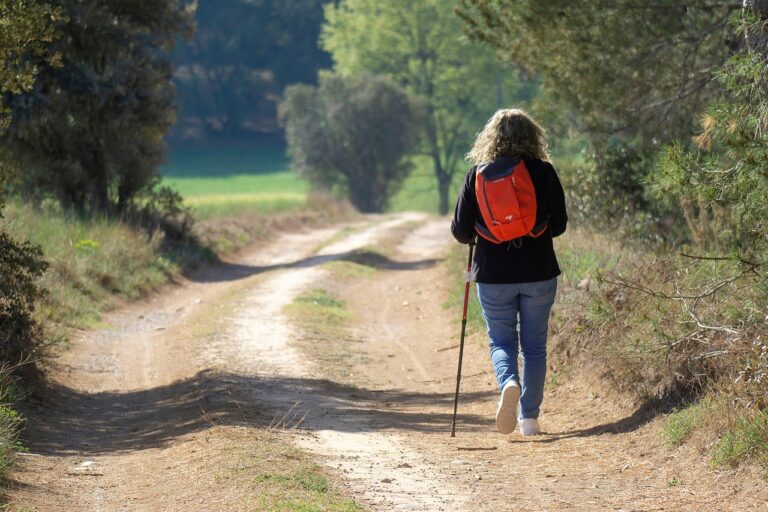
The daily habits for longevity that research actually supports — movement, food, sleep, connection, purpose, and stress relief — plus how to start with the one you need most.

You don’t need 10,000 steps to live longer. Research links three to five one-minute bursts of vigorous daily movement to substantially lower death rates. Here’s what the science shows, what it can’t do, and five realistic ways to build short bursts into an already busy day.

Creatine for muscle works only as a partner to strength training and enough protein. Here is the realistic dose, the honest bloating answer, and the bloodwork detail most guides skip.

Take the stairs: regular stair climbing is linked to a 39% lower risk of heart-related death. Here’s how many flights a day you need and how to build the habit.

Your brain does its best work while you sleep. Here’s what happens overnight — and the 4 sleep pattern updates that protect long-term cognition.

Your birthday is a fixed number — but biological aging is flexible. Here’s what really shapes how your body ages, and the no-cost habits science supports.
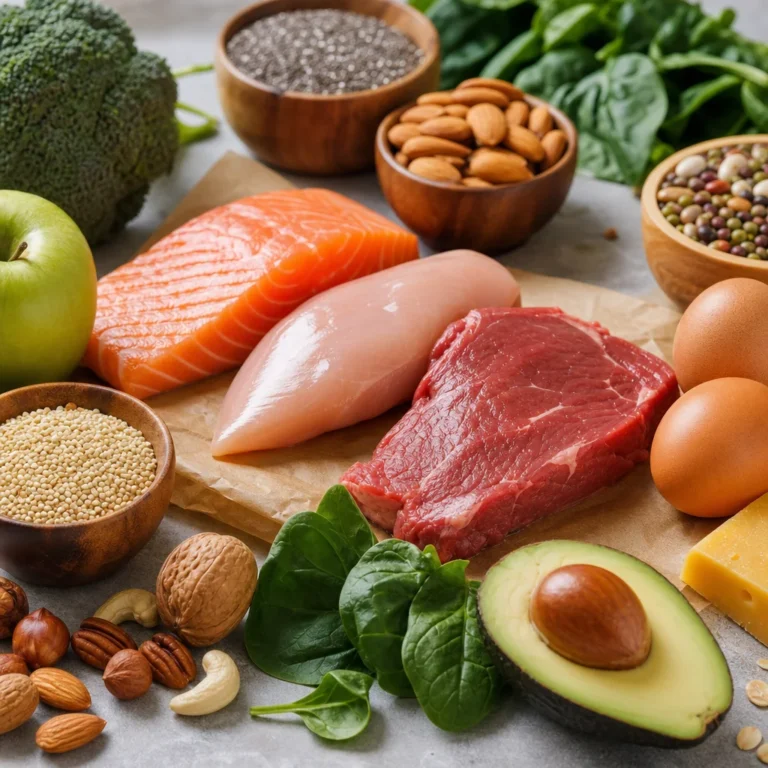
Cutting protein to live longer is a viral trend experts say backfires. Here’s what science really says about protein and longevity — and how much you need.

Women’s memory decline may begin earlier than we realized — but most midlife slips are normal. Here’s what the emerging blood-test science can and can’t tell you, plus the evidence-ranked habits that actually protect your memory.

Vegetable-rich meals, consistent meal times, and a 12–14 hour overnight fast — the eating habits for longevity that science actually supports. Three free daily shifts you can start today.
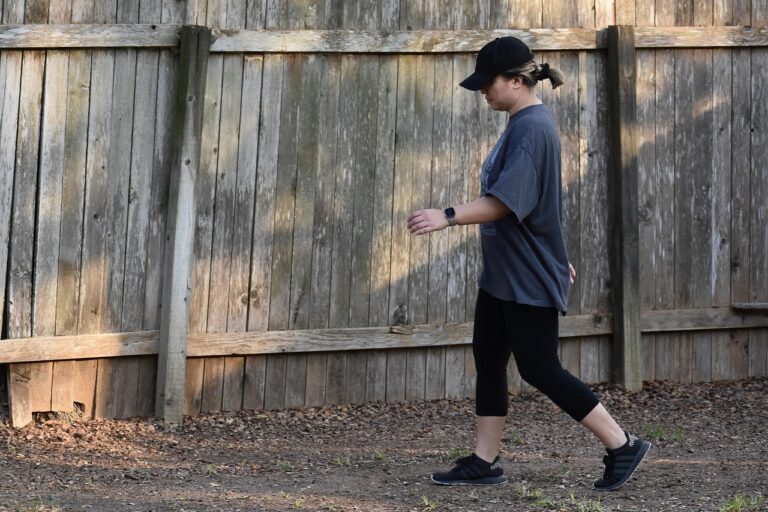
The liver brain connection is real science: exercise signals your liver to release a protective enzyme for your brain. Here’s what’s proven, what’s not, and how to use it today.