
6 Anti-Inflammatory Foods Dietitians Recommend for Women
Key Takeaways
- Chronic inflammation affects women’s health in unique ways, from hormone balance to skin.
- Six food groups—berries, legumes, plant oils, whole grains, nuts, and soy—are dietitian favorites for lowering inflammation.
- These anti-inflammatory foods support your body without needing a strict diet.
- Small changes in what you eat can add up to big benefits over time.
Have you noticed stubborn breakouts, achy joints, or low energy that won’t go away? These could be signs of chronic inflammation. It’s a low-grade fire in your body that impacts your hormones, skin, and overall health. The good news: your diet can help calm it. Dietitians often point to anti-inflammatory foods as a smart first step. Here’s what they recommend and why they matter for women like you.
Quick Answer: What Are Anti-Inflammatory Foods?
These are whole foods rich in nutrients that reduce inflammation. Think colorful fruits, veggies, whole grains, healthy fats, and plant proteins. They work by providing antioxidants, fiber, and good fats. They don’t replace medical care, but they do support your body’s natural balance.
Why Anti-Inflammatory Foods Matter for Women
Inflammation isn’t always bad—it helps you heal. But when it stays high, it can affect your health. For women, chronic inflammation is linked to PMS, skin issues, and a higher risk of autoimmune diseases. Your hormones and inflammation are connected. By eating more anti-inflammatory foods, you give your body the tools to keep that fire under control. It’s not about cutting foods out. It’s about adding more that help.
1. Berries – Small Fruits, Big Benefits
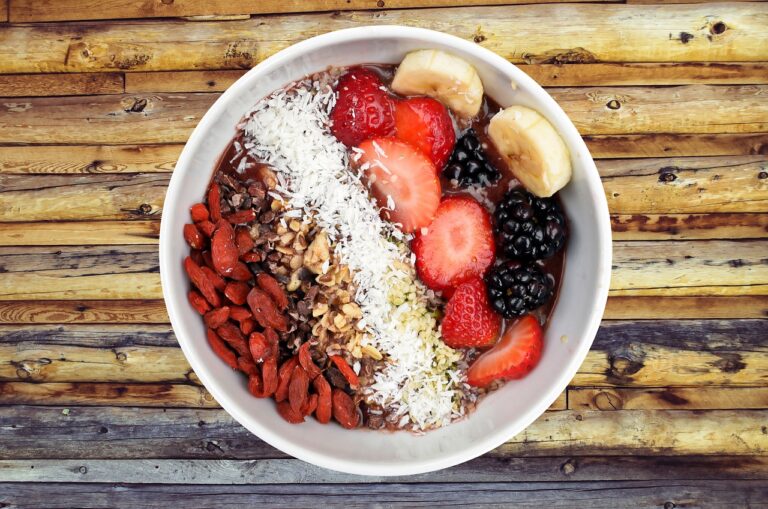
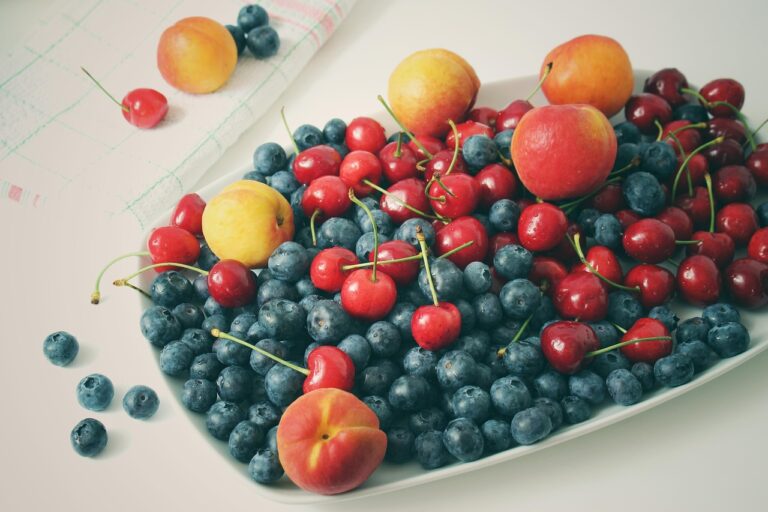
Blueberries, strawberries, and cranberries are full of antioxidants. These compounds protect your cells from damage. Studies show that eating berries regularly can lower inflammation. The antioxidants may also help your skin by reducing redness. Try adding a handful to yogurt or oatmeal. Frozen berries work great, too.
2. Legumes – Fiber for Gut and Hormone Health
Beans, lentils, and chickpeas are rich in fiber and plant protein. Fiber feeds healthy gut bacteria, which helps reduce inflammation. Some research suggests that fiber may also support healthy estrogen levels by helping your body remove it through digestion. That can be a plus for hormone balance. Aim for half a cup of legumes a day. Add them to salads, soups, or make a dip like hummus.
3. Plant-Based Oils – Healthy Fats That Fight Inflammation
Olive oil, avocado oil, and even canola oil have been unfairly criticized. But decades of research confirm they are good for you. These oils are high in unsaturated fats and plant compounds called polyphenols. Swapping butter for olive oil can lower inflammation and support heart health. Extra-virgin olive oil is especially potent. Drizzle it over veggies or use it in salad dressing.
4. Whole Grains – A Foundation for Lower Inflammation
Whole grains like quinoa, brown rice, oats, and farro provide fiber, B vitamins, and steady energy. Your gut bacteria feed on this fiber and produce compounds that fight inflammation. In women, eating enough whole grains is linked to lower levels of a key inflammation marker called C-reactive protein. Start your day with oatmeal or swap white rice for quinoa.
5. Nuts – A Handful a Day Keeps Inflammation at Bay
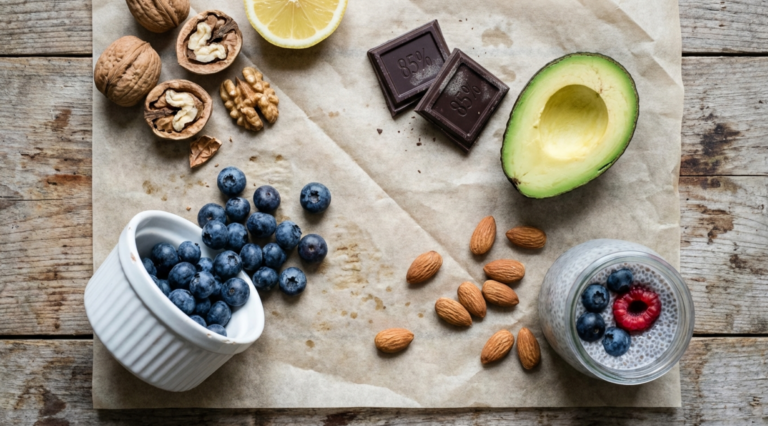
Nuts are a quick source of healthy fats, fiber, and vitamin E. Walnuts, in particular, are packed with omega-3s. Studies show that including nuts in your diet can reduce inflammatory markers. For women, this may help protect heart health. Keep a small bag of almonds or walnuts in your bag for a snack. Remember to watch portions, as nuts are calorie-dense.
6. Soy Foods – A Plant Protein That Supports Women’s Health
Edamame, tofu, and tempeh are rich in protein, fiber, and compounds called isoflavones. Despite old myths, soy does not harm women’s health. In fact, it may reduce inflammation and support heart and bone health. Recent research shows that isoflavones act as selective estrogen receptor modulators (SERMs). That means they can have different effects depending on your body’s needs—they don’t simply mimic estrogen. Choose minimally processed soy options and add them to stir-fries, salads, or grain bowls.
Lifestyle Habits to Boost Your Diet
Food is only part of the picture. Pair these anti-inflammatory foods with simple lifestyle habits. Regular exercise, like a 30-minute walk, helps lower inflammation. Get 7-9 hours of sleep each night. Manage stress through yoga, meditation, or taking short breaks. And try to limit alcohol and processed foods, which can fuel inflammation.
Frequently Asked Questions
Q: Can I get enough omega-3s from plant sources?
A: Plant sources like walnuts and flaxseeds provide ALA omega-3s. But your body only converts a small amount to EPA and DHA. If you don’t eat fatty fish, consider an algae-based supplement — as we discuss in our guide to omega-3 supplementation.
Q: Are seed oils bad for inflammation?
A: No. Seed oils like sunflower and canola oil are high in unsaturated fats. Studies show they reduce inflammation when eaten instead of saturated fats. The negative claims are not backed by science.
Q: How soon will I notice a difference?
A: Some people feel less bloated and more energetic within a week. But changes in blood markers take a few months. Consistency matters most.
How to Start Adding Anti-Inflammatory Foods to Your Plate
You don’t need to change everything at once. Start with one small swap: add berries to breakfast, use olive oil instead of butter, or snack on a handful of nuts. Build from there. The goal is to eat more anti-inflammatory foods step by step. Your body will thank you for it.
The Bottom Line
Chronic inflammation is something you can influence every day through your food choices. Berries, legumes, plant oils, whole grains, nuts, and soy are six proven anti-inflammatory foods that dietitians recommend—especially for women. They help support hormone balance, skin health, and long-term wellness. Pair them with good sleep, regular movement, and stress management for the best results. Start small, stay steady, and let your diet work for you.