

How Fiber and Inflammation Are Connected
Key Takeaways
- Fiber helps lower inflammation by feeding good gut bacteria that make short-chain fatty acids (SCFAs).
- Most people eat about 17g of fiber a day — well below the 25–38g recommendation.
- Fiber supplements can also reduce CRP, though whole foods offer extra nutrients.
You know fiber keeps you regular. But the link between fiber and inflammation is even more important. New research shows that — in some cases — fiber can help parasites thrive and make inflammation worse. That means the story of fiber and inflammation is more complex than we thought.
Quick Answer: Does fiber reduce inflammation?
Yes, for most people. Fiber feeds gut bacteria that produce anti-inflammatory compounds. But a 2026 study found that inulin fiber helped parasitic worms survive and actually worsened gut inflammation in mice. That doesn’t change the overall benefits of fiber, but it shows that individual gut health matters.
The Science of Fiber and Inflammation
When you eat fiber, your gut bacteria break it down. This process creates short-chain fatty acids (SCFAs), like butyrate. These SCFAs signal your immune cells to calm down. That’s the main way fiber and inflammation work together.
Many studies show that people who eat more fiber have lower levels of CRP, a key marker of inflammation. Research consistently confirms this link. So fiber is a core part of any anti-inflammatory diet.
A Surprising Study: When Fiber Backfires
Here’s where it gets tricky. A 2026 study in Microbiome (PMID 41588429) looked at inulin fiber in mice with parasitic whipworms. The researchers expected fiber to help. Instead, fiber helped the worms survive and worsened inflammation in the gut. When they removed fiber, the immune system cleared the infection.
This doesn’t mean fiber is bad. It means the relationship between fiber and inflammation depends on your gut ecosystem. For people without parasite infections, fiber is still beneficial. But if you have gut issues, it’s smart to work with a doctor.
Best Foods for Fiber and Inflammation Control
To get the benefits of fiber and inflammation reduction, eat a variety of whole plant foods. Here are some top picks:
- Legumes: Lentils, chickpeas, black beans (about 15g per cup)
- Whole grains: Oats, quinoa, brown rice (3–8g per serving)
- Vegetables: Broccoli, carrots, spinach (3–5g per cup)
- Fruits: Berries, apples with skin, pears (4–6g each)
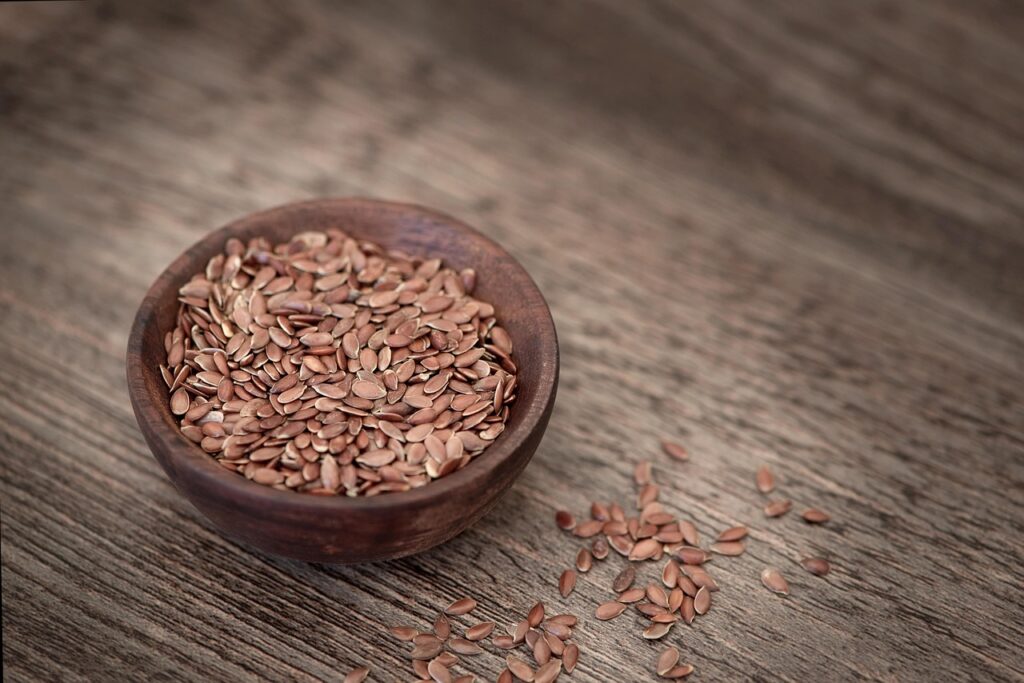
- Nuts and seeds: Chia seeds, flaxseeds, almonds (3–5g per ounce)
Quick Tip: Add Fiber Slowly
If you’re not used to fiber, add it over a few weeks. This helps avoid gas and bloating. Also, drink plenty of water — fiber needs fluid to work well.
How Much Fiber Do You Need?
The Academy of Nutrition and Dietetics suggests 25g of fiber per day for women and 38g for men. Yet the average intake in the U.S. is only about 17g per day (per a 2015 Academy report). Most of us fall short.
To strengthen the fiber and inflammation link, aim for at least 25g daily. One sample day: oatmeal with berries (8g), lentil soup at lunch (12g), an apple (4g), and roasted veggies at dinner (6g). That’s 30g total. For more structured eating plans, try our high-protein and high-fiber meal plan for balanced meal ideas.
Can Fiber Supplements Help?
What if you struggle to eat enough fiber? A 2025 systematic review and meta-analysis (PMID 40949172) found that fiber supplements actually led to greater reductions in CRP than fiber-rich foods in children and teens. That’s surprising but important.
Still, whole foods give you extra vitamins and antioxidants. So the best approach is to eat fiber-rich foods first and use supplements as a backup. Both can help with fiber and inflammation.
Common Mistakes to Avoid
1. Relying on processed “high-fiber” foods. Many bars and cereals have added fibers that may not work as well. Stick to whole foods.
2. Not eating enough variety. Different fibers feed different bacteria. Mix it up — beans, oats, veggies, fruits.
3. Forgetting to drink water. Fiber absorbs water. Without enough, you might get constipated.
Frequently Asked Questions
Do fiber pills work as well as whole foods?
Research says supplements can lower CRP even more than food sources in some groups. But whole foods have extra nutrients. Use both for best results.
How fast does fiber lower inflammation?
Some studies show changes in inflammatory markers within a few weeks when you increase fiber daily. Consistency matters most.
Can too much fiber be bad?
Very high amounts can cause gas and bloating. Stick to the recommended 25–38g and increase slowly. If you have digestive issues, check with your doctor.
The Bottom Line
The link between fiber and inflammation is strong. Fiber feeds your gut bacteria, which make anti-inflammatory SCFAs. But a 2026 study shows the story can be complex, especially if you have gut infections.
For most people, more fiber from a variety of whole foods is a safe way to lower inflammation. And if you need a boost, supplements are a good option. Start slow, stay steady, and let fiber do its job.
Sources: Microbiome 2026 – Dietary fibre promotes chronic gut parasite infection; Curr Dev Nutr 2025 – Fiber supplementation and CRP meta-analysis; J Acad Nutr Diet 2015 – Position of the Academy of Nutrition and Dietetics