
Healthy Summer Fruit Salad Recipe for Potlucks
Key Takeaways
- Summer fruit salad can be a healthy, crowd-pleasing dish for potlucks when you choose your ingredients wisely.
- Canned fruit packed in juice or water is nearly as nutritious as fresh — and much more budget-friendly.
- Frozen strawberries act as natural ice cubes, keeping the salad cool without diluting it.
- Use our label-reading tips to avoid added sugars and choose the best canned options.
- Add Greek yogurt, nuts, or mint to boost protein, flavor, and visual appeal.
Summer potlucks are wonderful — until you realize you’re bringing chips again. You want something fresh, crowd-friendly, and easy. Enter Miranda Lambert’s 5-ingredient fruit salad: a mix of canned peaches, pears, pineapple, mandarin oranges, and frozen strawberries. It’s simple, but is it healthy? And can you make it even better? Let’s explore how to build a summer fruit salad that’s both delicious and good for you — with a little help from science.
Quick Answer: Is Summer Fruit Salad Healthy?
Yes — when you use fruit packed in juice or water, skip heavy syrup, and avoid adding extra sugar. A one-cup serving delivers fiber, vitamin C, and antioxidants with roughly 100–150 calories. Add a protein source like Greek yogurt or nuts to make it a more balanced dish.
Why Canned Fruit Deserves a Comeback in Your Summer Fruit Salad
Let’s be honest — canned fruit often gets a bad rap. But according to Harvard Health, canned fruit packed in its own juice or water is a perfectly healthy choice. It retains most of its fiber, vitamins, and antioxidants. Some vitamin C may be lost during canning, but the difference is small when you look at your whole diet.
Plus, canned fruit is budget-friendly and always in season. It’s picked at peak ripeness, so it tastes great year-round. For Miranda Lambert’s recipe, the combination of canned pears, peaches, pineapple, and mandarins creates a colorful base that’s ready in minutes.
The Health Benefits of Summer Fruit Salad
Eating more fruits and vegetables is linked to a longer, healthier life. A large meta-analysis of 95 studies found that each additional 200g of fruits and vegetables per day (about 1.5 cups) is associated with a 10% lower risk of all-cause mortality. Both fresh and canned fruit contribute to this benefit — so go ahead and use what works for you.
Harvard Health recommends including fruit salad in your diet to help meet the daily goal of 1.5–2 cups of fruit. A one-cup serving of our summer fruit salad provides about 2g of fiber, 15–30mg of vitamin C (depending on the fruit), and a host of antioxidants from the variety of colors.
How to Make a Healthy Summer Fruit Salad
Here’s the base recipe, inspired by Miranda Lambert but tweaked for nutrition. It serves 6–8. For more warm-weather recipe ideas, check out our hydrating salads to complete your summer menu.
- 1 can (15 oz) sliced pears, packed in juice — drained
- 1 can (15 oz) sliced peaches, packed in juice — drained
- 1 can (15 oz) pineapple tidbits, packed in juice — drained
- 1 can (11 oz) mandarin oranges, packed in juice — drained
- 1 bag (16 oz) frozen unsweetened strawberries
Instructions: Drain all canned fruit. Combine in a large bowl. Add frozen strawberries on top. Let sit until strawberries thaw and release their juice (about 30 minutes). Stir gently and serve. The frozen strawberries keep the salad cool — a brilliant hack for outdoor parties. Pair this with our 7-day summer meal plan with a grocery list for a full week of healthy seasonal eating.
Label-Reading Tips for Canned Fruit
Avoid heavy syrup — it adds unnecessary sugar. Look for “packed in 100% fruit juice” or “packed in water.” Light syrup is a middle ground but still contains added sugar. When in doubt, check the ingredients list: if sugar or corn syrup appears, put it back. The USDA MyPlate guidelines recommend choosing fruit in juice or water.
Food Safety for Potlucks
Frozen strawberries help, but they won’t keep the salad cold enough on a hot day. Place the bowl in a larger container filled with ice. Or serve the salad in small batches, keeping the rest in the fridge. Discard any leftovers that have been out for more than two hours (one hour if above 90°F).
3 Easy Variations for Your Fruit Salad
1. Tropical Summer Fruit Salad
Add 1 cup fresh mango chunks, ½ cup unsweetened coconut flakes, and a squeeze of lime juice. The coconut adds healthy fats and texture.
2. Berry Blast Summer Fruit Salad
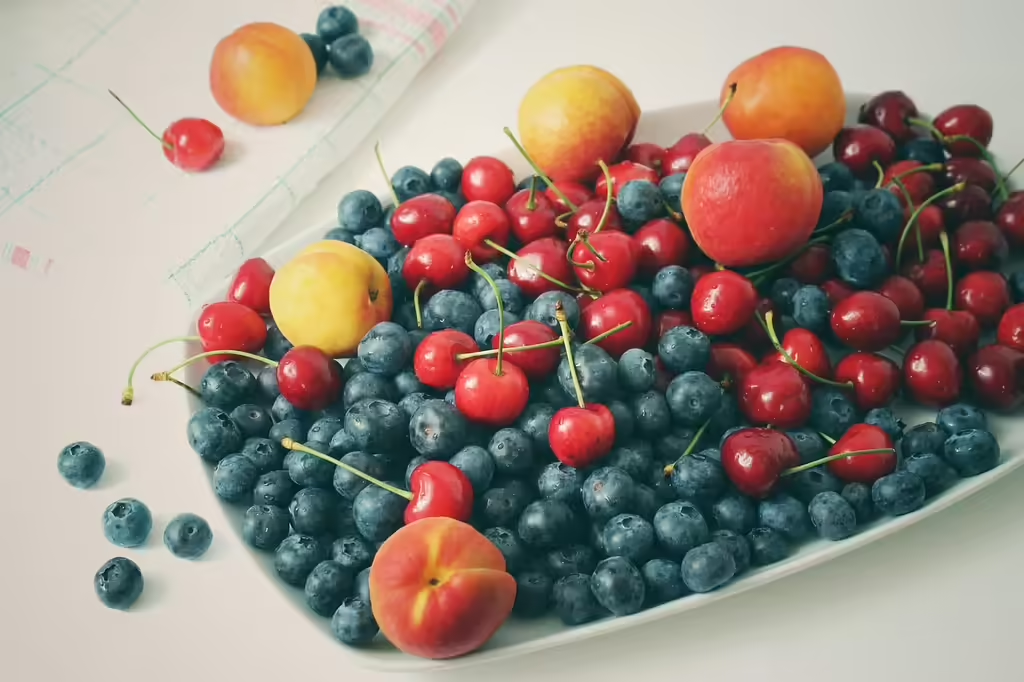
Replace frozen strawberries with 2 cups frozen mixed berries (blueberries, raspberries, blackberries). Garnish with fresh mint — it adds brightness without calories.
3. Creamy Yogurt Summer Fruit Salad
Stir in 1 cup plain Greek yogurt (or dairy-free alternative), 1 tablespoon honey, and ½ teaspoon vanilla extract. The yogurt adds protein and calcium. Sprinkle with toasted almonds for crunch.
Summer Fruit Salad Nutrition at a Glance
Based on USDA FoodData Central, here’s the approximate nutrition for a 1-cup serving of the base recipe (without yogurt or nuts). Values may vary by brand and fruit variety.
| Nutrient | Approximate Amount |
|---|---|
| Calories | 100–130 |
| Fiber | 2–3 g |
| Vitamin C | 15–30 mg (25–50% DV) |
| Potassium | 180–220 mg |
| Sugar | 20–25 g (all natural, no added) |
Frequently Asked Questions
Yes, but store the dressing separately (if using). Combine just before serving to prevent sogginess. The frozen-strawberry version works best when assembled within an hour.
Yes, as long as it’s packed in juice or water. Canned fruit retains most fiber, vitamins, and antioxidants. Vitamin C may be slightly lower, but the difference is minimal in the context of a varied diet.
Choose fruit packed in water instead of juice (juice adds natural sugars). Skip sweet dressings. Add citrus zest or herbs for flavor without calories.
Use any frozen fruit — blueberries, mango chunks, or mixed berries work well. They’ll keep the salad cool and add color.
The Bottom Line
A summer fruit salad doesn’t have to be complicated or sugary. Miranda Lambert’s 5-ingredient version is a great starting point. With science-backed choices — like using canned fruit in juice, reading labels, and adding protein — you can turn a simple dish into a healthy star of the potluck table. Next time you’re asked to bring a dish, this is the one. It’s easy, affordable, and your body will thank you.