

Daily Habits for Longevity: 7 That Actually Work
Key Takeaways
- Researchers estimate genes account for roughly a quarter of lifespan. The rest comes from daily choices.
- Five pillars keep showing up in the research: movement, food, sleep, stress relief, and connection.
- Habits stack. Meeting activity, sitting, and sleep guidelines together linked to 37% lower death risk.
- Consistency beats intensity — a steady wake time often matters more than a perfect bedtime.
- No supplement has been shown to extend human lifespan. Food, movement, and people do more.
Longevity has quietly turned into a to-do list. Between step counters, protein targets, and pill organizers, the daily habits for longevity that actually work keep getting buried.
Yet the habits research supports look nothing like a checklist. They look like a walk, a shared meal, a good night’s sleep.
Here’s the thing. The habits that add years tend to be the same ones that make today feel better. That’s not a happy accident. It’s exactly why they stick.
This guide covers seven of them, from movement to connection. For each one, you’ll see the evidence, the honest limits, and one small step you can take today.
Quick Answer: What Actually Works?
Research keeps pointing to five pillars: movement, food, sleep, stress relief, and social connection. The most reliable daily habits for longevity combine several of these, done consistently. Small and repeatable beats intense and temporary every single time.
Why Daily Habits for Longevity Beat Perfect Routines
Many people assume their genes decide everything. In truth, researchers estimate that genes account for roughly a quarter of how long you live. The rest is shaped by lifestyle and environment.
Harvard Health’s five pillars of longevity frame the whole conversation. They are movement, nutrition, sleep, stress reduction, and social connection. That same source notes lifestyle appears to matter just as much as genetics.
One longevity physician at Harvard puts it bluntly. Good health, he says, is “surprisingly unglamorous.” The basics people already know about are the ones that matter most.
That’s the catch. These daily habits for longevity are easy to start and just as easy to drop. So the goal isn’t intensity. It’s repetition.
Habit 1: Movement That Feels Like Play
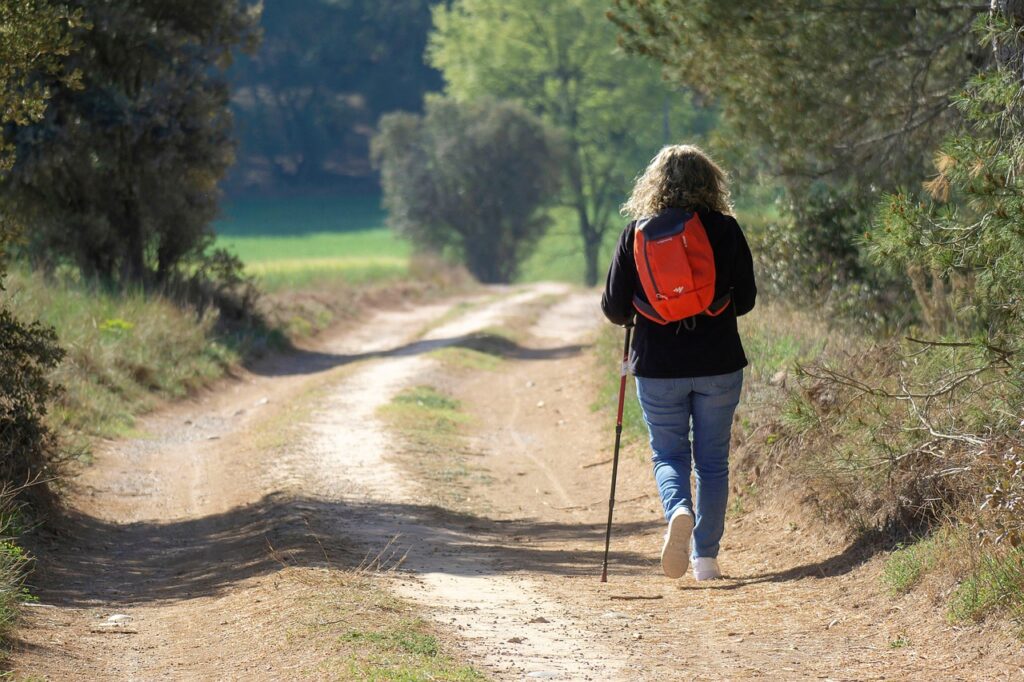
If one habit reaches almost every system at once, it’s movement. It shapes blood sugar, mood, bone strength, and brain health together.
The numbers are encouraging. The National Institute on Aging highlights a study of adults 40 and older. Those taking 8,000 or more steps a day had a 51% lower risk of death than those taking only 4,000.
A modest difference in steps, a large difference in outcome. Guidelines recommend at least 150 minutes of moderate activity each week. Two days of strength work belong in there too.
Harvard’s longevity physician adds one easy win. Breaking up long sitting spells with two or three minutes of light activity helps blood sugar and blood pressure. If you sit at a desk all day, our posture guide for sitting at a desk all day covers the setup side.
However, the format matters far less than you’d think. Walking, dancing, gardening, and tennis all count — and the right walking shoes for women make the easiest option even easier. If movement feels like play, you’ll keep doing it without willpower.
Habit 2: Strength Is Quiet Longevity Insurance
Here’s a finding worth sitting with. In adults over 55, muscle mass predicted longevity better than weight or body mass index did.
A 2026 meta-analysis in The Gerontologist looked at people aged 90 and older. Handgrip strength, independence in daily tasks, and clear thinking were the strongest predictors of survival. Not the number on the scale.
That reframes the whole goal. You aren’t trying to shrink. You’re trying to stay strong enough to carry groceries and climb stairs at 85.
Because of this, strength training earns a spot among the most underrated daily habits for longevity. Two short sessions a week is enough for most people. Bodyweight squats count, and so do resistance bands.
Habit 3: Add Plant Foods Instead of Subtracting
Deprivation-based diets fail because they ask you to give things up. A better question is simpler. What can you add?
Adding works. A 2022 modelling study in PLoS Medicine estimated the effect of different food choices. Eating more legumes, whole grains, and nuts predicted years of added life expectancy.
That’s a model, not a promise. Still, real trial data backs the heart benefits. A 2024 meta-analysis in Current Problems in Cardiology pooled four randomized trials. A Mediterranean-style pattern cut major cardiovascular events roughly in half.
It did not, however, significantly reduce deaths from all causes. That’s an important limit most headlines skip. Swapping also matters more than eliminating. Research in JAMA Internal Medicine linked replacing red or processed meat protein with plant protein to lower death risk. Those same swaps help counter habits that raise cholesterol.
So try this. Add beans to a meal you already love, and swap half the beef for lentils. For more food-first ideas, see our guide to eating habits for longevity. Food is one of the most studied daily habits for longevity. No subtraction required.
Habit 4: Sleep on a Schedule, Not Just Long Enough
Sleep advice usually stops at “get seven to nine hours.” The research is more interesting than that.
A 2025 meta-analysis in GeroScience pooled 79 studies. Sleeping under seven hours was linked to 14% higher death risk. Sleeping nine hours or more was linked to 34% higher risk.
That second number surprises people. Long sleep often signals an underlying health problem. So treat extra-long sleep as a flag, not a goal.
Timing also matters separately from duration. A 2025 review in Sleep Medicine Reviews found something distinct. Irregular schedules predicted worse heart, brain, and metabolic outcomes on their own.
Because of that, sleep earns a firm place among the top daily habits for longevity. Pick a wake time you can hold on weekends too. That single change is easier than it sounds.
Habit 5: The Connection Habit Most People Skip
Of the five pillars, connection is the one most of us quietly skip. We’ll count grams of protein all day, yet treat our friendships as if they take care of themselves.
The data here is strong. A meta-analysis of loneliness and isolation found loneliness raised mortality risk by 26%. Social isolation raised it by 29%, and living alone by 32%.
Those figures rival well-known risk factors like smoking and inactivity. Meanwhile, plenty of articles repeat a “50%” number that traces to a different analysis. Precision matters when the stakes are this high.
Of all the daily habits for longevity, connection is the one you can start in five minutes. Protect one recurring contact. A weekly call, a standing class, or a daily walk past familiar faces.
Habit 6: Purpose and Joy Are Not Extras
This is where the conversation gets genuinely interesting. Some writers now talk about “joyspan” — the stretch of life where you feel engaged and curious.
Joy isn’t just nice to have. A large Japanese cohort study in BMJ Open followed roughly 71,000 adults for close to two decades. Those with a strong sense of purpose had lower cardiovascular death rates.
One detail deserves honest mention. That protective effect showed up mainly in people who had no work role giving them structure. Among employed adults, the link faded.
Purpose clearly belongs on the list of daily habits for longevity. Notice what the study doesn’t say, either. It promises no specific number of extra years.
Habit 7: Stress Relief That Actually Works
Long-running stress keeps your body braced for trouble that never arrives. Over years, that steady strain wears on your heart, your immune system, and your sleep.
Here’s what many people get wrong. Managing stress isn’t mostly a mental exercise. The levers that hold up best are physical and social — movement, daylight, sleep, and time with people you trust. That’s why a walk often beats an app.
The emotional side shows up in long-running data too. According to the National Institute on Aging, emotionally stable adults lived about three years longer than those prone to anxiety or negativity.
So stress relief rounds out the list of daily habits for longevity. Skip the app you’ll abandon by March. Start with a ten-minute walk outside instead.
Which Daily Habits for Longevity Should You Start With?
This is the question almost every other article skips. Most lists tell you to do ten things at once. That’s a recipe for quitting by week two.
Harvard’s longevity physician suggests a different filter. Skip the abstract ranking of pillars. Instead, ask where your own routine has the biggest hole, because that’s usually where the next change delivers the most.
Picture three readers. One sits at a desk from nine to five. One wakes at a different time every single day. One hasn’t had a real conversation with a friend in months. Each would get the biggest return from a different habit — movement, a steady schedule, connection.
Habits also compound. A 2026 study in Mayo Clinic Proceedings followed nearly 42,000 US adults. Those who met activity, sitting, and sleep guidelines together had 37% lower death risk.
The National Institute on Aging reports something similar. Adults who followed at least four of five healthy lifestyle factors had a 60% lower risk of developing Alzheimer’s.
In other words, you don’t need a perfect routine. Each added habit simply layers on more benefit.
What the Evidence Does Not Support
Let’s be honest about the limits. This is where wellness content usually loses credibility.
First, supplements. No supplement has been shown to extend human lifespan. Most longevity researchers take none at all, noting that the evidence still isn’t there.
Second, red wine. Some studies hint that wine inside a Mediterranean diet is protective. However, the overall weight of evidence does not support drinking for health. If you enjoy alcohol, keep it light and occasional.
Third, Blue Zones. These longevity hotspots make a lovely story, but they are illustration rather than proof. The underlying data is observational and has been questioned.
None of that is a reason to give up. Instead, it’s a reason to trust the boring habits even more.
Frequently Asked Questions
What are the most important daily habits for longevity?
Movement, nutrition, sleep, stress relief, and social connection. Research links all five to lower mortality risk. Starting with your weakest area usually pays off fastest.
Is it too late to start in your 50s or 60s?
No. Research from the National Institute on Aging found that adults who quit smoking at 45 to 54 lived about six years longer. Those who quit at 55 to 64 gained about four years. Diet and movement changes help at every age too.
Do longevity supplements actually work?
Not according to current human evidence. No supplement has been shown to extend lifespan in healthy adults. Be skeptical of any product promising extra years, especially at a premium price.
The Bottom Line
The best daily habits for longevity are not dramatic. They’re the ones you’ll still be doing in ten years because they make your life better now.
Walk more. Lift something twice a week. Add beans to dinner. Keep a steady wake time. Call a friend. Pick the one you’re worst at, and start there this week.
Here’s the honest summary. Roughly a quarter of your lifespan is written in your genes. The rest gets shaped daily, through small choices you can actually enjoy.