

The Best Walking Shoes for Women in 2026 — A Podiatrist-Backed Guide to Finding Your Perfect Fit
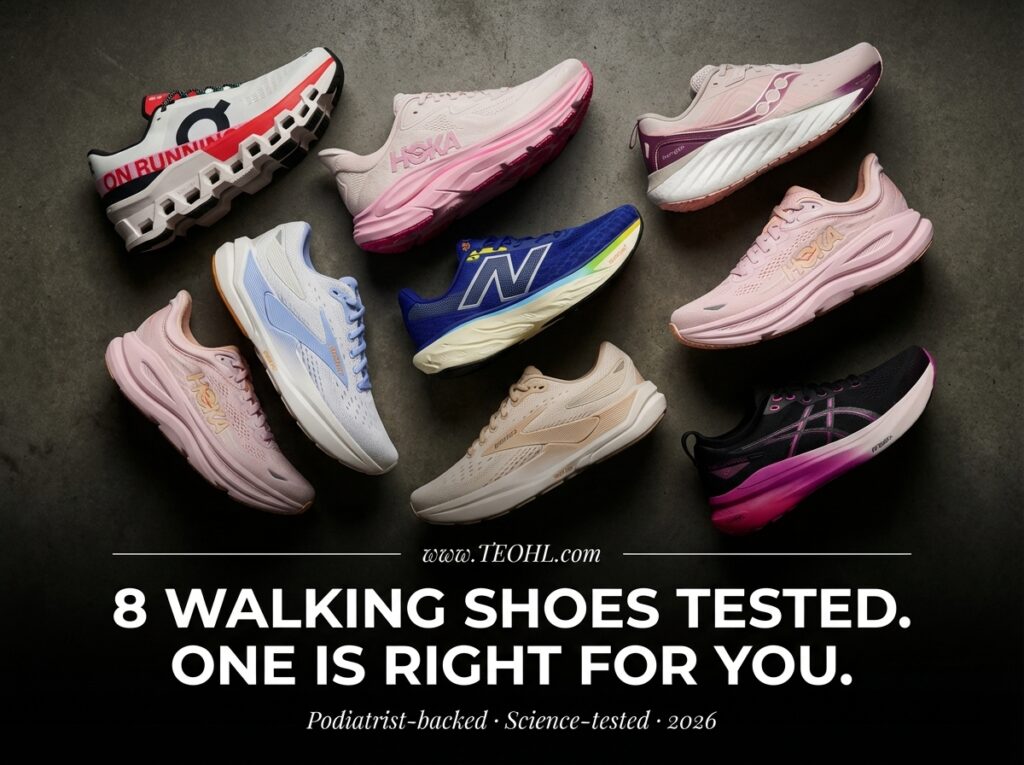
Most women never think twice about their walking shoes. They grab whatever feels okay in the store, wear them for years, and wonder why their feet, knees, or lower back hurt. Here’s the truth: the wrong walking shoe doesn’t just cause foot pain — the damage travels upward, affecting your knees, hips, and spine with every single step.
We tested and researched the 8 best walking shoes for women in 2026 — consulting podiatrist recommendations, real user reviews, lab data, and the American Podiatric Medical Association’s standards. Whether you walk 20 minutes a day or spend 8 hours on your feet, this guide will help you find the right shoe for your specific needs.
Quick Answer
The best overall walking shoe for women in 2026 is the Brooks Ghost Max 3 — top-rated for stability, cushioning, and all-day comfort on mixed terrain. For maximum cushioning, choose the Hoka Bondi 9. For the best value, the Brooks Ghost 16 delivers podiatrist-approved performance at $130. Use our quiz below to find your personal best match.
Why the Right Walking Shoe Matters More Than You Think
Your feet are the foundation of everything. A shoe that doesn’t match your foot type, gait, or activity level creates a chain reaction — misaligned pressure on the heel leads to knee strain, hip imbalance, and eventually lower back pain. According to the American Academy of Podiatric Sports Medicine, the ideal walking shoe should be stable from side to side, well-cushioned, and enable a smooth heel-to-toe transition.
Women’s feet are also anatomically different from men’s — generally narrower at the heel, wider at the forefoot, and with a different arch structure. Yet many shoes are simply scaled-down versions of men’s designs. The best women’s walking shoes are built specifically for female foot mechanics.
One more thing worth knowing: hormonal changes throughout a woman’s life — including pregnancy and hormonal shifts — can actually change foot size, arch height, and ligament laxity. Research shows that declining estrogen levels reduce collagen production, which affects the connective tissues in the feet — leading to flatter arches, more forefoot pain, and thinning of the heel fat pad. This is why cushioning and arch support become increasingly important. The shoe that worked perfectly years ago may no longer be right for your feet today.
What to Look for Before You Buy
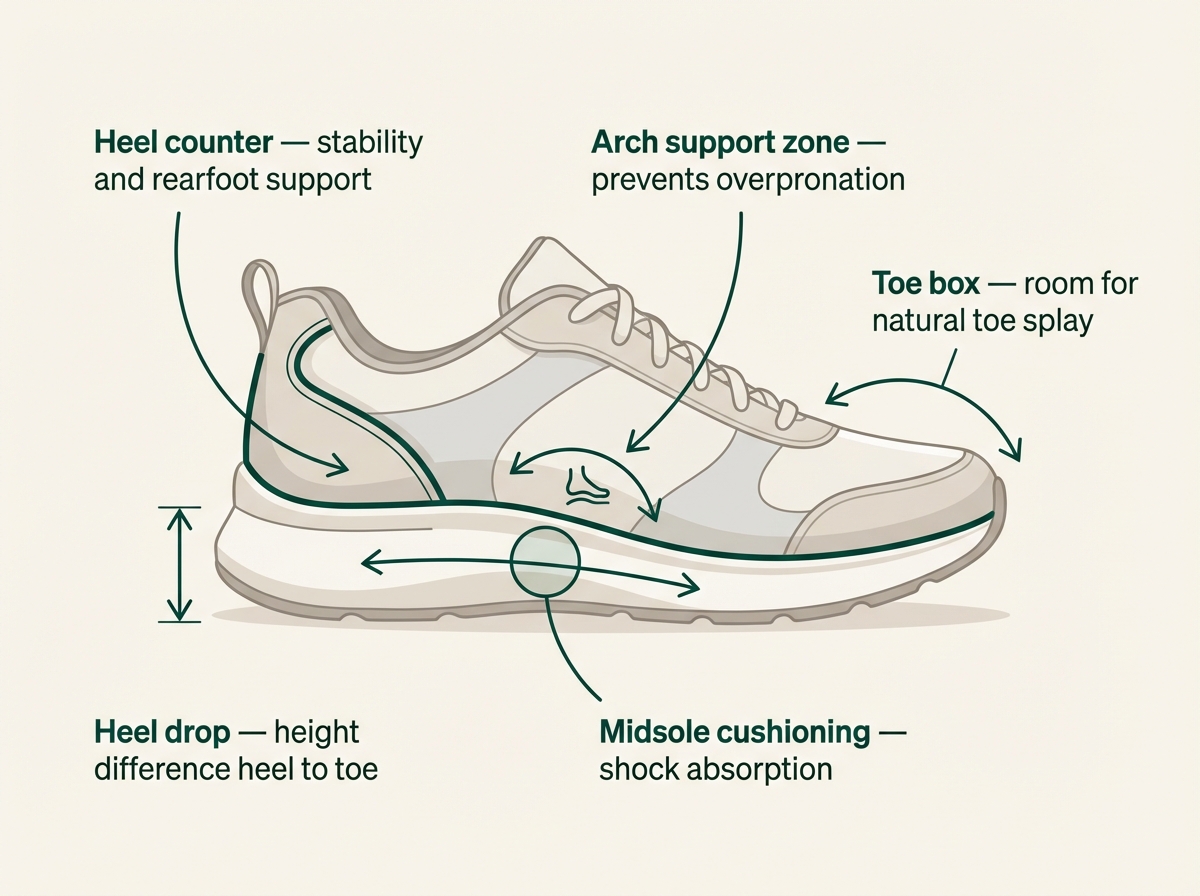
Before jumping into specific models, here are the five technical factors that actually matter when choosing a walking shoe. Understanding these will help you read any shoe review — and make a smarter decision in-store.
Cushioning. The amount of foam between your foot and the ground. More cushioning means better shock absorption — critical if you walk on hard surfaces, have joint sensitivity, or spend long hours on your feet. Maximum cushioning shoes like the Hoka Bondi 9 are ideal for these situations.
Heel drop. The height difference between the heel and the toe. A higher drop (10–12mm) shifts weight forward and can relieve Achilles tension. A lower drop (4–6mm) promotes a more natural foot strike. Neither is universally better — it depends on your gait and history.
Arch support. Neutral shoes suit normal to high arches. Stability shoes provide extra support for flat feet or overpronation — when the ankle rolls inward with each step. Getting this wrong is one of the most common mistakes women make when buying walking shoes.
Toe box width. Your toes need room to spread naturally during each stride. A too-narrow toe box causes blisters, bunions, and forefoot pain over time. If you have wider feet, always look for shoes available in wide or extra-wide widths.
APMA Seal of Acceptance. The American Podiatric Medical Association reviews shoes submitted by brands and awards a Seal of Acceptance to those that promote good foot health. It’s not the only measure of quality, but it’s a reliable baseline — especially for women with existing foot concerns.
The 8 Best Walking Shoes for Women in 2026
These 8 models were selected based on podiatrist recommendations, APMA certification, verified user reviews, and independent lab testing data. They cover every foot type, budget, and walking style. Use the filters to narrow down your options, or scroll through all 8.
1. Hoka Bondi 9
Top Pick — Maximum Cushioning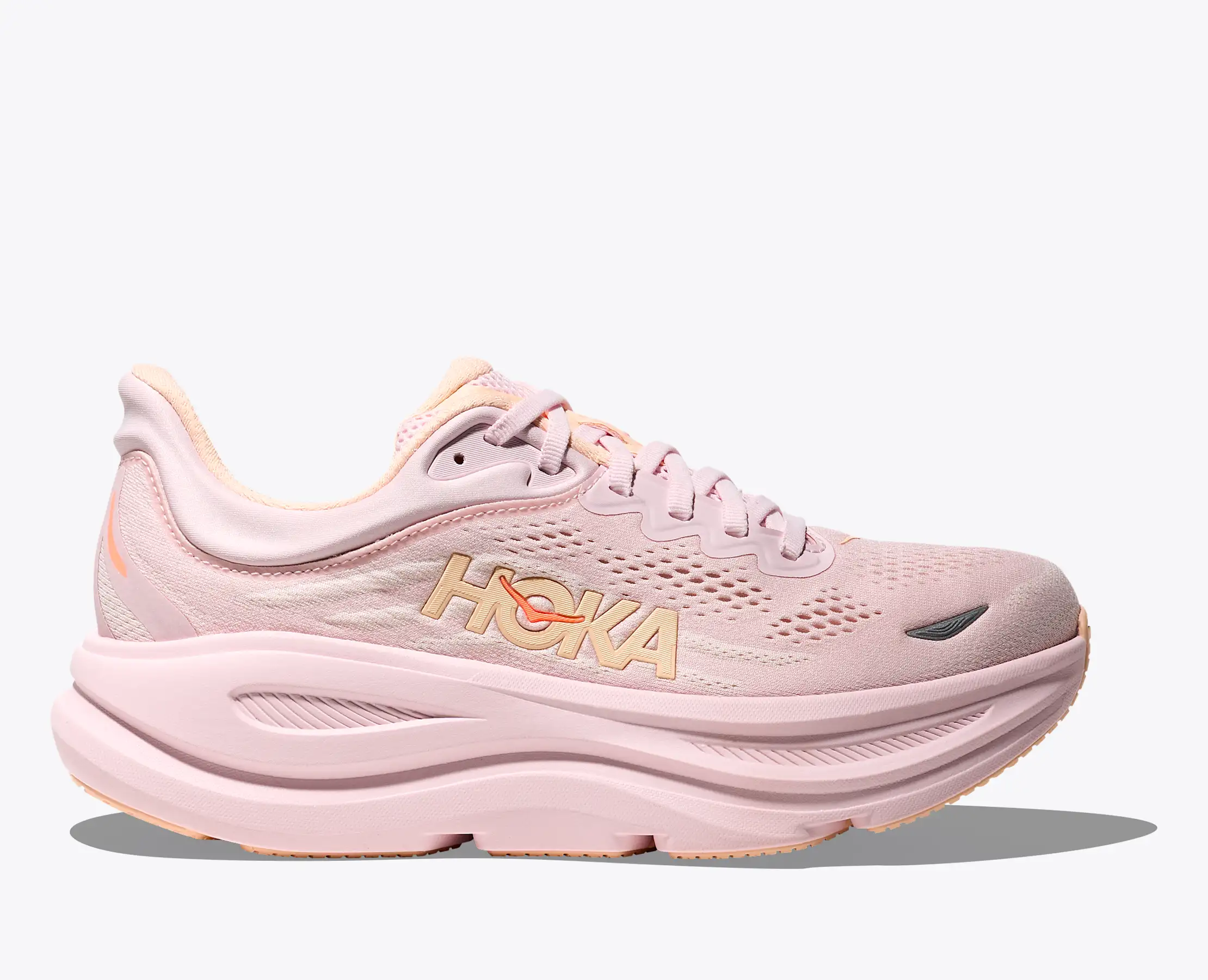
The most cushioned shoe on this list and a consistent podiatrist favorite. The Bondi 9 uses supercritical EVA foam for a cloud-like feel that doesn’t bottom out after miles of wear. Ideal for women who spend long hours on their feet, have joint sensitivity, or deal with plantar fasciitis. The MetaRocker geometry creates a smooth, effortless heel-to-toe transition.
Pros: Unmatched cushioning, APMA approved, excellent for joint pain and plantar fasciitis
Cons: Bulkier look, not ideal for trails or speed walking
2. Brooks Ghost Max 3
Top Pick — Best Overall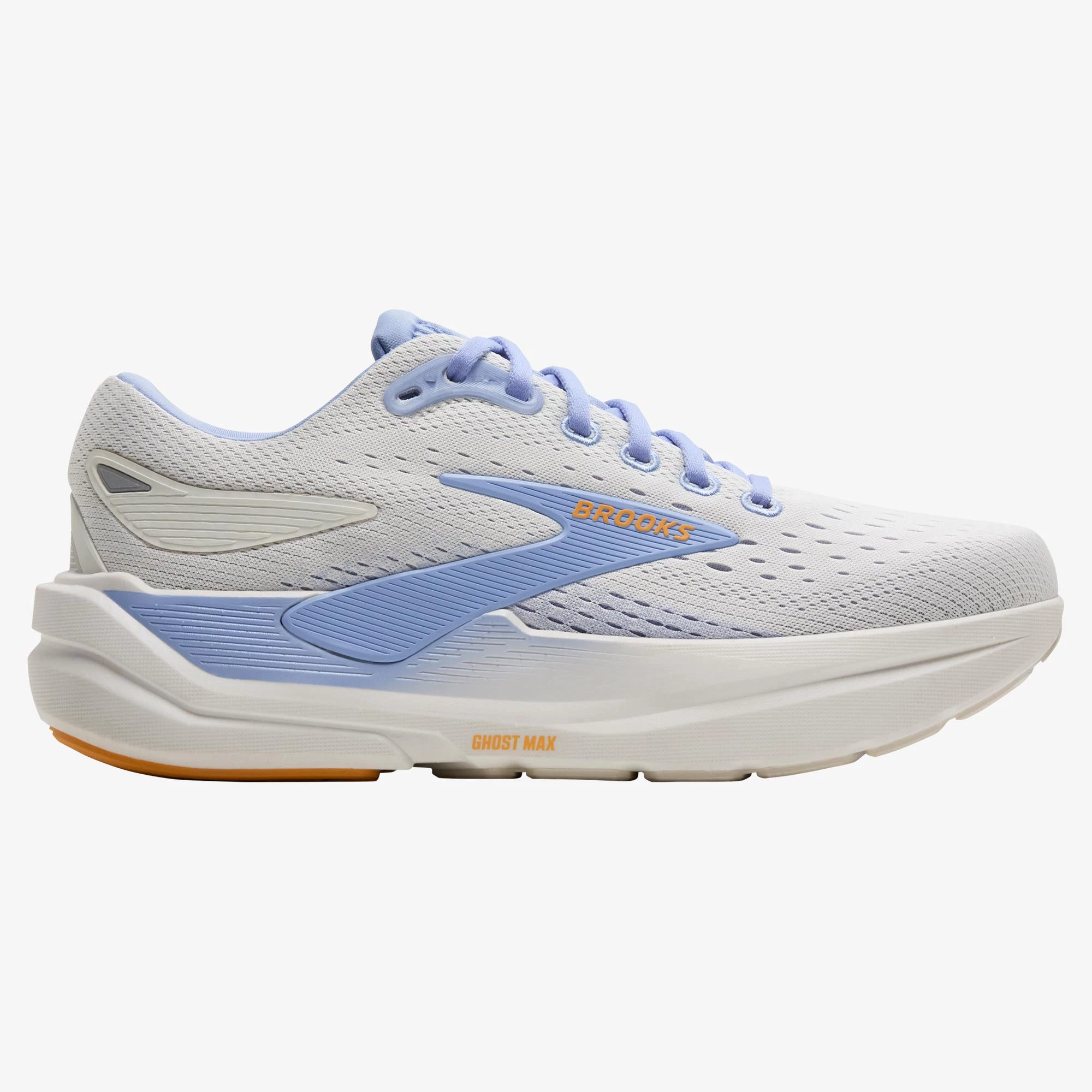
Rated the best overall walking shoe of 2026 by multiple independent reviewers. The Ghost Max 3 delivers maximum cushioning with superior stability — a combination that’s hard to find. Its wider base makes it exceptionally stable on mixed terrain, and it’s available in medium, wide, and extra-wide widths.
Pros: Best stability and cushion combo, APMA approved, durable on mixed terrain
Cons: Heavier than the Clifton, less responsive feel
3. New Balance Fresh Foam 1080 v14
Top Pick — Most Versatile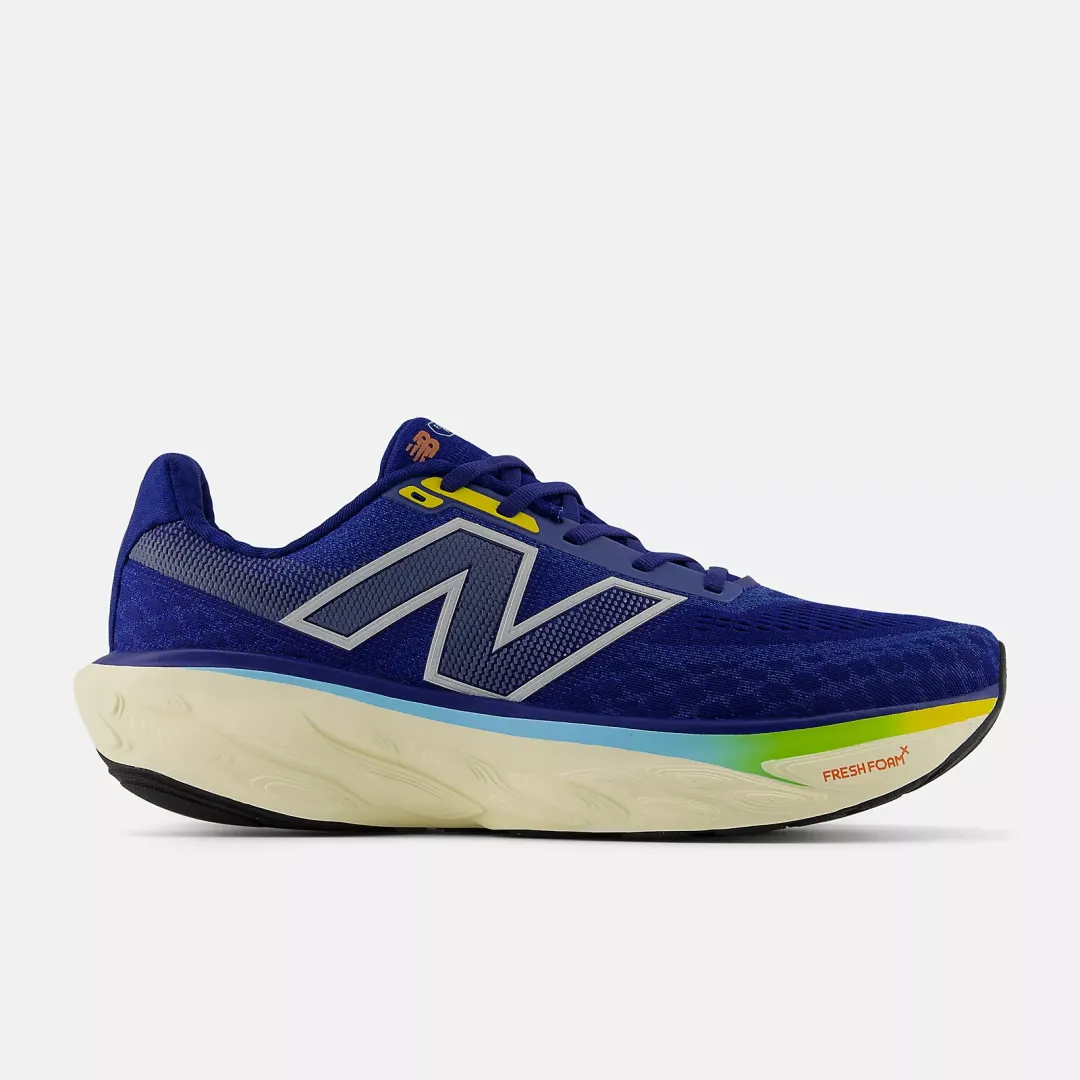
The most versatile shoe on this list. Works equally well for daily walks, errands, travel, and light running. The Fresh Foam X midsole is exceptionally soft yet responsive — plush without feeling mushy. Available in wide and extra-wide widths. The go-to recommendation for women who want one shoe that does everything.
Pros: Ultra-versatile, ultra-soft foam, excellent wide sizing options
Cons: No APMA seal, on the pricier side
4. Hoka Clifton 10
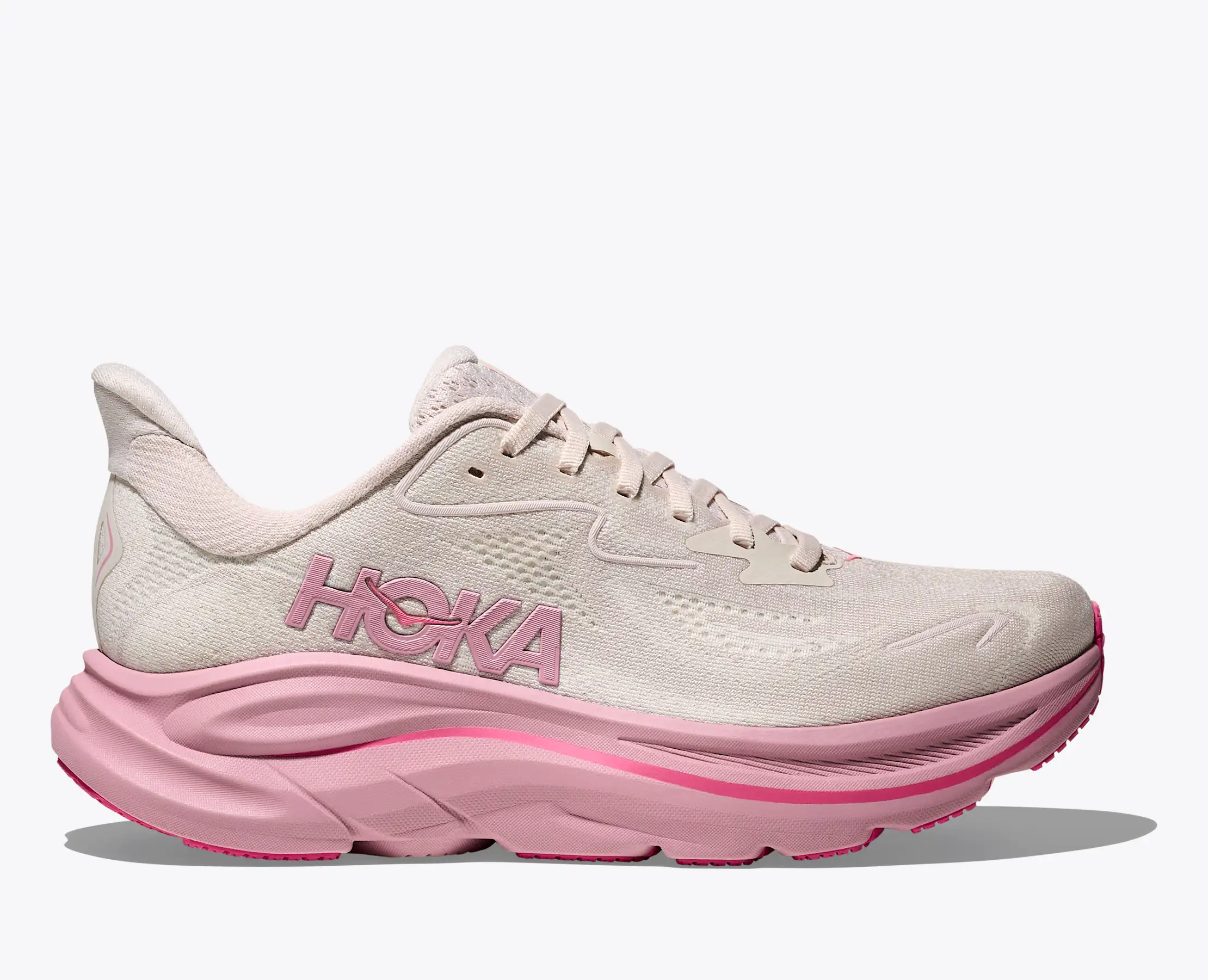
Lighter and more responsive than the Bondi, the Clifton 10 is perfect for daily walks where you want cushioning without feeling weighed down. The MetaRocker technology guides your foot through a smooth, efficient stride. APMA approved and available in wide sizing.
Pros: APMA approved, lightweight, smooth heel-to-toe transition
Cons: Narrower toe box than Ghost, less stable than Ghost Max
5. Brooks Ghost 16
Best Value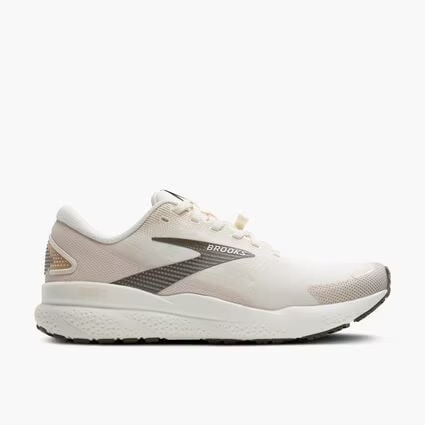
The best value on this list and a longtime podiatrist favorite. The Ghost 16 offers a roomy toe box, reliable cushioning, and the APMA Seal of Acceptance at $130. The high 12mm heel drop makes it particularly good for women with Achilles sensitivity. A solid first walking shoe for beginners.
Pros: Best value, APMA approved, roomy toe box, great for beginners
Cons: High drop not ideal for everyone, less cushioning than Bondi
6. ASICS Gel-Kayano 31
Best for Overpronation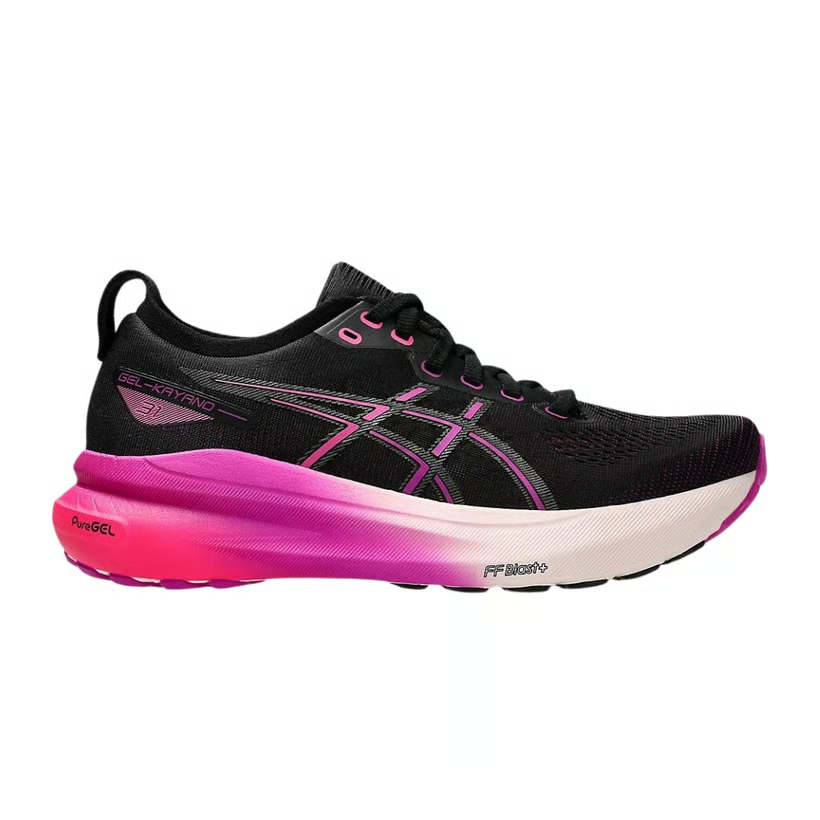
The gold standard stability shoe for women with flat feet or overpronation. The Kayano 31’s built-in support system corrects inward ankle rolling without feeling rigid or orthopedic. If you’ve been told you overpronate or have flat arches, this is the shoe podiatrists consistently recommend.
Pros: Best stability shoe, corrects overpronation effectively, durable
Cons: Heavier, not suitable for neutral or high-arch feet
7. Saucony Triumph 22
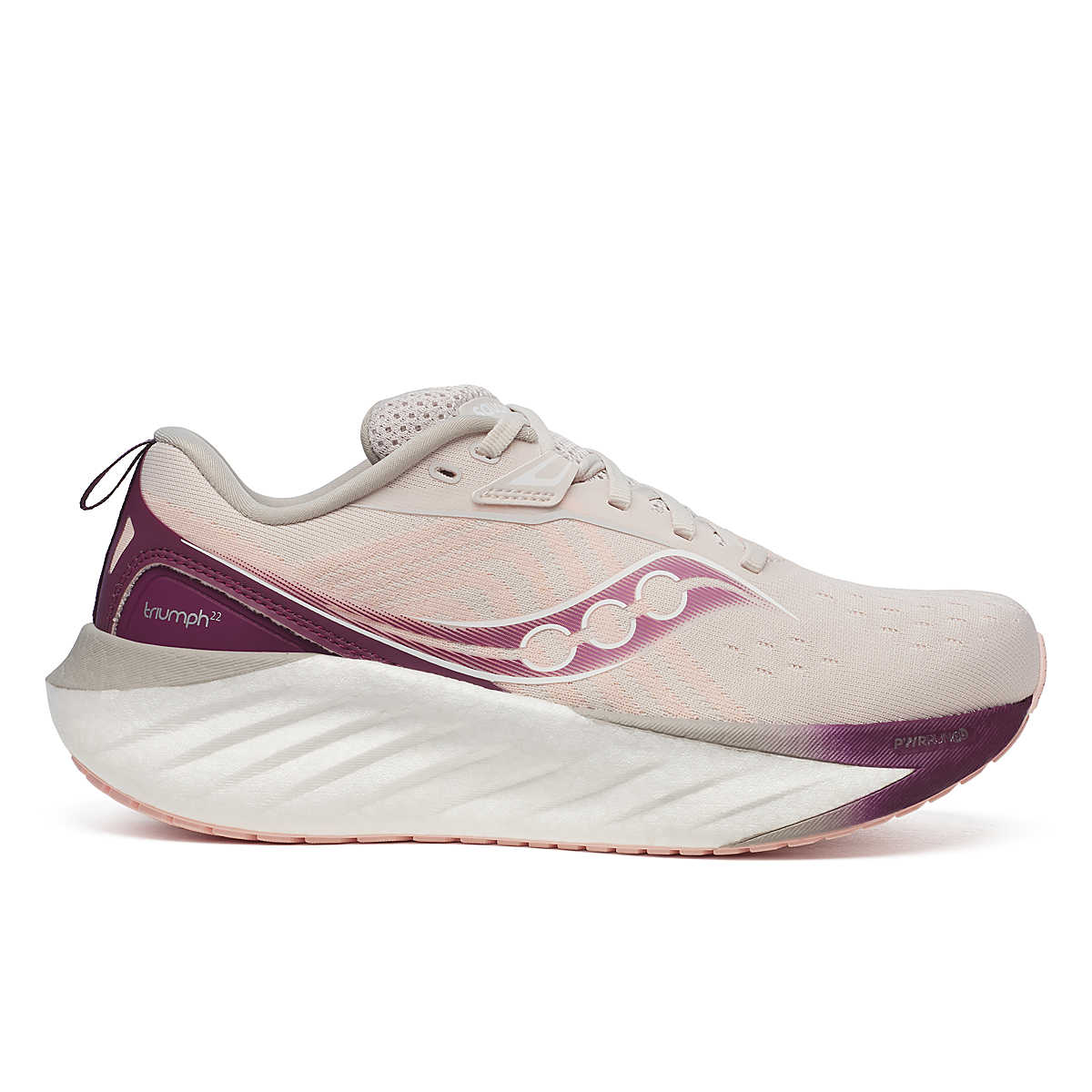
Premium cushioning with an energized, springy feel that sets it apart from purely plush shoes. The PWRRUN+ foam provides both softness and responsiveness — your foot lands soft and pushes off with energy. A particularly good choice for women experiencing joint changes who still want an active walking feel.
Pros: Plush yet energized feel, excellent energy return, great for joint changes
Cons: No APMA seal, similar price to more recognized brands
8. On Cloudmonster 2
Best Style + Performance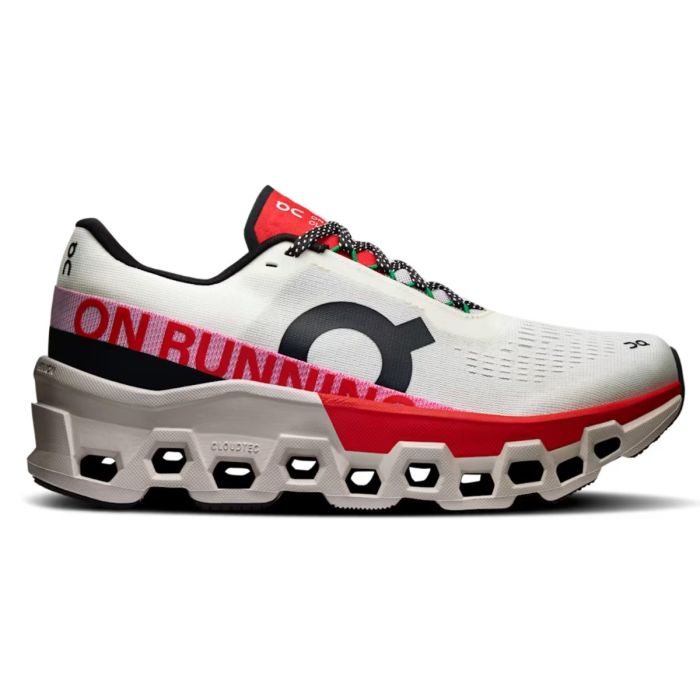
The most stylish shoe on this list — and it backs up the looks with real performance. The CloudTec pod system delivers a bouncy, responsive feel with excellent energy return. Best suited for women who supinate (underpronation) or want a shoe that transitions seamlessly from a walk to an evening out.
Pros: Best style-to-performance ratio, bouncy feel, great energy return
Cons: Most expensive, slippery on wet surfaces, pods wear faster on rough ground
Compare All 8 Shoes Side by Side
Use the filters below to narrow down by your specific needs — maximum cushioning, stability, wide feet, budget, and more.
Find Your Perfect Match
Not sure which shoe is right for you? Answer 5 quick questions and get a personalized recommendation based on where you walk, your foot type, and what matters most to you.
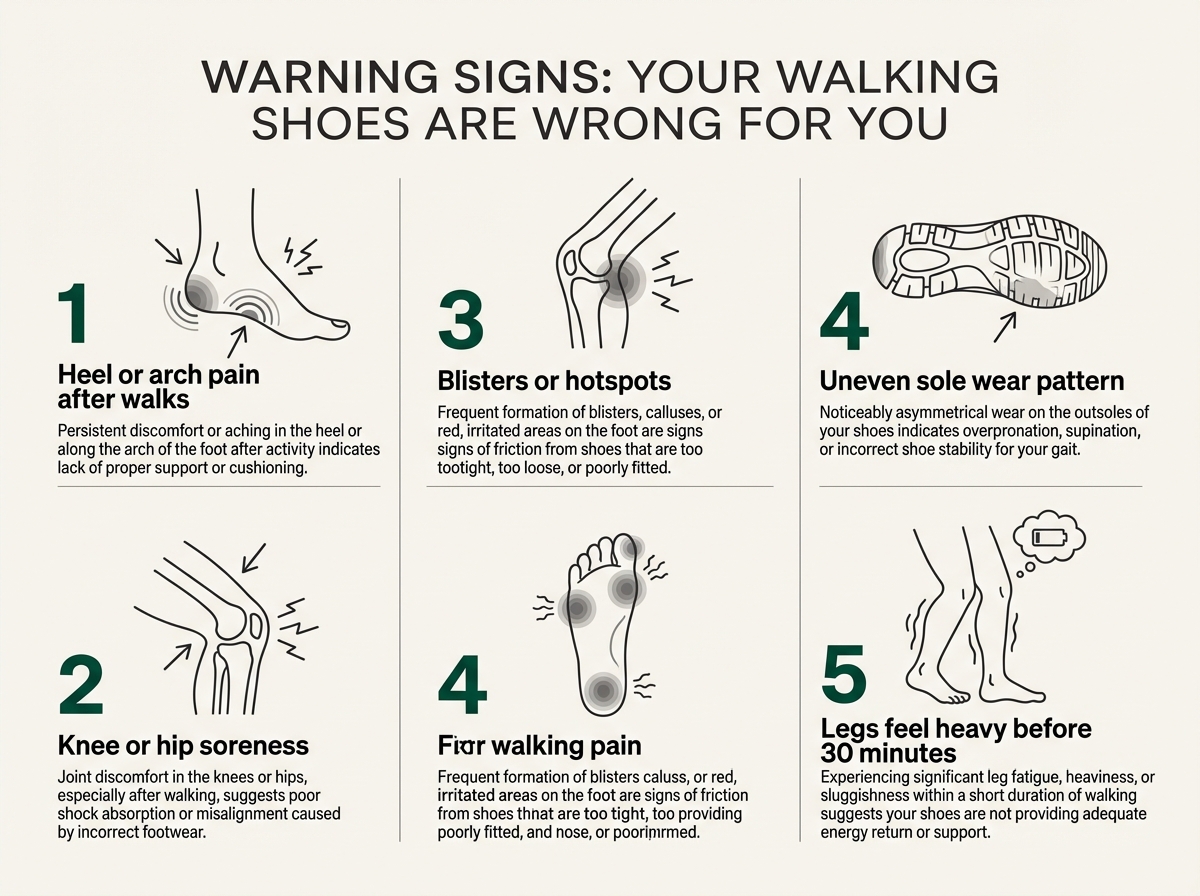
5 Signs Your Current Shoes Are Hurting You
Your shoes may be causing damage long before you consciously notice anything wrong. These are the five warning signs most women miss.
1. Heel or arch pain after walks. If you feel pain in your heel or arch — especially first thing in the morning — your shoes may lack adequate cushioning or arch support. This is a classic early sign of plantar fasciitis, which is more common in women than men and becomes more prevalent with hormonal changes.
2. Knee or hip soreness after moderate walks. Pain that radiates upward from your feet is a red flag. An unsupportive shoe changes how your entire lower body absorbs impact. According to podiatrists at Achilles Foot and Ankle Center, knee and hip problems that seem unrelated to footwear are often directly caused by it.
3. Blisters, hotspots, or toe crowding. These signal a poor fit — usually a toe box that’s too narrow or a shoe that doesn’t match your foot width. Don’t break in painful shoes. A properly fitted walking shoe should feel comfortable immediately.
4. Uneven wear on the sole. Flip your shoes over and look at the wear pattern. Excessive wear on the inner edge indicates overpronation. Wear concentrated on the outer edge suggests supination. Either pattern means your current shoe isn’t correcting your gait — and you may need a stability or neutral shoe with better support.
5. Legs feel heavy before 30 minutes. Premature fatigue during walks is often caused by shoes with insufficient cushioning or energy return. Good walking shoes should make movement feel easier, not harder. If you’re tired by the time you’ve warmed up, your shoes are working against you.
When to Replace Your Walking Shoes
Most walking shoes should be replaced every 300 to 500 miles — roughly every 6 to 12 months for regular walkers. Podiatrists recommend replacing them at this interval because midsole foam compresses over time and loses its shock-absorbing properties — even when the outer sole still looks fine.
Don’t wait for the shoe to look worn out. If you start noticing any of the warning signs above — increased foot pain, knee soreness, or early fatigue — and your shoes are over 6 months old, it’s time to replace them. Your feet will tell you before the shoe shows it.
Are running shoes the same as walking shoes?
Not exactly, but many running shoes make excellent walking shoes. Running shoes tend to have more cushioning and are lighter for speed. Walking shoes are slightly heavier with more forefoot flexibility and stability. However, many podiatrists recommend quality running shoes for walking — especially models like the Hoka Bondi or Brooks Ghost Max which are equally popular with walkers.
Should I buy half a size up?
Yes — podiatrists consistently recommend going up half a size for walking shoes. Your feet swell slightly during activity and throughout the day. A shoe that fits perfectly in the morning may feel tight after a 45-minute walk. There should be about a thumb’s width of space between your longest toe and the end of the shoe. Also consider shopping for shoes in the afternoon when your feet are at their largest.
Are more expensive shoes always better?
Not necessarily. The Brooks Ghost 16 at $130 outperforms many shoes at $180+ for everyday walking. Price generally reflects advanced foam technology, carbon plates, or premium materials — features that matter more for running than walking. For most women, a well-fitted shoe in the $130–$165 range offers everything needed for healthy, comfortable walking.
The Bottom Line
The right walking shoe is one of the highest-leverage investments you can make for your health. It protects your joints, supports your posture, and makes it easier to build the daily walking habit that research consistently links to better cardiovascular health, stronger bones, and healthier weight.
If you’re not sure where to start, use the quiz above to get a personalized recommendation. And if you’re experiencing foot, knee, or hip pain on your walks, take that seriously — the right shoe can often resolve it before it becomes a bigger problem.
Your feet carry you through everything. Give them the support they deserve.