

High Blood Pressure: How to Know Your Numbers at Home
Nearly 6 in 10 people with high blood pressure don’t know they have it. Here’s why it stays silent, how to check your numbers accurately at home, and the everyday habits that genuinely move them.
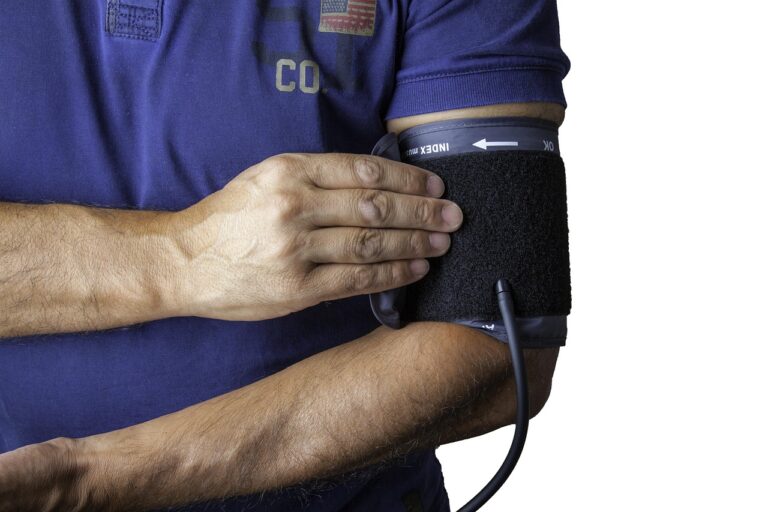
Nearly 6 in 10 people with high blood pressure don’t know they have it. Here’s why it stays silent, how to check your numbers accurately at home, and the everyday habits that genuinely move them.
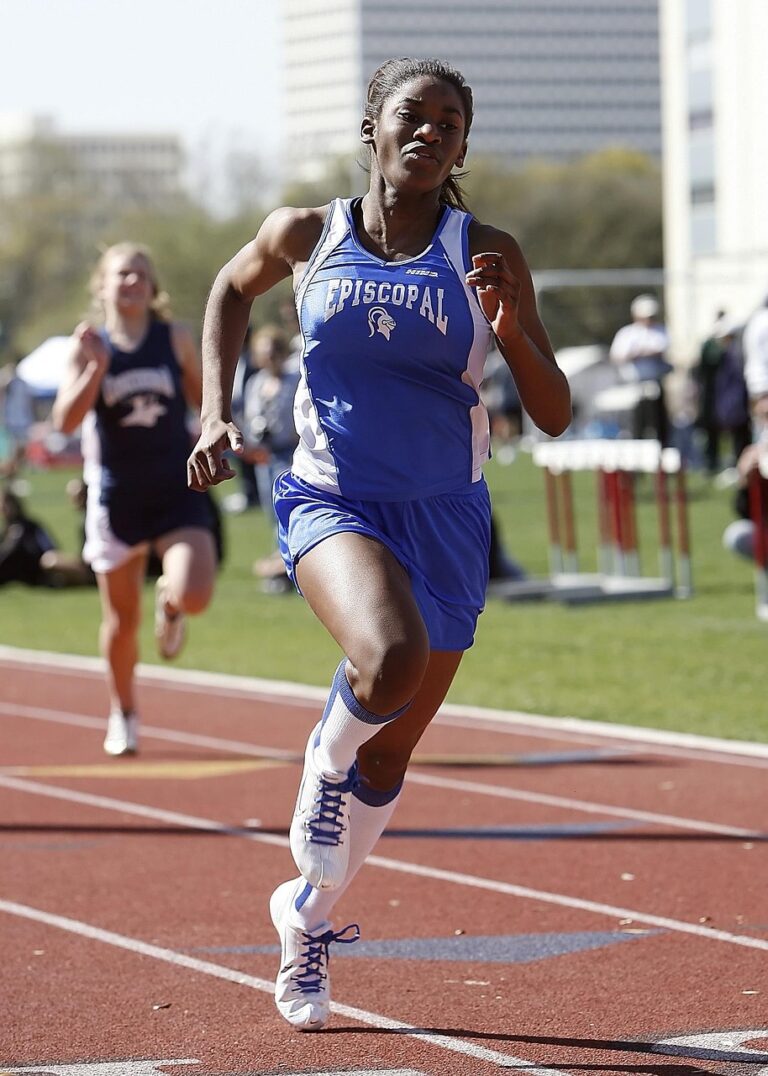
Sprint interval training packs short, all-out efforts into a session you can finish on a lunch break. Here is what new blood research suggests about intensity, plus a realistic beginner progression, recovery rules, and who should get medical clearance first.
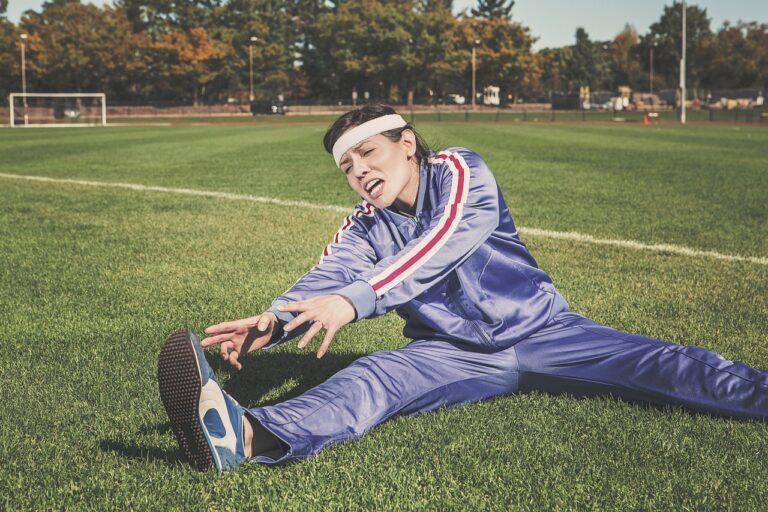
Compression for recovery may ease soreness and it does improve blood flow, but the newest research shows it won’t make you faster. Here’s how to tell if it’s worth it for you.
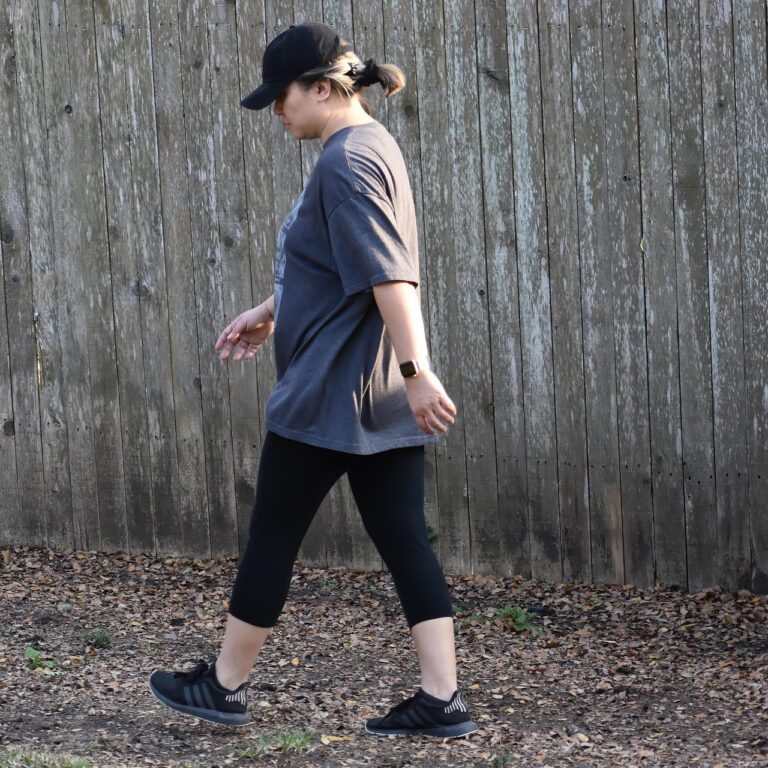
New research links about 45 minutes of moderate cardio, three to four days a week, to sharper executive function in postmenopausal women. Here’s the exact dose, a 12-week ramp-up plan for beginners, and what exercise honestly cannot promise.

New research on menstrual cycle sleep found elite female athletes slept 55 minutes less than they realized — and never felt it. Here’s how your cycle affects rest, what changes in each phase, and how to train smarter without ditching the workouts you love.
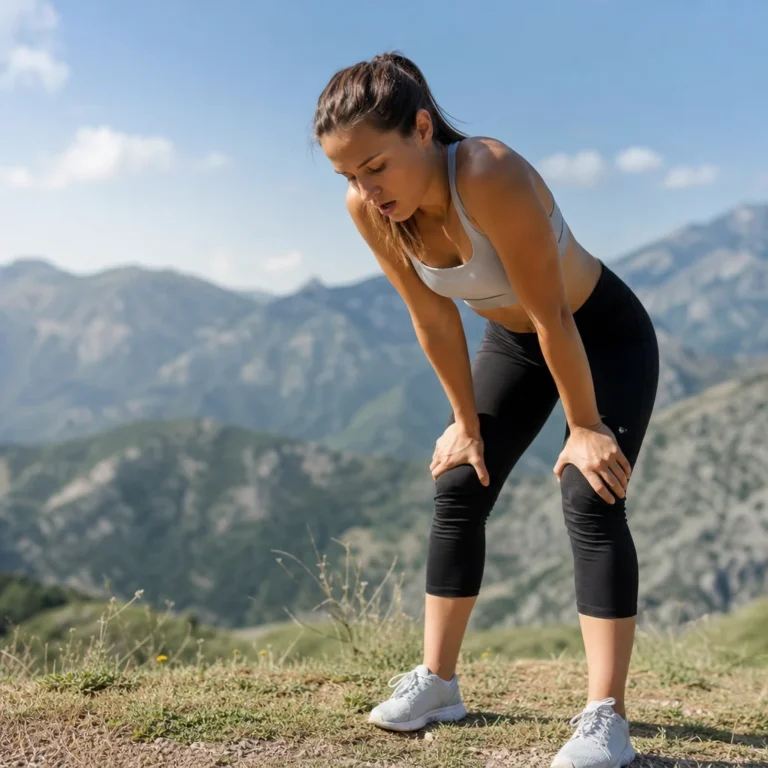
Not sure whether to exercise when tired? Learn when light movement restores energy, when to modify your workout, and when rest is the smarter call — with a two-minute push–modify–rest checklist.
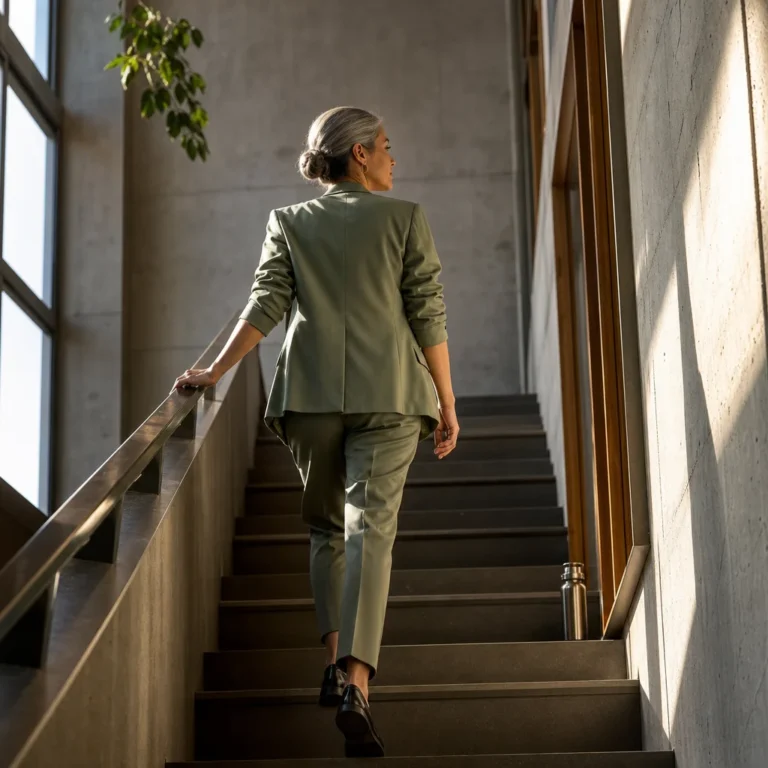
Take the stairs: regular stair climbing is linked to a 39% lower risk of heart-related death. Here’s how many flights a day you need and how to build the habit.
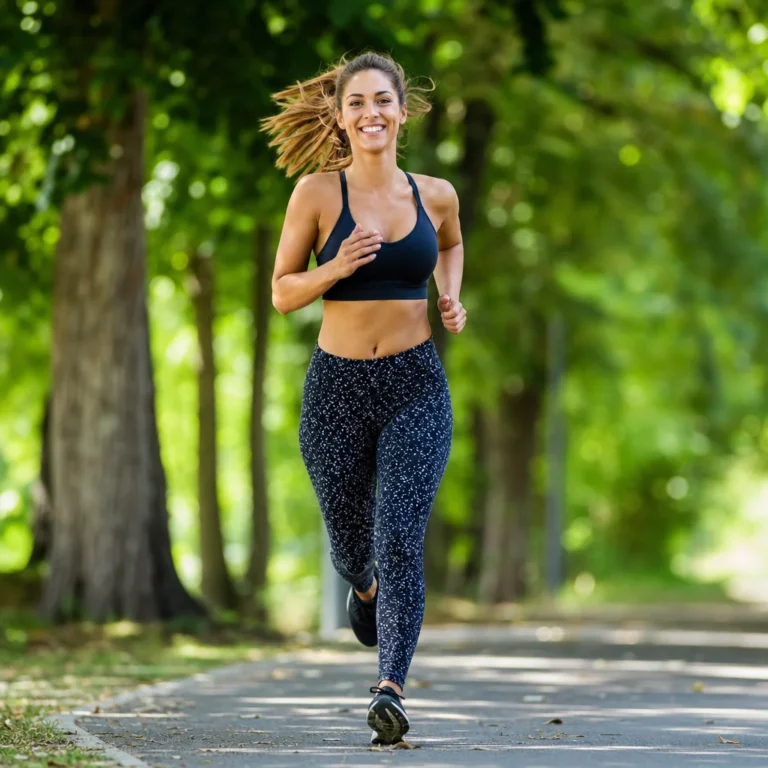
Diet gets the weight off — but exercise for weight maintenance is what keeps it off. Learn why movement protects your progress and how to build a simple weekly routine.
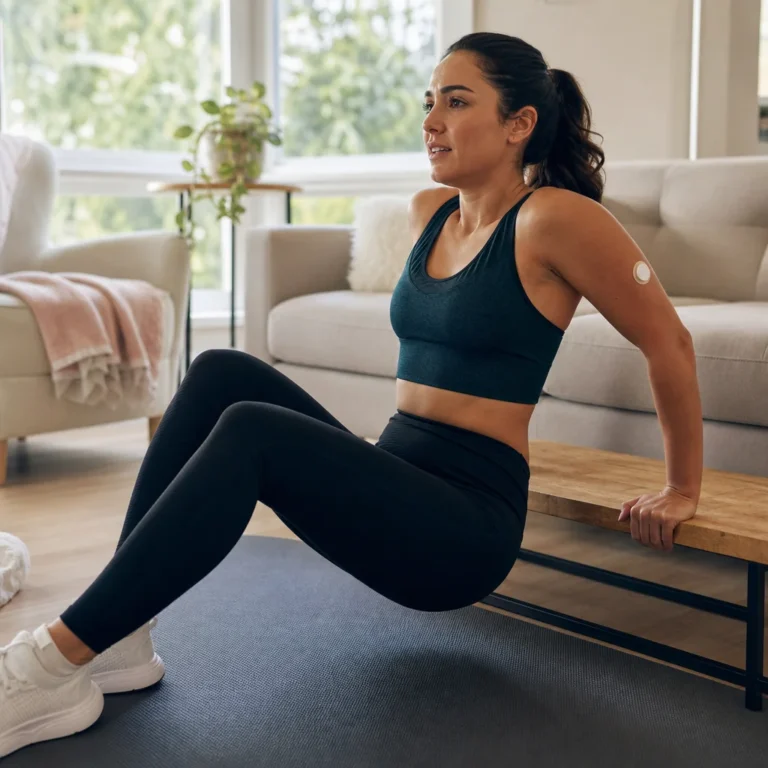
Strength training diabetes risk may drop about 50% when you add two strength days to cardio, new research shows. Here’s your no-gym plan.

New research suggests movement may be one of the most accessible tools for healing childhood trauma. Here’s what the science found and how to start gently — no gym required.