

5 Overlooked Skin Cancer Signs Women Should Know
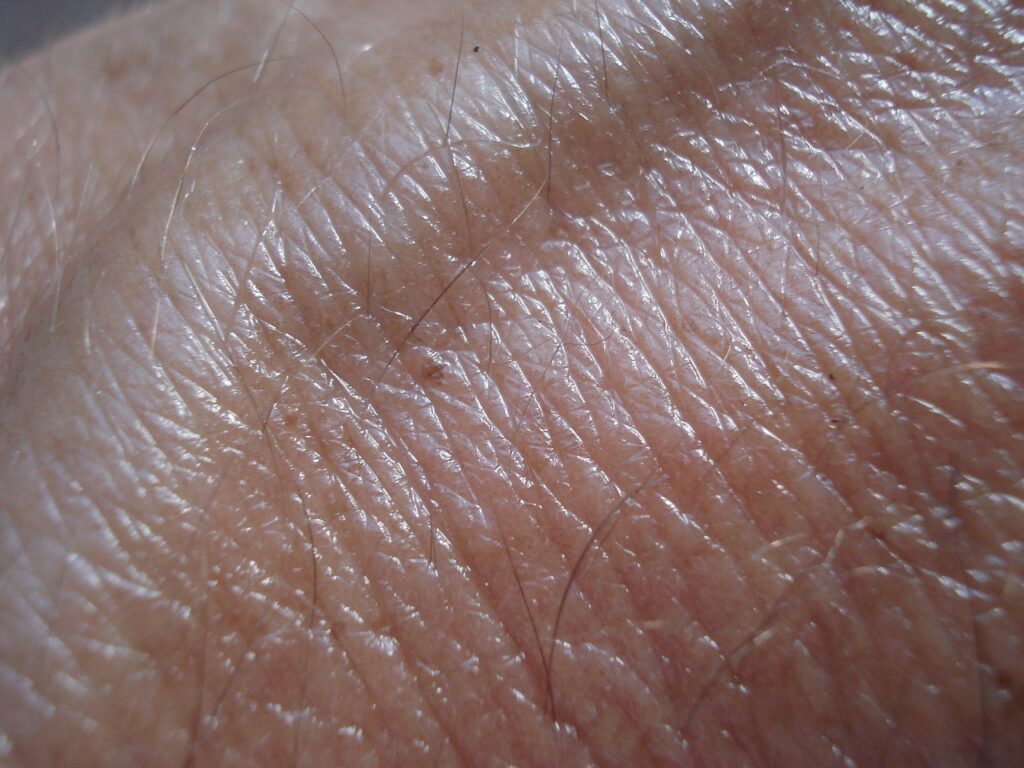
You know the drill: check your moles for changes. But here’s the thing — the skin cancer signs that dermatologists actually catch in their clinics often look nothing like the textbook ABCDE images. Persistent scaly patches, tiny pearly bumps, or a sore that just won’t heal are among the most commonly overlooked skin cancer signs. In fact, they’re so subtle that many women mistake them for dry skin, eczema, or a minor scratch. Let’s explore what to really look for — and how to spot it early.
Key Takeaways
- A sore that doesn’t heal within a few weeks is a top warning sign — even if it’s painless.
- The “ugly duckling” sign — a mole that looks different from all your others — can catch melanoma that ABCDE criteria miss.
- Monthly skin checks using a full-length mirror and a phone camera can help you spot changes early.
- Don’t forget often-missed areas: scalp, ears, lips, backs of hands, tops of feet, and nail beds.
- Daily SPF 30+ sunscreen and SPF 50 lip balm are your first line of defense.
Quick Answer: What Are the 5 Overlooked Skin Cancer Signs?
1. A sore that bleeds, crusts, or doesn’t heal for weeks. 2. A scaly, rough patch that feels different from surrounding skin. 3. A shiny, pearl-like bump that may look like a pimple that never goes away. 4. A lesion that repeatedly bleeds or crusts over. 5. A mole that looks like an “ugly duckling” — totally different from your other moles. If you notice any of these, see a board-certified dermatologist.
What Are the Most Overlooked Skin Cancer Signs?
We all know to watch for changing moles. But according to the CDC guidelines on skin cancer signs, a new growth or a sore that doesn’t heal after a few weeks is one of the most common — and most missed — warning signs. Here are the five subtle skin cancer signs dermatologists say women should pay attention to.
A non-healing sore. This can look like a small open wound, a crusty patch, or even a pimple that just won’t go away. It might bleed a little when you wash your face or catch it with a towel. If it persists for more than three to four weeks, get it checked.
A persistent scaly patch. Have a rough, dry spot that feels like sandpaper and doesn’t improve with lotion? It could be a squamous cell carcinoma (SCC) in its early stage. Many women dismiss it as dry skin or eczema, but if it’s not clearing up, it’s worth a professional look.
A shiny, pearly bump. Basal cell carcinoma (BCC) often appears as a translucent, pearl-like bump that can look like a flesh-colored pimple or a scar. It may have tiny blood vessels visible under the surface. Don’t assume it’s just a blemish.
A lesion that repeatedly bleeds or crusts. If a spot keeps bleeding, scabbing over, and then bleeding again — even without any injury — it’s a classic sign of both BCC and SCC. The Mayo Clinic advises that any mole that changes in size, color, or sensation should be checked and that any spot that won’t heal needs evaluation.
The “ugly duckling” mole. This isn’t about ABCDE criteria. It’s simpler: if one mole stands out from all the others around it — it’s darker, larger, or just looks weird — that’s a potential melanoma. Board-certified dermatologist Tanya Evans calls it an independent predictor of melanoma, even when ABCDE rules are normal.
How to Do a Monthly Skin Check Routine
Regular skin exams improve outcomes. Here’s a simple six-step routine you can do at home once a month.
Step 1: Stand in front of a full-length mirror in good light. Examine your face, neck, ears, and scalp. Use a hand mirror for the back of your head, or ask a partner to help.
Step 2: Check your arms, including the backs of your hands and between your fingers. Don’t forget your underarms and the sides of your torso.
Step 3: Use a hand mirror to scan your back and buttocks. This is where many melanomas form on sun-exposed areas.
Step 4: Sit down and check your legs, including the backs of your thighs, your shins, and the tops and soles of your feet. Look between your toes and under your toenails.
Step 5: Take a photo of any spot that looks suspicious. Use your phone camera with consistent lighting and angle. This helps you track changes over time.
Step 6: Keep a log with dates and notes. If something changes, you’ll have a record to show your dermatologist.
Where to Look: Commonly Missed Areas
Some of the most common places skin cancer develops are also the easiest to overlook. A recent Healthline expert interview highlighted these high-risk zones:
- Scalp and ears. Especially if you have thinning hair. Use a hand mirror to check your part and behind your ears.
- Lips. The lower lip is a common spot for SCC. Wear SPF 50 lip balm daily.
- Backs of hands. They get constant sun exposure but are often forgotten when applying sunscreen.
- Tops of feet and between toes. Sandals and bare feet leave these areas vulnerable.
- Nail beds. Dark streaks or bruises under a nail that don’t grow out could be subungual melanoma.
Quick Tip: The “Ugly Duckling” Sign
Don’t compare your moles to a chart. Compare them to each other. If one mole looks completely different from the rest — even if it doesn’t look scary — that’s your ugly duckling. The Mayo Clinic advises that any mole that changes in size, color, or feeling should be checked. Trust your gut: if something feels off, get it seen.
How to Protect Your Skin Every Day
Prevention is just as important as detection. Building skin-safe habits into your routine works best alongside other healthy lifestyle choices — like the practical tips in our guide to healthy grocery shopping. Here’s what the experts recommend:
Sunscreen every day. Use a broad-spectrum SPF 30+ on all exposed skin — even when it’s cloudy. UV rays penetrate clouds and reflect off water, snow, and sand. If you’re spending extended time outdoors, go for SPF 50 and reapply every two hours.
Protect your lips. They have very little natural melanin. Use an SPF 50 lip balm and reapply after meals and drinks.
Avoid indoor tanning. A JAAD study on indoor tanning and melanoma risk found that more than 10 sessions increases melanoma risk by 34%. That’s a risk you can completely avoid.
Wear protective clothing. A wide-brimmed hat, UV-blocking sunglasses, and long sleeves when possible. And don’t forget the tops of your feet — they’re easy to burn and easy to forget.
When to See a Dermatologist
If you find any of the skin cancer signs we covered — a non-healing sore, a scaly patch, a pearl-like bump, a bleeding lesion, or an ugly duckling mole — schedule an appointment with a board-certified dermatologist. You don’t need to panic; most spots turn out to be benign. But early detection is your best protection. When you call, say: “I found a spot on my [body part] that’s been [description] for [time]. Can I come in for a skin check?” That’s enough. Most dermatology offices have trained staff to triage concerns quickly.
The Bottom Line
Skin cancer is the most common cancer in the U.S., but it’s also one of the most treatable when caught early. The key is knowing what subtle skin cancer signs look like in real life — not just in a textbook. Start a monthly skin check routine, protect your skin daily, and trust your gut when something looks or feels different. You know your skin better than anyone. And now you know exactly what to look for.