
Is Cinnamon Tea Good for You? 9 Benefits + 3 Potential Risks Women Should Know
You’ve heard it a hundred times — cinnamon tea is good for you. But is that actually true, or is it just wellness marketing dressed up in a warm mug? If you’ve ever wondered is cinnamon tea good for you beyond the social media hype, you’re asking exactly the right question. As a registered dietitian nutritionist with 15 years of clinical and editorial experience, I believe you deserve a straight answer backed by real research — not vague claims and before-and-after photos. So here it is: cinnamon tea is genuinely beneficial for most women, but only when you understand both what it can deliver and what risks to watch for. Let’s go through all of it, one by one.
Quick Answer: Is Cinnamon Tea Good for You?
Yes — cinnamon tea is genuinely good for most women when consumed in appropriate amounts. It delivers real, science-backed benefits including blood sugar regulation, anti-inflammatory effects, heart health support, PCOS symptom relief, and menstrual pain reduction. However, three real risks exist around coumarin content, medication interactions, and digestive sensitivity. Understanding both sides of the equation is what allows you to use cinnamon tea as the powerful wellness tool it genuinely is.
What Makes Cinnamon Tea Good for You? The Science Behind the Spice
Before diving into the specific benefits, it helps to understand why cinnamon tea works at all. Cinnamon’s health properties come from a concentrated group of bioactive compounds found in the bark of the Cinnamomum tree. The most important ones are cinnamaldehyde (the compound responsible for cinnamon’s distinctive flavor and antimicrobial properties), type-A polyphenol polymers (responsible for insulin-sensitizing effects), cinnamic acid, and a broad spectrum of polyphenol antioxidants.
When you brew cinnamon as a tea — particularly by simmering a stick or steeping ground cinnamon in hot water — heat actively extracts these water-soluble compounds in concentrations high enough to produce measurable physiological effects. This is different from simply sprinkling cinnamon on your oatmeal. Tea preparation concentrates the bioactive compounds in a form your body can absorb quickly and efficiently. How you make your cinnamon tea directly determines how many of these compounds end up in your cup.
With that foundation in place, let’s walk through every benefit — and every risk — with the specificity and honesty that women’s health decisions deserve.
Is Cinnamon Tea Good for You? 9 Science-Backed Benefits
Benefit 1: Blood Sugar Regulation — The Most Documented Effect
If there’s one benefit that stands on the most solid scientific foundation, it’s cinnamon’s effect on blood sugar. The research here is substantial and consistent. A 2023 umbrella meta-analysis of randomized controlled trials published in Nutrition, Metabolism and Cardiovascular Diseases found that cinnamon consumption significantly improved total cholesterol, LDL cholesterol, and HDL cholesterol, while also enhancing total antioxidant capacity in patients with type 2 diabetes and PCOS.
Cinnamon works through two complementary mechanisms. First, it slows gastric emptying — meaning food moves more gradually from your stomach into your small intestine, preventing the sharp blood sugar spikes that follow fast carbohydrate digestion. Second, its type-A polyphenol compounds mimic insulin activity, helping cells take up glucose more efficiently even when insulin levels are low. The practical result is more stable energy throughout the day, fewer intense cravings, and a reduced risk of the insulin resistance that drives weight gain in women over 40. This is why cinnamon tea for weight loss is grounded in real biology rather than wishful thinking.
Benefit 2: Powerful Anti-Inflammatory Protection
Chronic low-grade inflammation is one of the most underrecognized drivers of women’s health problems — from hormonal disruption and autoimmune conditions to cardiovascular disease and accelerated aging. Cinnamon contains several compounds with documented anti-inflammatory properties, including cinnamaldehyde and polyphenols that inhibit inflammatory cytokines like TNF-α and interleukin-6.
The same 2023 meta-analysis referenced above found that cinnamon significantly reduced interleukin-6 levels — a key inflammatory marker elevated in many chronic conditions. Research published in Critical Reviews in Food Science and Nutrition confirms cinnamon’s anti-inflammatory, antioxidant, antimicrobial, and immunomodulatory effects across both in vitro and in vivo studies. For women navigating the inflammatory burden of modern life — stress, poor sleep, processed foods — a daily cup of cinnamon tea is a genuinely meaningful addition to an anti-inflammatory lifestyle.
Benefit 3: Heart Health Support — Cholesterol and Blood Pressure
Heart disease remains the leading cause of death in women — a fact that receives far less attention than it deserves. Cinnamon tea offers meaningful cardiovascular support through several simultaneous pathways. The 2023 umbrella meta-analysis found that cinnamon supplementation significantly reduced total cholesterol, LDL (bad) cholesterol, and raised HDL (good) cholesterol levels — all independent risk factors for cardiovascular disease.
Additionally, research has shown that consistent cinnamon consumption over at least eight weeks can reduce blood pressure, with compounds cinnamaldehyde and cinnamophilin working to relax blood vessels and improve circulation. Furthermore, cinnamon’s antioxidant polyphenols help protect blood vessel walls from oxidative damage — a process that, when left unchecked, contributes to arterial plaque buildup over time. For women who are post-menopausal, when cardiovascular risk rises significantly, incorporating cinnamon tea as part of a heart-healthy daily routine is a low-cost, zero-side-effect addition worth taking seriously.
Benefit 4: PCOS Symptom Relief — A Particularly Meaningful Benefit
For the estimated one in ten women living with polycystic ovary syndrome, cinnamon tea is one of the most evidence-supported natural additions to a PCOS management plan. PCOS is fundamentally an insulin resistance and hormonal imbalance condition — and cinnamon addresses both directly.
A systematic review published in PMC found that cinnamon supplementation in PCOS patients improved insulin sensitivity, increased HDL cholesterol, decreased LDL cholesterol and triglycerides, and significantly raised total antioxidant capacity — the last being particularly important because PCOS is associated with dangerously elevated oxidative stress. A double-blind RCT cited within the review found that 1.5 grams of cinnamon daily for eight weeks increased total antioxidant capacity by 9.28% and decreased malondialdehyde (an oxidative stress marker) by 7.87%. Additionally, research published in MDPI’s Antioxidants journal identified cinnamon’s ability to reduce the inflammatory cytokines TNF-α and IL-6 that drive much of PCOS’s systemic inflammation. This connects directly to why foods that balance hormones naturally make such a meaningful difference in PCOS management.
Benefit 5: Menstrual Pain and Symptom Relief
This benefit is one that every woman who has ever suffered through painful periods needs to hear. Cinnamon has been studied as a natural intervention for dysmenorrhea (painful menstruation) — and the results are genuinely encouraging. Research indicates that cinnamon tea may help significantly reduce menstrual pain, heavy bleeding, nausea, and vomiting associated with the menstrual cycle.
The mechanism works through cinnamon’s anti-inflammatory and antispasmodic properties, which reduce the prostaglandin-driven uterine contractions responsible for cramping. Furthermore, cinnamon’s effects on blood flow and vessel relaxation may help reduce the excessive bleeding that so many women experience. For women who reach for ibuprofen every month, a cup of warm cinnamon tea in the days before and during menstruation is a complementary approach worth trying — particularly because it addresses the underlying inflammation rather than just masking pain signals.
Benefit 6: Antioxidant Power — Fighting Cellular Aging
Cinnamon is one of the highest antioxidant-density foods on the planet — a fact that surprises most people who think of it primarily as a baking spice. Polyphenol antioxidants, particularly procyanidins and epicatechin, are present in cinnamon in concentrations that rival superfoods like blueberries and dark chocolate. These compounds neutralize free radicals — unstable molecules that damage cells, accelerate aging, and contribute to chronic diseases including cancer and cardiovascular disease.
When you brew cinnamon as a tea, the hot water extraction process releases these polyphenols in their most bioavailable water-soluble form. For women concerned about healthy aging, skin health, and long-term cellular protection, a daily cup of cinnamon tea delivers meaningful antioxidant support in the most effortless possible way. This supports the broader healthy aging strategies that every woman deserves access to.
Benefit 7: Digestive Health and Bloating Relief
Cinnamon has been used for digestive support in traditional medicine across cultures for thousands of years — and modern research is confirming why. Cinnamon tea helps stimulate the production of digestive enzymes and bile, supporting more efficient breakdown of food and reducing gas and bloating. Its antimicrobial properties also help regulate the balance of gut bacteria, potentially reducing the overgrowth of harmful microorganisms that contribute to digestive discomfort.
For women who struggle with bloating — particularly around hormonal fluctuations — drinking cinnamon tea before or after meals can provide genuine relief. This connects naturally with strategies in our 7-day anti-bloat meal plan and our guide to the best anti-bloating teas for women. Cinnamon’s gastric emptying effect — slowing food transit for better satiety — also reduces the fermentation in the gut that causes gas and bloating in the first place.
Benefit 8: Immune System Support
Cinnamaldehyde — cinnamon’s primary bioactive compound — has demonstrated antimicrobial, antifungal, and antiviral properties in research settings. These properties help the body fight off bacterial and fungal infections by inhibiting the growth of harmful microorganisms at the cellular level. According to LifeMD’s medically reviewed research summary, regular cinnamon tea consumption may strengthen the immune system by targeting harmful bacteria that conventional immune responses sometimes miss.
Additionally, cinnamon’s antioxidant polyphenols reduce the oxidative burden on immune cells, allowing them to function more effectively. For women navigating the immune challenges of stress, poor sleep, and demanding lifestyles, cinnamon tea’s immune-supportive properties offer one more reason to make it a consistent daily practice. Combined with adequate protein — as explored in our daily protein needs guide — this approach creates a genuinely immune-supportive nutritional foundation.
Benefit 9: Weight Management and Metabolic Support
Cinnamon tea supports weight management through three simultaneous pathways — none of which require dramatic lifestyle changes. First, blood sugar stabilization reduces the insulin spikes that signal the body to store fat rather than burn it. Second, the gastric emptying effect keeps you feeling fuller for longer, reducing overall calorie consumption without requiring willpower. Third, cinnamon’s mild thermogenic properties generate a small amount of metabolic heat, supporting energy expenditure over time.
For women specifically, these metabolic benefits are most impactful in the context of the hormonal shifts of perimenopause and menopause, when insulin resistance and abdominal fat accumulation accelerate. Cinnamon tea’s ability to directly address insulin sensitivity makes it a particularly strategic tool during these life stages. Our full guide on weight loss for women over 40 explores how these metabolic mechanisms fit into a complete, sustainable strategy. And for women also managing weight loss plateaus, cinnamon tea’s insulin-sensitizing effects can help break through the metabolic adaptation that stalls progress.
The 9 Benefits at a Glance
Blood sugar regulation and insulin sensitivity · Anti-inflammatory protection · Heart health (cholesterol and blood pressure) · PCOS symptom relief · Menstrual pain reduction · Powerful antioxidant support · Digestive health and bloating relief · Immune system strengthening · Weight management and metabolic support
3 Real Risks of Cinnamon Tea Women Should Know
Here’s where most wellness articles fall short — they celebrate the benefits while glossing over the risks. At TEOHL, we believe informed women make better decisions. So let’s be direct about the three real risks that every woman who drinks cinnamon tea regularly should understand.
Risk 1: Coumarin and Liver Safety — The Most Important Risk to Understand
This is the risk that matters most, and it deserves a clear, honest explanation. Cinnamon — specifically Cassia cinnamon, which is the standard type sold in most grocery stores — contains a naturally occurring compound called coumarin. In excessive amounts, coumarin can cause liver damage and increase the risk of bleeding. This is not a theoretical concern — it’s a documented toxicological risk at high doses.
The key word is “excessive.” At the amounts found in one to two cups of cinnamon tea per day using a cinnamon stick, most healthy women are well within safe limits. The issue arises when women consume large amounts daily across multiple preparations — cinnamon tea, cinnamon supplements, cinnamon in cooking — without tracking total intake. According to WebMD’s medically reviewed guidance, experts recommend limiting daily cinnamon intake to ½ to 1 teaspoon (approximately 2 to 4 grams) of powder equivalent per day, particularly with Cassia cinnamon.
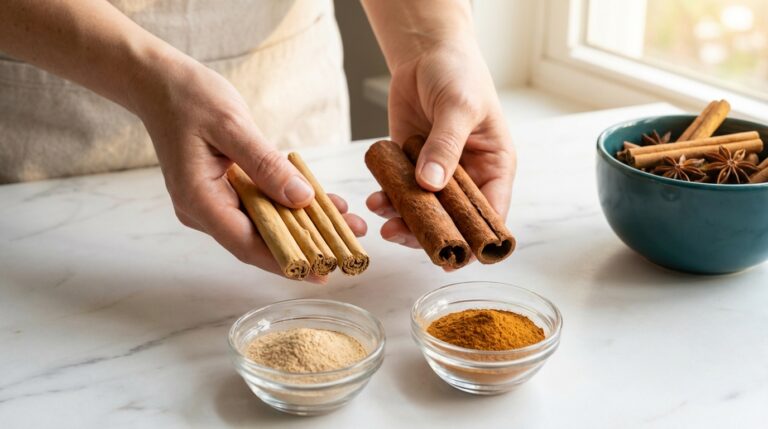
The practical solution is straightforward: switch to Ceylon cinnamon for daily use. Ceylon (also called “true cinnamon”) contains approximately 250 times less coumarin than Cassia, making it dramatically safer for consistent daily drinking. Our detailed Ceylon vs. Cassia cinnamon guide explains exactly how to identify, source, and use each type appropriately. Women with pre-existing liver conditions should consult their doctor before drinking cinnamon tea regularly, regardless of the cinnamon type.
Risk 2: Medication Interactions — A Risk Many Women Miss
Cinnamon’s blood sugar-lowering and mild blood-thinning properties — which are benefits in most contexts — become risks when they interact with certain medications. This is a risk that women frequently underestimate because cinnamon is a food, and it’s easy to assume that food-based remedies are universally safe alongside prescription drugs.
Women taking diabetes medications including metformin, insulin, or other blood glucose-lowering drugs should monitor their blood sugar closely when adding regular cinnamon tea, because the combined effect may drop blood sugar lower than intended — a condition called hypoglycemia that can cause dizziness, confusion, or fainting. Additionally, women on anticoagulant medications like warfarin should discuss cinnamon tea with their healthcare provider, as cinnamon’s mild blood-thinning properties can amplify the medication’s effect.
Women taking statins for cholesterol should also be aware of potential interactions, as cinnamon itself affects lipid metabolism. None of these interactions mean cinnamon tea is off-limits — but they do mean a conversation with your doctor is warranted before making it a daily habit if you take any of these medications. This is especially relevant for women using cinnamon supplements alongside tea, as the combined dosing can be significant.
Risk 3: Digestive Irritation in Sensitive Individuals
Cinnamon bark is demanding on the digestive system for some people. According to WebMD’s medically reviewed content, the most common side effects of cinnamon are GI tract irritation and allergic reactions. Women with sensitive stomachs, acid reflux, GERD, or IBS may find that concentrated cinnamon tea aggravates their symptoms rather than helping.
Heavy use can also cause mouth sores or irritation, particularly if you’re drinking very strong tea or consuming cinnamon powder directly. Allergic reactions to cinnamon are rare but do exist — signs include tingling in the mouth, skin reactions, or respiratory symptoms. Furthermore, women who are pregnant should limit cinnamon intake to culinary amounts rather than daily therapeutic-dose tea, as concentrated cinnamon has historically been associated with uterine stimulation in very large amounts.
The practical advice: if you’re new to cinnamon tea, start with a milder preparation (one stick steeped for 10 minutes rather than simmered for 20) and observe how your body responds over a week. Switch from Cassia to Ceylon cinnamon, which tends to be gentler on the digestive system. If symptoms appear, discontinue and consult a healthcare provider.
The 3 Risks at a Glance — and What to Do
Risk 1 — Coumarin/Liver: Switch to Ceylon cinnamon. Limit Cassia to ½–1 tsp daily equivalent.
Risk 2 — Medication interactions: Consult your doctor if taking blood sugar, blood-thinning, or cholesterol medications.
Risk 3 — Digestive irritation: Start mild, use Ceylon, discontinue if symptoms appear.
How to Drink Cinnamon Tea Safely and Effectively
Knowing the benefits and risks is only half the picture. How you prepare and consume cinnamon tea determines whether you capture those benefits while staying clear of the risks. Here’s the practical guidance that makes the difference.
Choose the Right Cinnamon
For daily drinking, Ceylon cinnamon is the clear choice. It’s lighter in flavor, lower in coumarin, and safer for consistent use. If Ceylon isn’t available, Cassia is fine in moderate amounts — but track your total daily cinnamon intake across all sources. The cinnamon water vs. cinnamon tea comparison explains in detail how preparation method affects both potency and safety.
Optimal Daily Amount
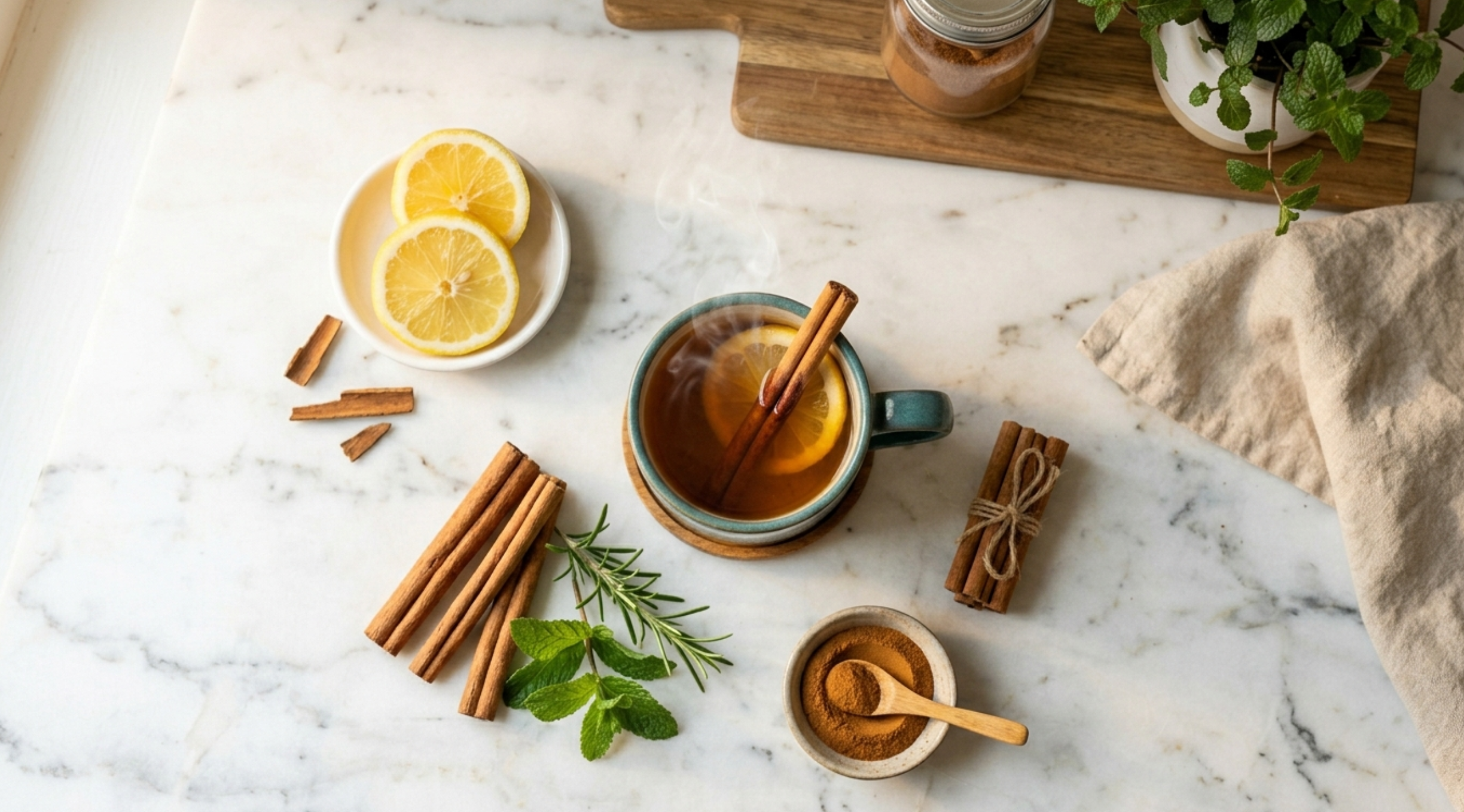
One to two cups of cinnamon tea per day is appropriate for most healthy women. This translates to one cinnamon stick or ¼ to ½ teaspoon of ground Ceylon cinnamon per cup. If you’re also using cinnamon extract or supplementing with cinnamon capsules, account for that in your daily total to avoid exceeding safe coumarin limits with Cassia.
Best Timing for Maximum Benefit
Timing your cinnamon tea strategically amplifies its effects. Drinking one cup 20 to 30 minutes before meals activates the gastric emptying mechanism, reducing how much you eat and preventing post-meal blood sugar spikes. Drinking a cup in the evening or before bed supports overnight blood sugar stability and fat metabolism — our complete guide on cinnamon before bed and cinnamon and warm water before bed covers this timing strategy in full detail.
What to Add — and What to Avoid
Additions that enhance cinnamon tea’s benefits include a small amount of raw honey (½ to 1 teaspoon), lemon juice, fresh ginger, or turmeric. The cinnamon honey combination has its own documented benefits. The ginger cinnamon lemon tea stacks three powerful anti-inflammatory ingredients into one cup.
Additions to avoid include regular sugar, flavored syrups, and excessive milk — all of which counteract the blood sugar benefits you’re working to achieve. If you need sweetness, monk fruit or a tiny amount of raw honey are your best options. Our guide on monk fruit health benefits explains why it’s a smart zero-glycemic choice for cinnamon tea.
Is Cinnamon Tea Good for You Specifically? Women’s Health Considerations
Women’s bodies respond to cinnamon tea within a specific hormonal and physiological context that standard health content largely ignores. Here’s what actually applies to you based on your life stage.
For women in their 20s and 30s dealing with PMS, PCOS, or hormonal acne, cinnamon tea’s anti-inflammatory and insulin-sensitizing effects directly address the root hormonal disruptions driving these conditions. Consistent daily use over two to three months is where the real impact accumulates. For women in perimenopause and menopause, cinnamon tea’s blood sugar and cholesterol benefits become increasingly relevant as estrogen decline worsens insulin resistance and cardiovascular risk. The anti-inflammatory properties also help with the joint discomfort and brain fog that many women experience during this transition.
For women over 60, the antioxidant and cardiovascular benefits of cinnamon tea align directly with the most common health priorities of healthy aging. Optimal wellbeing after 60 increasingly depends on managing inflammation, blood pressure, and oxidative stress — all areas where cinnamon tea contributes meaningfully.
How Long Before I Feel the Benefits of Cinnamon Tea?
Some effects are noticeable quickly — reduced afternoon energy crashes and fewer sugar cravings often appear within one to two weeks. Menstrual symptom improvements typically show within one to two cycles of consistent use. Cholesterol and blood sugar improvements visible on lab tests generally require eight to twelve weeks of daily consumption. The key is consistency: one cup daily for three months delivers far more measurable results than occasional use.
Is Cinnamon Tea Safe to Drink Every Day?
Yes, for most healthy women — with two conditions. First, choose Ceylon cinnamon for daily use, or keep Cassia cinnamon to ½ to 1 teaspoon equivalent per day total. Second, if you take medications for blood sugar, blood thinning, or cholesterol, discuss regular cinnamon tea use with your healthcare provider first. Within these parameters, daily cinnamon tea is safe and beneficial for the vast majority of women.
Is Cinnamon Tea Good for You If You’re Pregnant?
In culinary amounts, cinnamon is generally considered safe during pregnancy. However, drinking large quantities of concentrated cinnamon tea daily is not recommended during pregnancy due to cinnamon’s historical association with uterine stimulation in high doses and its coumarin content. Occasional cups of mild cinnamon tea are generally considered fine, but pregnant women should consult their healthcare provider and avoid therapeutic-dose daily consumption.
Can I Drink Cinnamon Tea on an Empty Stomach?
Yes — and for many women, this is actually an excellent choice. Drinking cinnamon tea or warm cinnamon water on an empty stomach in the morning primes your insulin response and digestive function for the day ahead. However, if you find it causes stomach discomfort when fasting, try eating a small amount first or switching to the milder cold-infused cinnamon water version. Our guide on cinnamon water on an empty stomach covers the full benefits and considerations.
Does Cinnamon Tea Have Caffeine?
No. Pure cinnamon tea brewed from cinnamon sticks or ground cinnamon contains zero caffeine, making it suitable for drinking at any time of day including the evening. This is one of its practical advantages over green tea or other metabolism-supporting teas — you can drink it right before bed without disrupting your sleep, which is precisely why the bedtime timing is so popular and effective.
The Bottom Line: Is Cinnamon Tea Good for You?
The honest, evidence-based answer is yes — cinnamon tea is genuinely good for most women. The nine benefits documented here aren’t marketing claims — they’re outcomes supported by randomized controlled trials, systematic reviews, and meta-analyses published in peer-reviewed journals. Blood sugar regulation, anti-inflammatory protection, cardiovascular support, PCOS and menstrual relief, antioxidant power, digestive health, immune support, and metabolic assistance are all within reach of a daily cup.
And the three risks aren’t reasons to avoid cinnamon tea — they’re reasons to use it wisely. Choose Ceylon cinnamon for daily drinking, stay within safe daily amounts, know your medication interactions, and listen to your body’s digestive signals. Those three guardrails keep you safe while the nine benefits do their work.
The most important thing is consistency over intensity. One thoughtful cup of cinnamon tea every day for three months will do far more for your health than aggressive short-term use. This isn’t a quick fix — it’s a sustainable, affordable, science-supported practice that fits into any woman’s life. Your spice cabinet has been holding one of the world’s most studied natural health tools all along. It’s time to actually use it.
Related Articles You Might Enjoy
- Cinnamon Tea for Weight Loss: Does It Actually Work?
- Cinnamon Water vs Cinnamon Tea: Which Is Better for Women?
- Cinnamon Before Bed: Benefits for Sleep and Weight Loss
- Ceylon Cinnamon vs. Cassia: Which Should You Choose?
- Best Cinnamon Supplements for Women (2026 Guide)
- Ginger Cinnamon Lemon Tea: 9 Science-Backed Benefits
- Foods That Balance Hormones Naturally