

New Biomarkers Could Speed Up Lyme Disease Detection
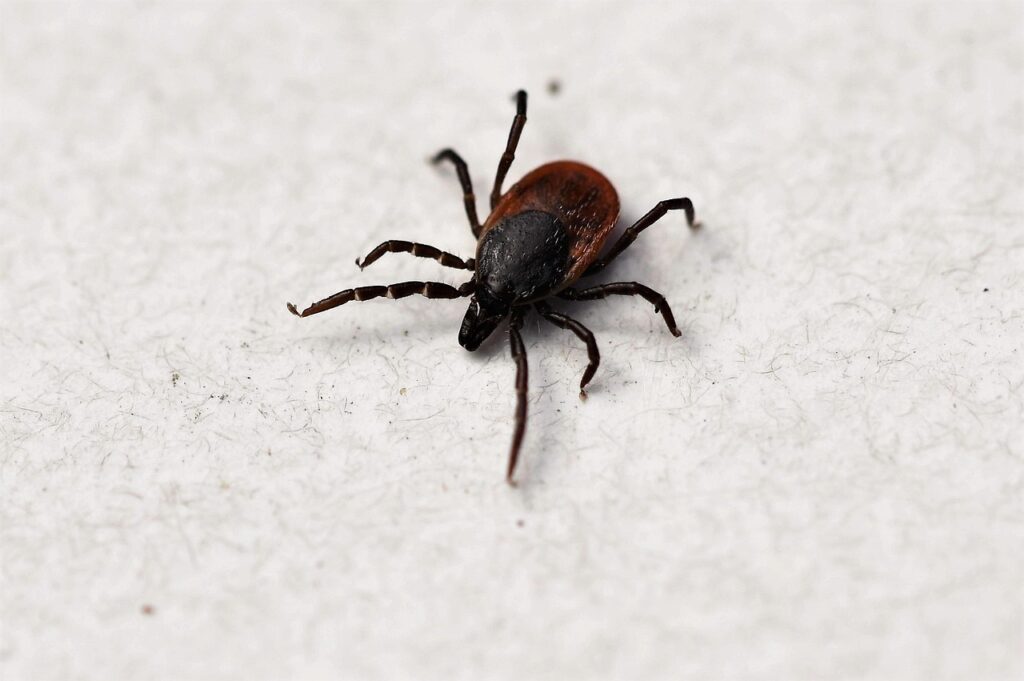
You just found a tick on your leg. Now you’re wondering: Could it give me Lyme disease? And if so, how soon can I find out? For years, the answer has been frustrating. Standard Lyme tests often miss early infections. But new research may change that. A late June 2026 study from Tufts University and Johns Hopkins found two blood proteins that can spot lyme disease detection days earlier than current tests. Here’s what you need to know, and what to do right now if you’re worried about a tick bite.
Key Takeaways
- Standard Lyme tests catch only 29–40% of cases in the first 30 days. They rely on antibodies that take weeks to show up.
- Newly found blood markers (αPA and αPS) can be seen before standard tests turn positive. This could speed up lyme disease detection by days.
- One marker, αPS, stays high in some people with chronic Lyme. That could help diagnose post-treatment Lyme disease.
- These new tests aren’t ready yet. But you can act now: know the symptoms, get a clinical diagnosis if you have a rash, and ask for a repeat test after a few weeks if you still feel sick.
Quick Answer: How Soon Can I Know If I Have Lyme Disease?
Right now, standard two-tier testing works best after 4–6 weeks. But you don’t have to wait that long. If you get a red rash after a tick bite, call your doctor right away. A clinical diagnosis is enough to start treatment. New research on lyme disease detection using blood proteins may soon let doctors diagnose you days earlier, but those tests aren’t available yet.
Why Current Lyme Disease Detection Falls Short
Let’s be real: if you’ve been bitten by a tick, you need to know that standard tests have big blind spots. You might think a negative result means you’re safe. Not always. A 2021 review in Experimental Biology and Medicine found that standard two-tier testing catches only 29–40% of early Lyme cases. That means up to 70% are missed in the first month.
The issue? These tests look for antibodies, not the bacteria itself. Your body takes 2 to 6 weeks to make enough antibodies to show up. Meanwhile, the bacteria spread. A negative test in the first few weeks does not rule out Lyme. The rash is your best clue. But up to 30% of people never get one. So what should you do?
Key Numbers to Know
• Sensitivity of standard test in first 30 days: 29–40%
• Time to develop antibodies: 2–6 weeks
• People with Lyme who never have a rash: 30%
• Estimated US cases per year: ~476,000 (CDC)
• Modified two-tier testing (two ELISAs) helps a bit but still misses many early cases
Two New Biomarkers Could Speed Up Lyme Disease Detection
Here’s the exciting news. In late June 2026, researchers at Tufts and Johns Hopkins published a study in Infection and Immunity. They found two antiphospholipid antibodies — αPA and αPS — that rise in Lyme patients before standard tests turn positive. These markers could make lyme disease detection possible days earlier.
How do they work? When Borrelia bacteria infect you, your immune system makes antibodies against certain fats. The researchers saw that αPA and αPS levels go up very early — often before standard tests pick up anything. That could mean doctors could catch the infection sooner.
Even better, the study found that αPS stays high in some people with chronic Lyme symptoms (like fatigue, joint pain, brain fog). This marker was not high in other conditions that look like Lyme (lupus, MS, fibromyalgia). So αPS might become the first blood test to help diagnose chronic Lyme — something we don’t have a good test for right now.
Other Advances in Lyme Disease Detection
The antiphospholipid find isn’t the only one. Other teams are also developing better ways to catch Lyme early:
- New Borrelia antigens: A 2025 study in Cell Reports Medicine found a protein called A0001 that spotted 90.5% of early Lyme cases. That’s way better than the current best antigen (C6 at 69.4%) and far better than standard two-tier testing (22.5%). (Source: Nayak et al., 2025)
- Single-test approach: A 2025 study in the Journal of Clinical Microbiology tested a single-tier test using both VlsE and C6 antigens. It caught early Lyme with >90% sensitivity. If approved, it could replace the two-step process. (Source: Levin et al., 2025)
- AI-powered markers: Scientists at Arizona State used machine learning to find biomarkers that tell Lyme apart from similar diseases, even in people who got false-negative results. (Source: Zhang et al., 2025)
All of these methods are still in research. None are ready for your doctor’s office yet. But they point to a future where lyme disease detection is faster and more accurate.
What to Do Right Now After a Tick Bite
While we wait for new tests, here’s what you can do today:
- Remove the tick correctly. Use fine-tipped tweezers. Grasp it close to your skin. Pull straight up with steady pressure. Don’t twist. Clean the area with soap and water.
- Watch for symptoms. In the first month, look for: rash (any shape, not just bull’s-eye), fever, chills, muscle aches, fatigue, headache. Mark the date you found the tick.
- See a doctor if you have symptoms. Don’t wait for a positive test. The CDC and Johns Hopkins say a rash + tick exposure is enough for a clinical diagnosis. Early antibiotics work very well.
- If your test is negative but you still feel sick, ask for a repeat test in 2–4 weeks. The Harvard Lyme Health site suggests you can request a second ELISA instead of a Western blot for better early sensitivity.
- Prevent future bites. Use EPA-registered repellents (DEET, picaridin, oil of lemon eucalyptus). Wear long sleeves and pants in woodsy areas. Do a full body check after being outside. See our tick bite prevention guide for more tips.
FAQ About Lyme Disease Detection
How soon after a tick bite can I get tested?
Blood tests work best after 4–6 weeks. But if you have symptoms or a rash, see a doctor right away. They may start treatment based on your symptoms alone.
Can a negative test mean I still have Lyme disease?
Yes. The CDC, Johns Hopkins, and Harvard all say that a negative test in the first few weeks does not rule out Lyme disease. Antibody tests rely on your immune response, which takes time to develop. If you have symptoms and a known tick exposure, a clinical diagnosis based on your symptoms and history is valid, and your doctor may start treatment even without a positive test.
When will new tests be available?
It’s hard to say. The antiphospholipid test needs larger studies and FDA approval. It could be a few years. But several other tests are also in the pipeline, so better lyme disease detection is coming.
The Bottom Line
Lyme disease detection is about to get much better. The discovery of antiphospholipid antibodies that appear before standard tests turn positive could change everything. It may allow diagnosis days earlier and help prevent long-term problems. Other advances like new antigens and single-tier tests add to the hope.
For now, trust your body. If you’ve been bitten by a tick and feel unwell — even with a negative test — push for a clinical check. And remember, prevention is your best bet. Check your skin after time outside, use repellent, and remove ticks quickly. Your health is worth it.