

Tick Bite Prevention
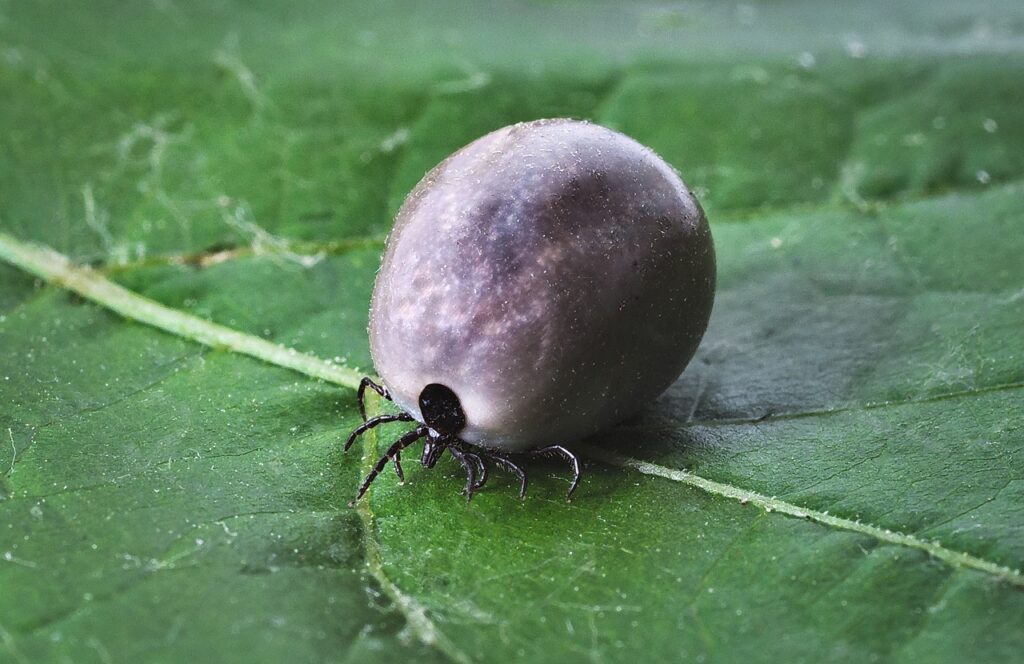
You’re more likely to get a tick bite in your own backyard than on a deep-woods hike. That’s not a scare tactic — it’s what the latest research shows. A 2019 meta-analysis found that tick-borne disease risk is significant right in residential yards (2.6 times higher odds) and even higher in neighborhoods (4 times higher odds). Climate change is pushing ticks into new areas, and suburban deer populations keep them thriving. The old advice to avoid tall grass on trails just doesn’t cut it anymore. Here’s what you need to know about tick bite prevention when your daily life includes gardening, walking the dog, or just sitting on the patio. Effective tick bite prevention starts with understanding where the risk really is.
Quick Answer: Tick Bite Prevention
There is no single magic bullet. The most effective approach combines multiple strategies: use an EPA-registered repellent on skin and clothing, wear light-colored long pants and long sleeves, treat outer layers with permethrin, do a thorough tick check after any outdoor time (even in your yard), shower within two hours, and manage your landscape to discourage ticks. Use a fine-tipped tweezers to remove any attached tick promptly.
Why Ticks Are Coming Closer to Home
The old image of ticks lurking only in deep woods is outdated. Tick exposure on residential properties is a growing concern. A 2021 expert review highlighted that backyards are a heavily used outdoor environment where residents spend a lot of time — and may not keep up daily vigilance with personal protection. This shift makes tick bite prevention a daily practice, not just a hiking prep.
Research backs this up. A 2019 meta-analysis of 19 studies found that tick-borne disease risk in residential yards and neighborhoods is substantial — 2.6 times higher odds in your yard and 4 times higher odds in your neighborhood. The risk is real, and it’s right outside your door.
Climate change is amplifying the problem. A 2025 study projected that the blacklegged tick’s range could expand by up to 248% by 2100 as temperatures warm. Rapid northward expansion of blacklegged ticks due to climate change means more regions are facing tick risk for the first time.
The Deer Factor
Deer are important tick hosts and can carry large numbers of ticks into residential landscapes. Deer don’t get Lyme disease, but they transport ticks into yards and gardens. This is a key reason tick bites are happening in neighborhoods — even those far from wilderness.
Your Multi-Layer Protection Plan
Here’s the honest truth: no single prevention method is proven to be consistently effective. A 2022 CDC review of 16 studies found that tick checks, repellents, and protective clothing all showed mixed results. That’s why personal protection measures to prevent tick bites work best as a system. The layers of tick bite prevention work together to catch what any one method misses.
Think of it like a security system for your body. Here are the layers:
- Layer 1: Repellent on skin — Use an EPA-registered repellent on exposed skin. More on choosing one below.
- Layer 2: Protective clothing — Wear long pants, long sleeves, and light colors so you can spot ticks. Tuck pants into socks if you’re in tall grass.
- Layer 3: Permethrin treatment — Treat shoes, socks, and outdoor gear with permethrin. It kills ticks on contact.
- Layer 4: Tick checks — Do a full-body check after being outdoors. Make it a habit.
- Layer 5: Shower promptly — Shower within two hours of coming inside to wash off any unattached ticks.
- Layer 6: Yard management — Reduce tick habitat around your home.
A 2025 systematic review of tick prevention effectiveness found that chemical tick control methods were the most effective for suppressing nymph ticks (93.8% reduction), but effectiveness must be balanced with environmental concerns. The best plan uses multiple layers. Don’t rely on any one strategy.
Choosing the Right Repellent
The EPA has approved several active ingredients that work against ticks. Here’s how they compare. For tick bite prevention, choose an EPA-registered repellent that matches your activity and duration outdoors.
EPA-Registered Repellent Options
- DEET — Gold standard, works for 6–8 hours at 20–30% concentration. Safe when used as directed.
- Picaridin — Similar protection to DEET, less greasy, no odor. 20% concentration works for 8–12 hours.
- IR3535 — Effective for 3–6 hours. Good option for sensitive skin.
- Oil of Lemon Eucalyptus (OLE) — Natural-derived, works for up to 6 hours. Not for children under 3.
- 2-Undecanone — Plant-based option, effective for 4–6 hours.
A 2024 laboratory study found that both DEET and lemongrass essential oil (which contains the active compounds citral and geraniol) effectively inhibit ticks from detecting hosts. However, EPA-registered products have been tested for safety and real-world efficacy. If you prefer natural options, look for those with OLE or 2-undecanone — and reapply more frequently.
Yard Management Strategies That Actually Work
Your yard is where you have the most control. A 2025 systematic review found that chemical acaricides (tick-killing products) achieve 93.8% suppression of questing nymphs. But you don’t have to douse your whole property in chemicals. An integrated approach works best. Yard management is a crucial part of tick bite prevention.
- Keep grass short — Mow regularly. Ticks prefer tall grass and overgrown areas.
- Remove leaf litter — Rake and dispose of leaves where ticks hide and lay eggs.
- Create a barrier — Place a 3-foot-wide border of wood chips or gravel between your lawn and wooded areas. Ticks don’t like to cross dry, sunny surfaces.
- Deer fencing — If deer are common, a fence at least 8 feet high can keep them (and their ticks) out.
- Consider tick tubes — These are cardboard tubes filled with permethrin-treated cotton. Mice use the cotton for nesting, and it kills ticks feeding on them. They’re a targeted, low-impact approach.
- Targeted acaricide applications — If you choose to use chemical tick control, apply it strategically along lawn edges and in shady, damp areas — not the entire yard. Consult a local pest management professional for timing recommendations in your region.
Create a Dry Barrier
Ticks thrive in damp, shaded areas with leaf litter. A 3-foot-wide border of wood chips, gravel, or pine bark between your lawn and wooded or overgrown areas creates a dry, sunny barrier that ticks are unlikely to cross. This simple landscaping strategy is one of the most effective yard management tools you can use.
The Critical After-Outdoor Routine
What you do after coming inside matters just as much as your pre-outdoor prep. Many people skip this step, but it’s where tick bite prevention really pays off. Consistent tick bite prevention means making these steps automatic.
1. Shower within two hours. Showering can wash off unattached ticks and helps you feel for any bumps. The CDC recommends this as a key prevention step.
2. Do a full-body tick check. Use a mirror or ask a family member. Ticks love warm, hidden areas: behind the knees, in the groin, under the arms, in and around the ears, in the belly button, and in the scalp. Check your waistline where pants meet skin.
3. Check your gear and pets. Ticks can hitchhike into your home on bags, coolers, or your dog. Examine pets carefully, especially around the head, neck, and ears.
4. Put clothes in the dryer on high heat. Dry clothes for at least 10 minutes on high heat to kill any ticks that might be clinging to fabric. If clothes are dirty, wash first in hot water, then dry on high.
What to Do If You Find a Tick
Even with good prevention, ticks can slip through. Don’t panic — removing a tick correctly within 24 to 36 hours greatly reduces the risk of Lyme disease.
- Use fine-tipped tweezers. Grasp the tick as close to the skin’s surface as possible.
- Pull upward with steady, even pressure. Don’t twist or jerk — that can break off the mouthparts.
- Clean the bite area. Wash with soap and water or rubbing alcohol.
- Save the tick (optional). Place it in a sealed bag or container. If you develop symptoms, your doctor may want to identify it.
- Watch for symptoms. In the weeks after a bite, watch for fever, chills, fatigue, muscle aches, or a circular red rash (erythema migrans). If you notice any, see a clinician.
Do not use petroleum jelly, nail polish, heat, or any other folk remedies to remove a tick. They don’t work and may increase infection risk.
When to See a Doctor
If you develop a fever, rash, or flu-like symptoms after a tick bite, contact your healthcare provider. Prompt treatment with antibiotics (usually doxycycline) is highly effective for Lyme disease and other tick-borne illnesses. Don’t wait for symptoms to worsen.
Frequently Asked Questions
Q: Do natural repellents really work against ticks?
A: Some natural ingredients like oil of lemon eucalyptus (OLE) and 2-undecanone are EPA-registered and proven effective. Other essential oils like lemongrass show promise in lab studies but haven’t been tested as thoroughly in real-world conditions. For best protection, choose an EPA-registered product even if it’s plant-based.
Q: How often should I treat my yard for ticks?
A: Consult a local pest management professional for timing recommendations in your specific region, as peak tick activity varies by climate and geography. Many extension services recommend spring and late-summer applications for targeted treatment. Natural methods like tick tubes can be deployed in spring and late summer.
Q: Can I get Lyme disease from a tick that’s only attached for a few hours?
A: Transmission risk increases significantly after 24 hours of attachment. Most studies suggest that if you remove a tick within 24-36 hours, the risk of Lyme disease is very low. That’s why daily tick checks are so important. Remember, a solid tick bite prevention routine includes thorough checks.
The Bottom Line
Tick bite prevention in 2026 is not just for hikers and campers. It’s for anyone who steps into their backyard, gardens, walks the dog, or enjoys a neighborhood park. The risks are real, but you don’t have to hide indoors. With a smart, multi-layer approach — repellents, protective clothing, tick checks, yard management, and prompt removal — you can enjoy the outdoors with confidence. The key to tick bite prevention is consistency: do these steps every time you go outside.
Remember: no single method is perfect, but together they create a powerful shield. Start with one or two changes this week, then add more over time. Your future self — tick-free and worry-free — will thank you.