

Do Mood-Boosting Drinks Work? A Science-Backed Guide
Key Takeaways
- “Mood-boosting drinks” is a marketing term, not a health claim. The FDA does not test these drinks.
- Some ingredients, like L-theanine and ashwagandha, show promise at specific doses. But most drinks contain lower amounts.
- The simple act of pausing to enjoy a drink may help you feel calmer than the ingredients alone.
- Before you buy, check for clear ingredient doses, third-party testing, and caffeine levels.
- If you take medication or are pregnant, talk to your doctor before trying these drinks.
You see them everywhere: bright cans that promise calm, focus, or a better mood. They are called mood-boosting drinks. But do they really work? Here is what the science says about mood-boosting drinks, and how to choose one wisely if you want to try it.
Quick Answer: Do Mood-Boosting Drinks Work?
Some ingredients have solid research behind them, but only at specific doses. Most canned drinks do not have enough of those ingredients. The act of taking a short break to enjoy a drink can create a real feeling of relaxation. So the drink itself might not boost your mood, but the pause can.
What Are Mood-Boosting Drinks?
Mood-boosting drinks include adaptogen sodas, teas with L-theanine, magnesium powders, and herbal tonics. They are often sold as alcohol alternatives. The term “mood-boosting” is not regulated by the FDA. These drinks fall into the supplement category, which means they are not tested before they hit store shelves. A pretty label does not mean a drink has enough active ingredients to affect how you feel.
But some ingredients in these drinks have real science behind them. Let us look at two of the most common ones.
What the Science Says About Mood-Boosting Drinks
L-theanine. This amino acid is found naturally in tea. A 2020 review of studies found that taking 200 to 400 mg per day can help reduce stress and anxiety in people under stress. However, the authors noted that more research is needed before these findings are conclusive. Many mood-boosting drinks on the market contain less than studied amounts, and some do not disclose exact doses on their labels.
Ashwagandha. This herb has been used in Ayurvedic medicine. A 2022 meta-analysis found that ashwagandha supplements significantly lowered perceived stress and anxiety scores. Effective doses in studies range from 300 to 600 mg of a standardized root extract per day. But many drinks hide the exact amount in a “proprietary blend.”
Here is the key point: even when a single ingredient has shown benefits in studies, those studies use specific, high doses. Most canned drinks contain much lower amounts, often hidden in blends that list only the total weight. So even if a drink lists ashwagandha, you may not get enough to match what was studied. The research on isolated compounds does not automatically apply to a blended, lower-dose beverage.
The Ritual Factor
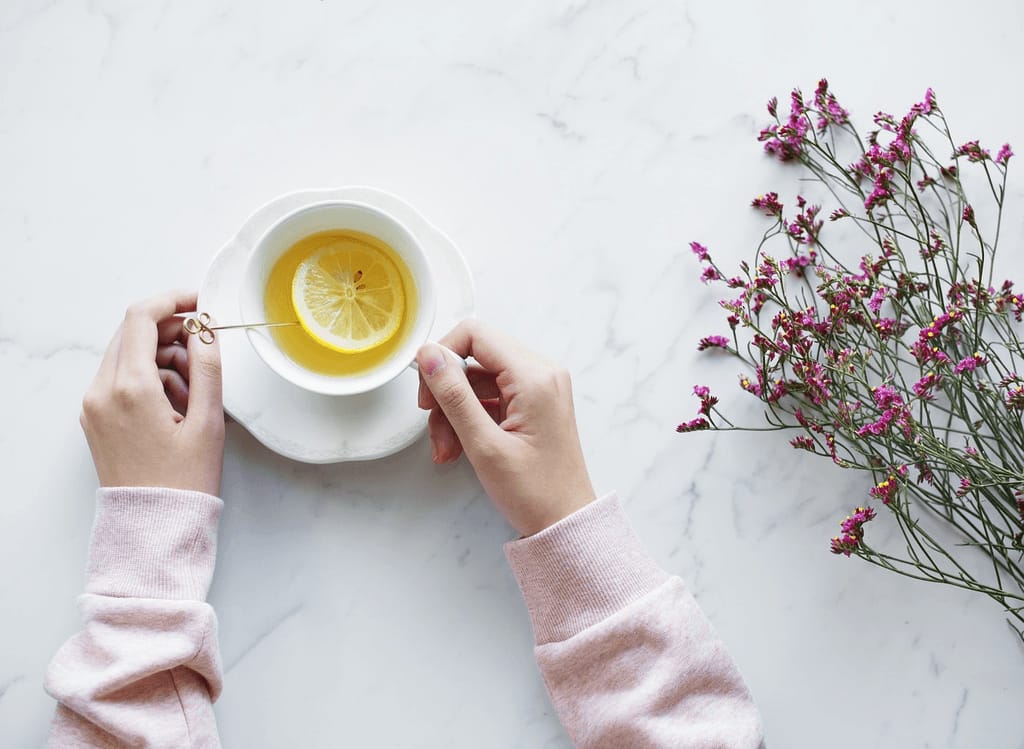
Even if the active ingredients fall short, there is another way these drinks can help. Taking a short break to sip a warm or cold beverage can help you reset. The act of stepping away from your screen, choosing a drink, and sitting down to enjoy it may be enough to lower stress, no matter what ingredients are in the cup. A 2020 study found that some micro-breaks of less than 10 minutes can help restore energy and attention during the workday, though not all breaks were equally effective. In fact, we have covered the science of short pauses before in our guide to micro breaks for stress relief and better focus. So the simple act of pausing may be the real mood booster.
The value of stepping away for a few minutes to sip a beverage can be genuinely calming. Taking a short pause — whether you pour tea, sparkling water, or just plain water — gives your mind a chance to reset. That ritual itself may be what makes you feel better, not the ingredients.
3 Label Checks Before You Buy a Mood-Boosting Drink
Quick Checklist
- Check for clear doses. Look for a specific amount of each active ingredient. Avoid “proprietary blends” that hide the amounts.
- Look for third-party testing. Seals from USP, NSF, or ConsumerLab mean the product has been checked for purity and accuracy.
- Watch the caffeine. Some mood-boosting drinks have as much caffeine as a cup of coffee. That can worsen anxiety or disrupt sleep.
If you see a drink that lists specific amounts of each active ingredient, that is a good sign. Brands that use “proprietary blends” make it impossible to know how much you are actually getting. Third-party testing is another indicator of quality. It means an independent lab has verified the product’s contents. And caffeine can be sneaky — some drinks marketed for relaxation actually contain significant caffeine, so check the label carefully.
Safety First With Mood-Boosting Drinks
Mood-boosting drinks are not risk-free. Ingredients can interact with medications or cause side effects. The National Center for Complementary and Integrative Health recommends consulting a healthcare provider before taking ashwagandha, especially if you take medication for chronic conditions. It is also advised to avoid ashwagandha during pregnancy and breastfeeding.
Kava is another ingredient sometimes added to these drinks. The FDA has issued a consumer advisory about kava due to reports of severe liver injury. If you take medication for anxiety, depression, blood pressure, blood sugar, thyroid, or sleep, talk to your healthcare provider before trying any functional beverage. This advice also applies if you are pregnant, breastfeeding, or have liver disease.
The Bottom Line
Mood-boosting drinks are not a proven fix for stress or low mood. Some ingredients have real science behind them, but at doses higher than most products offer. The ritual of pausing might be the most beneficial part. If you decide to try one, use the three label checks: clear doses, third-party testing, and moderate caffeine. And never underestimate the power of simple habits — good food, movement, and sleep are the strongest mood boosters we have.
If you enjoy a mood-boosting drink and it gives you a reason to pause during the day, that is a positive thing. Just remember that the benefits of the ritual are not proof that the ingredients deliver the mood-boosting effects promised on the label.