

West Nile Virus Prevention Guide 2026: What Women Need to Know
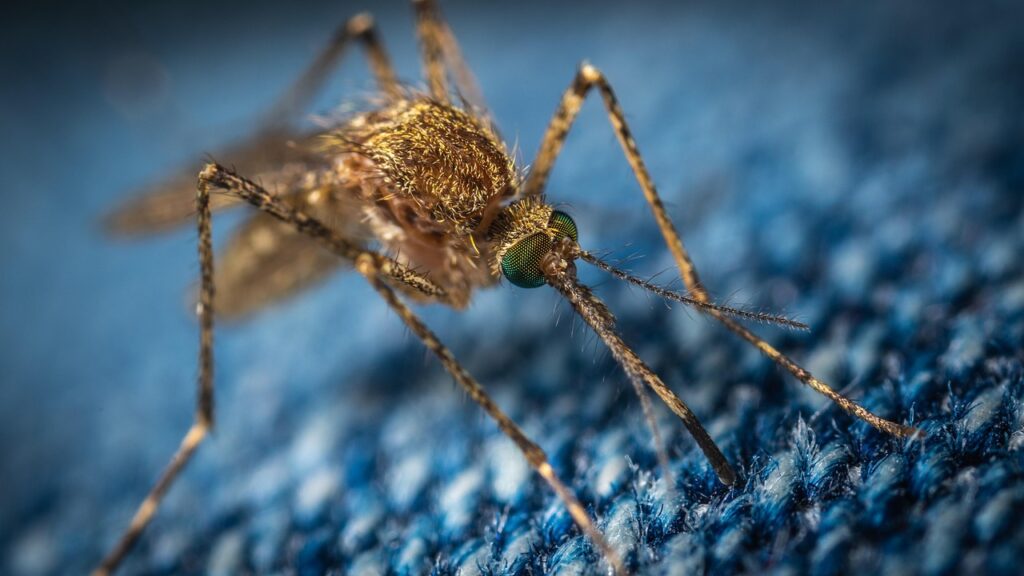
Imagine this: You’re planning a summer trip to Italy, or maybe just looking forward to evenings on your patio. Then you hear news reports about West Nile virus cases popping up in Europe. Suddenly, you’re wondering if you should cancel your trip or stock up on bug spray. Here’s what you actually need to know about west nile virus prevention this summer — without the panic. The good news is that west nile virus prevention relies on simple, proven habits.
Key Takeaways
- West Nile virus is spread by infected mosquitoes — not from person to person.
- About 80% of people infected have no symptoms. Less than 1% develop severe illness.
- People over 65 and those with certain health conditions face higher risk.
- No vaccine or specific treatment exists — west nile virus prevention through mosquito bite avoidance is key.
- Simple habits like using EPA-registered repellents and eliminating standing water offer strong protection.
What Is West Nile Virus and How Does It Spread?
West Nile virus is a mosquito-borne illness that first appeared in the United States in 1999. Since then, it has become the leading cause of mosquito-borne disease in the continental US, according to the CDC’s West Nile virus overview. The virus lives naturally in birds, and mosquitoes that bite infected birds can then pass it to humans.
Here’s the thing: you can’t catch it from another person. No hugging, sharing food, or coughing spreads it. In very rare cases, it has been transmitted through blood transfusions or organ transplants, but the blood supply in the US is tested regularly, so that risk is extremely low.
Quick Answer: Should I Worry About West Nile Virus?
For most people, West Nile virus is not a major threat. Around 80% of infected people never show symptoms, and most who do get sick have a mild flu-like illness. Severe infections are rare — fewer than 1 in 150 cases. So no, you don’t need to cancel your summer plans. But practicing west nile virus prevention by avoiding mosquito bites is always a good idea.
West Nile Virus Prevention: What Actually Works
Since there’s no vaccine or cure, west nile virus prevention boils down to one thing: avoiding mosquito bites. The tools work well, and they’re easy to use. Here’s what effective west nile virus prevention looks like in daily life.
Use an EPA-registered repellent. Look for one of these active ingredients: DEET, picaridin, IR3535, oil of lemon eucalyptus (OLE), or 2-undecanone. They all work, but they differ in duration. For example, 20% picaridin provides long-lasting protection, while 10% DEET lasts for several hours of outdoor activity. The CDC’s West Nile virus prevention guidelines walk you through the options.
Treat your clothes. Permethrin is a chemical you can spray on clothing, shoes, and camping gear. It kills mosquitoes on contact. You can buy pre-treated gear or treat items yourself. One application lasts through several washes.
Stay indoors at dawn and dusk. That’s when Culex mosquitoes — the main carriers of West Nile — are most active. If you do go out, wear long sleeves and pants. Tuck your pants into socks for extra protection.
Eliminate standing water. Mosquitoes lay eggs in water that sits for more than a few days. Check flowerpots, bird baths, gutters, and old tires. Dump the water at least once a week. It makes a big difference in your own backyard and is a cornerstone of west nile virus prevention.
Symptoms to Watch For
If a mosquito bites you, symptoms usually show up 2 to 6 days later — but they can appear up to 14 days after. The vast majority of people (about 80%) won’t notice anything at all.
Mild symptoms (roughly 20% of cases) include:
- Fever
- Headache and body aches
- Joint pain
- Vomiting or diarrhea
- A flat rash on the chest, stomach, or back
These symptoms usually go away on their own, but fatigue and weakness can linger for weeks or months — a topic we’ve explored in our article on why your brain feels foggy after bad sleep. Severe symptoms are rare — less than 1% of infections — and include high fever, neck stiffness, confusion, muscle weakness, or paralysis. If you or someone you know has these, get medical help fast.
For more detail, check the CDC’s West Nile virus symptoms page.
Who Is Most at Risk?
Anyone can get West Nile virus, but some people are more likely to develop severe illness. According to the CDC, people aged 65 and older are three times more likely to develop neurologic illness than younger people. Other risk factors include:
- Cancer
- Diabetes
- High blood pressure
- Kidney disease
- A weakened immune system from medications or transplants
If you have any of these conditions, taking mosquito precautions is extra important. Consistent west nile virus prevention can reduce your risk significantly — just as managing your cardiovascular health can, as covered in our report on heart disease in women. But even then, the chance of severe illness from WNV is still very low.
Understanding the Risk: How Worried Should You Be?
Let’s put the numbers in perspective. In the US, about 2,000 people are diagnosed with West Nile each year — but the CDC says the real number is likely much higher because most cases go unreported. Each year, more than 1,300 people develop severe illness, and about 130 die. That sounds scary, but remember: over 300 million people live in the US. Your personal odds of getting seriously sick from a mosquito bite are extremely small. By practicing west nile virus prevention, you lower those odds even further.
Current research shows West Nile virus carries the largest health and economic burden of any non-pandemic emerging infectious disease in the US, according to a BMJ Global Health study on WNV burden in the US. That’s why public health officials take it seriously — and why west nile virus prevention matters at a population level, even if individual risk is low.
What’s Happening in Europe Right Now?
As of June 2026, the European Centre for Disease Prevention and Control (ECDC) has reported 3 human cases of West Nile virus — in Italy and one other country. That’s just the beginning of the season. For context, the 2025 season saw 1,112 cases and 97 deaths across 14 countries — a 47% increase from 2024. You can follow the live data on the ECDC’s 2026 West Nile virus surveillance dashboard.
If you’re planning a trip to Europe this summer, don’t cancel — just pack smart. Bring EPA-registered repellent, consider permethrin-treated clothing, and avoid mosquito-heavy areas at dusk and dawn. The same west nile virus prevention tips apply whether you’re in Rome or rural Missouri.
FAQ: Your West Nile Virus Questions, Answered
Can I get West Nile virus twice? Experts believe infection gives lifelong immunity in most people. However, people with weakened immune systems may not develop full protection.
Is it safe to use DEET with sunscreen? Yes. Apply sunscreen first, then repellent. Choose a higher SPF sunscreen because DEET can reduce sunscreen effectiveness.
How long does fatigue from West Nile last? For mild cases, fatigue can last weeks to months. Most people recover completely, but it can take time.
Can I catch West Nile in a US city? Yes. The virus has been found in all lower 48 states. It’s more common in rural areas but urban cases happen, especially near green spaces.
What symptoms need an ER visit? Seek immediate care if you have severe headache, high fever, neck stiffness, confusion, muscle weakness, or trouble moving.
Practical Application: Your Summer West Nile Safety Checklist
Here’s what you can do today for effective west nile virus prevention:
- Buy an EPA-registered repellent with DEET (20-30%), picaridin (20%), or oil of lemon eucalyptus (30%).
- Check your yard for standing water and dump it.
- If traveling to Europe or areas with outbreaks, pack permethrin spray for clothes.
- Wear long sleeves and pants during peak mosquito hours (dawn and dusk).
- Know the symptoms and when to see a doctor.
The Bottom Line
West Nile virus is something to be aware of, not something to fear. The data from Europe reminds us that mosquito-borne diseases don’t respect borders, but simple habits make a huge difference. West nile virus prevention doesn’t have to be complicated — just use repellent, remove standing water, and pay attention to symptoms if you get a fever after a bite. Most of the time, you’ll be fine — and with these steps, you’ll stay that way.