
7 Heart Healthy Summer Foods to Eat in July
Key Takeaways
- July’s peak seasonal produce — berries, tomatoes, avocados, leafy greens, and garlic — naturally supports heart health without expensive superfoods or complicated plans.
- Heart healthy summer foods like blueberries and tomatoes deliver antioxidants (anthocyanins, lycopene) that reduce oxidative stress and support healthy cholesterol and blood pressure.
- Fatty fish like sardines and plant-based options like flaxseeds provide omega-3s that lower triglycerides and support blood vessel function.
- The “Build Your Heart-Healthy Summer Plate” framework — 3 colors + 1 healthy fat + 1 lean protein — makes combining these foods into real meals simple and delicious.
- Small lifestyle shifts like limiting added sugars and staying active amplify the benefits of a heart-healthy summer diet.
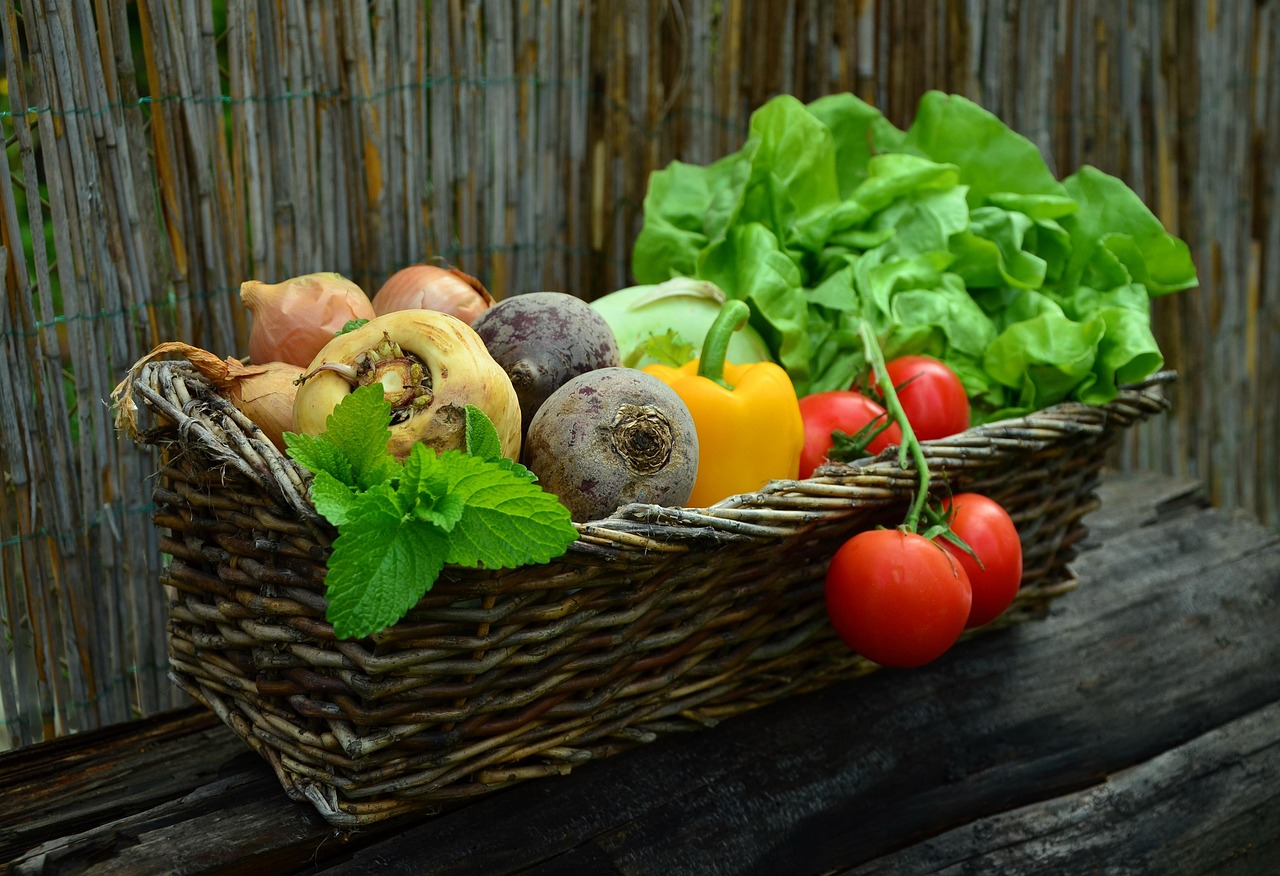
Picture this: It’s July, and your farmers’ market is overflowing with color. Deep blue berries, crimson tomatoes, creamy green avocados, and bunches of leafy greens so fresh they still smell like earth. Here’s the thing — this isn’t just beautiful produce. It’s nature’s way of making heart healthy summer foods the easiest choice you’ll make all year.
Heart disease remains the leading cause of death in the United States, affecting nearly half of all adults. But here’s what’s actually happening: many of the risk factors — high blood pressure, high cholesterol, chronic inflammation — can be managed through what you put on your plate. And summer? It’s the season that does the heavy lifting for you.
You don’t need complicated meal plans or expensive superfoods. You just need to eat what’s in season right now. Let’s explore seven heart healthy summer foods that are at their peak in July, plus a simple framework to turn them into real meals that support your cardiovascular system.
Quick Answer: Why Is Summer the Best Season for Heart Health?
July’s peak produce — berries, tomatoes, avocados, leafy greens, and garlic — is packed with the exact nutrients your heart needs: antioxidants that fight oxidative stress, potassium that helps manage blood pressure, and healthy fats that support cholesterol levels. You don’t need to hunt for exotic ingredients. The heart healthy summer foods are already in season, affordable, and delicious right now.
1. Blueberries: Tiny Berries, Big Heart Benefits
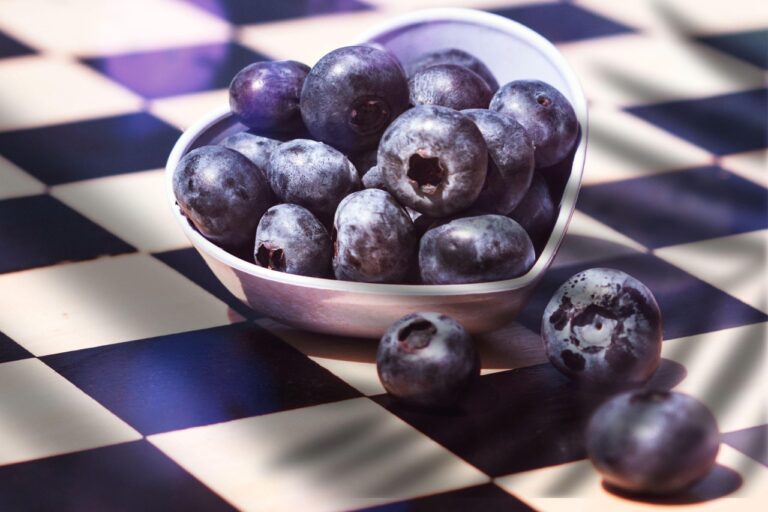
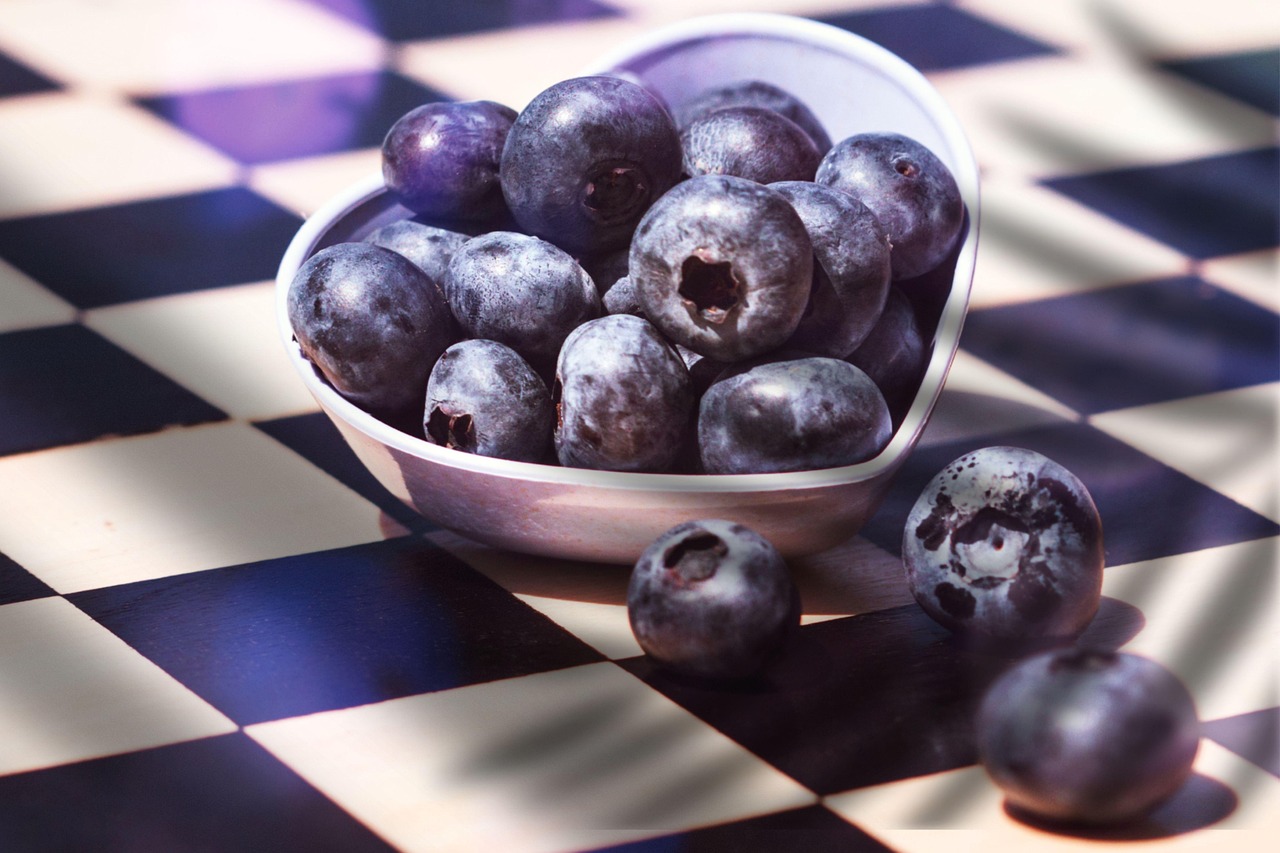
Blueberries are at their sweetest and most affordable in July. But their real power lies in those deep blue pigments called anthocyanins. These plant compounds provide strong antioxidant and anti-inflammatory effects. Research shows that eating anthocyanin-rich berries can significantly reduce total cholesterol and lower inflammatory markers like C-reactive protein.
The best part? You don’t need to do anything fancy. Grab a handful for a snack. Toss them into your morning smoothie. Or add them to a summer fruit salad for a refreshing, heart-healthy treat. Frozen blueberries work too — they retain their nutrients and are perfect for year-round use.
2. Avocados: Creamy Good Fats for Your Heart
Avocados are more than just trendy toast toppers. Just one-third of a medium avocado provides about 5 grams of monounsaturated fats — the “good fats” that help lower LDL (bad) cholesterol. A 30-year study found that higher avocado intake was linked to a lower risk of cardiovascular disease and coronary heart disease.
The American Heart Association recommends choosing unsaturated fats whenever possible. Avocados deliver nearly 20 vitamins, minerals, and phytonutrients in every serving. Slice them onto salads, mash them into grain bowls, or blend them into smoothies for extra creaminess. They’re one of the most versatile heart healthy summer foods you can keep in your kitchen.
3. Collard Greens: Leafy Power for Blood Pressure
Collard greens are some of the most nutrient-dense foods you can eat. They’re packed with vitamins A, C, and K, plus folate, calcium, and potassium. Potassium is key for managing blood pressure — it helps counterbalance the effects of sodium. The DASH diet (Dietary Approaches to Stop Hypertension) and the Mediterranean Diet both emphasize leafy greens for their role in lowering LDL cholesterol and improving blood vessel function.
Summer tip: Sauté collard greens with garlic and olive oil for a quick side dish. Or use large leaves as sturdy, low-carb wraps — fill them with grilled chicken, quinoa, and veggies for a heart-healthy summer meal.
4. Sardines: Small Fish, Big Omega-3s
Sardines may be small, but they’re nutritional powerhouses. They’re rich in omega-3 fatty acids — specifically EPA and DHA — which reduce inflammation, lower triglyceride levels, and support blood vessel function. Research shows that eating fatty fish like sardines at least twice a week can reduce the risk of heart attacks and stroke.
If you’re not sure how to eat them, start simple. Add sardines to avocado toast. Toss them into a salad with fresh herbs and a drizzle of olive oil. Or mash them with lemon and spread on whole-grain crackers. They’re sustainable, affordable, and one of the most underrated heart healthy summer foods.
5. Tomatoes: Lycopene-Rich Summer Staple
Tomatoes are at their peak in July, and that’s great news for your heart. They’re rich in lycopene, the antioxidant that gives them their red color. Lycopene’s antioxidant properties help reduce oxidative stress, a key contributor to heart disease. Tomatoes are also a good source of potassium, which helps manage blood pressure.
The beauty of summer tomatoes is that you barely need to cook them. Slice them onto salads. Layer them into sandwiches. Roast them with garlic and herbs for a simple pasta topping. Cooking actually increases lycopene absorption, so don’t be afraid to heat them up.
6. Flaxseeds: Tiny Seeds, Mighty Heart Support
Flaxseeds are packed with omega-3 fatty acids, fiber, and antioxidants. Regular consumption of ground flaxseed has been linked to lower LDL cholesterol. Some research also suggests benefits for inflammation and blood pressure, though more studies are needed.
Here’s the key: always choose ground flaxseeds. Whole flaxseeds can pass through your body undigested, meaning you miss the benefits. Sprinkle ground flaxseed into oatmeal, stir it into smoothies, or mix it into muffin or pancake batter. It’s an easy, affordable way to add heart-healthy nutrients to almost any meal.
7. Garlic: A Flavorful Heart Helper
Fresh garlic is abundant in summer, and it does more than just make food taste good. It contains allicin, a sulfur compound that has been shown to help lower blood pressure and support overall cardiovascular function. Garlic is incredibly versatile — add it to stir-fries, roast it with summer vegetables, or mince it into salad dressings.
For maximum benefit, let crushed or chopped garlic sit for 10 minutes before cooking. This allows the allicin to form fully before heat exposure.
Build Your Heart-Healthy Summer Plate: A Simple Framework
Here’s where it all comes together. Instead of trying to eat all seven foods separately, use this simple framework to build meals that naturally include heart healthy summer foods.
The Heart-Healthy Summer Plate Formula
3 colors + 1 healthy fat + 1 lean protein
Here’s how it works in real meals:
- Grilled salmon bowl: Mixed greens (1 color) + cherry tomatoes (2nd color) + sliced avocado (healthy fat) + grilled salmon (lean protein) + a sprinkle of ground flaxseed. Add a side of blueberries for dessert (3rd color).
- Summer salad: Sautéed collard greens (1 color) + diced tomatoes (2nd color) + sardines (lean protein) + avocado (healthy fat) + garlic-lemon dressing. Finish with fresh blueberries (3rd color).
- Quick grain bowl: Quinoa base + roasted cherry tomatoes (1 color) + sautéed collard greens with garlic (2nd color) + avocado slices (healthy fat) + grilled chicken or chickpeas (lean protein). Top with ground flaxseed.
Beyond the Plate: Lifestyle Habits That Support Heart Health
Eating heart healthy summer foods is a powerful step, but it works best alongside a few simple lifestyle habits. Here’s what the research supports:
- Limit added sugars. Excess sugar increases inflammation, raises triglycerides, and contributes to insulin resistance — all of which raise heart disease risk. Choose naturally sweet foods like berries instead of sugary desserts.
- Stay active. Just 150 minutes of moderate movement per week — a brisk walk, bike ride, or swim — can lower blood pressure, improve cholesterol, and support healthy blood vessel function.
- Prioritize plant-forward meals. The DASH and Mediterranean diets, both backed by strong evidence for heart health, emphasize fruits, vegetables, whole grains, nuts, and legumes. Summer makes this easy — fresh produce is everywhere.
Frequently Asked Questions About Heart Healthy Summer Foods
Can I use frozen berries instead of fresh?
Absolutely. Frozen blueberries are picked at peak ripeness and flash-frozen, which locks in their nutrients. They’re just as heart-healthy as fresh and often more affordable. Use them in smoothies, oatmeal, or baked goods year-round.
How much avocado should I eat for heart benefits?
About one-third to one-half of a medium avocado per day is a reasonable amount. It provides healthy fats without going overboard on calories. The 30-year study mentioned earlier found benefits with regular, moderate intake — not excessive amounts.
I don’t like sardines. Are there other options for omega-3s?
Yes. Salmon, mackerel, and trout are also rich in omega-3s. If you prefer plant-based options, ground flaxseeds, chia seeds, and walnuts provide ALA, a type of omega-3 that your body partially converts to EPA and DHA. Aim for variety — different sources provide different benefits.
Is canned garlic as good as fresh?
Fresh garlic contains higher levels of allicin, the compound linked to heart benefits. Canned or jarred garlic has lower allicin content. For the most heart-healthy option, use fresh garlic whenever possible. Let it sit for 10 minutes after crushing to maximize allicin formation before cooking.
The Bottom Line
Here’s the truth: You don’t need a complicated nutrition plan to support your heart this summer. The heart healthy summer foods are already in season, affordable, and delicious. Blueberries, avocados, collard greens, sardines, tomatoes, flaxseeds, and garlic — these seven foods cover the key nutrients your cardiovascular system needs: antioxidants, healthy fats, potassium, fiber, and anti-inflammatory compounds.
Use the 3 colors + 1 healthy fat + 1 lean protein framework to build meals that naturally include these foods. Add a few simple lifestyle habits — limit added sugars, stay active, prioritize plants — and you’ve got a heart-healthy summer plan that actually works.
Your heart doesn’t need perfection. It just needs consistent, nourishing choices. And right now, in July, those choices are waiting for you at the farmers’ market.
Related Articles You Might Enjoy
- Healthy Watermelon Recipes for a Refreshing Summer — Another seasonal summer favorite that supports hydration and heart health.
- 6 High Fiber Dinners Made in One 9×13 Baking Dish — Fiber-rich meals that complement a heart-healthy eating pattern.
- How to Choose the Best Veggie Burger for Your Health — A plant-forward option that fits into heart-healthy summer eating.