

Non-Toxic Mattress Guide: What to Look For | TEOHL
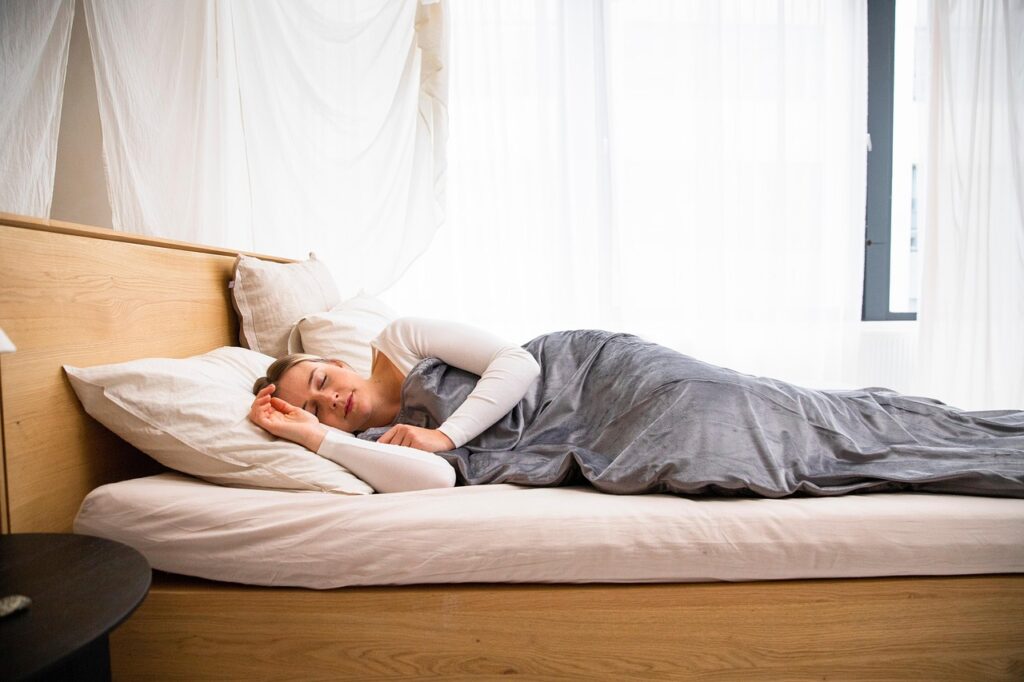
You’ve swapped your skincare for cleaner options. You’ve switched to safer cleaning sprays. But have you thought about what’s in your mattress? A non-toxic mattress could be one of the best moves for your health. A rare sale on a top-rated brand is a great time to make the switch. Before you buy, let’s look at what makes a mattress safe, what to avoid, and how it can improve your sleep and long-term health.
Key Takeaways
- Regular mattresses can have flame retardants, phthalates, VOCs, and fiberglass. All are linked to health issues.
- GOTS (for organic textiles) and GOLS (for organic latex) are the best certifications.
- Safe materials include natural latex, organic wool, and organic cotton.
- Even if you can’t buy a new mattress right now, simple steps like airing it out can lower your chemical exposure.
- A non-toxic mattress can last 15–20 years. It’s a good investment in your health.
Why Your Mattress Could Be a Hidden Source of Toxins
Think about it. You spend about eight hours each night breathing air right above your mattress. Your body heat and weight can push chemicals out of the foam. This is called off-gassing. A 2025 study from the University of Toronto found that children’s sleeping areas had more phthalates and flame retardants than the air in the room. The mattress was a main source. The same idea applies to adults. The most common chemicals in regular mattresses include:
- Flame retardants: Chemicals like TDCPP and TCPP are added to polyurethane foam to meet fire rules. They can leak out over time. They are linked to hormone problems and reproductive issues.
- Phthalates: These make plastics soft. They are known to disrupt hormones. They are often in mattress covers and foam layers.
- VOCs: Volatile organic compounds come from polyurethane foam and glues. They can cause headaches and breathing trouble. Off-gassing is worst in the first few days but can last for years at lower levels.
- Fiberglass: Some brands use fiberglass as a cheap fire barrier. If the cover tears, tiny glass fibers can get in the air. They can irritate skin and lungs.
The Environmental Working Group also warns about added fragrances, which can contain phthalates and trigger allergies. And PVC or vinyl covers may release other harmful chemicals. Making your home healthier overall — starting with replacing toxic kitchen tools — is part of reducing your total chemical burden.
What Makes a Non-Toxic Mattress Actually Non-Toxic?
Here’s the thing: the word ‘non-toxic’ is not regulated. So brands can use it loosely. To avoid greenwashing, you need to know which materials are safe and which labels you can trust. A true non-toxic mattress uses natural, organic materials. It has no chemical flame retardants, no synthetic foams, and no glues with VOCs. The safest materials are:
- Natural latex: Made from rubber tree sap. It resists dust mites and bacteria. It lasts a long time. Dunlop and Talalay are both good. Dunlop is firmer.
- Organic wool: It naturally puts out fire, so it’s a safe flame barrier. It also wicks away moisture and helps control temperature.
- Organic cotton: Grown without pesticides or man-made fertilizers. It’s used for the cover and inner layers.
Now, let’s look at labels that actually mean something. The Environmental Working Group’s (EWG) guide to buying non-toxic mattresses says GOTS and GOLS are the most reliable. Here’s a quick breakdown:
Quick Certification Guide
- GOTS: Requires 95% organic fibers. No chemical flame retardants. No polyurethane. The best for textiles.
- GOLS: Same high standards for latex. Requires 95% organic raw material.
- GREENGUARD Gold: Tests for VOC emissions. Good for air quality but does not mean organic.
- MADE SAFE: Screens for 6,500+ harmful chemicals. Very thorough.
- CertiPUR-US: Only covers polyurethane foam. No formaldehyde or phthalates. But it’s not organic and does not cover the whole bed.
Who Should Be Extra Careful About Choosing a Non-Toxic Mattress?
If you are in any of these groups, picking a non-toxic mattress is even more important:
- Pregnant or planning to get pregnant: Chemicals can cross the placenta and affect the baby’s development.
- Parents of young kids: Children breathe more air per pound of body weight. Their organs are still growing. The U of T study found banned flame retardants in some kids’ mattresses.
- Anyone with hormone issues: Endocrine disruptors can mess with thyroid, estrogen, and reproductive hormones.
- People with chemical sensitivities or allergies: VOCs and other irritants can trigger headaches, asthma, and skin rashes.
Here’s what I find reassuring: you don’t have to change everything at once. Even small steps can help.
How to Use This Sale as Your Starting Point
Now, about that rare chance to save more than $500 on a non-toxic mattress. Sales on these high-quality beds do not happen often. Here’s how to make sure you get a truly safe product:
- Check the certifications first. Look for GOTS and GOLS logos on the product page. If you don’t see them, ask customer support.
- Ask about the fire barrier. It should be organic wool. Not fiberglass or chemical sprays.
- Check the cover. It should be organic cotton. No PVC or vinyl.
- Look at the trial period. Many non-toxic brands offer 100-night trials. Use that time to see if your sleep improves.
- Plan to air it out. Even natural latex can have a mild smell at first. Let it sit in a room with open windows for a few days before you sleep on it.
If the sale does not fit your budget, don’t worry. There are other ways to lower your exposure. A 100% organic wool mattress topper can create a barrier between you and your old mattress. Also, washing your sheets in hot water each week can cut down on chemical buildup.
The Bottom Line
Your mattress could be the biggest hidden source of indoor toxins in your home. But you can change that. By picking a GOTS- or GOLS-certified non-toxic mattress made from natural latex, organic wool, and organic cotton, you are not just buying better sleep. You are cutting down your long-term contact with chemicals that can harm your hormones and health. The sale is a nice opportunity. But the real payoff is your well-being.
Frequently Asked Questions
How long does off-gassing last in a regular mattress?
VOC levels are highest in the first few days. They drop a lot within a few weeks. But flame retardants and phthalates can keep leaking out for years. Air out the room and use a purifier with a carbon filter to help.
Is CertiPUR-US enough?
It is a good basic safety step. But it only covers polyurethane foam. It does not tell you if there are chemical flame retardants or if other materials are organic. Think of it as a start, not a guarantee.
Can I use a mattress topper on an old mattress?
Yes! A 100% organic wool topper makes a physical barrier between you and the chemicals in your old mattress. It is not perfect, but it can cut exposure a lot while you save up for a full replacement.