
7-Day High-Protein Meal Plan for Beginners
You know the feeling. It’s 3 p.m., your energy has flatlined, and you’re already eyeing the snack drawer. You’re not alone — and it’s not a willpower problem. It’s a protein-and-fiber problem. When your meals don’t have enough of these two powerhouse nutrients, your blood sugar rollercoasters, hunger crashes in, and that afternoon slump hits hard. But here’s the good news: a high protein meal plan that also packs in plenty of fiber can change all of that. Research shows that combining these two nutrients helps stabilize blood sugar, keeps you full for hours, and supports steady energy all day long. And the best part? You don’t need to spend hours in the kitchen to make it happen. This guide walks you through the science, the strategy, and a simple 7-day plan to get started — with modifications for different calorie needs and a framework to build your own meals beyond the first week.
Key Takeaways
- Protein + fiber = the dynamic duo. Together, they stabilize blood sugar, boost satiety, and support metabolic health better than either nutrient alone.
- Most women need more protein than they think. The old RDA of 46g/day is a minimum. Experts now recommend 1.2–1.6g per kg of body weight — that’s about 75–120g for a 150-pound woman.
- Spread protein across the day. Aim for 25–30g at each meal. Most women skimp at breakfast, which sets off a day of cravings.
- This 7-day plan is designed for real life. Every recipe requires 15 minutes or less of active cooking time. No complicated techniques, no obscure ingredients.
- You can customize beyond 7 days. Use the “build your own” framework to create endless high-protein, high-fiber meals that fit your preferences and schedule.
Why Protein and Fiber Are Better Together
Here’s the thing. Protein and fiber each do amazing things on their own. Protein helps build and repair muscle, keeps you feeling full, and supports a healthy metabolism. Fiber feeds your gut bacteria, slows down digestion, and helps keep blood sugar steady — and if you need easy ways to add more fiber to your day, our high fiber dinners are a great place to start. But when you put them together? Something special happens.
A small but telling pilot study from 2022 compared a high-protein diet alone to a high-protein plus high-fiber diet. The group that got both lost more weight, lost more body fat, and reported feeling fuller than the protein-only group. Their fasting blood sugar also improved from baseline. Now, this was a small study — just 13 people — but the pattern is consistent with what we know about how these nutrients work in the body.
Protein slows down how fast your stomach empties, which means food stays with you longer. Fiber does the same thing, plus it feeds the good bacteria in your gut. Together, they create a double layer of satiety that makes it easier to eat less without feeling deprived. And because fiber blunts the blood sugar spike from carbs, pairing it with protein means your energy stays even — no 3 p.m. crash.
What the Research Says
A 2021 systematic review of 43 randomized trials found that people eating higher-protein diets lost an average of 1.6 kg (about 3.5 pounds) more than those on lower-protein diets — even when calories were the same. The effect was especially strong in people with prediabetes. Meanwhile, a large 2021 study called the RyeWeight trial showed that replacing refined grains with high-fiber whole grains boosted weight loss by an extra kilogram and lowered inflammation markers by 28%. The takeaway? Both nutrients matter — and together, they’re even more powerful.
How Much Protein Do You Actually Need?
This is where things get confusing — and for good reason. The official RDA (Recommended Dietary Allowance) for protein is 0.8 grams per kilogram of body weight. For a 150-pound woman, that’s about 54 grams per day. But here’s the catch: that number is the minimum to prevent deficiency, not the optimal amount for health, energy, and body composition.
The 2025–2030 Dietary Guidelines for Americans now recommend 1.2 to 1.6 grams per kilogram — roughly double the old number. A 2025 review in Nutrients focusing on older adults recommends 1.0–1.5 g/kg per day for healthy aging, with protein spread evenly across meals at 25–30 grams per meal. Many protein researchers now suggest a similar distribution benefits adults of all ages.
Here’s a quick way to figure out your target: take your weight in pounds and multiply by 0.55. That’s your daily protein goal in grams. For a 150-pound woman, that’s about 83 grams per day. For active women or those trying to lose weight, experts recommend 0.55–0.8 grams per pound of body weight (1.2–1.8 g/kg), with the 2025–2030 Dietary Guidelines for Americans recommending 1.2–1.6 g/kg. Divide that across three meals and you’re looking at roughly 28–35 grams per meal — doable with a little planning.
Quick Protein Target Guide
Your weight → Daily protein target (at 0.55g/lb):
125 lbs → 69g
150 lbs → 83g
175 lbs → 96g
200 lbs → 110g
For active women (0.7–0.8g/lb):
125 lbs → 88–100g
150 lbs → 105–120g
175 lbs → 123–140g
Per meal target: Divide your daily target by 3. For most women, that’s 25–35g per meal.
The Breakfast Protein Problem (and How to Fix It)
Let’s be honest about something. Most of us eat a carb-heavy breakfast — toast, cereal, a granola bar, maybe a banana. And there’s nothing wrong with those foods. But if you’re only getting 5–10 grams of protein at breakfast, you’re setting yourself up for a blood sugar crash by mid-morning.
A 2024 study in the Journal of Dairy Science looked at what happens when young women eat a high-protein breakfast versus a low-protein one. The women who ate the protein-rich breakfast reported significantly higher satiety and fullness. They also scored 3.5% higher on a cognitive concentration test before lunch. Another 2020 study found that a Greek yogurt breakfast led to 52% lower blood sugar response compared to a plant-based, high-fiber alternative — even though both meals had similar calories.
The fix is simple: aim for 25–30 grams of protein at breakfast. That might look like Greek yogurt with nuts and seeds, a protein smoothie, or eggs with turkey sausage. For more inspiration, quick breakfast recipes that actually work can help you hit that 25–30g target without any fuss. Once you start the day with enough protein, the rest of the day tends to fall into place.
Your 7-Day High Protein Meal Plan
This plan is built around three principles: protein + fiber at every meal, 15 minutes or less of active cooking time, and ingredients you can find at any grocery store. Each day provides roughly 95–110 grams of protein and 30–35 grams of fiber at about 1,800 calories. We’ve included modifications for 1,500 and 2,000 calories below.
Day 1
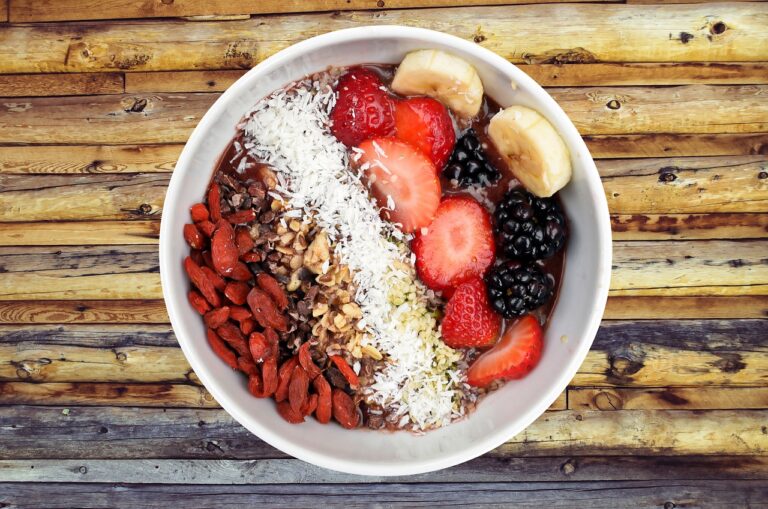
Breakfast: Greek yogurt parfait — 1 cup plain Greek yogurt, ½ cup berries, 2 tbsp chopped walnuts, 1 tbsp chia seeds (28g protein, 10g fiber)
Lunch: Tuna salad wrap — 1 can tuna mixed with 2 tbsp Greek yogurt, lettuce, tomato, in a whole wheat wrap, plus an apple (35g protein, 8g fiber)
Dinner: One-skillet chicken and veggies — 5 oz chicken breast, 2 cups mixed vegetables (broccoli, bell peppers, zucchini), ½ cup quinoa (42g protein, 12g fiber)
Snack: 1 oz almonds + 1 string cheese (12g protein, 3g fiber)
Day 2
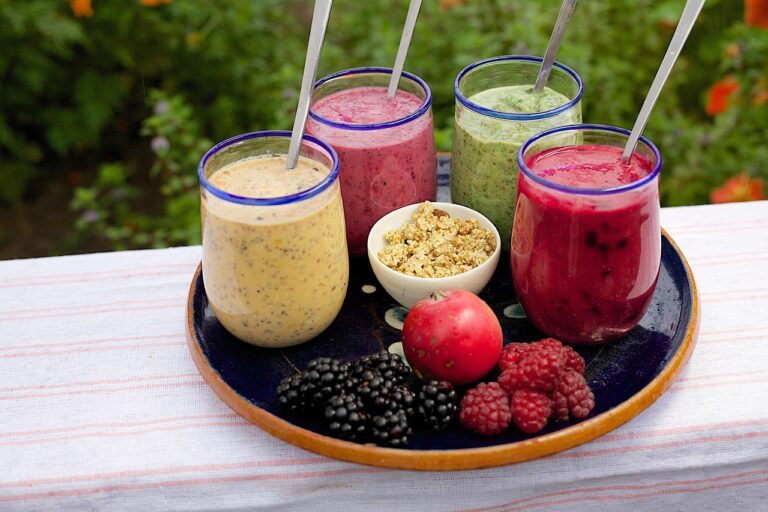
Breakfast: Protein smoothie — 1 scoop protein powder, 1 cup unsweetened almond milk, 1 tbsp peanut butter, ½ banana, 1 tbsp flaxseed (30g protein, 8g fiber)
Lunch: Lentil soup (1.5 cups) + 1 whole grain roll (22g protein, 14g fiber)
Dinner: Salmon with roasted asparagus — 5 oz salmon, 2 cups asparagus roasted with olive oil, 1 cup cooked brown rice (40g protein, 8g fiber)
Snack: Cottage cheese (½ cup) + ½ cup pineapple (14g protein, 2g fiber)
Day 3
Breakfast: Veggie omelet — 3 eggs, 1 cup spinach, ¼ cup mushrooms, ¼ cup shredded cheese, side of 1 slice whole wheat toast (30g protein, 6g fiber)
Lunch: Black bean bowl — 1 cup black beans, ½ cup quinoa, ½ avocado, salsa, 2 cups mixed greens (25g protein, 18g fiber)
Dinner: Turkey and zucchini boats — 2 large zucchinis halved, stuffed with 5 oz ground turkey, tomato sauce, ¼ cup cheese, served with side salad (38g protein, 10g fiber)
Snack: 2 tbsp hummus + 1 cup veggie sticks (4g protein, 4g fiber)
Day 4
Breakfast: Almond butter & chocolate banana smoothie — 1 cup unsweetened almond milk, 2 tbsp almond butter, 1 tbsp cocoa powder, ½ banana, 1 scoop protein powder (32g protein, 8g fiber)
Lunch: Chicken salad lettuce wraps — 4 oz shredded chicken mixed with 2 tbsp Greek yogurt, grapes, celery, served in 4 large romaine leaves (30g protein, 4g fiber)
Dinner: Tofu stir-fry — 6 oz firm tofu, 2 cups stir-fry vegetables, 2 tbsp soy sauce, 1 tsp sesame oil, served over ½ cup brown rice (28g protein, 10g fiber)
Snack: 1 hard-boiled egg + 1 small pear (8g protein, 5g fiber)
Day 5
Breakfast: Overnight oats — ½ cup rolled oats, 1 cup milk, 2 tbsp peanut butter, 1 tbsp chia seeds, ½ cup berries (25g protein, 12g fiber)
Lunch: Turkey and cheese sandwich — 4 oz turkey breast, 1 slice Swiss cheese, lettuce, tomato, mustard on 2 slices whole grain bread, side of baby carrots (35g protein, 8g fiber)
Dinner: Shrimp and vegetable sheet pan — 6 oz shrimp, 2 cups broccoli and bell peppers, 1 tbsp olive oil, roasted at 400°F for 15 minutes, served with ½ cup quinoa (38g protein, 10g fiber)
Snack: 1 cup edamame (in pods) (18g protein, 8g fiber)
Day 6
Breakfast: Cottage cheese bowl — 1 cup cottage cheese, ½ cup berries, 2 tbsp chopped almonds, 1 tbsp flaxseed (30g protein, 8g fiber)
Lunch: Quinoa and chickpea salad — 1 cup cooked quinoa, 1 cup chickpeas, cucumber, tomato, lemon-tahini dressing (22g protein, 16g fiber)
Dinner: Lean beef stir-fry — 4 oz lean sirloin strips, 2 cups mixed vegetables, 2 tbsp stir-fry sauce, served over ½ cup brown rice (35g protein, 8g fiber)
Snack: 1 apple + 1 tbsp almond butter (3g protein, 5g fiber)
Day 7
Breakfast: Egg and avocado toast — 2 eggs (any style), 1 slice whole grain toast, ½ avocado, sprinkle of red pepper flakes (22g protein, 10g fiber)
Lunch: Leftover quinoa chickpea salad from Day 6 (22g protein, 16g fiber)
Dinner: Chicken and black bean tacos — 4 oz shredded chicken, ½ cup black beans, salsa, 2 corn tortillas, ¼ cup Greek yogurt, 2 cups side salad (38g protein, 14g fiber)
Snack: 1 cup Greek yogurt + ½ cup berries (22g protein, 4g fiber)
Calorie Modifications: 1,500 and 2,000 Calories
Need fewer or more calories? Here’s how to adjust this high protein meal plan without losing the protein and fiber balance.
For 1,500 Calories
Remove one snack per day. Reduce grains to ½ cup per meal instead of 1 cup. Use 4 oz protein portions instead of 5–6 oz. Choose lower-calorie dressings and cooking sprays instead of oil. Protein target: 85–95g. Fiber target: 28–32g.
For 2,000 Calories
Add a second snack (like ¼ cup trail mix or a protein bar). Increase protein portions to 6–7 oz at dinner. Add 1 tbsp of healthy fat (olive oil, avocado, nuts) to lunch and dinner. Include a starchy vegetable like sweet potato or corn at one meal. Protein target: 110–125g. Fiber target: 35–40g.
Build Your Own High-Protein Meal Framework
After the 7 days, you don’t have to start from scratch. Use this simple formula to create endless combinations:
Pick one from each category:
- Protein (25–35g): Chicken breast (5 oz), salmon (5 oz), lean beef (4 oz), tofu (6 oz), eggs (4), Greek yogurt (1 cup), cottage cheese (1 cup), protein powder (1 scoop), lentils (1.5 cups cooked), chickpeas (1.5 cups)
- Fiber-rich carb (8–12g fiber): Quinoa (1 cup cooked), brown rice (1 cup), rolled oats (½ cup dry), sweet potato (1 medium), black beans (1 cup), lentils (1 cup), whole grain bread (2 slices)
- Vegetables (4–8g fiber): Broccoli (2 cups), spinach (3 cups), bell peppers (2 cups), asparagus (2 cups), zucchini (2 cups), mixed greens (4 cups)
- Healthy fat (optional, 2–5g fiber): Avocado (½), almonds (2 tbsp), chia seeds (1 tbsp), flaxseed (1 tbsp), olive oil (1 tbsp)
Mix and match. For example: grilled chicken (protein) + quinoa (fiber carb) + roasted broccoli (veggie) + avocado (fat) = a complete high-protein, high-fiber meal in about 15 minutes.
Meal Prep Sunday: Set Yourself Up for Success
The secret to sticking with a high protein meal plan is preparation. Spend 90 minutes on Sunday and you’ll have most of the week’s meals ready to go.
Here’s what to prep:
- Cook 2 cups quinoa and 2 cups brown rice (stores 5 days)
- Grill or bake 4 chicken breasts (shred or slice for lunches)
- Hard-boil 6 eggs
- Wash and chop 3–4 cups of mixed vegetables
- Portion Greek yogurt into 5 containers with berries
- Make a batch of lentil soup or quinoa chickpea salad
- Portion nuts and seeds into snack bags
Frequently Asked Questions
Can I follow this plan if I’m vegetarian or vegan?
Absolutely. Swap animal proteins for tofu, tempeh, seitan, lentils, chickpeas, edamame, and plant-based protein powders. Aim for 25–30g protein per meal by combining sources — for example, 1 cup lentils (18g) + ½ cup quinoa (4g) + 2 tbsp pumpkin seeds (5g) = 27g. The fiber content will naturally be higher with plant proteins, which is a bonus.
Is a high-protein diet safe for my kidneys?
For healthy individuals, yes. Multiple studies confirm that higher protein intake does not harm kidney function in people with healthy kidneys. However, if you have chronic kidney disease or a history of kidney issues, consult your doctor before increasing protein intake. This is an important safety consideration.
Will I gain weight from eating more protein?
Not if you’re mindful of overall calories. Protein itself doesn’t cause weight gain — excess calories do. In fact, a 2021 study in Obesity Facts found that postmenopausal women who ate higher protein during weight loss maintained their muscle strength better than those on standard protein, even without exercise. Protein helps preserve muscle, which supports a healthy metabolism.
What if I don’t like meal prepping?
No problem. Focus on meals that come together in 10–15 minutes. Think: canned beans + pre-washed greens + rotisserie chicken, or frozen shrimp + frozen vegetables + microwave quinoa pouch. The 15-minute rule in this plan is designed for people who don’t want to spend their whole Sunday in the kitchen.
The Bottom Line
A high protein meal plan doesn’t have to be complicated, expensive, or time-consuming. When you pair protein with fiber at every meal, you’re giving your body exactly what it needs for stable energy, fewer cravings, and better metabolic health. Start with the 7-day plan above, use the “build your own” framework to keep going, and remember: 25–30 grams of protein at each meal is the sweet spot. Your 3 p.m. self will thank you.