

Best Mozzarella Brand: The Chefs’ Top Pick for Healthy Cooking
Key Takeaways
- Chefs pick Galbani: Six chefs told EatingWell that Galbani is their favorite mozzarella brand for its milky flavor, creamy texture, and reliable melt.
- Simple ingredients matter: The best mozzarella brand has a short list: milk, salt, vinegar or citric acid, and enzymes.
- Shred your own block: Pre-shredded cheese has anti-caking agents that can affect melt. Buy a block and grate it yourself.
- Mozzarella is nutritious: One serving (about one-third cup) gives you 9 grams of protein and 250 mg of calcium. Just watch the saturated fat and sodium.
- Beyond pizza: Use mozzarella in caprese salads, grain bowls, veggie bakes, and stuffed chicken for healthy meals.
You are in the dairy aisle, staring at rows of mozzarella. Blocks, balls, shredded bags, fresh, low-moisture. Which one is the best mozzarella brand for your kitchen? You want a cheese that tastes great, melts well, and fits your healthy lifestyle. The good news? Six chefs all named the same brand as their top pick. But the real secret is knowing what to look for on the label. Here is everything you need to find the best mozzarella brand for your family, plus tips for using it in nutritious, tasty meals.
Quick Answer: What Is the Best Mozzarella Brand?
Based on chef interviews and taste tests, Galbani is the best mozzarella brand overall. Its clean taste, creamy feel, and steady melt work for everything from caprese salads to pizza. For fresh mozzarella, BelGioioso is a top pick too. The healthy choice: buy block cheese with a short ingredient list — milk, salt, vinegar, citric acid, and enzymes. Shred it yourself for the finest melt and no extra additives.
What Makes the Best Mozzarella Brand? Look at the Label
The best mozzarella brand is not just about taste. It is about what is inside the cheese. Chefs and home cooks agree that a simple ingredient list means quality. Galbani’s mozzarella has only milk, salt, vinegar, citric acid, and enzymes. That is it. No thickeners, no preservatives, no anti-caking agents. Those are the same items you would use to make mozzarella at home. A short list means a product that is minimally processed — good for flavor and for your health.
In contrast, many pre-shredded mozzarellas add cellulose, potato starch, or calcium sulfate to stop clumping. The FDA says these additives are safe, but they can affect melt quality. So if you want the best mozzarella brand for cooking, pick a block and grate it by hand.
Why Chefs and Home Cooks Love Galbani
Galbani is not a random choice. This Italian brand has been around for 140 years. According to an EatingWell survey of six chefs, Galbani came out as the clear favorite. Matthew Cutolo, executive pastry chef at Gargiulo’s Restaurant, told EatingWell: “It delivers the clean flavor, creamy texture, and balanced moisture that I look for. It has a fresh, milky taste without being too salty.”
What makes Galbani stand out? Its consistency. Whether you buy a low-moisture block for pizza or fresh mozzarella balls for salad, the taste and feel are always the same. Isaac Bernal Carbajo, executive chef at the UN, also told EatingWell: “Galbani remains a reliable choice for its versatility. It has good melting properties and a mild flavor that fits pizzas, lasagnas, and baked dishes.”
This versatility is key for healthy cooking. Because Galbani does not overwhelm with salt or fake flavors, it pairs well with fresh veggies, whole grains, and lean proteins. You can use it to add creaminess to a healthy meal without heavy sauces.
Fresh vs. Low-Moisture: Which Is Better for Healthy Meals?
Mozzarella comes in two main forms: fresh and low-moisture. Fresh mozzarella is stored in brine. It is soft and milky. It has less fat and sodium than low-moisture, but also less protein per ounce. Low-moisture mozzarella is firmer and richer. It melts into that classic stretch. For everyday cooking, low-moisture block is more useful. It grates easily, browns well, and goes with vegetables and grains.
Both can fit a healthy diet. According to USDA nutrition data, one ounce of low-moisture part-skim mozzarella has about 7 grams of protein and 200 mg of calcium. That is a solid boost. But it also has 3 grams of saturated fat and 150 mg of sodium. So use small amounts. Think of mozzarella as a flavor accent, not the main dish. — If you love cheese as a high-protein option, check out our ranking of the 7 best high-protein cheeses ranked by protein per calorie for more smart choices.
Which Type for Which Dish?
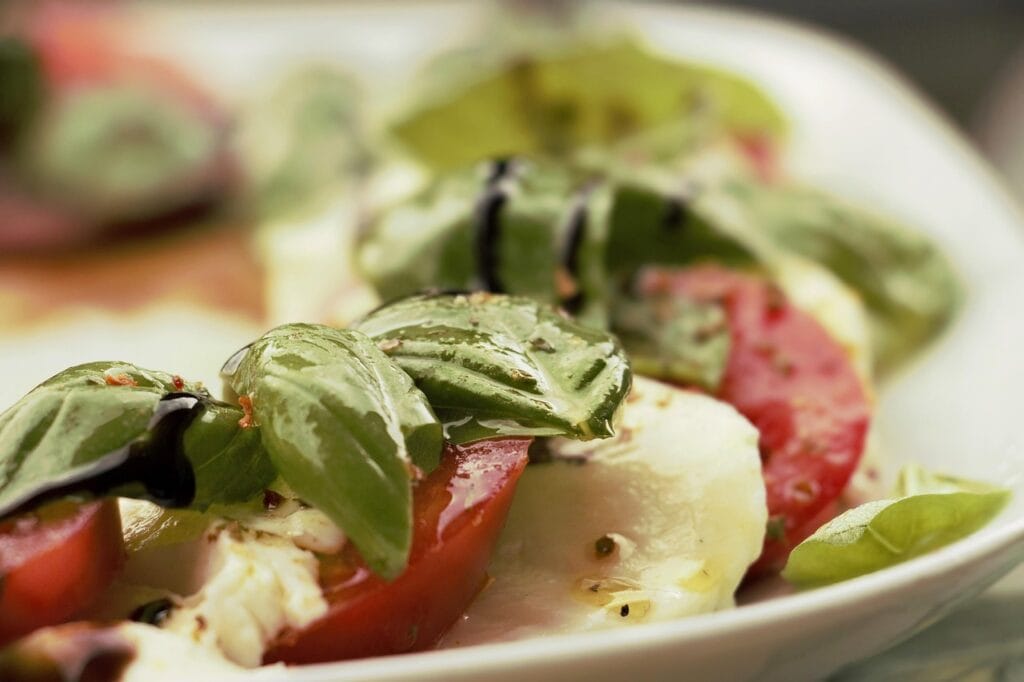
- Fresh mozzarella (pearls or balls): Best for caprese salads, cold appetizers, or snacks with tomatoes and basil.
- Low-moisture block: Great for pizza, lasagna, baked pasta, grain bowls, or stuffed chicken.
- Shredded (pre-packaged): Easy but has anti-caking agents. Pick block cheese for better melt and fewer additives.
The Truth About the Best Mozzarella Brand: Pre-Shredded vs. Block
Let us be honest. Pre-shredded cheese saves time. But if you want the best mozzarella brand experience, skip it. Most pre-shredded mozzarellas have cellulose or potato starch to stop clumping. The FDA notes that these additives may affect melt quality. You also get extra starch and less cheese per bite.
The fix? Buy a block of low-moisture mozzarella and shred it yourself. It takes about two minutes. The difference is clear — especially on pizza or in baked dishes. Kara Brown, a recipe developer, says, “It takes a few extra minutes, but the texture and melt are much better.” Plus you avoid fillers. That is a small win for healthier eating.
How to Pick a Healthy Mozzarella: 4 Things to Check
If you want the best mozzarella brand for your health, look at these four things on the label:
- Ingredient list: Look for milk, salt, vinegar or citric acid, and enzymes. Avoid brands with starches, gums, or preservatives.
- Nutrition facts: Compare per ounce. Low-moisture mozzarella has about 85 calories, 5g total fat, 3g saturated fat, 150mg sodium, and 7g protein. Fresh mozzarella is similar but lower in fat.
- Milk source: Some brands use grass-fed cow’s milk or buffalo milk. Buffalo mozzarella is richer and has a unique feel. Note: BelGioioso’s standard fresh mozzarella is cow’s milk; they also offer a buffalo milk option.
- Dietary needs: If you watch sodium, look for low-sodium options like Green Valley Creamery. Mozzarella is generally well-tolerated by many, but individual responses vary.
Healthy Meals with Mozzarella
Mozzarella works best in meals that balance it with vegetables, lean protein, and whole grains. Try these three simple ideas:
- Caprese Grain Bowl: Mix cooked farro or quinoa with cherry tomatoes, fresh basil, and torn fresh mozzarella pearls. Drizzle with balsamic glaze and olive oil. Add grilled chicken or chickpeas for more protein.
- Cauliflower Crust Pizza: Use a cauliflower crust, spread tomato sauce, add shredded mozzarella (from a block), and top with mushrooms, peppers, and onions. Bake until bubbly.
- Mozzarella Stuffed Chicken: Butterfly a chicken breast. Fill with shredded mozzarella, spinach, and sun-dried tomatoes. Seal with toothpicks, season, and bake at 400°F for 20 minutes. Serve with roasted veggies.
These meals let the cheese add creaminess without taking over the plate. For more balanced eating inspiration, check out our guide to the 25 best snacks for diabetics that won’t spike your blood sugar — full of ideas for building meals around healthy, wholesome ingredients.
Frequently Asked Questions
Is mozzarella healthy? Yes, in small amounts. It gives you protein and calcium, but also has saturated fat and sodium. Stick to one or two ounces per serving.
What is the best mozzarella brand for pizza? Galbani low-moisture block is the top choice. Polly-O is also great for stretch and browning.
Can I freeze mozzarella? Low-moisture mozzarella freezes well for up to three months. Fresh mozzarella does not freeze well — it gets watery when thawed.
What is the difference between Galbani and BelGioioso? Both are high quality. Galbani has a more neutral, milky taste. BelGioioso fresh mozzarella is slightly tangier and creamier. Use Galbani for cooking, BelGioioso for cold dishes.
How should I store mozzarella? Keep fresh mozzarella in its brine in the fridge. Use within three to five days. Wrap low-moisture tightly and store up to a month.
The Bottom Line
The best mozzarella brand for your kitchen is one that tastes great and has simple, clean ingredients. Galbani is the leader — chefs trust it and home cooks love it. But no matter which brand you choose, remember: buy a block, check the label, and shred it yourself. That habit gives you better flavor, better melt, and fewer additives. Then use your mozzarella to lift everyday meals — caprese salads, veggie pizzas, and protein-rich bakes. That is how a simple cheese becomes a key part of healthy, delicious cooking.