

Endometriosis Blood Test: 95% Accuracy Study Results
Key Takeaways
- 7–10 years: That’s how long it takes to diagnose endometriosis right now.
- AUC 0.94: A new blood test using microRNAs achieved that level of accuracy in a 2020 study.
- Not yet in clinics: The test isn’t approved, but it could change care for millions.
Think about living with bad pelvic pain for years. You’re told it’s normal. Finally, you get a diagnosis – but only after surgery. That’s the truth for many women with endometriosis. It takes seven to ten years on average to get the right diagnosis. But that may shift. A study in the American Journal of Obstetrics and Gynecology found that a simple blood test could identify endometriosis with very high accuracy (AUC 0.94). Here’s what you need to know about this endometriosis blood test and what it means for you.
Quick Answer: Is There a Blood Test for Endometriosis?
Not yet. No blood test is approved to diagnose it right now. But research is promising. A 2020 study found a set of microRNAs that caught the disease with an AUC of 0.94. This endometriosis blood test is still being studied, but it may replace surgery one day.
Why an Endometriosis Blood Test Is So Needed
Endometriosis affects about 1 in 10 women. But diagnosis takes years. Why? Symptoms like pelvic pain, heavy periods, and fatigue can look like other problems. The best way to diagnose it now is laparoscopy – surgery with a tiny camera. That’s invasive, costly, and has risks.
A simple blood test could cut that wait time a lot. Many experts believe that early detection may lead to better outcomes and less harm to organs. That’s why we need a good blood test so badly.
How Is Endometriosis Diagnosed Now?
Before we talk about the new research, let’s look at what’s used today. The NIH MedlinePlus says doctors start with your history and a pelvic exam. They may order an ultrasound or MRI to see cysts. But these scans can’t confirm endometriosis. Only laparoscopy with a biopsy can.
Sometimes they do a blood test called CA-125. But it’s not accurate enough. The American College of Obstetricians and Gynecologists (ACOG) says clearly: there is no blood test to diagnose endometriosis. That’s the current truth.
The 95% Accurate Endometriosis Blood Test: What the Study Found
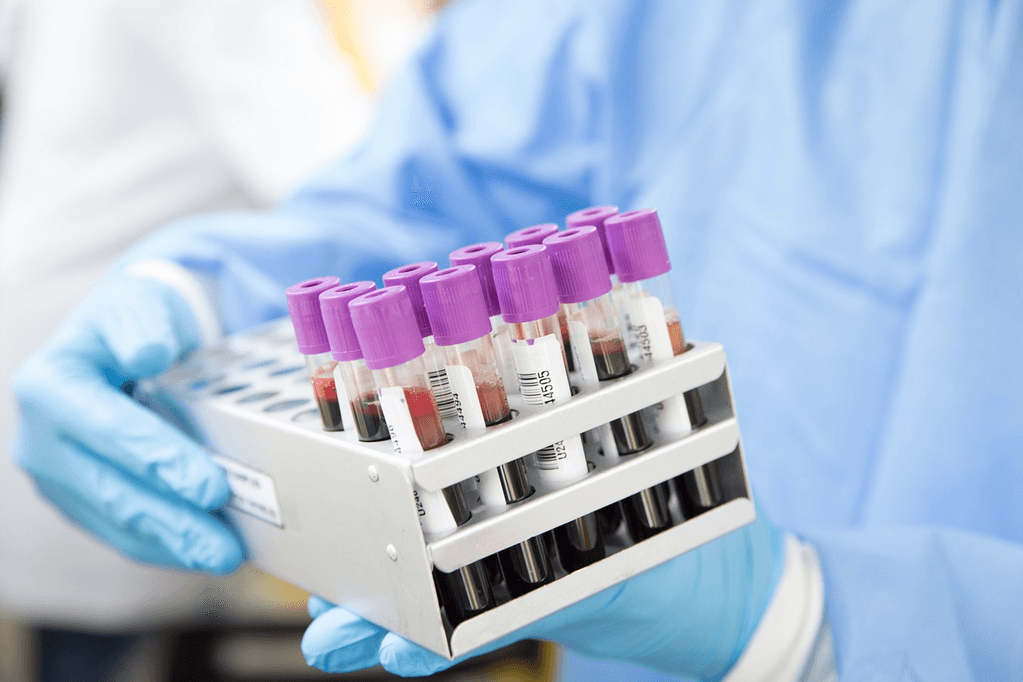
Now here’s the exciting part. In 2020, a study in the American Journal of Obstetrics and Gynecology tested a set of six microRNAs – tiny bits that control how your genes work. They took blood from 148 women with gynecologic symptoms and compared results to what surgery found. This endometriosis blood test achieved an AUC of 0.94 – a measure of overall accuracy that indicates excellent diagnostic performance.
According to the study on PubMed, the test had strong discriminative power. In simple terms: it almost never missed endometriosis and rarely gave a false positive. That’s way better than CA-125, which has about 50–60% sensitivity.
But keep in mind: this is one study. A Cochrane review on blood biomarkers for endometriosis found that while some multi-marker panels showed promise, no blood biomarker was yet ready for clinical use.
What Does AUC 0.94 Mean for You?
AUC (Area Under the Curve) is a single number that tells you how well a test separates people with and without a disease. An AUC of 0.94 means the test is excellent – it correctly identifies most women with endometriosis and correctly rules out most without it. To put it in perspective: even laparoscopy can miss some cases, especially if the spots are small. A blood test that’s noninvasive, cheaper, and nearly as accurate would be a huge step forward. This endometriosis blood test could one day make that possible.
When Will This Blood Test Be Available?
That’s the big question. Right now, the test is still in the research phase. It hasn’t been approved by the FDA. Researchers need larger trials to confirm the results. It could be two to five years before you can get it at your doctor’s office – sometimes longer.
Cost and insurance are also unknown. But the fact is we now have a blood test with proven accuracy. That gives hope to millions of women still waiting for answers.
What You Can Do Now While Waiting for Better Tests
Advocate for Yourself
Don’t wait for a magic test. If you have signs like painful periods, pelvic pain, or pain during sex, talk to a gynecologist who focuses on endometriosis. Keep a diary of your symptoms. Ask about laparoscopy if your pain is bad. And stay up-to-date on research – you might even join a clinical trial.
You can also support groups like the Endometriosis Foundation of America that fund research for better tests. Every voice helps move things forward.
Frequently Asked Questions About the Endometriosis Blood Test
What exactly does the endometriosis blood test measure?
It checks a set of six microRNAs – tiny molecules that control gene activity. These are different from CA-125, which is a protein. The miRNA pattern is unique in women with endometriosis.
Can I get this endometriosis blood test now?
Not yet. It’s only been tested in research. It’s not offered in clinics or labs. Ask your doctor if there are any trials near you.
Why does diagnosing endometriosis take so long?
Symptoms can look like other conditions, such as IBS or pelvic infections. Many women are told their pain is normal. And until now, there hasn’t been a simple blood test that’s accurate enough. That’s why this endometriosis blood test matters so much.
Will insurance cover a blood test for endometriosis if it becomes available?
It’s hard to say. Coverage will depend on FDA approval and insurance rules. For now, it’s too soon to know.
The Bottom Line
The endometriosis blood test isn’t here yet, but it’s coming closer. This highly accurate test could cut the long road to diagnosis from years to days. It could help millions of women get answers sooner, without surgery. While you wait, don’t let your symptoms be brushed off. Track them, see a specialist, and stay informed. The future of endometriosis care is getting brighter – and a simple blood test may be at the center of it.