

How to Lower Blood Pressure Naturally: A Complete Guide
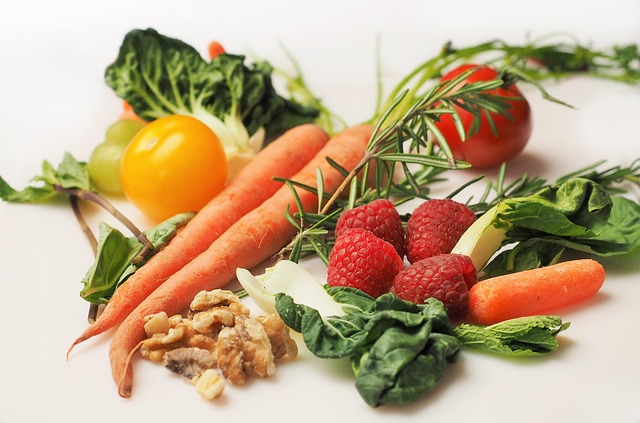
Key Takeaways
- Sodium is the main culprit. Cutting your daily sodium intake to 1,500 mg can lower your systolic BP by 5-6 mmHg.
- Potassium is your secret weapon. Eating potassium-rich foods helps your kidneys flush out extra sodium and relaxes blood vessel walls.
- The DASH diet works. Following the DASH eating plan can lower systolic BP by 6 to 11 mmHg.
- Exercise adds up fast. Just 30 minutes of brisk walking most days can lower your BP by 5-8 mmHg.
- Stack your changes for bigger results. Combining diet, exercise, and weight loss can lower BP by 15 mmHg or more.
Picture this: You get a call from your doctor’s office. Your blood pressure is a bit high — 132/85. They mention “lifestyle changes” and you nod along. But what does that actually mean? If you’re like most people, you’ve heard the advice before: cut back on salt, eat better, exercise more. It sounds simple, but the details matter. Here’s the thing — nearly half of American adults have high blood pressure, and many don’t realize how much control their daily choices give them. This guide breaks down the most effective ways to lower blood pressure naturally, with specific numbers, practical steps, and a clear plan for results. (And if you’re curious about what your numbers mean for long-term health, we’ve covered what blood pressure readings really mean for your brain.)
Quick Answer: Can lifestyle changes really lower blood pressure?
Yes — and the evidence is strong. Combining the DASH diet, regular exercise, weight loss, and sodium reduction can lower systolic blood pressure by 15 mmHg or more. For many people, that’s enough to move from stage 1 hypertension back into a healthy range without medication. However, some people will still need medication, and that’s perfectly okay. Lifestyle changes work best as part of a complete plan with your healthcare provider.
How Much Can Lifestyle Changes Actually Lower Your Blood Pressure?
Let’s start with the numbers, because knowing what to expect keeps you motivated. The Mayo Clinic reports that losing just one kilogram (about 2.2 pounds) of body weight can lower blood pressure by approximately 1 mmHg. That might not sound like much, but losing 10 pounds could drop your numbers by about 4-5 mmHg.
Now, here’s where it gets exciting. Each lifestyle change adds up. Think of it like stacking coins — each one is small on its own, but together they create real value. A 2025 umbrella review of 21 meta-analyses confirmed that reducing sodium intake lowers systolic blood pressure by an average of 3.39 mmHg. A 2025 network meta-analysis of 26 clinical trials found the DASH diet reduced systolic BP by about 6 mmHg. Regular aerobic exercise can lower it by 5-8 mmHg.
Add those together: DASH diet (6 mmHg) + exercise (6 mmHg) + weight loss (4 mmHg) + sodium reduction (3 mmHg) = 19 mmHg total reduction. That’s a game-changer for many people — and it’s worth noting that chronically high blood pressure can also affect your brain health over the long term.
The Sodium-Potassium Balance: Why It Matters More Than You Think
Here’s what most articles don’t tell you: it’s not just about cutting salt. It’s about the balance between sodium and potassium. Think of sodium as the gas pedal for your blood pressure, and potassium as the brake. When you eat too much sodium and not enough potassium, your blood vessels narrow and your pressure goes up.
Potassium helps your kidneys flush excess sodium out of your body through urine. Less sodium in your system means less pressure on your blood vessel walls. It also helps relax those vessel walls, which naturally lowers pressure. The American Heart Association recommends 3,500 to 5,000 mg of potassium daily for blood pressure management.
Here’s a practical tip that most competitors miss: a 2026 meta-analysis of 34 clinical trials found that switching to a potassium-enriched salt substitute (like LoSalt or Nu-Salt) lowered systolic blood pressure by about 4 to 5 mmHg. That’s a simple swap that can make a real difference. Just check with your doctor first if you have kidney disease or take certain blood pressure medications like ACE inhibitors or ARBs, because potassium can build up in those cases.
Hidden Sodium: Where It’s Lurking and How to Cut Back
You might be thinking, “I don’t add salt to my food, so I’m fine.” But here’s the reality: most of the sodium in our diets comes from packaged and restaurant foods, not the salt shaker. The top sources include breads and rolls, cold cuts, pizza, poultry, soup, and sandwiches. The 2025 umbrella review found that each 1g per day increase in sodium raises your cardiovascular disease risk by 4% and your stroke risk by 6%.
The American Heart Association recommends limiting sodium to 1,500 mg per day for people with high blood pressure. That’s about two-thirds of a teaspoon of salt. Reducing your intake to that level can lower systolic BP by 5-6 mmHg, according to the Mayo Clinic. Here’s how to get there:
5 Simple Ways to Cut Sodium Today
- Read labels. Look for foods with 5% DV or less of sodium per serving. Avoid anything with 20% DV or more.
- Cook at home more. Restaurant meals are often loaded with sodium. Home cooking puts you in control.
- Swap your salt. Use herbs, spices, garlic, and citrus instead of salt. Try a DIY blend of oregano, cumin, and rosemary.
- Rinse canned foods. Replacing the liquid in canned beans and vegetables with fresh water before heating can reduce sodium by about one-third.
- Ask for sauces on the side. When eating out, request dressings and sauces on the side. You’ll use less.
The DASH Diet: Your Eating Plan for Lower Blood Pressure
The DASH diet (Dietary Approaches to Stop Hypertension) was created specifically to lower blood pressure. It’s not a fad — it’s backed by decades of research. The National Heart, Lung, and Blood Institute’s official DASH Eating Plan recommends a flexible approach focused on whole foods.
Here’s what a day on the DASH diet looks like for a 2,000-calorie plan:
- Grains: 6-8 servings (think whole wheat bread, oatmeal, brown rice)
- Vegetables: 4-5 servings (aim for a rainbow of colors)
- Fruits: 4-5 servings (bananas, oranges, berries, melon)
- Low-fat dairy: 2-3 servings (yogurt, milk, cheese)
- Lean protein: 6 ounces or less (fish, poultry, beans)
- Nuts, seeds, beans: 4-5 servings per week
- Fats and oils: 2-3 servings (olive oil, avocado)
- Sodium: 2,300 mg standard, 1,500 mg for greater BP reduction
The DASH diet is rich in potassium, calcium, magnesium, fiber, and protein — all nutrients that support healthy blood pressure. Many of these whole foods overlap with heart-healthy summer foods that are in season right now. And it’s not restrictive. You don’t need special foods or supplements. Just real, whole foods in the right balance.
Beyond Diet: Other Lifestyle Changes That Lower Blood Pressure
Diet is powerful, but it’s not the only tool in your toolbox. The Centers for Disease Control and Prevention recommends at least 2.5 hours of moderate-intensity aerobic exercise each week — that’s just 30 minutes, five days a week. A brisk walk counts. So does cycling, swimming, or dancing.
Here’s what else matters:
The Complete Lifestyle Checklist for Lower Blood Pressure
- Exercise: 30 minutes of brisk walking, 5 days a week. Add resistance training 2 days a week for even better results.
- Weight management: Losing 5-10 pounds can lower your BP by approximately 2-5 mmHg, with about 1 mmHg reduction per kilogram (2.2 lbs) lost.
- Limit alcohol: No more than 1 drink per day for women. Newer evidence suggests even less may be better for BP.
- Quit smoking: Smoking damages blood vessels and raises BP. Every cigarette matters.
- Sleep: Aim for 7-9 hours. Poor sleep disrupts the natural nighttime dip in blood pressure.
- Stress management: Deep breathing, meditation, or even 5 minutes of quiet time can help activate your body’s relaxation response.
- Home monitoring: Track your BP at home with a validated monitor. Log your numbers to share with your doctor.
Your 5-Step Daily Action Plan to Lower Blood Pressure
Here’s the practical part. This is a daily plan you can start today. No perfection required — just progress.
- Morning: Start with a potassium-rich breakfast. Think a banana with oatmeal, or a spinach and mushroom omelet. Skip the bacon (it’s high in sodium).
- Midday: For lunch, aim for a DASH-style plate: half vegetables, a quarter lean protein, a quarter whole grains. Use herbs instead of salt for flavor.
- Afternoon: Take a 10-minute walk. Even short bursts of movement help lower BP throughout the day.
- Evening: Cook dinner at home. Try a sheet-pan meal with salmon, sweet potatoes, and broccoli. Season with garlic, lemon, and rosemary.
- Before bed: Do 5 minutes of deep breathing. Inhale for 4 counts, hold for 4, exhale for 6. This activates your parasympathetic nervous system and helps lower nighttime BP.
Repeat this daily. DASH diet studies show meaningful BP reductions within the first few weeks of consistent adherence. Many people start seeing changes within a month. Combining all these strategies over several months could lower your BP by 10-15 mmHg or more.
When Lifestyle Changes Aren’t Enough
Let’s be honest: lifestyle changes are powerful, but they’re not a replacement for medication for everyone. If your blood pressure remains elevated after 3-6 months of consistent lifestyle changes, or if it’s already in stage 2 hypertension (140/90 or higher), medication may be necessary. That’s not a failure — it’s smart health management.
Many people need both lifestyle changes and medication to reach their goals. The good news is that lifestyle changes can reduce the dose of medication you need, and they protect your heart in ways medication alone can’t. Always work with your healthcare provider to find the right approach for you.
Frequently Asked Questions
How quickly can I lower my blood pressure with diet?
Some changes happen within days. Sodium reduction can start lowering BP quickly. DASH diet studies show meaningful reductions within the first few weeks of consistent adherence.
Can I drink coffee if I have high blood pressure?
Yes, in moderation. Caffeine causes a temporary spike in BP, but regular coffee drinkers don’t develop chronic hypertension from 1-3 cups daily. Energy drinks are a different story — limit those.
Is red wine still good for my heart?
The evidence is shifting. For blood pressure specifically, less alcohol is better. The old “red wine is heart-healthy” message is being reconsidered. Stick to no more than one drink per day, and consider skipping it entirely if your BP is high.
Do I need to take potassium supplements?
Food sources are preferred. Potassium from fruits, vegetables, and dairy is safer and more effective than supplements. Only take potassium supplements under medical supervision, especially if you have kidney issues or take certain BP medications.
The Bottom Line
Lowering your blood pressure doesn’t require a complete life overhaul. It requires small, consistent changes that add up over time. The science is clear: reducing sodium, eating more potassium-rich foods, following the DASH diet, moving your body, managing stress, and getting enough sleep all work together to bring your numbers down.
Start with one change this week. Maybe it’s reading labels to cut sodium. Maybe it’s adding a banana to your breakfast. Maybe it’s a 10-minute walk after dinner. Whatever you choose, know that it matters. Your heart will thank you.
And if you need medication? That’s okay too. Lifestyle changes and medication work best together. Talk to your healthcare provider about the right plan for you.