

Cast Iron Storage: Expert Tips to Prevent Rust
Key Takeaways
- Moisture is the #1 enemy of cast iron — always dry your pan completely before storage.
- Use a barrier (felt pad, paper towel, cotton cloth) between stacked pans to protect the seasoning.
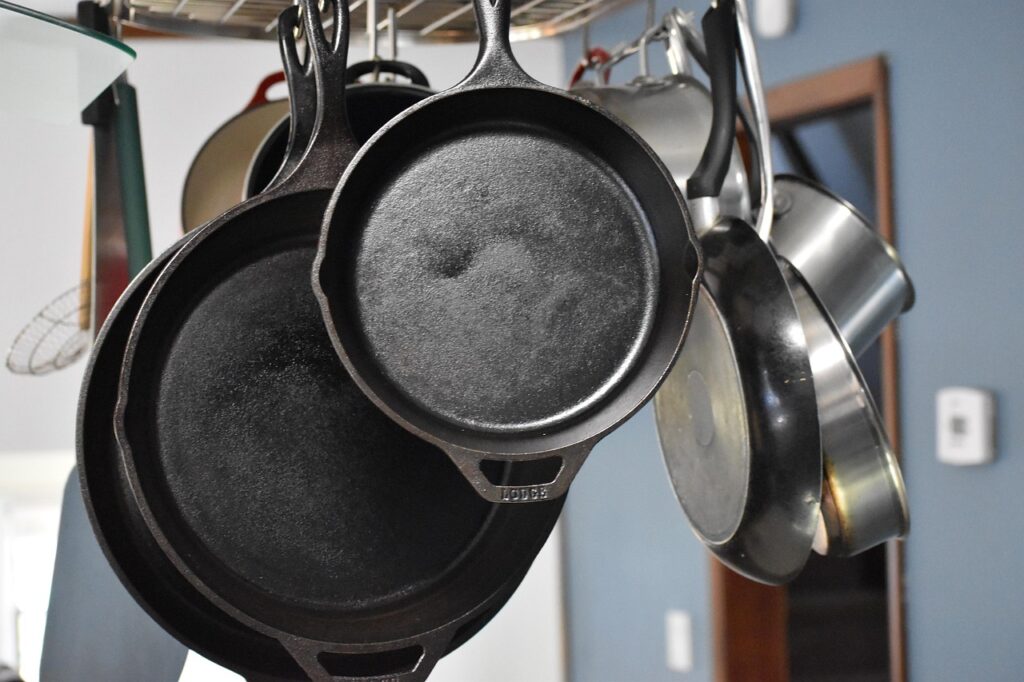
- Hanging or using a storage rack allows airflow and prevents rust.
- A light coat of oil after cleaning helps maintain the seasoning layer.
You just finished seasoning your new cast iron skillet — the one that will never leach PFAS into your food and could last for generations. You oiled it, baked it, and admired its dark, glossy surface. Now, where do you put it? If you stash it in a damp cabinet or toss it in a stack with other pans, all that work could turn to rust. That’s why getting cast iron storage right is essential for keeping your cookware — and your healthy kitchen — in top shape. In this guide, we’ll cover expert-backed tips to prevent rust, protect your seasoning, and make your cast iron last a lifetime.
Quick Answer: What’s the Best Way to Store Cast Iron?
The best cast iron storage keeps your pan bone-dry, allows airflow, and protects the seasoning. Hang it on a wall rack, place it on a dedicated cookware organizer, or stack it with a protective barrier between pans. Avoid humid cabinets, the sink area, or any spot where moisture lingers. Always dry and lightly oil your pan before putting it away.
Why Proper Cast Iron Storage Prevents Rust
Cast iron is just iron — there’s no chromium or other alloys in it like stainless steel. That means bare iron rusts quickly when it meets water. The seasoning layer (a polymerized oil coating) protects it, but that layer can be damaged by moisture trapped against the pan.
According to Virginia Tech food scientist Sean O’Keefe, PhD, “So bare cast iron will rust rapidly. To prevent this, we season the pan.” He emphasizes that moisture is the primary threat. A well-maintained seasoning is your best defense.
Here’s the thing: when you store your pan correctly, you’re protecting an investment in healthy cooking. Cast iron doesn’t contain the forever chemicals (PFAS) found in many nonstick pans — toxic kitchen tools that cardiologists recommend replacing. Lodge Cast Iron confirms their cookware is made from iron (with a proprietary blend of recycled steel and alloys) and coated with 100% natural vegetable oil seasoning. Third-party tests show no PFAS, lead, or cadmium. Plus, cooking in cast iron can add trace amounts of iron to your food — a benefit for anyone needing more of this essential mineral.
The Golden Rule of Cast Iron Storage: Keep It Dry
Every expert we reviewed agrees: moisture is the single biggest threat. Mark Longenecker, co-founder of Lancaster Cast Iron, says “a wet or damp skillet will become a rusty skillet.” His advice: store your pan only after it’s completely dry.
How dry is dry enough? After washing, towel-dry thoroughly, then set the pan on the stovetop over low heat for a few minutes. This drives off any water hiding in the seasoning pores. Let it cool, then rub a very thin layer of cooking oil over the surface — this adds another shield against moisture.
Now you’re ready for cast iron storage. But where? Avoid spots near the sink, dishwasher, or stove (steam from boiling water can settle on the pan). A dry cabinet away from heat sources, a wall-mounted rack, or a dedicated shelf all work well.
Best Tools for Cast Iron Storage
You don’t need fancy gear, but some tools make storage easier and safer.
Hanging racks. If you have wall space, a heavy-duty rack is ideal. It keeps pans visible, accessible, and well-ventilated. The KES Wall-Mounted Pot Rack holds up to 88 pounds — enough for several skillets. Lodge chef Kris Stubblefield notes that hanging allows airflow, which “helps avoid any potential rusting.”
Cookware organizers. The Lodge 5-Tier Cast Iron Storage Organizer sits on countertops or in cabinets. Its open design promotes air circulation, and each tier holds a pan without stacking directly on top of another.
Pan protectors. If you must stack, use a barrier. Felt protectors, paper towels, or cotton cloths between pans prevent metal-on-metal contact that can scratch seasoning. The Bykitchen Pan and Pot Protectors are felt and moisture-wicking — a great choice.
Rust Prevention Through Proper Cast Iron Storage
Even with the best cast iron storage, rust can happen. Maybe you stored a pan while it was still slightly damp, or you left it in a humid cabinet. The good news? Rust is fixable.
According to Lodge’s restoration guide, you can remove rust with steel wool, then reseason the pan at 450–500°F for one hour. After that, follow the same drying and oiling steps before returning it to storage.
To prevent rust, it’s a good idea to check stored pans periodically. If you notice a grayish or brownish spot, re-season that area. A well-maintained pan rarely rusts, but it pays to check.
Frequently Asked Questions About Cast Iron Storage
Can I store cast iron in the oven?
Many home cooks keep their skillet in the oven between uses. It provides a dry, dark space — just make sure the pan is completely cool and dry first. Before preheating the oven, remove the pan to avoid thermal shock.
Can I store food in a cast iron pan?
Acidic foods can react with iron during prolonged contact, so it’s best to store leftovers in glass or ceramic containers rather than in the cast iron pan. The moisture and extended contact can also affect the seasoning.
Should I stack cast iron pans?
Yes, but always place a barrier between them. Use felt pads, paper towels, or cotton cloths. This prevents the pans from scratching each other’s seasoning and traps any moisture that might accumulate.
How often should I re-season my cast iron?
Only when the seasoning looks thin or when rust appears. With proper care, a good seasoning lasts for years. You can maintain it by lightly oiling after each use.
The Bottom Line
Cast iron storage is simpler than you think — keep it dry, keep it protected, and your pan will serve you for decades. By storing your cast iron correctly, you’re protecting a non-toxic, PFAS-free piece of cookware that adds a touch of iron to your meals. That’s a win for your health and your kitchen. So dry that skillet, give it a light oil rub, and tuck it away in a happy, moisture-free spot. Your future self — and your pancakes — will thank you.