
4 Toxic Kitchen Tools Cardiologists Want You to Replace Now
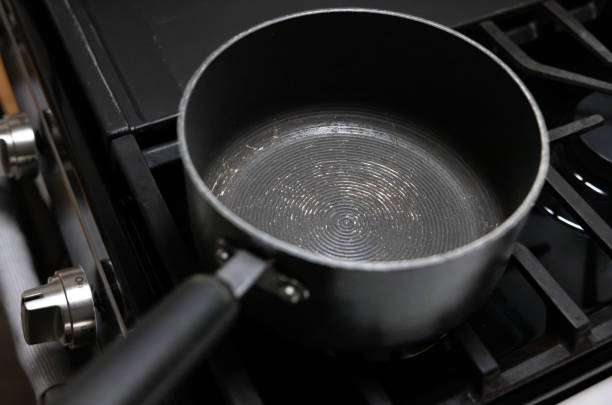
Are your kitchen tools quietly putting your health at risk? Cardiologists are sounding the alarm about four common toxic kitchen tools that most women use every single day—and the hidden chemicals lurking inside them. From plastic containers leaching microplastics into your leftovers to nonstick pans coated with forever chemicals, your kitchen may be working against you. Here’s what cardiologists want you to ditch, what to replace them with, and why this matters more for women than you might think.
Quick Answer: Which Toxic Kitchen Tools Should You Replace?
Cardiologists recommend replacing four categories of toxic kitchen tools: plastic food containers (switch to glass), Teflon and PFAS-coated pans (switch to stainless steel, cast iron, or titanium), plastic cutting boards (switch to wood or bamboo), and plastic utensils—especially black plastic ones (switch to wood, stainless steel, or silicone). These swaps reduce your exposure to microplastics, PFAS “forever chemicals,” and flame retardants linked to heart disease, hormonal disruption, and gut inflammation.
Why Cardiologists Are Warning Women About Toxic Kitchen Tools
You spend hours in your kitchen preparing healthy meals for yourself and your family. You carefully choose fresh vegetables, lean proteins, and whole grains. But here’s the uncomfortable truth that cardiologists want you to hear: the tools you use to prepare that food may be undermining your efforts.
Two categories of materials concern heart doctors the most: plastic and PFAS. These substances are found in everyday items you probably reach for without thinking—your food storage containers, your favorite nonstick pan, your cutting board, and your cooking utensils. The problem isn’t a single exposure. It’s the cumulative effect of daily contact with these chemicals over years and decades.
For women specifically, this issue carries extra weight. Research published in Toxicological Sciences found that PFAS exposure is associated with increased cardiovascular disease risk in postmenopausal women, interacting with pro-inflammatory pathways that are already elevated after menopause. And with heart disease projected to affect 6 in 10 women by 2050, reducing every controllable risk factor matters.
Toxic Kitchen Tool #1: Plastic Food Containers (Replace with Glass)
Let’s start with the most common offender in nearly every kitchen: plastic food storage containers. You use them for meal prep, leftovers, and lunch packing. They seem harmless. They’re not.
Plastic containers release microplastics even when they’re just sitting in your pantry at room temperature. The risk escalates dramatically when you heat them. Higher temperatures accelerate the breakdown of plastic particles, sending tiny fragments directly into your food. Think about every time you’ve microwaved leftovers in a plastic container—that convenience came with a hidden cost.
Preventive cardiologists recommend choosing glass containers instead. Glass doesn’t leach chemicals, doesn’t absorb odors, and doesn’t degrade over time. Look for sets with glass lids and silicone seals for the cleanest option. If your glass containers have plastic lids, that’s still a significant improvement—the lid doesn’t contact heated food the way the base does.
This swap matters for your gut health too. A 2025 study in Environmental Health Perspectives found that mice exposed to microplastics from polypropylene cutting boards developed intestinal inflammation and disrupted gut microbiota—effects that raise serious concerns about long-term gut health in humans exposed to microplastics daily through food storage and preparation.
Quick Tip: What About “BPA-Free” Plastic?
Don’t be lulled into a false sense of security by “BPA-free” labels. Many BPA-free plastics simply replaced bisphenol A with similar chemicals like BPS or BPF, which may carry comparable risks. Glass remains the safest option for food storage, especially when heating is involved. If you must use plastic, never microwave food in it—transfer to a glass or ceramic dish first.
Toxic Kitchen Tool #2: Teflon and PFAS-Coated Nonstick Pans (Replace with Stainless Steel or Cast Iron)
Your nonstick pan makes scrambled eggs effortless and cleanup a breeze. But that slippery coating has a dark side. PFAS—per- and polyfluoroalkyl substances, commonly called “forever chemicals”—are the foundation of most traditional nonstick coatings, including Teflon (which is made from PTFE, itself a type of PFAS).
These toxic kitchen tools are particularly concerning because PFAS don’t break down in the environment or in your body. They accumulate over time, building up in your bloodstream with every exposure. A landmark study published in Hypertension (an American Heart Association journal) followed over 1,000 midlife women for nearly two decades. Women with the highest overall PFAS concentrations had a 71% increased risk of developing hypertension compared to those with the lowest levels.
That’s not a small number. For women already navigating the cardiovascular changes of perimenopause and menopause, adding PFAS exposure from daily cooking creates a compounding risk that cardiologists say is entirely avoidable.
Here’s what makes label reading tricky: a pan labeled “PFOA-free” is not necessarily PFAS-free. PFOA is just one specific compound in the massive PFAS family. Research from the Ecology Center found that 79% of tested nonstick cooking pans were coated with PTFE, and many pans marketed as “PFOA-free” still contained other PFAS compounds. The safest approach? Skip the nonstick coating altogether.
Cardiologists recommend stainless steel, cast iron, or titanium cookware as safer alternatives. A well-seasoned cast-iron skillet develops a naturally nonstick surface over time, and it even adds small amounts of dietary iron to your food—a benefit for women who may be iron-deficient. Stainless steel is versatile, durable, and works beautifully for everything from searing salmon to making cozy soups and one-pan dinners.
What About Ceramic Nonstick Pans?
Ceramic nonstick pans labeled “PTFE-free” are generally a safer alternative to traditional Teflon coatings. Consumer Reports testing has found that ceramic-coated pans marked PTFE-free are far less likely to contain forever chemicals. However, ceramic coatings can wear out faster than PTFE and should be replaced when scratched or chipped. If you love the ease of nonstick cooking, a quality ceramic pan is a reasonable middle ground.
Toxic Kitchen Tool #3: Plastic Cutting Boards (Replace with Wood or Bamboo)
This one might surprise you, but plastic cutting boards are a significant and often overlooked source of microplastics in your food. Think about it: every time you slice vegetables or cut meat, your knife scores the surface of the board. Those tiny grooves release microscopic plastic particles directly onto your food.
A study published in Environmental Science & Technology quantified this exposure and the numbers are startling. Researchers estimated that a single person could be exposed to 14.5 to 71.9 million polyethylene microplastics annually from cutting boards alone. From a polypropylene board, that number jumps to approximately 79.4 million particles per year.
Wooden cutting boards are the preferred alternative among cardiologists and dietitians. Wood has natural antimicrobial properties, is gentler on your knives, and—most importantly—doesn’t shed plastic particles into your meals. Bamboo boards offer similar benefits and tend to be more affordable and lightweight.
If you’ve been avoiding wooden boards because of bacterial concerns, here’s the reassurance: proper cleaning (hot soapy water after each use, occasional treatment with food-safe mineral oil) keeps wooden boards perfectly safe. The porosity that people worry about actually works in your favor—bacteria get trapped in wood fibers and die, rather than surviving on the surface the way they can on plastic.
Toxic Kitchen Tool #4: Plastic Utensils—Especially Black Plastic (Replace with Wood, Steel, or Silicone)
Take a look in your utensil drawer right now. How many plastic spatulas, slotted spoons, and serving tools do you see? If some of them are black, this section is especially important for you.
Plastic utensils are routinely exposed to high heat during cooking. That heat accelerates the release of microplastics and chemical additives directly into your food. But black plastic utensils carry an additional, unexpected risk. A 2024 study published in Chemosphere found that black plastic kitchen tools frequently contain toxic flame retardants, including decaBDE—a chemical banned by the EPA in 2021 due to links to cancer, endocrine disruption, and reproductive toxicity.
How do flame retardants end up in your spatula? Through plastic recycling. When electronic devices containing flame-retardant plastics are recycled, those chemicals get mixed into new products—including kitchen utensils and food containers. The study found that 85% of bromine-positive black plastic samples contained flame retardants, with some containing chemicals at concentrations up to 1,200 times the European Union’s safety limit.
Replace plastic utensils with wooden, stainless steel, or silicone alternatives. Wooden utensils are naturally heat-resistant and beautiful. Stainless steel tools are virtually indestructible and easy to sanitize. Silicone utensils are flexible, heat-safe, and great for nonstick surfaces if you’re still transitioning your cookware. These are simple smart kitchen tool swaps that every woman can make today.
Why These Toxic Kitchen Tools Matter More for Women
You might be wondering: why do cardiologists single out women when warning about these toxic kitchen tools? The answer lies in biology, hormones, and the way PFAS interact with the female body.
First, PFAS accumulate differently in women. Before menopause, menstruation serves as one pathway for excreting these chemicals from the body. Once menstruation stops, PFAS levels rise significantly. Research from the University of Illinois found that higher PFAS levels in postmenopausal women were directly associated with both coronary artery disease and coronary microvascular disease—through distinct pro-inflammatory pathways.
Second, PFAS behave as endocrine disruptors. They interfere with hormone signaling, which is particularly problematic for women navigating the hormonal shifts of perimenopause and menopause. This disruption can affect thyroid function, reproductive health, and hormonal balance—systems already under stress during midlife transitions.
Third, women are often the primary food preparers in their households. This isn’t about reinforcing stereotypes—it’s about recognizing exposure patterns. If you’re the person cooking daily, meal prepping weekly, and storing leftovers regularly, your cumulative contact with these toxic kitchen tools is higher than someone who rarely cooks.
The connection between PFAS and cardiovascular risk in women is especially sobering when combined with the fact that heart disease remains the leading cause of death among women. Every controllable exposure you eliminate is a meaningful step toward protecting your heart.
Understanding PFAS: What “Forever Chemicals” Actually Do in Your Body
PFAS stands for per- and polyfluoroalkyl substances. They’re called “forever chemicals” because they resist breaking down in the environment and persist in your body for months to years after exposure. Nearly all Americans have detectable levels of at least one PFAS compound in their blood.
Inside your body, PFAS have been linked to elevated cholesterol levels, thyroid dysfunction, weakened immune response, and increased risk of certain cancers. A comprehensive review in Circulation Research confirmed that PFAS exposure contributes to dyslipidemia, hypertension, and other cardiovascular risk factors—all conditions that disproportionately affect women after menopause.
What makes PFAS particularly frustrating is that once they’re in your body, there’s very little you can do to accelerate their removal. Unlike many toxins that your liver and kidneys can process and eliminate, PFAS hang around. This is why prevention—reducing exposure in the first place—is the strategy that matters most. And your kitchen is one of the places where you have the most control.
How to Transition Your Kitchen Away from Toxic Kitchen Tools (Without Overwhelm)
Here’s the good news: you don’t need to throw everything away tomorrow and buy an entirely new kitchen. Cardiologists and dietitians agree that a gradual, strategic approach works best. Start with the items you use most frequently and those exposed to the highest heat.
Your first priority should be replacing any scratched or damaged nonstick pans. When the coating is compromised, it releases more chemicals into your food. A single cast-iron skillet or stainless steel pan can replace most of what you use a nonstick pan for. Season your cast iron properly, and it will become naturally nonstick over time.
Next, swap out plastic containers that you heat food in. Keep a few glass containers specifically for microwave use and meal prep. Even if you keep some plastic containers for cold storage or dry goods, eliminating plastic from the heating process makes a meaningful difference.
Then, replace your most-used plastic utensils. That spatula you stir everything with? Swap it for wood or silicone. The slotted spoon you use in hot pots? Switch to stainless steel. Especially replace any black plastic utensils, which carry the added risk of flame retardant contamination.
Finally, when your plastic cutting board shows visible knife marks and wear, replace it with a wooden or bamboo board. This is a swap that actually improves your cooking experience—wood boards are quieter, easier on your knives, and can double as beautiful serving platters.
Budget-Friendly Swap Priority List
If budget is a concern, prioritize your swaps by exposure risk. First: replace damaged nonstick pans (a cast-iron skillet can cost under $25). Second: get a few glass containers for heating food (basic sets start around $20). Third: swap plastic utensils for wood (a quality wooden spoon set is under $20). Fourth: replace worn plastic cutting boards with bamboo (a 3-pack can be found for under $20). Total investment for the highest-impact changes: approximately $85.
Reading Labels: How to Spot Toxic Kitchen Tools Before You Buy
Label claims on cookware and kitchen products can be confusing—and sometimes deliberately misleading. Here’s what to look for and what to question when shopping for safer alternatives.
“PFOA-free” does not mean PFAS-free. PFOA is just one chemical in a massive family of thousands. A pan can be PFOA-free and still contain PTFE (Teflon) or other PFAS compounds. Look specifically for labels that say “PTFE-free” or “PFAS-free” if you want to avoid these chemicals entirely.
“Nonstick” without further explanation is a red flag. If a pan is labeled nonstick without specifying the coating material, assume it contains PFAS. Safer nonstick options will explicitly state their coating type—ceramic, for example—and often highlight the absence of PTFE.
For food storage, look for “borosilicate glass” or “tempered glass” labels, which indicate heat-resistant glass safe for microwave and oven use. Silicone lids and seals are generally safe alternatives to plastic lids. When purchasing wooden kitchen tools, choose products made from hardwoods like maple, walnut, or bamboo, and ensure they’re treated with food-safe finishes only.
Being an informed shopper protects both your health and your wallet. You don’t need the most expensive options—you just need the right materials. For more guidance on building a healthier kitchen, check out our guide to what the science says about nonstick pans and safe alternatives.
Beyond the Kitchen: Reducing Your Overall PFAS Exposure
Your kitchen is one of the most impactful places to reduce PFAS and microplastic exposure, but it’s not the only one. A comprehensive approach to lowering your toxic burden includes several additional strategies.
Filter your drinking water. The Environmental Working Group estimates that nearly half of Americans have detectable PFAS levels in their tap water. A quality water filter—especially granular activated carbon or reverse osmosis systems—can significantly reduce PFAS in your drinking water.
Reduce reliance on fast-food packaging. Grease-resistant wrappers and containers from takeout restaurants often contain PFAS coatings. When you do get takeout, transfer food to your own glass or ceramic dishes as soon as possible rather than eating directly from the packaging.
Dust and vacuum regularly. PFAS and flame retardants escape from household products into dust. Regular wet-dusting and vacuuming reduce airborne exposure. This is also important for your overall home environment health.
Choose PFAS-free clothing and textiles. Water-resistant and stain-resistant fabrics are often treated with PFAS. Look for untreated natural fibers when possible, especially for items that contact your skin directly.
Can Your Diet Help Combat PFAS Exposure?
While no food can remove PFAS from your body, supporting your liver health and reducing inflammation can help your body cope with environmental toxins more effectively. Focus on gut-nourishing meals, antioxidant-rich fruits and vegetables, and anti-inflammatory foods. Maintaining a strong whole-foods diet supports your body’s natural detoxification pathways, even when complete avoidance of environmental chemicals isn’t realistic.
Are Silicone Kitchen Tools Safe?
Food-grade silicone is considered a safer alternative to plastic for kitchen tools. Unlike plastic, silicone is chemically stable at cooking temperatures and doesn’t leach harmful substances into food under normal use. Choose high-quality, FDA-approved food-grade silicone products, and avoid purchasing from unknown brands with extremely low prices. While silicone isn’t perfect, it’s a significant improvement over traditional plastic utensils.
How Do I Know If My Pan Contains PFAS?
If your pan has a smooth, slippery nonstick coating and was manufactured before 2015, it very likely contains PFAS including PTFE and possibly PFOA. Even newer nonstick pans may contain PTFE unless specifically labeled “PTFE-free.” When in doubt, stainless steel and cast iron are always PFAS-free. If you prefer nonstick, look for ceramic-coated pans with explicit “PTFE-free” and “PFAS-free” labeling from reputable brands.
Is It Safe to Keep Using My Old Cast-Iron Skillet?
Absolutely. Cast iron is one of the safest and most time-tested cooking materials available. A well-seasoned cast-iron skillet is naturally nonstick, incredibly durable, and free of synthetic chemicals. It also adds small amounts of dietary iron to your food—a benefit for women, especially those who may be iron-deficient. If you’ve inherited an old cast-iron pan, treasure it. It may be the healthiest tool in your kitchen.
Should I Be Worried About Wooden Cutting Boards and Bacteria?
Wood has natural antimicrobial properties that work in your favor. Studies show that bacteria drawn into wood fibers through capillary action are trapped and eventually die, rather than multiplying on the surface. Wash your wooden boards with hot, soapy water after each use, dry them upright, and periodically treat them with food-safe mineral oil. Avoid putting them in the dishwasher, which can cause warping and cracking.
The Bottom Line: Replace Your Toxic Kitchen Tools for a Healthier Kitchen
Cardiologists are clear: the four most common toxic kitchen tools in your home—plastic containers, PFAS-coated nonstick pans, plastic cutting boards, and plastic utensils—expose you to chemicals linked to heart disease, hormonal disruption, gut inflammation, and cancer. For women, especially those in midlife and beyond, these risks compound with the cardiovascular and hormonal changes that come with aging.
The solution isn’t panic. It’s progress. Replace your most-used items first, prioritize the highest-heat exposure points, and gradually build a kitchen equipped with glass, stainless steel, cast iron, wood, and silicone. These materials have stood the test of time precisely because they’re safe, durable, and effective.
Your healthy meals deserve healthy tools. Making these swaps is one of the simplest, most concrete steps you can take to protect your heart, your hormones, and your long-term wellbeing. And every meal cooked in a safer kitchen is a small victory for your health.